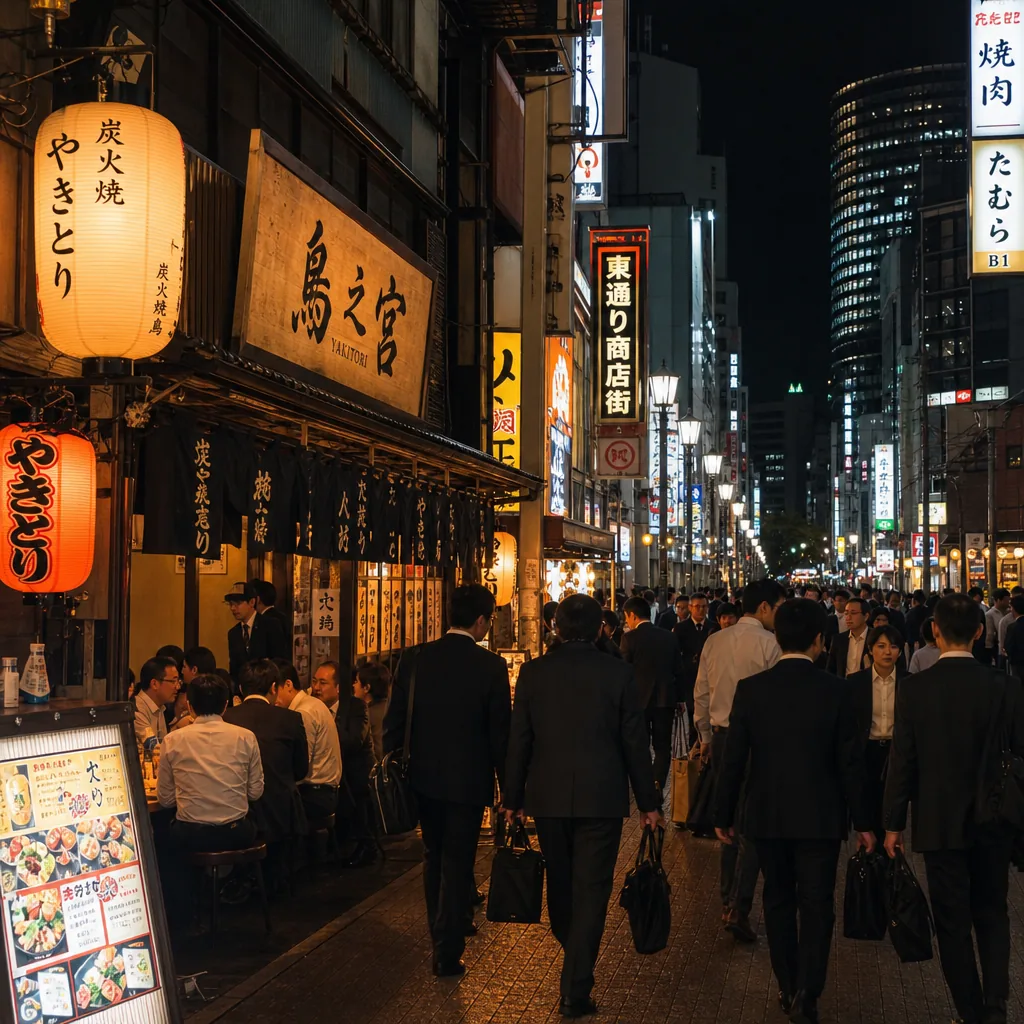
Where can I find english-friendly yakitori in Osaka after work?
Find English-friendly yakitori in Osaka after work by targeting Umeda, Namba, and Honmachi, plus booking sites and multilingual menus.
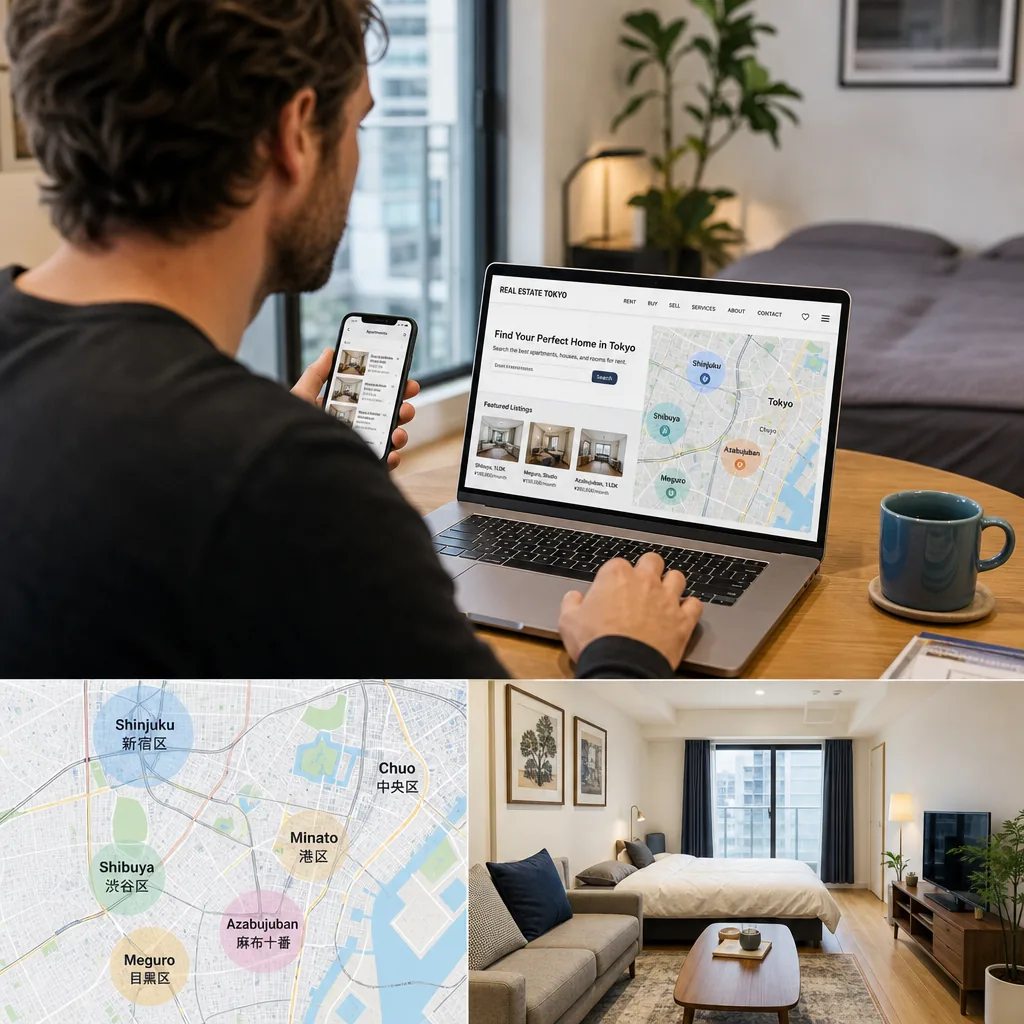
Yes—expats in Tokyo usually find furnished monthly rentals fastest by searching serviced apartments and monthly mansion listings on foreigner-friendly portals, then filtering hard by move-in date, station access, and all-in price. In practice, the quickest options often include furniture, appliances, Wi‑Fi, and utilities, and some providers allow online reservations or even next-day move-in when documents and payment are ready [4][5].
In Tokyo, the phrase usually refers to two main product types: monthly mansions and serviced apartments. These are short-term furnished units marketed for stays measured in weeks or months, not the standard long-term lease market. Many listings include a bed, table, refrigerator, microwave, washing machine, internet, and utilities in the advertised monthly rate, but the exact inclusions vary by property [4][5].
That difference matters because a “monthly” headline price may not be the final price. Some places add one-time cleaning fees, bedding charges, or taxes, so expats should read the full cost breakdown before booking [4][5]. If you need a place immediately, look for listings that clearly state move-in dates, included services, and whether the unit is fully furnished.
The fastest search path is usually not a standard long-term apartment site. It is a mix of foreign-language monthly housing portals, serviced apartment providers, and platforms that accept online inquiries. Sakura House’s monthly apartment pages are designed for short stays and foreign residents, while Mynavi Monthly offers English-language Tokyo monthly apartment listings that make filtering simpler for newcomers [4][5].
UR Housing Service is also useful to understand Japan’s broader rental landscape, especially if you may later transition into a longer lease. UR’s guide for foreign residents explains rental basics in English and is helpful for figuring out how Japanese housing works beyond the short-term rental stage [3].
If speed is your priority, use portals that let you search by move-in date and neighborhood first, then by price. This is faster than browsing by apartment style alone because Tokyo’s transit network makes station access more important than floor plan for many newcomers.
Before paying, confirm the total monthly cost and the moving terms. In Tokyo, the advertised rate may or may not include utilities, internet, bedding, cleaning, and taxes [4][5]. A cheaper base rate can become expensive once mandatory extras are added.
Also check the following:
For many expats, the best Tokyo neighborhoods are not “prestige” districts but practical ones near major stations. A unit near Shinjuku Station, Tokyo Station, or Shinagawa Station may cost more, but it can save hours each week in commuting and reduce the need to inspect many options in person.
Standard Japanese apartment rentals often require more paperwork, and screening can involve a guarantor or guarantee company. That is one reason furnished monthly rentals are popular with newcomers: they simplify the entry process and reduce the friction of signing a traditional long-term lease [3].
Tokyo Metropolitan Government’s English Guide for Foreign Residents and Daily Life Information pages are useful for understanding broader relocation issues, local support services, and daily living procedures in the city [1][2]. They do not replace a housing portal, but they can help you navigate the rest of the move while you focus on accommodation.
If you arrive without Japanese paperwork, a monthly rental can be the bridge between landing in Tokyo and settling into a longer-term home. That is especially helpful if you need time to open a bank account, secure employment documents, or compare wards and train lines in person.
The most efficient approach is to search in this order: budget, move-in date, station access, then included services. Start with a realistic monthly ceiling and decide whether you need a central location or just a fast commute route. In Tokyo, a unit one or two train stops farther out can be much cheaper while still keeping you connected to central districts.
For a quick search, use this workflow:
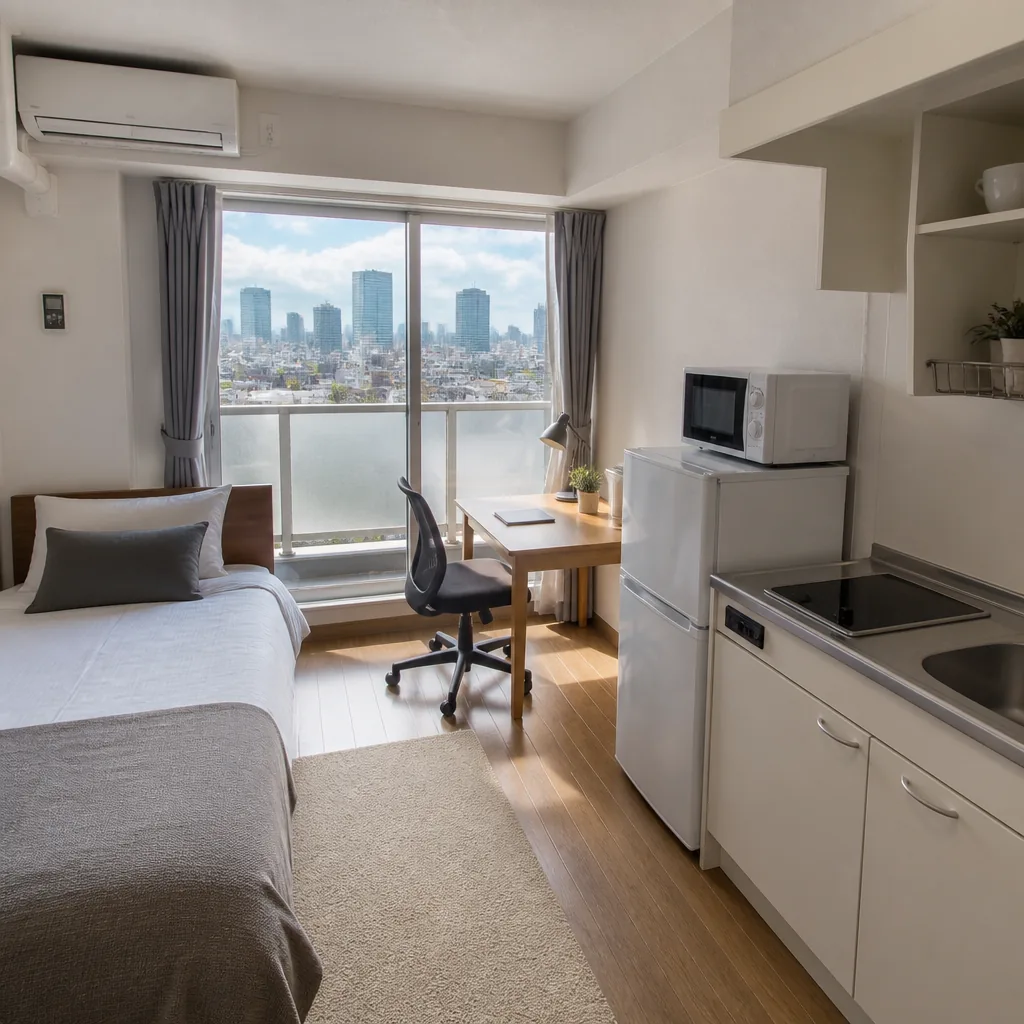
Even when the actual search happens on private housing portals, official Tokyo resources are still valuable. The Tokyo Metropolitan Government’s English Guide for Foreign Residents and Daily Life Information pages are the city’s main multilingual entry points for newcomer support [1][2]. If your housing search turns into broader settling-in questions—registration, daily life procedures, or other local services—those pages are a solid starting point.
For the housing side specifically, use foreigner-friendly providers that make it easy to compare furnished monthly options and understand the full price. That combination—English search, transparent fees, and station-based filtering—is the fastest practical way for expats to secure a Tokyo monthly rental without getting slowed down by the traditional long-term lease process.
CallButler is a multilingual concierge service that handles research, coordination, and bookings so you do not have to navigate language barriers or unfamiliar systems alone. If you need help related to How do expats find furnished monthly rentals in Tokyo quickly? or the tasks around it, our team can step in to manage the details and keep things moving smoothly.
Find English-friendly yakitori in Osaka after work by targeting Umeda, Namba, and Honmachi, plus booking sites and multilingual menus.
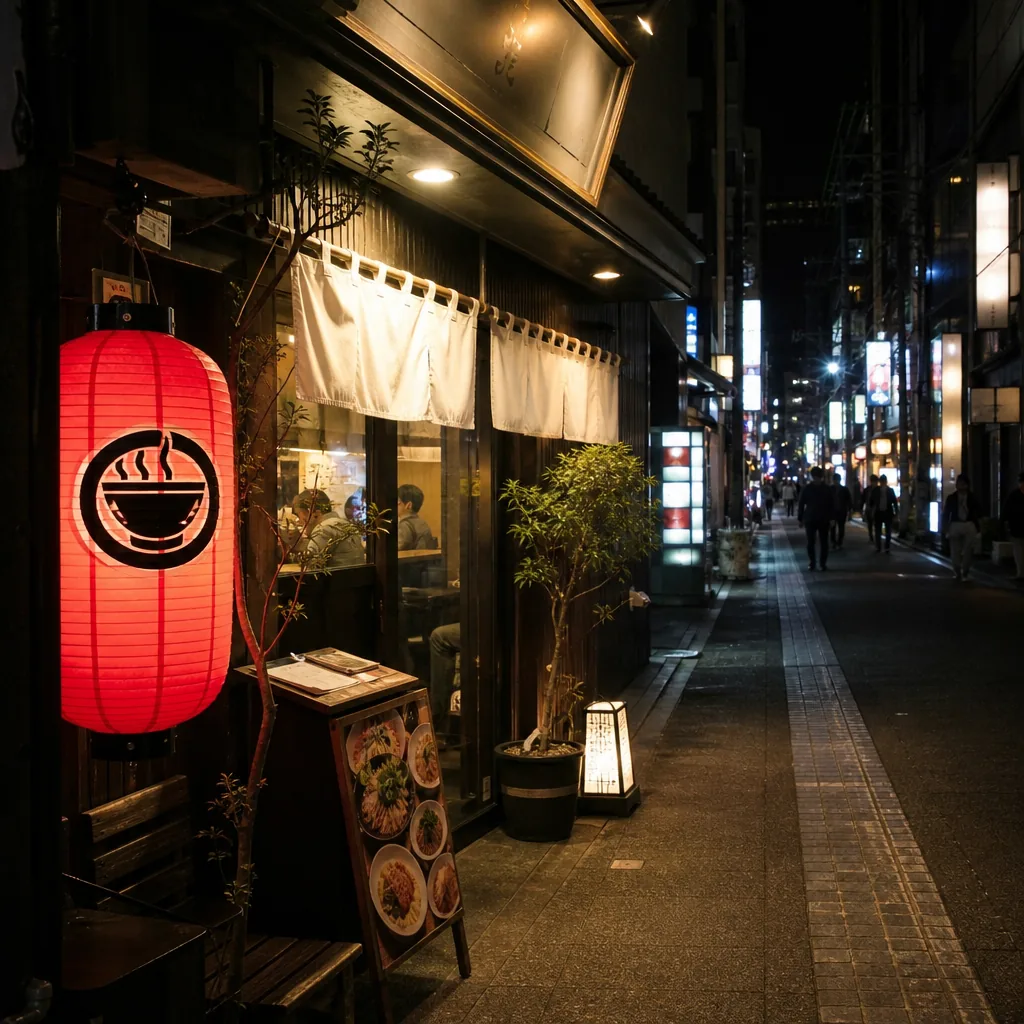
Looking for halal ramen in Kyoto after 10 p.m.? Here’s where to check, which areas are most practical, and how to verify hours and halal status.
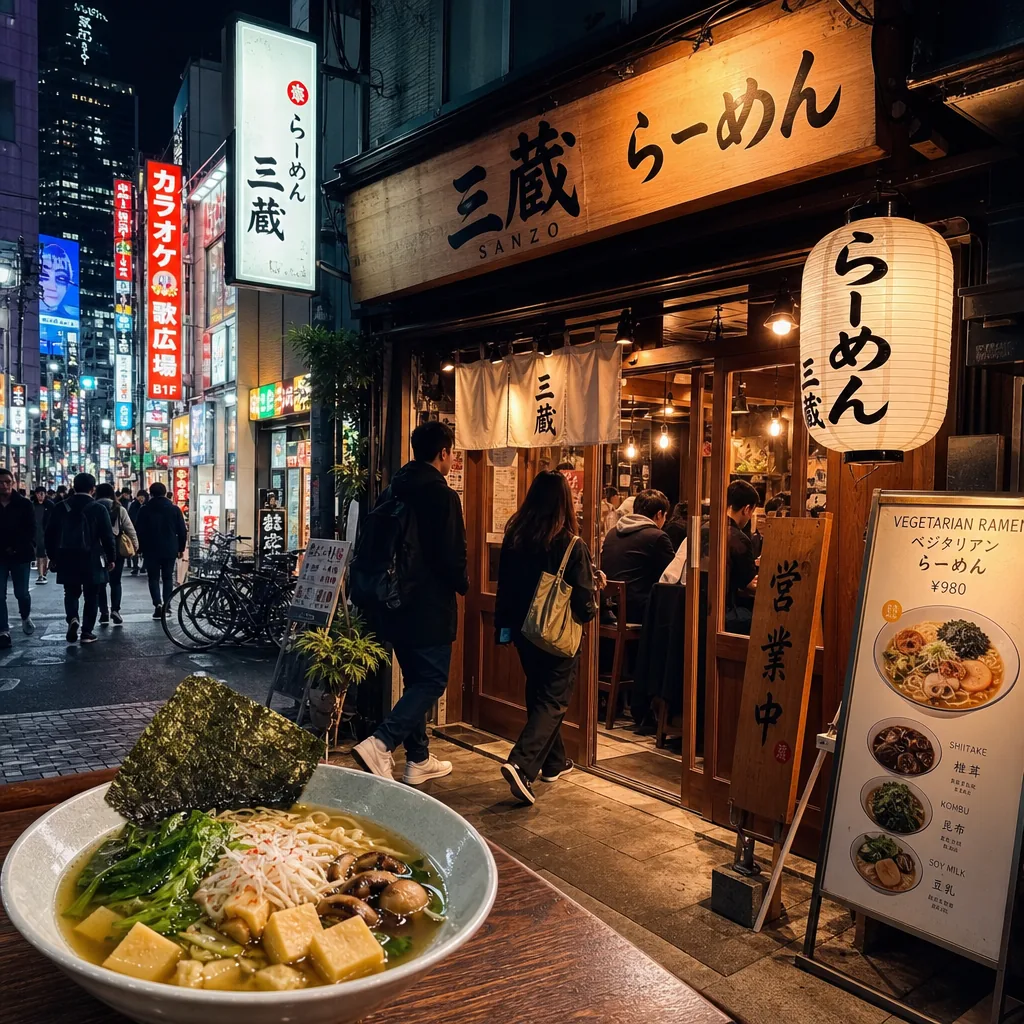
Find late-night vegetarian ramen in Tokyo by focusing on Shibuya, Shinjuku, and Roppongi, then verify broth, hours, and vegan menu details.