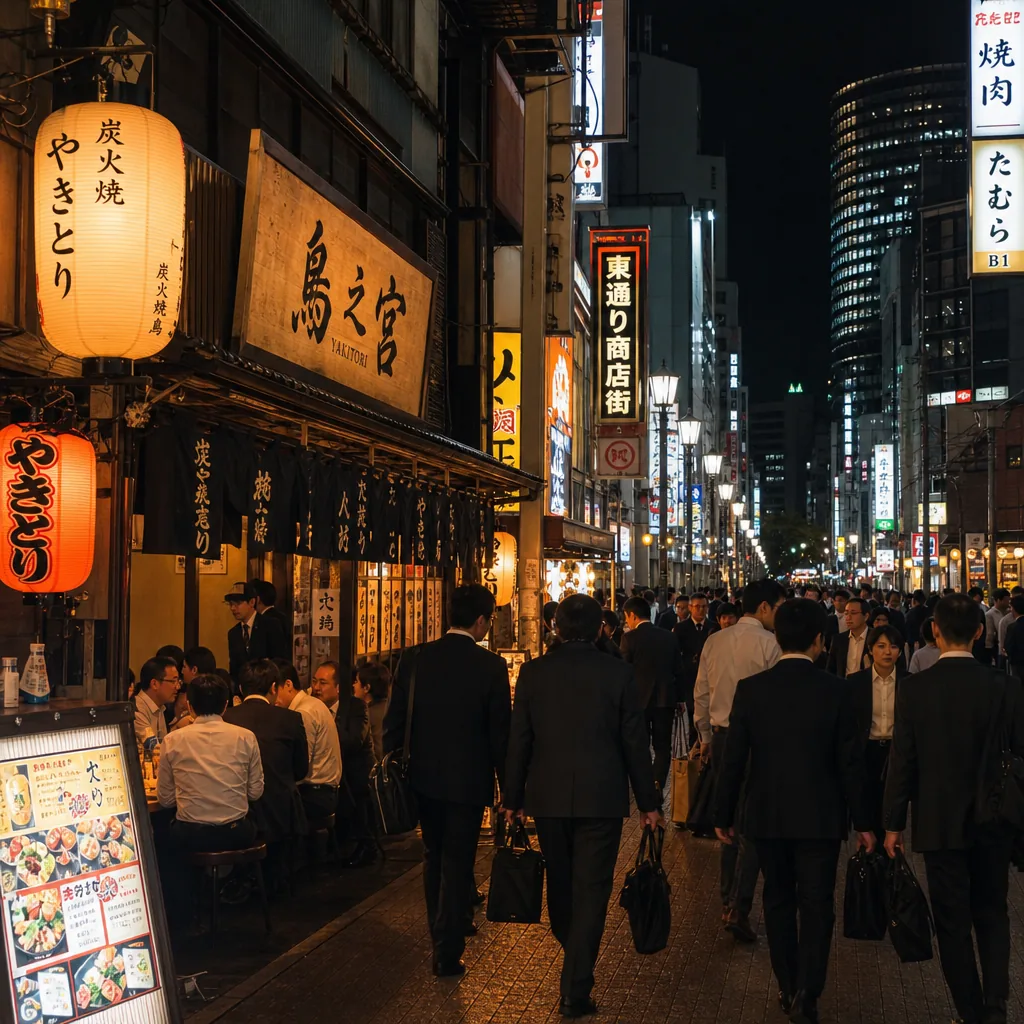
Where can I find english-friendly yakitori in Osaka after work?
Find English-friendly yakitori in Osaka after work by targeting Umeda, Namba, and Honmachi, plus booking sites and multilingual menus.
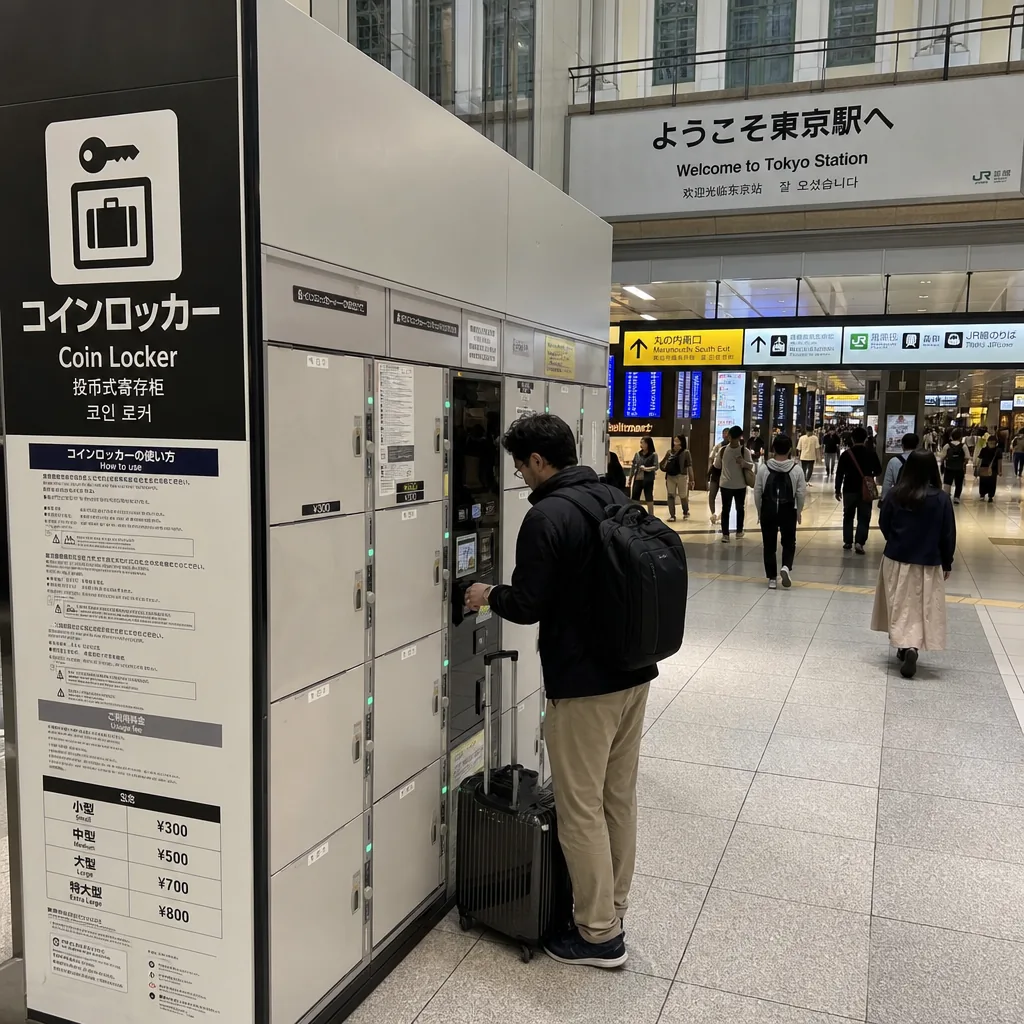
Yes—travelers can store or forward luggage at Tokyo Station to move around Tokyo more easily, especially if they are changing trains or spending a day in nearby areas like Marunouchi, Ginza, or Nihonbashi. The most practical options are coin lockers, staffed luggage counters in or near the station, and courier forwarding such as Yamato Transport’s TA-Q-BIN [1][2][3].
Tokyo Station is one of Japan’s busiest rail hubs, and Tokyo Station City lists services for visitors that include luggage-related support inside the complex [1]. For most travelers, the first choice is a coin locker search through JR East, which lets you find lockers by station and size before you arrive [2]. That matters because availability can disappear quickly during rush periods, especially on weekends, holidays, and during commuter peaks.
If you are exploring the station area, the nearby Tokyo Station Hotel and the surrounding Tokyo Station City buildings make it possible to leave bags, walk to nearby museums or offices, and return later, but only if you confirm the exact service point and opening hours in advance [1]. For a broader safety net, the Tokyo Metropolitan Government advises visitors to use official traveler information points and practical services around major terminals like Tokyo Station when planning a baggage-free day [5].
Coin lockers are the simplest short-term option. JR East’s locker search service shows locker locations and sizes, which is useful because small lockers may fit backpacks or carry-ons, while larger lockers are needed for full-size suitcases [2]. In practice, this makes lockers best for same-day storage or overnight use rather than multi-day trips.
Before you rely on a locker, check three things:
For example, if you arrive at Tokyo Station with a suitcase and plan to spend the afternoon in Marunouchi or visit Tokyo International Forum nearby, a large locker can save time and avoid backtracking. If the search tool shows no available oversized lockers, move directly to a staffed counter instead of waiting for one to open up [2].
Staffed storage counters are more flexible than lockers when your bag is too large, your timing is uncertain, or you need help in English. Tokyo Station City describes visitor-oriented services around the station complex, and JNTO notes that major transport hubs in Japan often combine lockers with manned baggage services for travelers [1][4]. This is especially helpful if you are carrying hard-shell suitcases, sports gear, or multiple bags.
Staffed counters are also a better fallback when lockers are full during peak periods. The tradeoff is that prices and acceptance rules vary by counter, so you should check the counter’s size limits, pickup window, and payment rules on arrival [1][4]. If you are connecting through Tokyo Station and want to sightsee in the Imperial Palace area or shop around Ginza, a staffed counter can be easier than hunting for the last available locker.
If you do not want to carry bags at all, forwarding is often the most convenient choice. Yamato Transport’s TA-Q-BIN service can send parcels and luggage between hotels, homes, airports, and other addresses within Japan, and JNTO recommends baggage delivery as a practical option for travelers who want hands-free movement [3][4].
The process is straightforward: you hand over your suitcase at a service counter or participating hotel, fill out the destination details, and choose the delivery date. Yamato’s service page explains that delivery timing depends on the origin, destination, and pickup time, so same-day delivery is not guaranteed and cutoffs matter [3].
That timing is important in Tokyo. If you send a bag from a hotel near Tokyo Station in the morning, it may arrive later that day only if the route and cutoff allow it; otherwise, next-day delivery is more realistic [3]. Travelers should ask the counter what time parcels are collected and when the destination normally receives them. Some hotels will also accept bags for guests, but policies differ, so confirm whether the booking name must match the label and whether they handle outbound shipments [3][4].
Costs depend on the service type, bag size, and destination. Coin lockers are generally the cheapest short-term option, while staffed counters and TA-Q-BIN cost more because they include handling or transport [2][3]. JNTO recommends checking prices and conditions before you choose a service, especially if you are carrying oversized luggage or traveling with more than one bag [4].
Use these rules of thumb:
Tokyo Station’s location makes this especially useful. You can drop a bag, visit the Kitte Marunouchi shopping complex, walk to the Tokyo Character Street area inside the station, or transfer onto JR, Shinkansen, and subway lines without dragging luggage through crowds [1][2]. 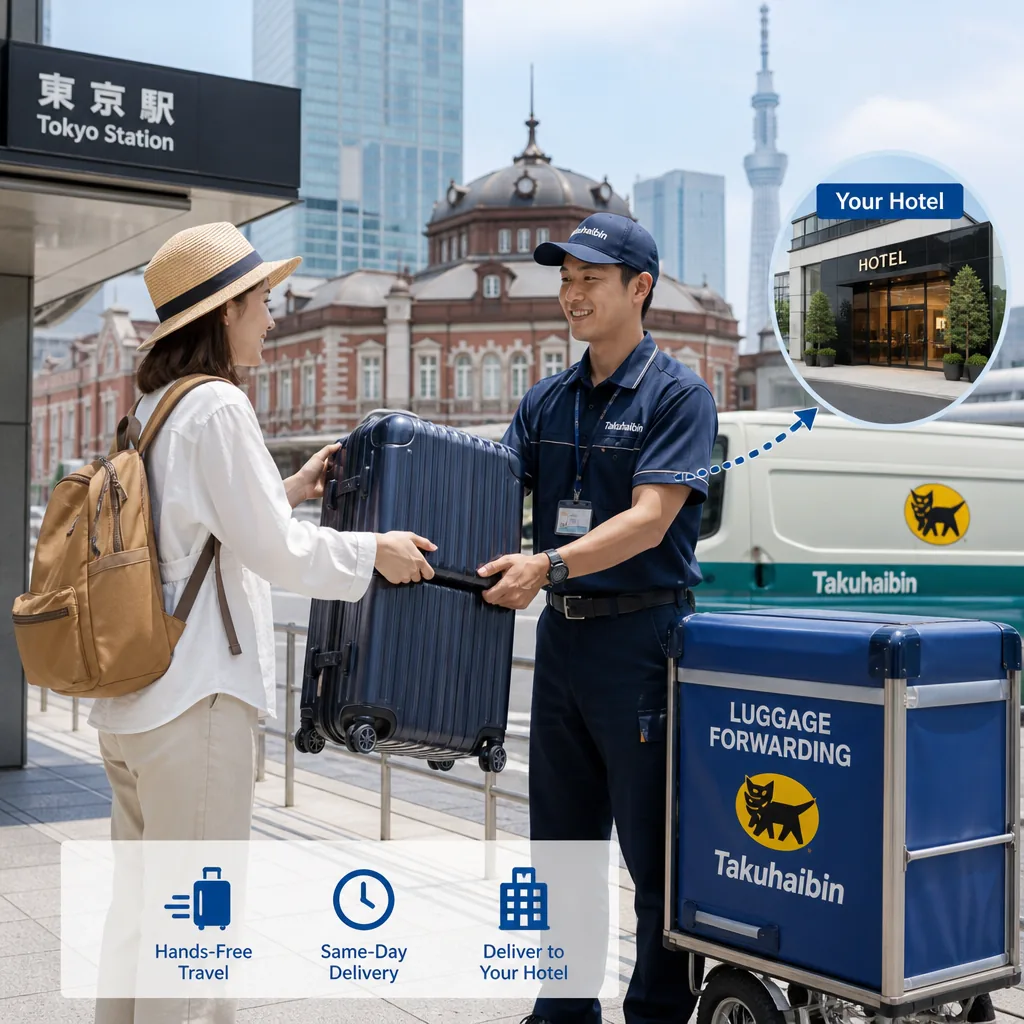
To avoid problems, keep valuables with you. Passports, medication, electronics, cash, and essential documents should stay in your day bag rather than in storage or forwarded luggage [4][5]. If you are using forwarding, also keep one change of clothes and anything you need for the next 24 hours in case of delay.
In short, Tokyo Station works well as a luggage hub because it gives you three levels of flexibility: lockers for quick stops, staffed counters for larger or unusual bags, and courier forwarding for true hands-free travel [1][2][3]. If you check sizes, hours, and delivery cutoffs before arriving, you can turn one of Tokyo’s busiest stations into a smooth starting point for the rest of your trip.
CallButler is a multilingual concierge service that handles research, coordination, and bookings so you do not have to navigate language barriers or unfamiliar systems alone. If you need help related to How can travelers use Tokyo Station luggage storage and forwarding? or the tasks around it, our team can step in to manage the details and keep things moving smoothly.
Find English-friendly yakitori in Osaka after work by targeting Umeda, Namba, and Honmachi, plus booking sites and multilingual menus.
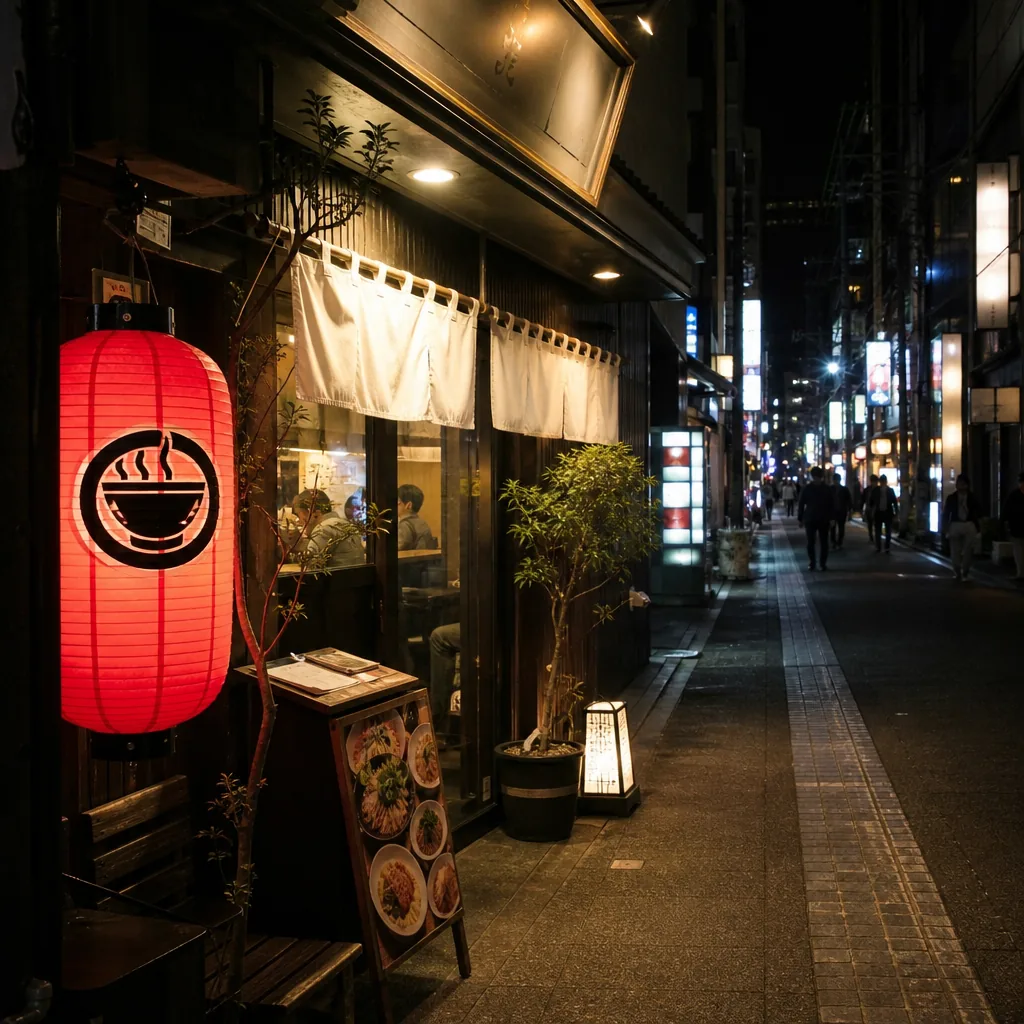
Looking for halal ramen in Kyoto after 10 p.m.? Here’s where to check, which areas are most practical, and how to verify hours and halal status.
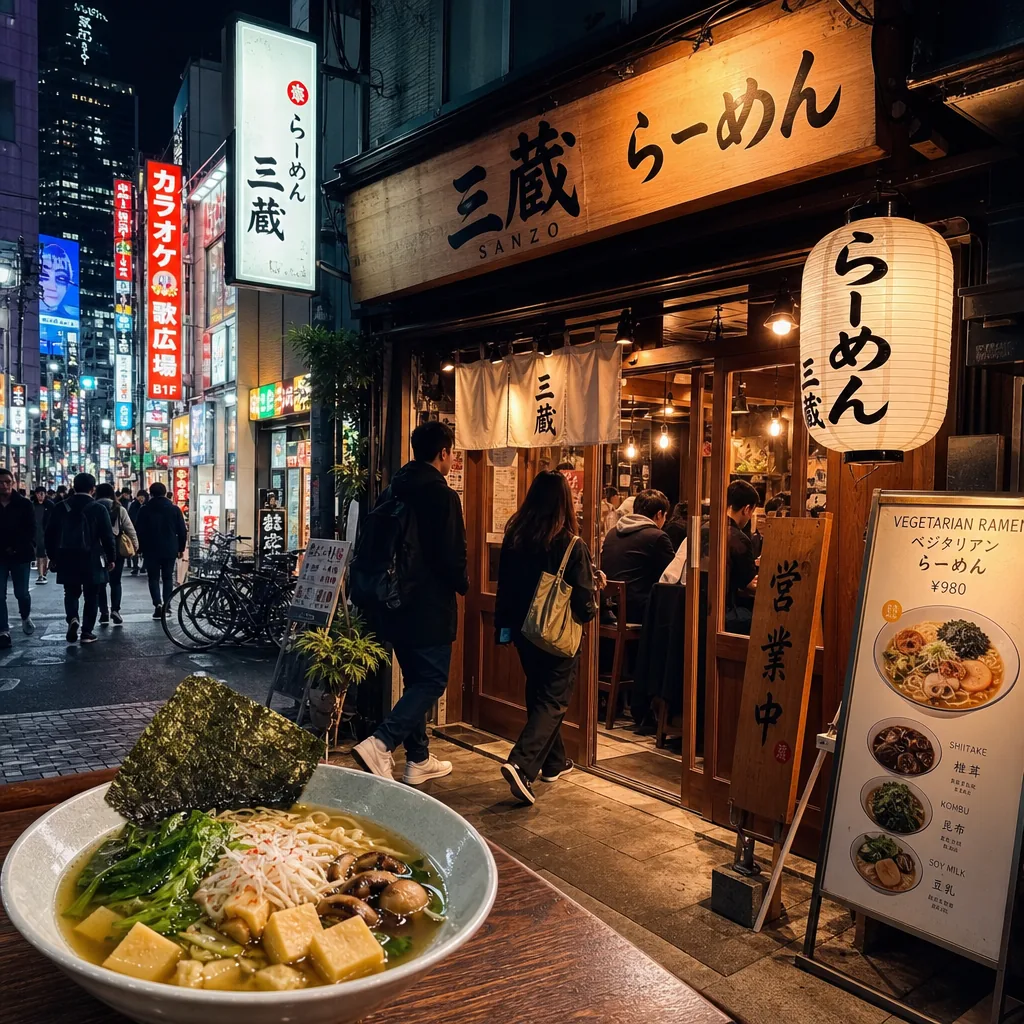
Find late-night vegetarian ramen in Tokyo by focusing on Shibuya, Shinjuku, and Roppongi, then verify broth, hours, and vegan menu details.