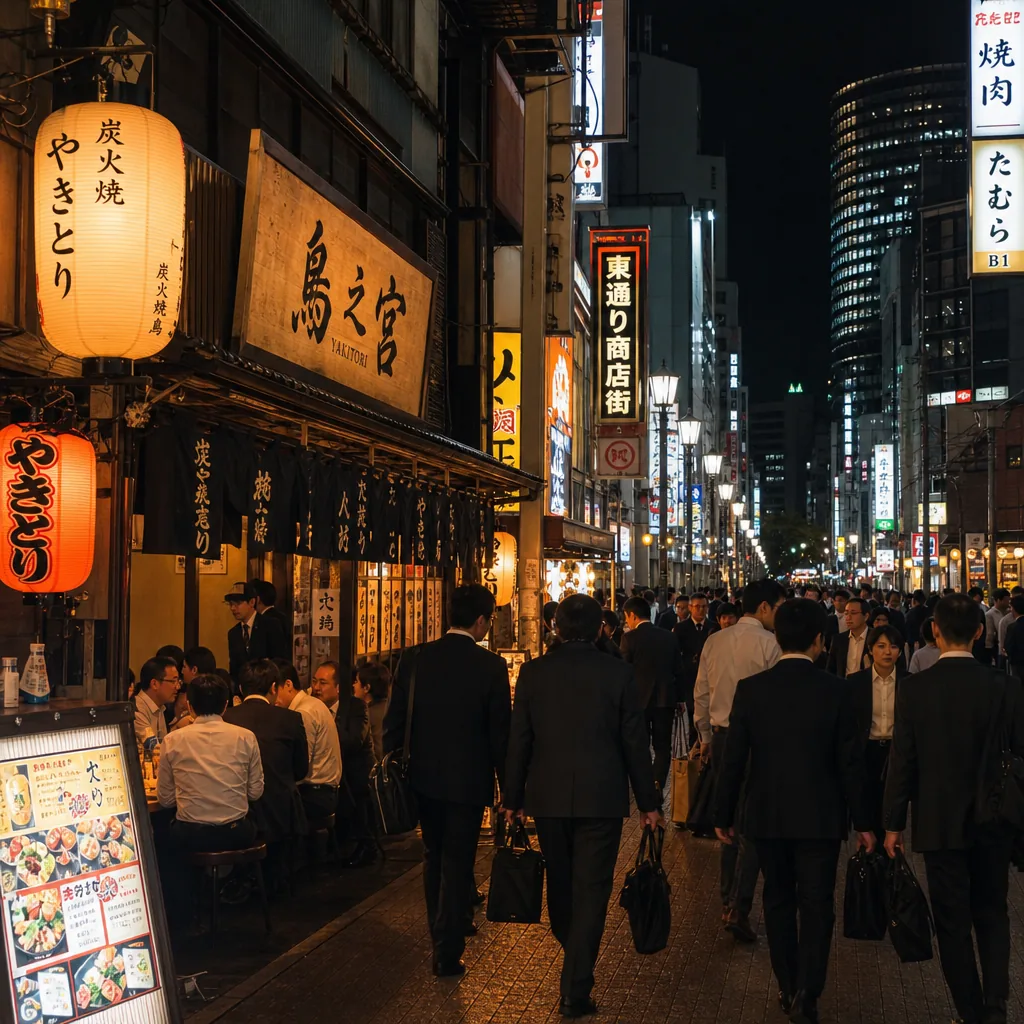
Where can I find english-friendly yakitori in Osaka after work?
Find English-friendly yakitori in Osaka after work by targeting Umeda, Namba, and Honmachi, plus booking sites and multilingual menus.
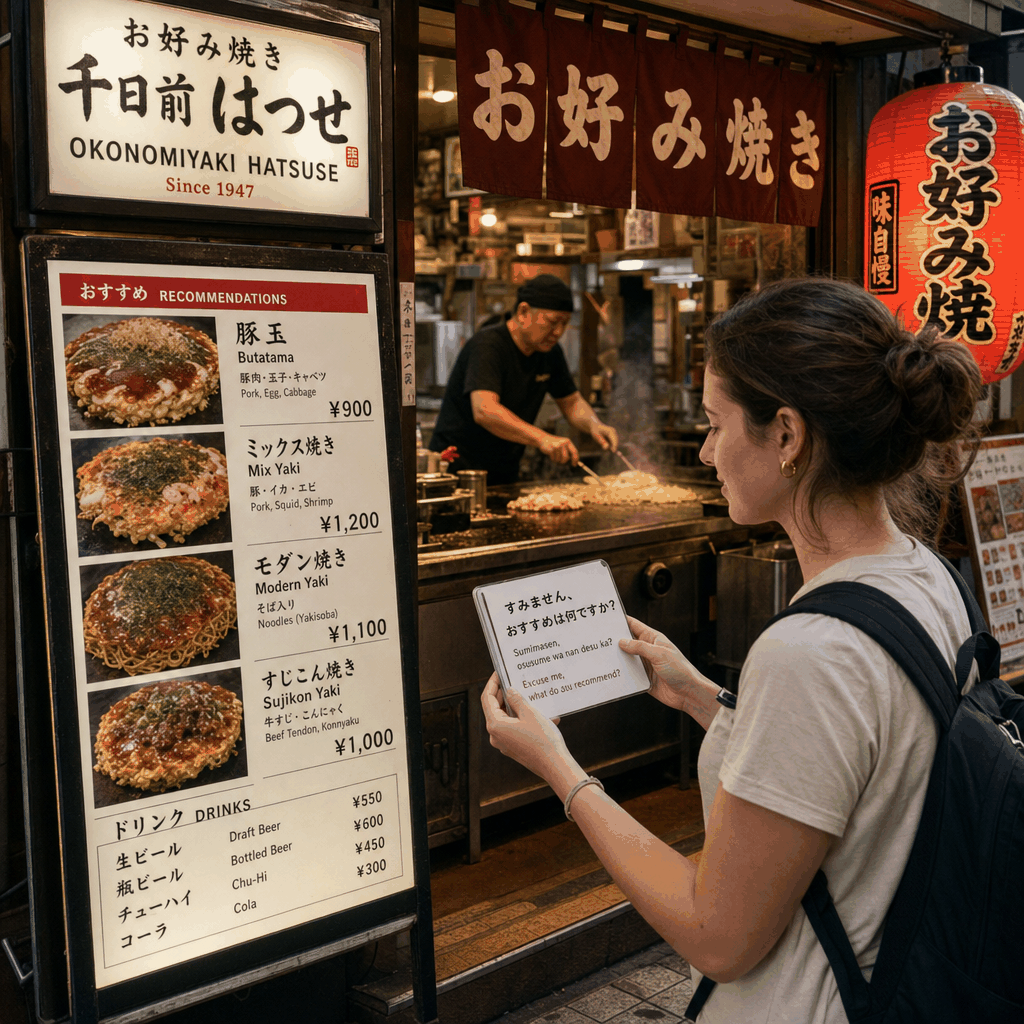
Yes—vegetarian okonomiyaki is possible to order in Osaka, but you need to be very specific about ingredients, especially dashi, meat, fish, and shared cooking equipment. Osaka’s tourism guidance says travelers should confirm dietary needs in advance, because terms like “vegetarian” are not always understood the same way by every restaurant [1][2].
Okonomiyaki is often described as a savory Japanese pancake, but in Osaka the classic version commonly includes pork, seafood, or both, and the batter or seasoning may contain dashi. JNTO notes that soup stocks, sauces, and batter bases can hide animal-derived ingredients, so a dish that looks vegetable-based may still not be vegetarian [2][4].
That means the main challenge is not just removing toppings. You need to confirm the base batter, the sauce, and whether the same grill, spatula, or cooking surface is used for meat and fish. Osaka’s official vegetarian/vegan guide also advises checking ingredients carefully and not assuming a dish is safe just because it appears to contain only vegetables [3].
In practical terms, your goal is to ask for a version with no meat, no seafood, and no dashi, then confirm whether the kitchen can cook it separately. Some shops can do this; others are too specialized to adjust [3][5].
Using short, direct Japanese phrases is the easiest way to avoid confusion. JNTO and Osaka tourism both recommend writing dietary restrictions in Japanese when possible, especially in restaurants where staff may not speak much English [1][2].
A written note can help if pronunciation is a concern. MAFF’s dietary-restrictions guidance emphasizes that ingredient labels and menu terms may not be obvious, so showing your request in Japanese can reduce mistakes [4].
For okonomiyaki, dashi is the most important hidden ingredient to verify. Even if the filling is just cabbage and vegetables, the batter may still be mixed with stock that contains bonito or other fish ingredients [2][4]. Ask directly, “Dashi wa haitte imasu ka?” and do not rely on a general “no meat” answer.
Sauce matters too. Osaka’s tourism materials explain that allergy and dietary checks should cover more than the main ingredients, because condiments and prepared sauces can contain animal-derived components [1][3]. If a shop uses a house sauce, ask whether it is vegetarian. When in doubt, request plain grilled batter or sauce on the side so you can verify what is included.
Cooking equipment is the other issue. Many okonomiyaki restaurants in Osaka use shared teppan grills for pork, squid, shrimp, and vegetables. If the shop can only cook on a shared surface, the dish may not meet strict vegetarian standards even if the ingredients are adjusted [2][5]. Politely ask whether separate tools are available before ordering, especially at busy counter-style shops.
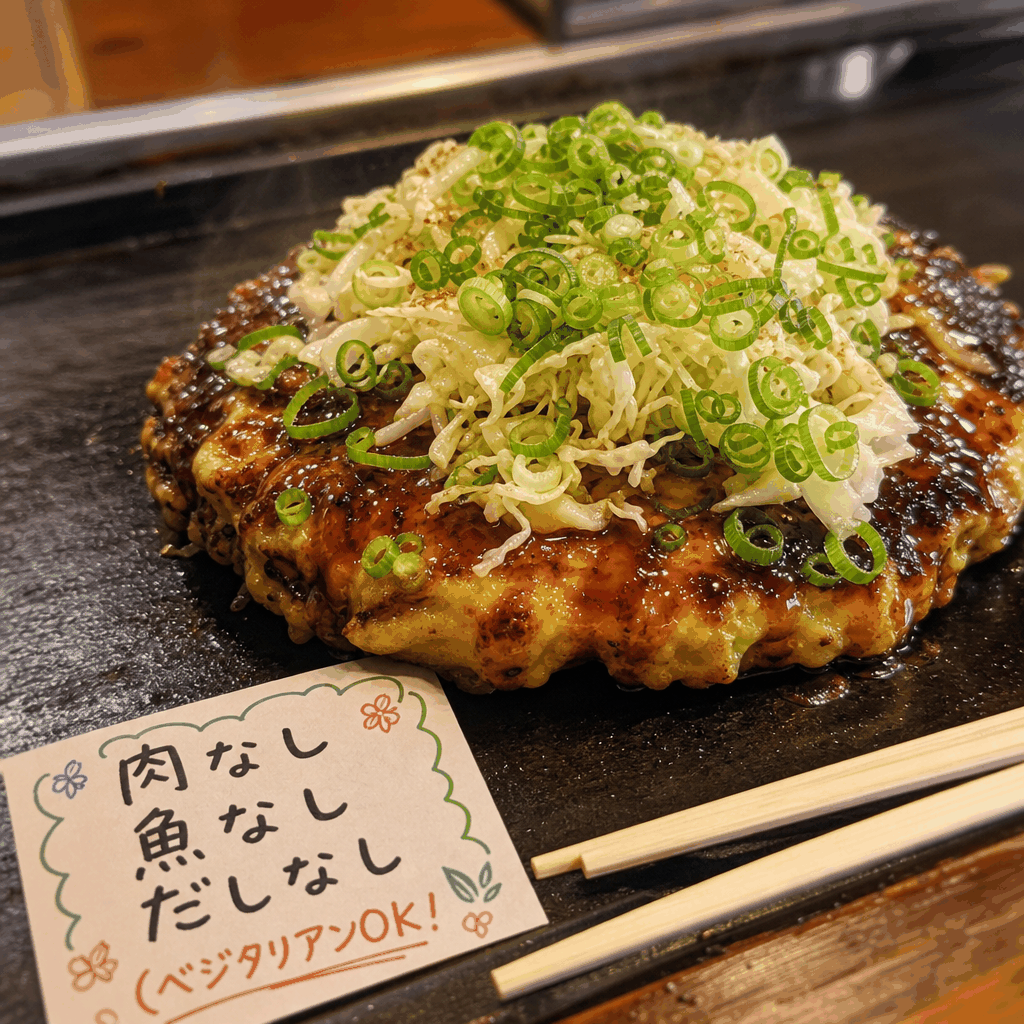
Osaka still has traditional okonomiyaki shops, but your best odds are at places that already label vegetarian or vegan menu items. Osaka Convention & Tourism Bureau highlights that some restaurants in the city provide vegetarian-friendly menus, and JNTO recommends searching for clearly marked options instead of assuming a classic shop can adapt every dish [1][2].
Good places to focus your search include downtown areas with more international visitors and multi-option dining. In Osaka, that often means neighborhoods such as Namba, Umeda, and the area around Osaka Station, where restaurants are more likely to publish English menus or dietary notes [1]. If you are near well-known sightseeing spots, check whether the nearby restaurants list vegetarian options online before you go.
Named places worth checking in the city include Osaka Castle, Dotonbori, and Shinsaibashi. These are not vegetarian guarantees, but they are useful reference points because nearby restaurants often cater to travelers and may be easier to research in advance through the official Osaka travel site [1]. The same applies around Umeda and the transport hubs near Osaka Station, where you can compare menus before sitting down [1][3].
If a traditional okonomiyaki shop cannot meet your needs, Osaka’s vegetarian/vegan guidance recommends switching to clearly labeled vegetarian restaurants and cafes rather than trying to negotiate a risky modification at the counter [3]. That is often the fastest and most reliable solution if you need to avoid both fish stock and cross-contact.
The most useful habit is to check before you arrive. Osaka tourism and JNTO both recommend confirming ingredients in advance, especially for dishes with batter, sauce, or broth [1][2]. A quick look at the restaurant’s website or map listing can save time and prevent awkward conversations at the table.
If you want to maximize your chances of success, aim for lunch rather than peak dinner hours. Staff are often less rushed, which makes it easier to ask follow-up questions about the batter, stock, and cooking surface. For visitors who want the Osaka food experience without compromising vegetarian rules, the combination of advance research, simple Japanese phrases, and a willingness to choose a clearly labeled restaurant is the safest path [1][2][3].
CallButler is a multilingual concierge service that handles research, coordination, and bookings so you do not have to navigate language barriers or unfamiliar systems alone. If you need help related to How can I order vegetarian okonomiyaki in Osaka? or the tasks around it, our team can step in to manage the details and keep things moving smoothly.
Find English-friendly yakitori in Osaka after work by targeting Umeda, Namba, and Honmachi, plus booking sites and multilingual menus.
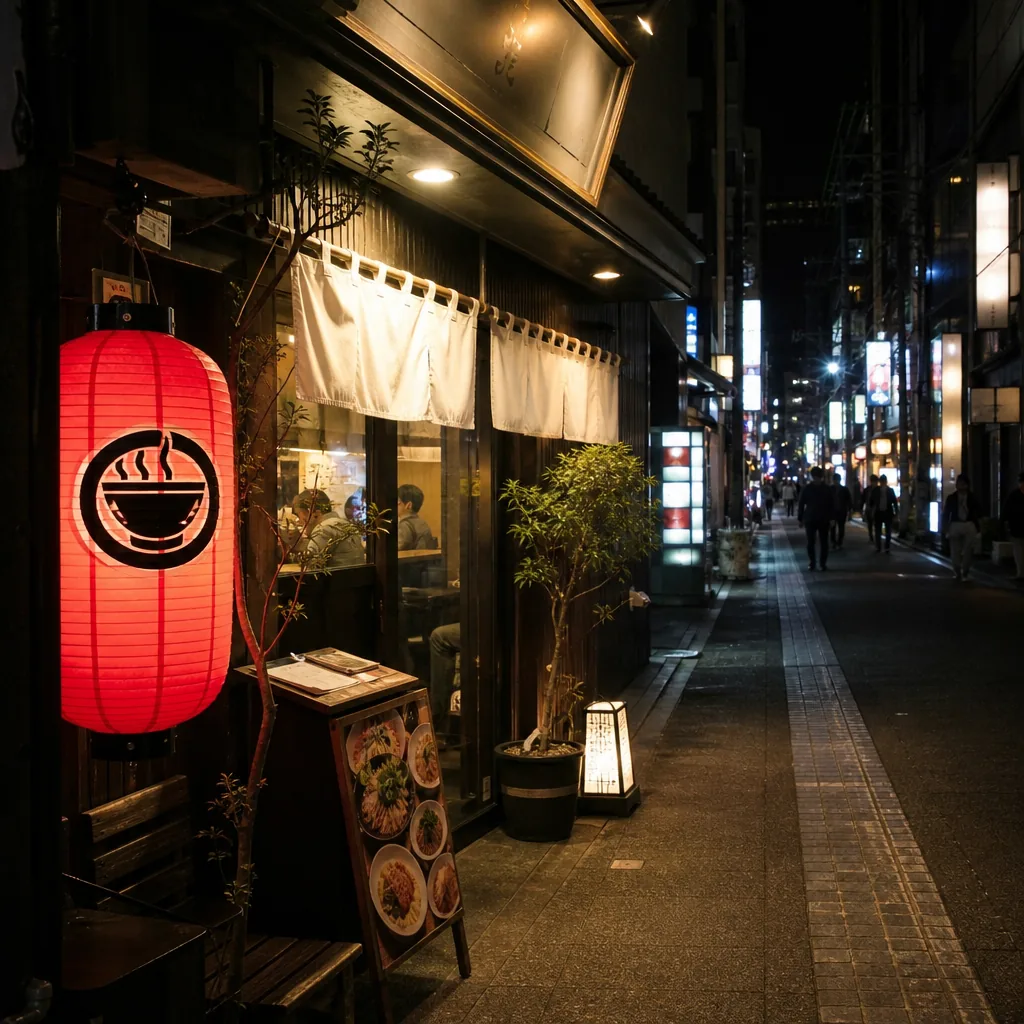
Looking for halal ramen in Kyoto after 10 p.m.? Here’s where to check, which areas are most practical, and how to verify hours and halal status.
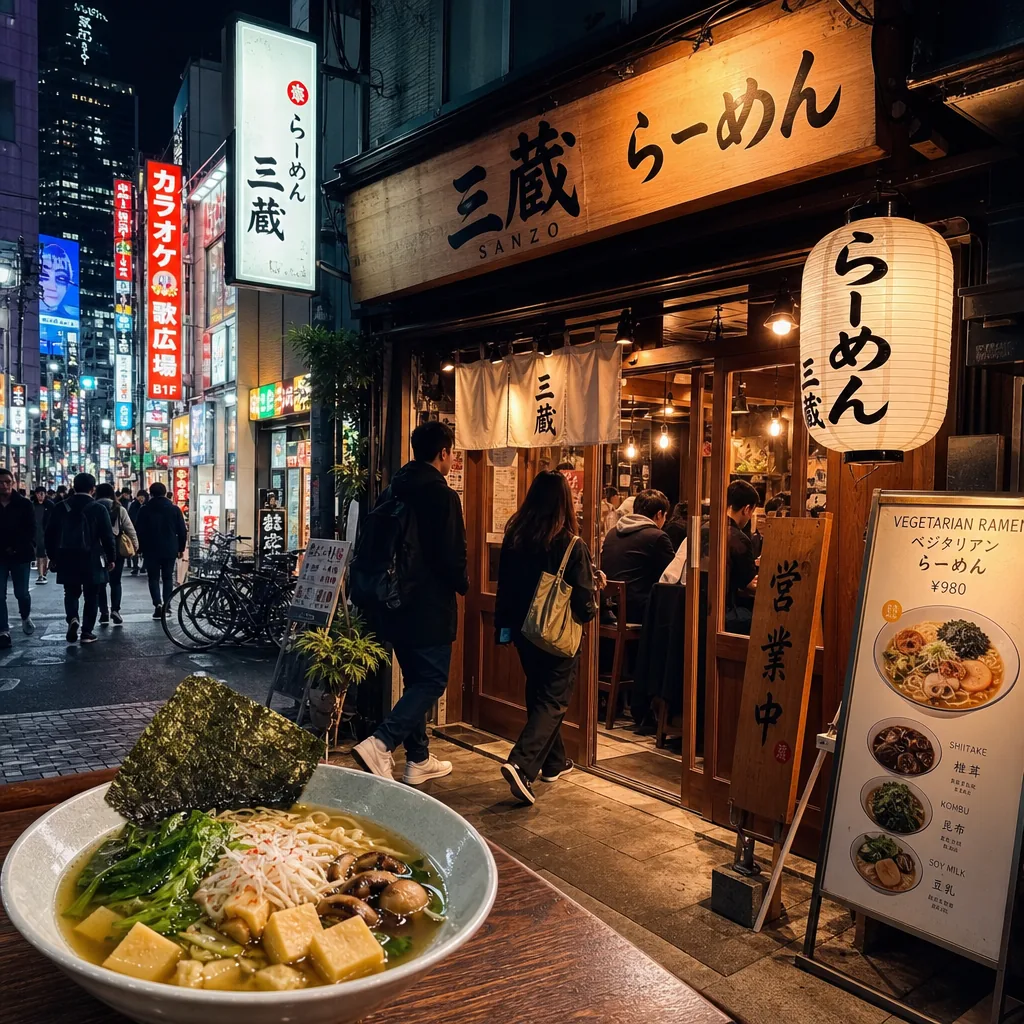
Find late-night vegetarian ramen in Tokyo by focusing on Shibuya, Shinjuku, and Roppongi, then verify broth, hours, and vegan menu details.