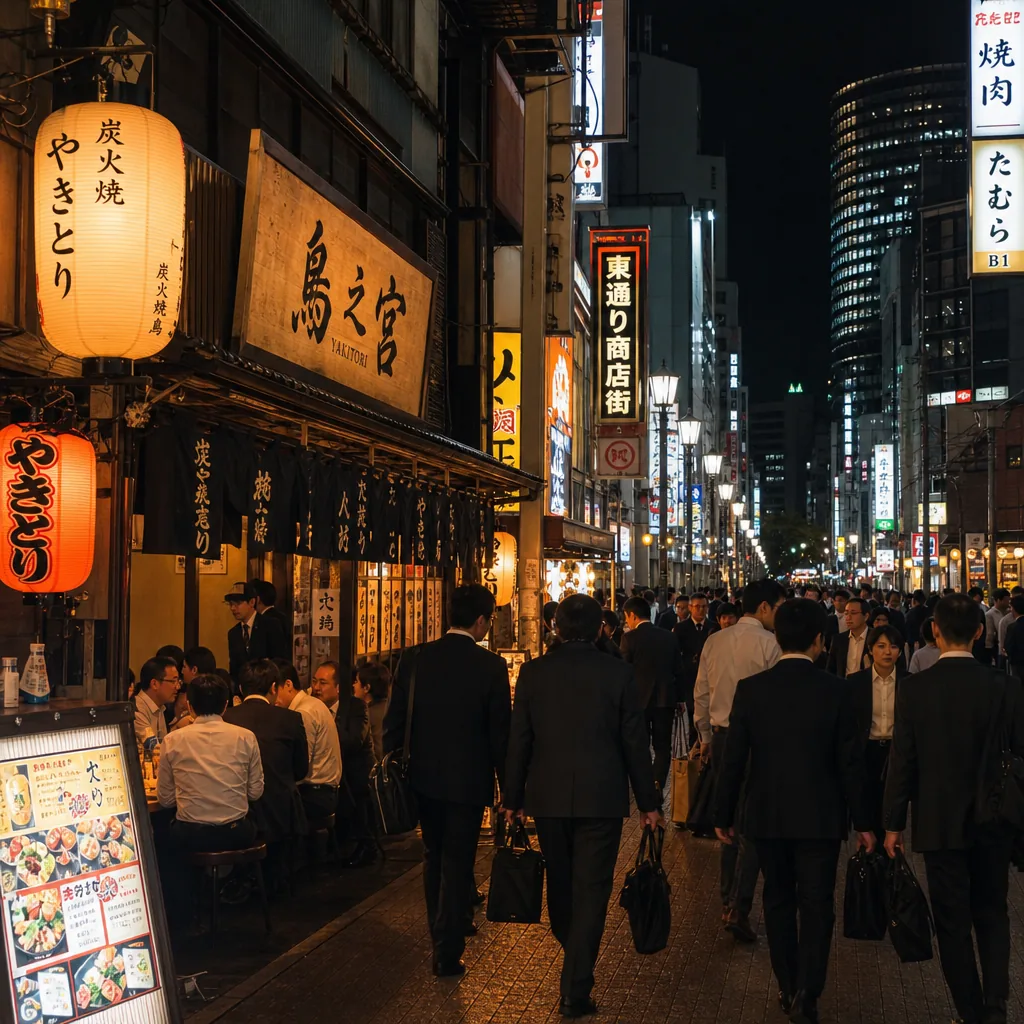
Where can I find english-friendly yakitori in Osaka after work?
Find English-friendly yakitori in Osaka after work by targeting Umeda, Namba, and Honmachi, plus booking sites and multilingual menus.
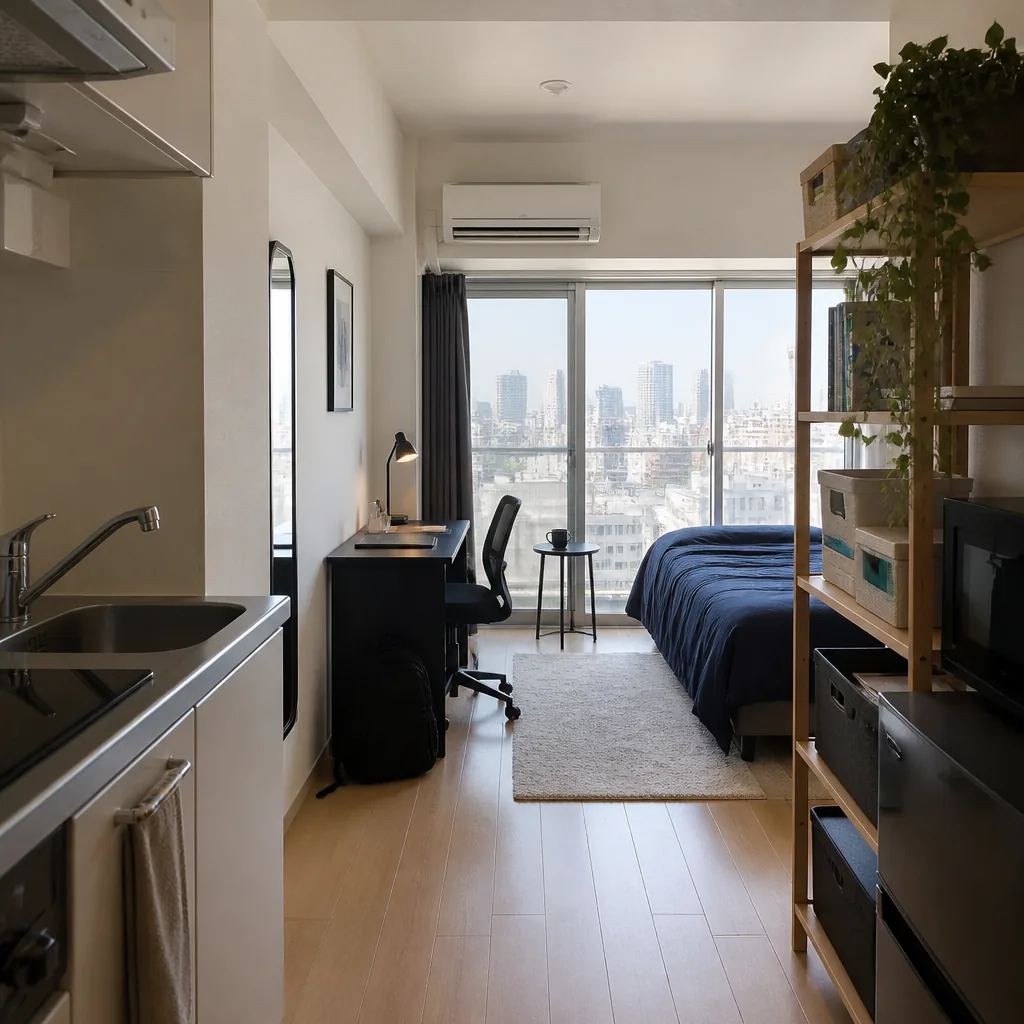
Yes—short-term furnished apartments in Tokyo are usually found as monthly apartments, serviced apartments, or temporary housing rather than standard long-term rentals. The fastest way to find a good one is to search both English and Japanese, then compare total move-in costs, utilities, and station access before booking.
In Tokyo, “furnished” often means more than a bed and table: listings may include furniture, appliances, kitchen basics, Wi-Fi, and sometimes cleaning service. Tokyo’s official tourism information notes that accommodation options for longer stays include apartment-style stays and serviced apartments, which are common choices for visitors and temporary residents [1].
The key is to read the listing language carefully. A “monthly apartment” in Tokyo can be a compact studio with utilities and internet bundled in, while a serviced apartment may offer more hotel-like support and housekeeping. A temporary housing listing may be designed for stays of one month or longer, sometimes with fewer furnishings than a serviced apartment but lower prices than a hotel.
Start with platforms that already specialize in short-term Tokyo stays. SUUMO has a dedicated Tokyo monthly apartment search page, which is useful for comparing neighborhoods and rent ranges [2]. Leopalace21 also offers English-language monthly apartment information, and many of its units are set up for short stays with furniture and appliances included [3].
If you want more flexible shared or hybrid housing, Oakhouse lists furnished share houses and monthly options in the Tokyo area [4]. For travelers who want a housing option with longer-stay stability, the Urban Renaissance Agency (UR) provides English information about rental housing, which can help you understand public-sector-style options even if not every unit is short-term friendly [5].
Tokyo Convention & Visitors Bureau’s accommodation guide is also useful as a neutral reference point when you are comparing accommodation styles across the city [1].
Searching in Japanese often produces more and better listings. Use the terms below in combination with a neighborhood name, station name, or train line. This matters because many Tokyo listings are indexed in Japanese first, even when a provider has English pages.
For example, searching “新宿 マンスリーマンション 家具付き” can surface furnished monthly units near Shinjuku, while “渋谷 サービスアパートメント” may bring up higher-end apartment-style stays near Shibuya. If you have a commute target, add the station name rather than just the ward name.
Do not compare only the advertised monthly rent. In Tokyo, the listed price may leave out utilities, internet, cleaning, bedding, and taxes, so always calculate the full stay cost first. A unit that looks cheap at first can become expensive once you add move-in charges and mandatory services.
Check these items before paying a deposit:
Also confirm the exact room size, not just the building type. Tokyo short-term apartments can be very compact, and layout matters if you plan to work from home or stay for several weeks.
In Tokyo, station access matters more than distance on a map. A place that looks close to your destination can still take much longer if it is not near a JR, Tokyo Metro, or private railway station. Before booking, check the walk time to the station and then verify the train line connection to your daily destination.
If you are staying for study, work, or internship purposes, prioritize neighborhoods with simple transfers rather than chasing the cheapest rent far from central Tokyo. Shinjuku, Shibuya, Ikebukuro, and Ueno are major transport hubs, but they are not always the cheapest. Outer but well-connected areas may offer better value if they are on a direct line to your destination.
For example, a furnished monthly apartment near a station on the JR Yamanote Line can save time on transfers even if the room itself costs more. In a city as large as Tokyo, that trade-off often makes sense for a short stay [1].
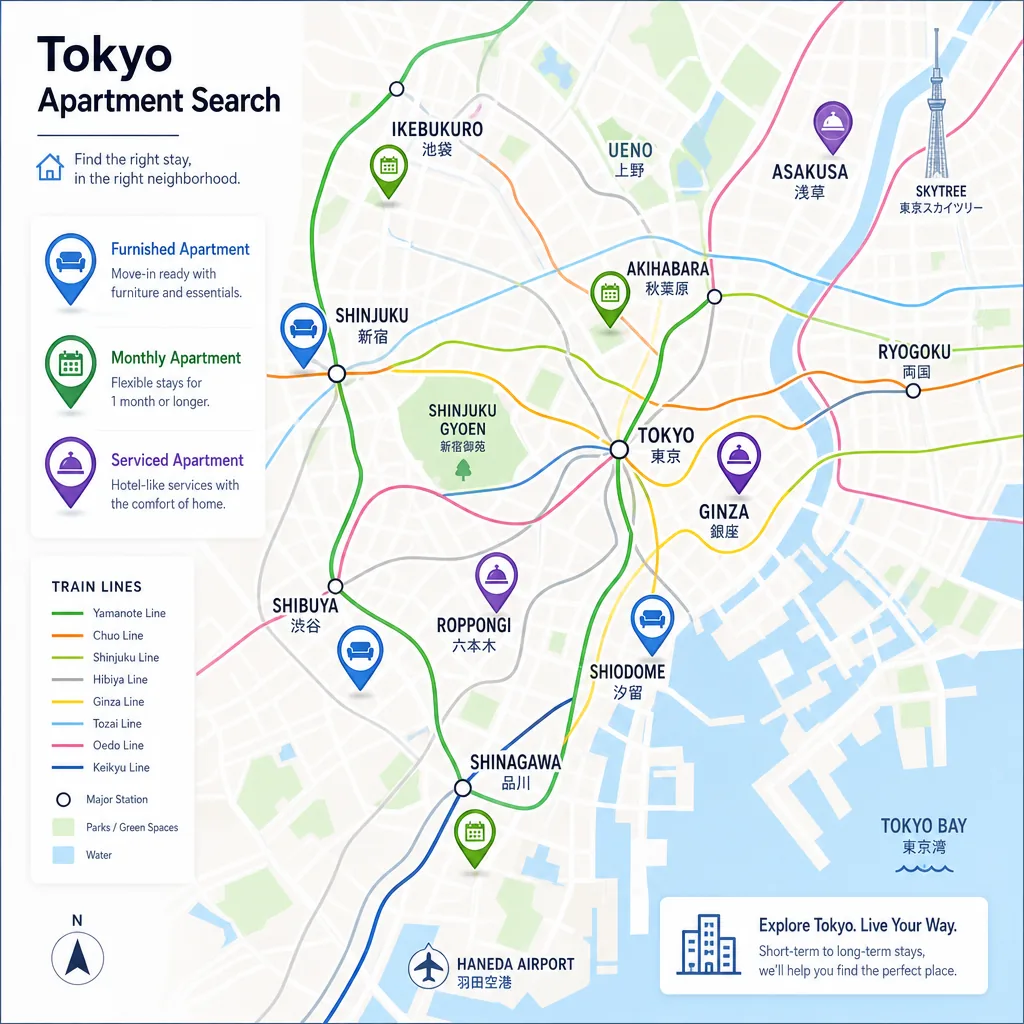
Short-term furnished housing in Tokyo often comes with a different fee structure than a standard yearly lease. You may see monthly rent, a one-time cleaning fee, a security deposit, or a reservation fee. Some providers bundle utilities and internet into one price, while others bill separately based on actual use.
Pay attention to the following:
Leopalace21 and similar monthly providers usually make it easier to see what is included at a glance, while marketplace-style searches may require closer comparison across multiple listings [3]. If the listing is vague, ask for a full cost breakdown before you reserve.
If you cannot find the right furnished apartment in your target Tokyo neighborhood, do not stop there. Serviced apartments and extended-stay hotel-style properties are common backup options, especially for visitors who need predictable check-in and simple billing. Tokyo’s tourism accommodation information reflects this broader mix of stay types, including apartment-style and serviced options [1].
Another practical alternative is a furnished share house through a provider like Oakhouse, especially if you want lower upfront costs and are comfortable sharing common areas [4]. This can be a smart option for students, freelancers, and people staying one to three months.
If you need more stability or are staying longer, UR’s rental housing information can help you understand how Tokyo’s housing system works and what kinds of longer-term options may be available [5]. Even when UR is not the final answer, it is useful for understanding the housing landscape before you commit.
The most effective approach is to search in layers: first in English on Tokyo-focused providers, then in Japanese using monthly apartment and furnished terms, and finally by station rather than ward. Compare the full cost, the included amenities, and the transit time before deciding. In Tokyo, the best short-term furnished apartment is usually the one that balances price, station access, and clear contract terms—not just the one with the lowest headline rent.
CallButler is a multilingual concierge service that handles research, coordination, and bookings so you do not have to navigate language barriers or unfamiliar systems alone. If you need help related to How can I find short-term furnished apartments in Tokyo? or the tasks around it, our team can step in to manage the details and keep things moving smoothly.
Find English-friendly yakitori in Osaka after work by targeting Umeda, Namba, and Honmachi, plus booking sites and multilingual menus.
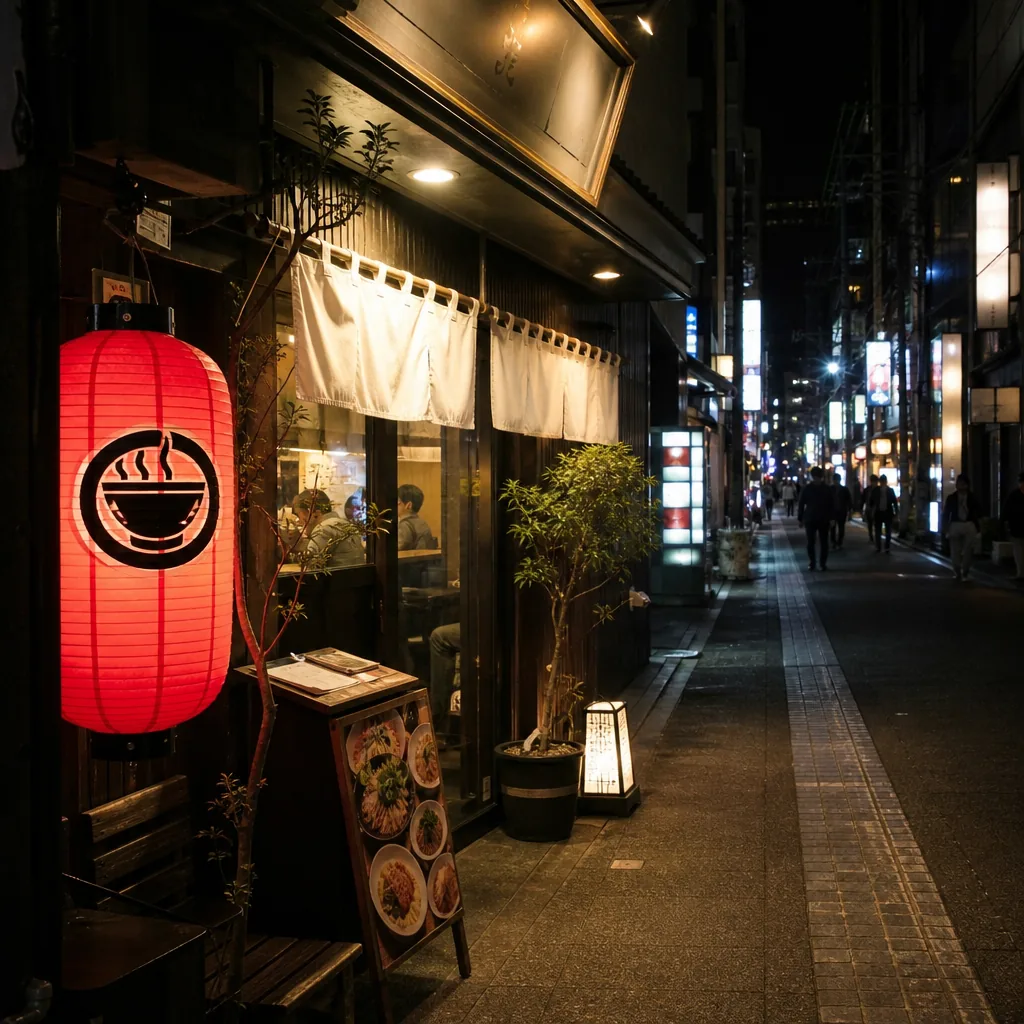
Looking for halal ramen in Kyoto after 10 p.m.? Here’s where to check, which areas are most practical, and how to verify hours and halal status.
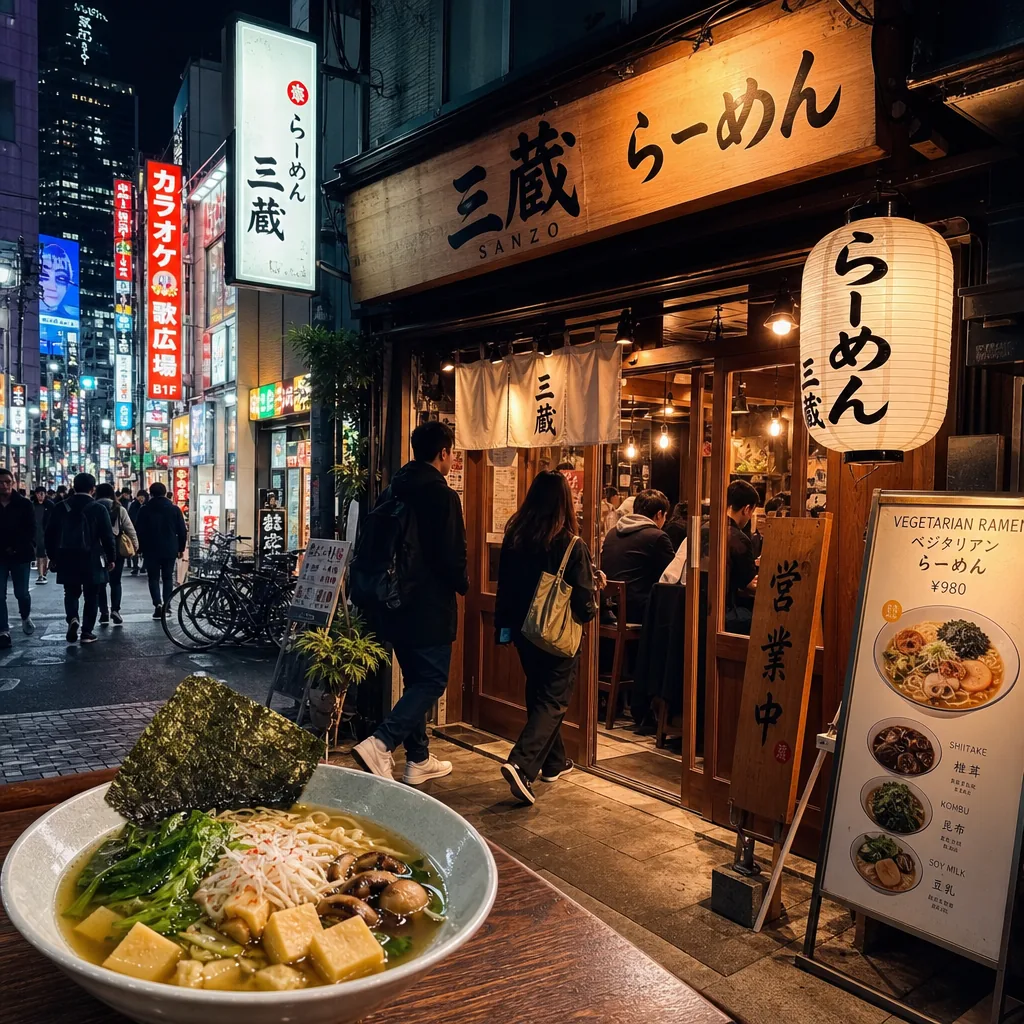
Find late-night vegetarian ramen in Tokyo by focusing on Shibuya, Shinjuku, and Roppongi, then verify broth, hours, and vegan menu details.