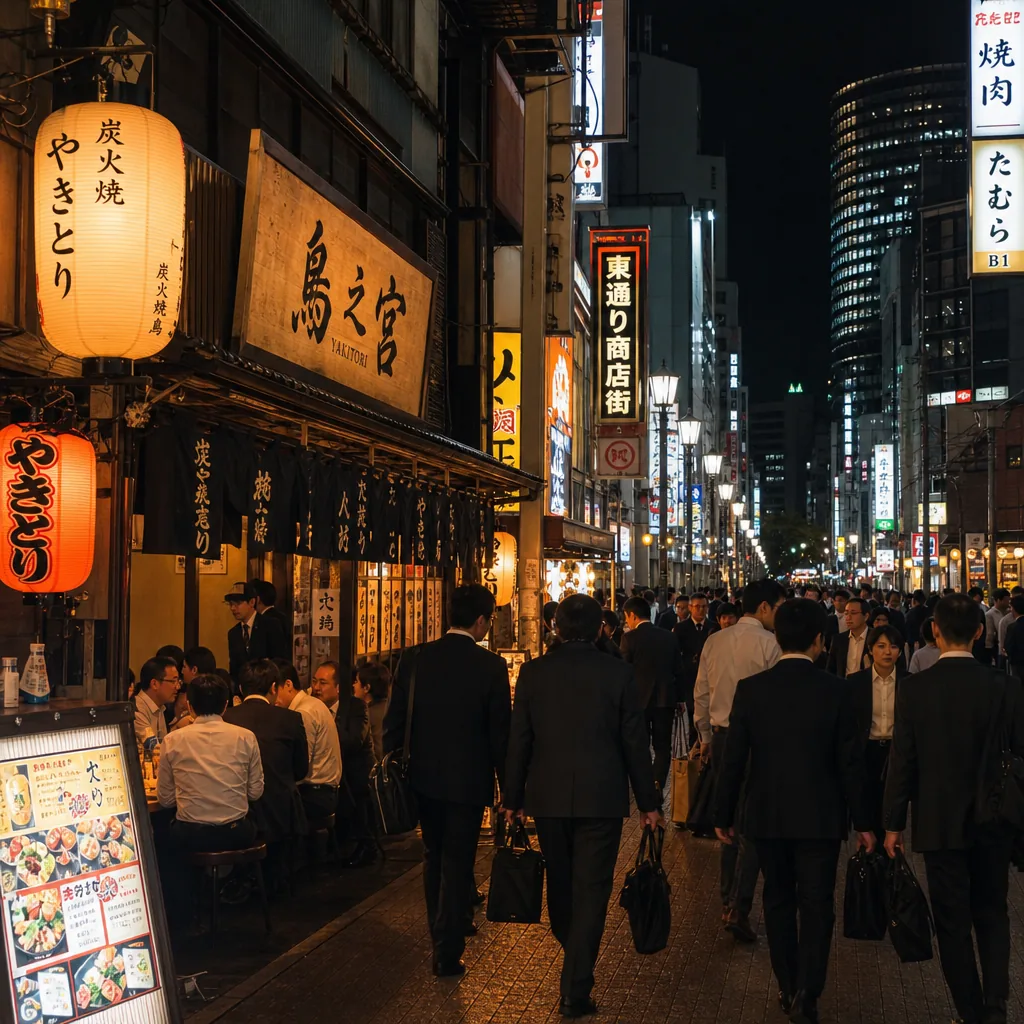
Where can I find english-friendly yakitori in Osaka after work?
Find English-friendly yakitori in Osaka after work by targeting Umeda, Namba, and Honmachi, plus booking sites and multilingual menus.
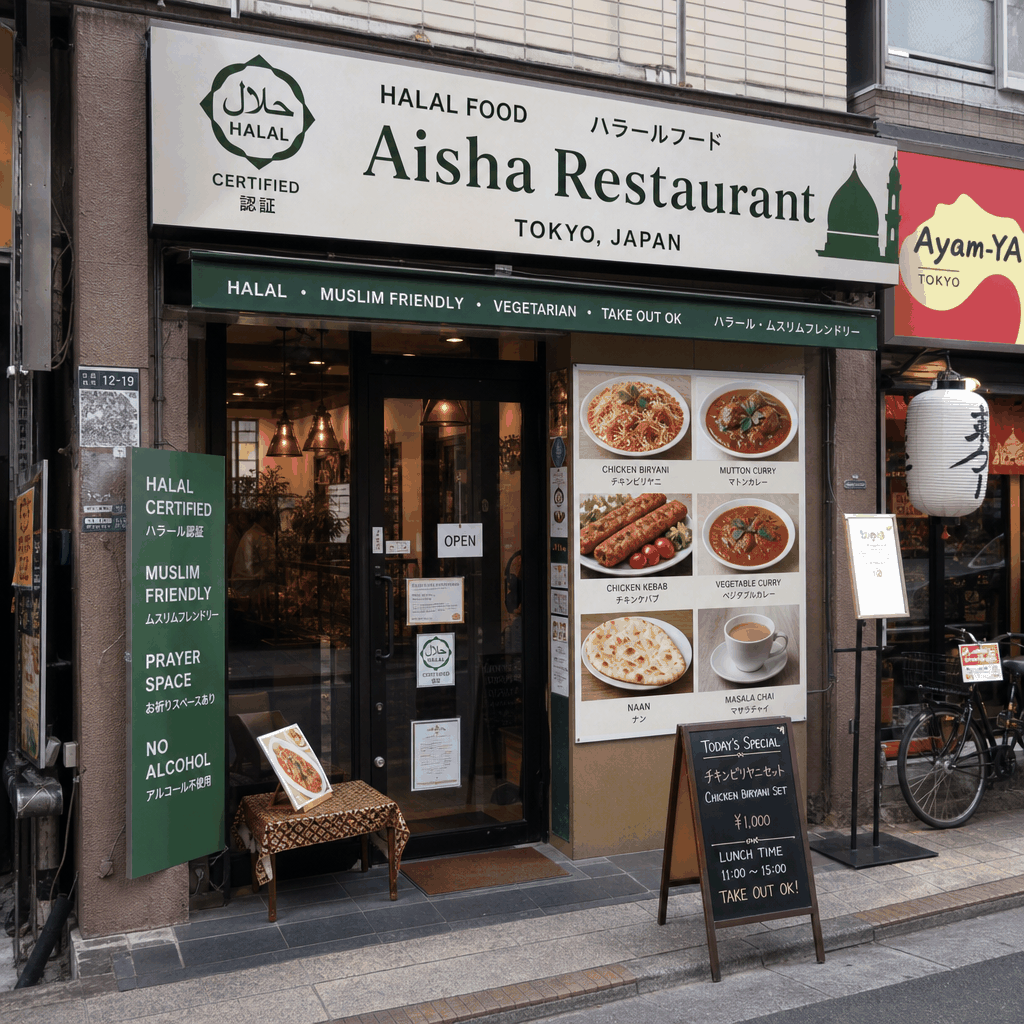
Yes—expats can find halal-certified restaurants in Tokyo by checking recognized certification bodies, using Tokyo tourism guides, and confirming the restaurant’s current status before they go. The most reliable approach is to verify the certifier name and certificate details, because “halal-certified,” “halal-friendly,” and pork- or alcohol-free are not the same thing [1][2][3][4].
In Tokyo, “halal-certified” should mean a restaurant has been reviewed by a halal certification organization and is using ingredients and kitchen practices that match that certifier’s standards. Tokyo Convention & Visitors Bureau (TCVB) notes that visitors should look carefully at halal labels and supporting information, since not every Muslim-friendly restaurant is fully certified [1][2].
This distinction matters because a restaurant may advertise halal dishes while still using shared cooking equipment, alcohol in sauces, or non-halal ingredients elsewhere in the kitchen. The safest method is to treat certification as a starting point, not a guarantee, and then verify the details yourself [1][3][4].
Start with Tokyo’s official tourism resources. TCVB’s Muslim information page and its Tokyo halal food guide are specifically designed to help travelers and residents locate Muslim-friendly dining options across the city [1][2]. These guides are useful because they point you toward restaurants that have already been screened or listed in a tourism context, which saves time when you are new to Tokyo.
Next, check recognized halal certifiers such as the Japan Halal Association and NPO Japan Halal Foundation. Both organizations publish English-language information about halal certification and can help you confirm whether a restaurant, food producer, or menu claim is backed by an actual certification process [3][4].
For neighborhood-specific searches, Shinjuku Convention & Visitors Bureau has a Muslim-friendly Shinjuku page that highlights dining support in one of Tokyo’s busiest districts [5]. That is especially practical if you are staying near Shinjuku Station and want nearby options instead of crossing the city for every meal.
The key is to check the restaurant’s current status on the certifier’s official site, not just on a review platform or social media post. Certification can change over time, and a page that was accurate last year may no longer reflect today’s menu or kitchen setup [3][4].
Use this quick verification process:
Many Japanese-language restaurant pages include more detail than English summaries, including the certifier name, certificate validity period, and menu notes. If you can read basic Japanese or use translation tools, this can help you confirm details that tourism listings may omit [3][4].
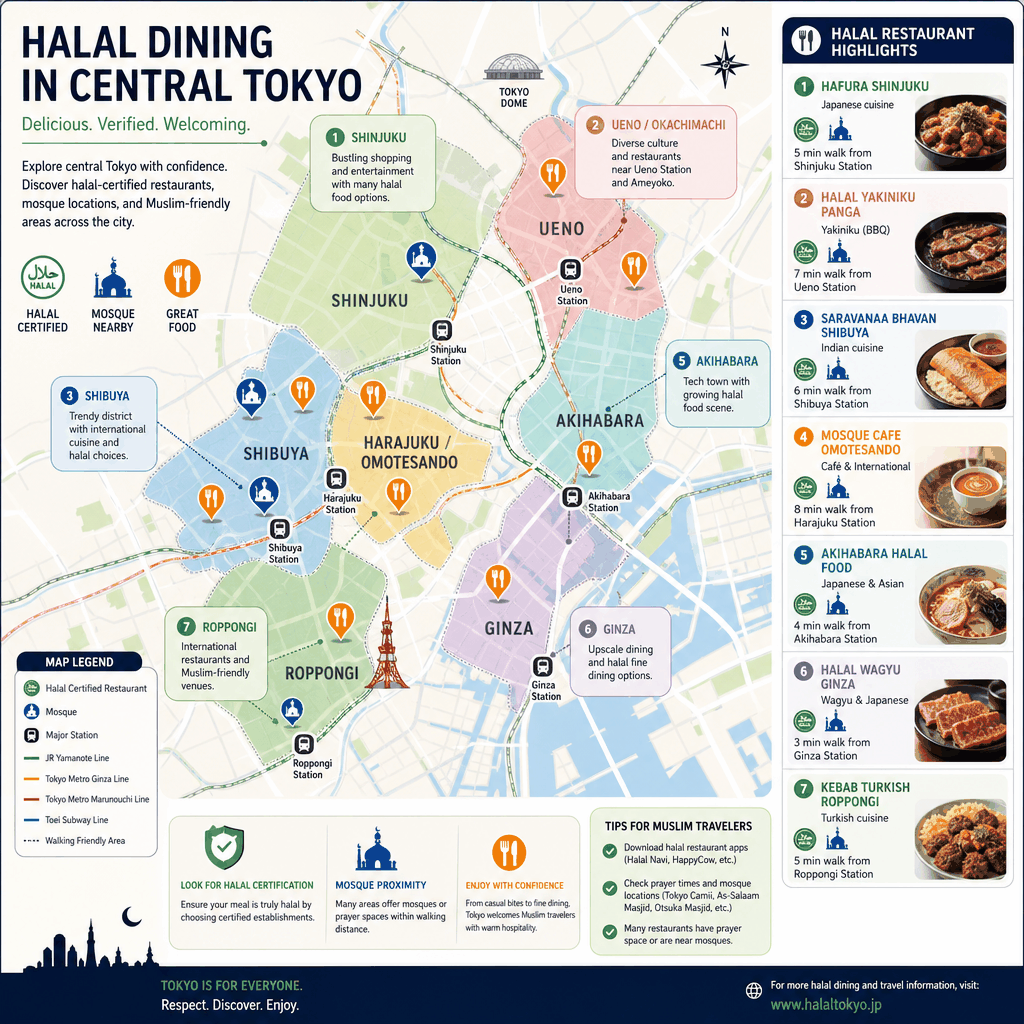
One practical example is to compare the tourism listing with the restaurant’s own site. If a place appears in TCVB’s halal guidance but also displays an updated certification page from a certifier, you have two independent checks before booking or walking in [1][2][3][4].
Some Tokyo districts have more halal and Muslim-friendly choices because they attract international visitors and long-term foreign residents. TCVB and Shinjuku C.V.B. both highlight Tokyo-wide and district-level support, and the most useful clusters tend to be around Asakusa, Ueno, Shibuya, Shinjuku, and Ikebukuro [1][2][5].
Here is how these areas help in practice:
Named places matter because they give you a concrete search radius. For example, if you are exploring Senso-ji in Asakusa, you can plan lunch nearby rather than relying on a last-minute search after arriving. If you are in Shinjuku, use the Shinjuku C.V.B. Muslim-friendly page before heading out [5].
Even at a certified restaurant, it is smart to ask a few specific questions. Tokyo restaurants vary in how closely they separate halal and non-halal operations, and menus can change seasonally or by branch [1][2][3][4].
This is especially important if you are dining with colleagues or friends at mixed-menu venues. A restaurant may offer halal beef curry, ramen, or set meals, but the rest of the menu may still include pork broth or mirin-based dishes. Confirming the details helps avoid surprises when the food arrives [1][2].
For expats living in Tokyo, the easiest routine is to save a shortlist of verified places in the districts you visit most often. Keep official pages from TCVB, Shinjuku C.V.B., and the major certifiers in your bookmarks, then recheck them before each visit [1][2][3][4][5].
If you commute across the city, build a small map by station rather than by cuisine. That way, you can quickly find options near Shinjuku, Ueno, or Ikebukuro when work runs late or you are meeting friends after hours. This is more practical than searching broadly for “halal Tokyo,” because neighborhood proximity often matters more than restaurant type.
When possible, use both English and Japanese searches. A Japanese-language search may reveal the certifier name, branch-level details, or updated menu notes that are not visible in English. Then cross-check those details against the official certifier or tourism source before you go [3][4].
In short, the best way to find halal-certified restaurants in Tokyo is to combine official city resources, certifier databases, and direct confirmation from the restaurant. That approach gives expats a safer, faster way to eat well in Tokyo without relying on guesswork [1][2][3][4][5].
CallButler is a multilingual concierge service that handles research, coordination, and bookings so you do not have to navigate language barriers or unfamiliar systems alone. If you need help related to How can I find halal-certified restaurants in Tokyo for expats? or the tasks around it, our team can step in to manage the details and keep things moving smoothly.
Find English-friendly yakitori in Osaka after work by targeting Umeda, Namba, and Honmachi, plus booking sites and multilingual menus.
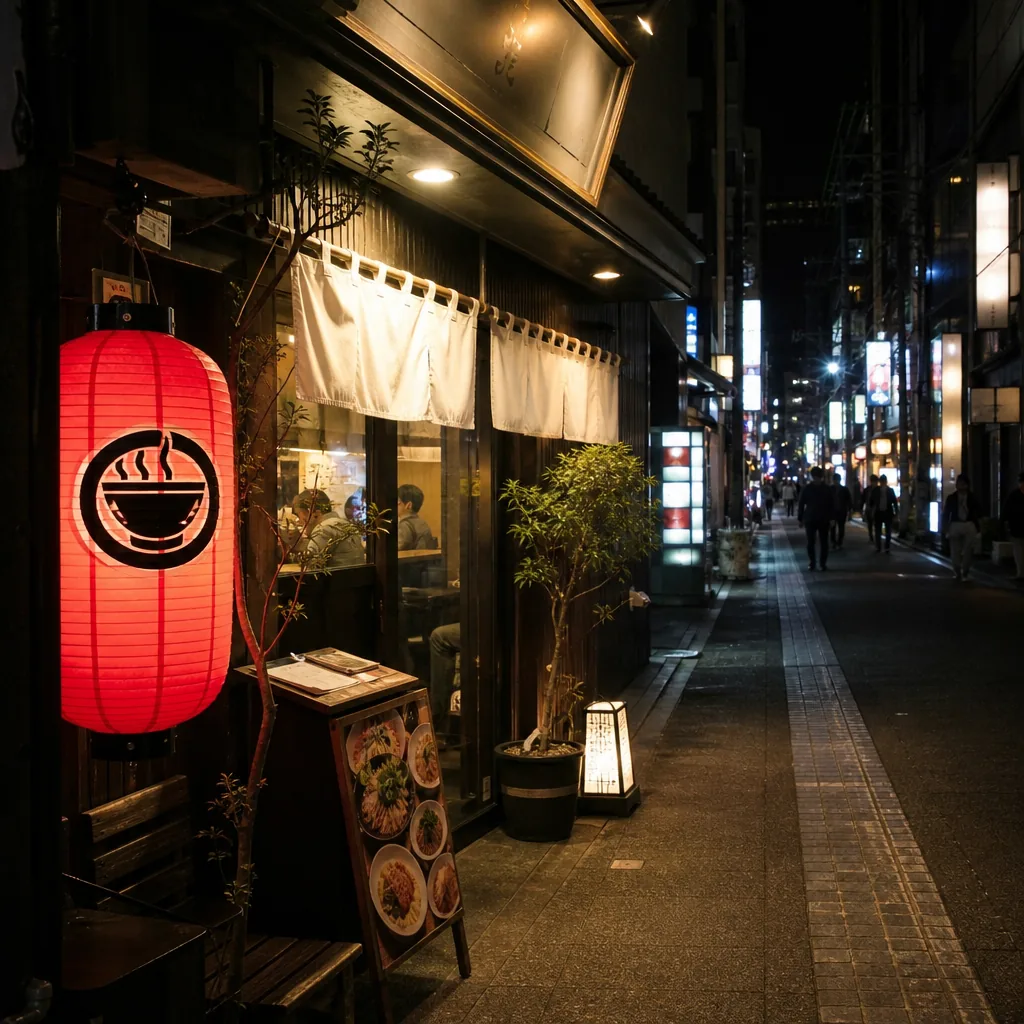
Looking for halal ramen in Kyoto after 10 p.m.? Here’s where to check, which areas are most practical, and how to verify hours and halal status.
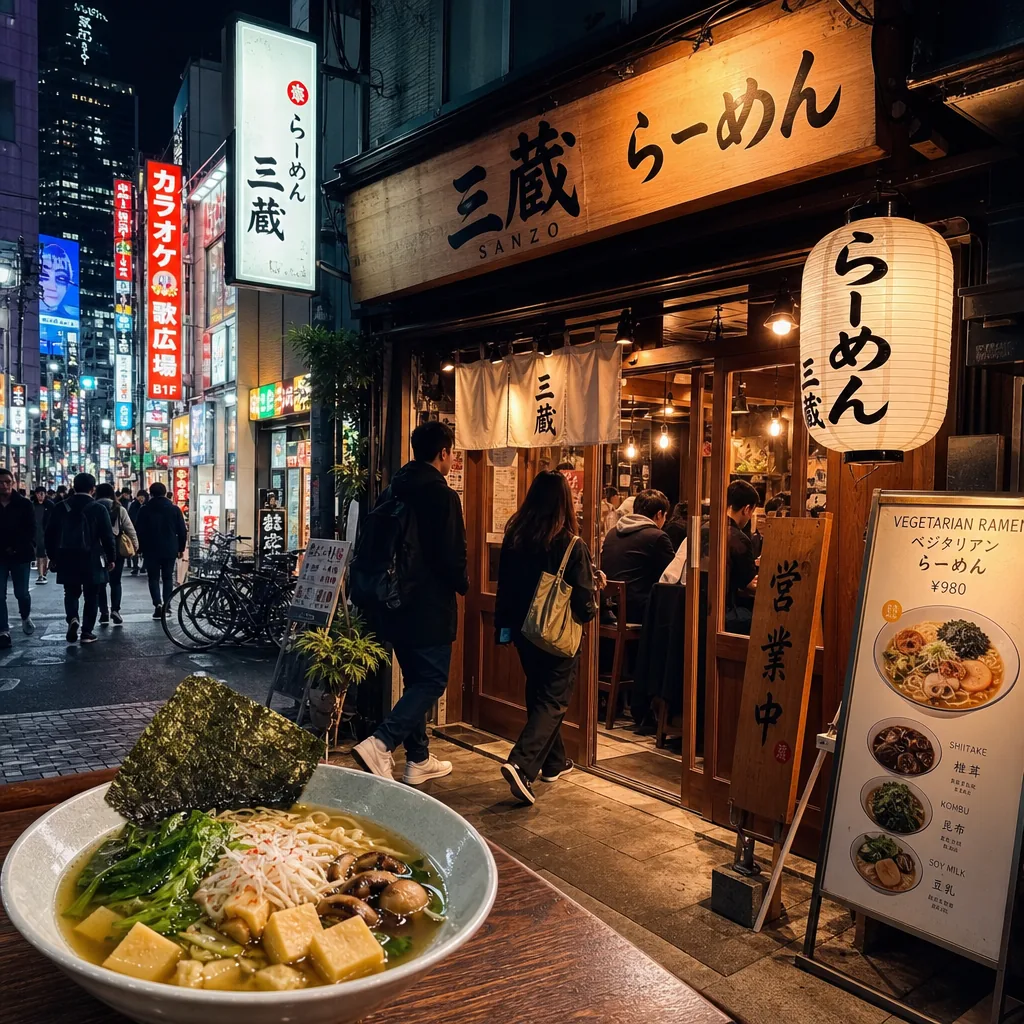
Find late-night vegetarian ramen in Tokyo by focusing on Shibuya, Shinjuku, and Roppongi, then verify broth, hours, and vegan menu details.