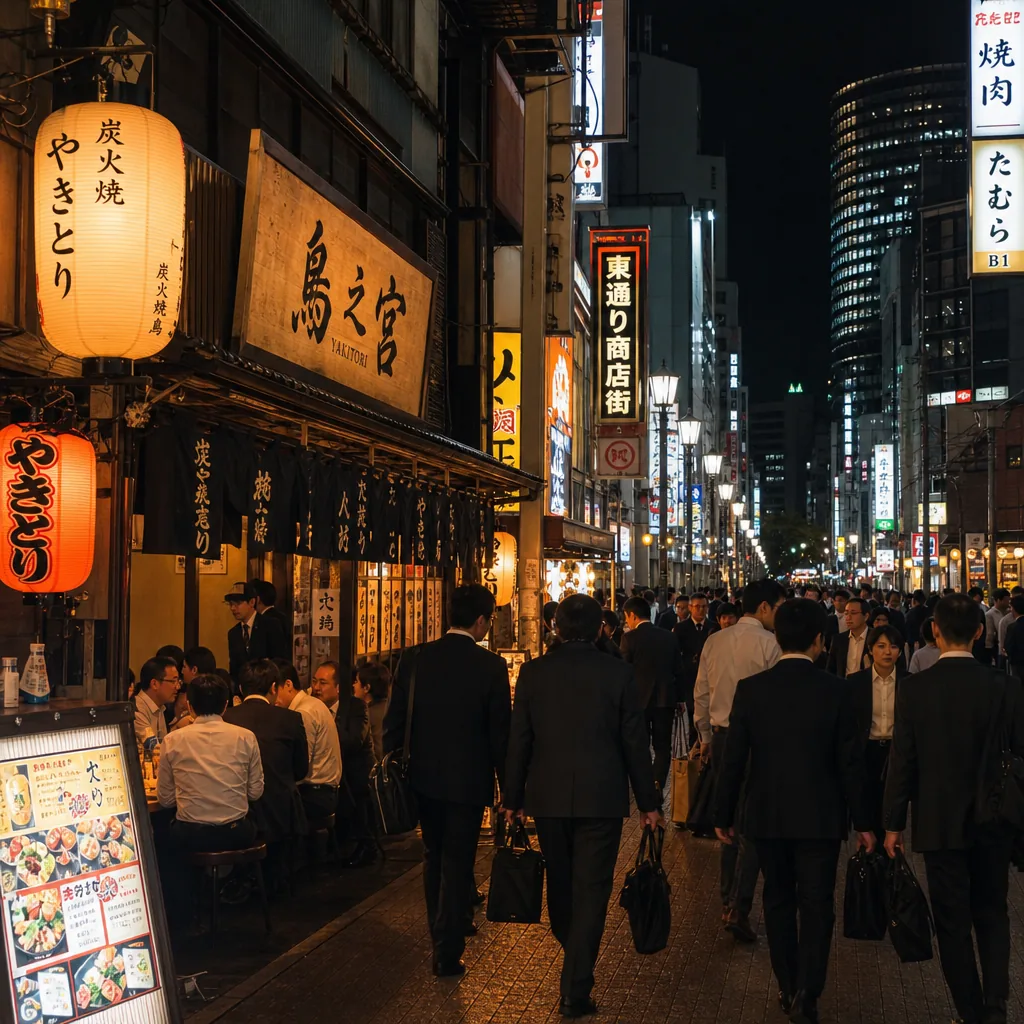
Where can I find english-friendly yakitori in Osaka after work?
Find English-friendly yakitori in Osaka after work by targeting Umeda, Namba, and Honmachi, plus booking sites and multilingual menus.
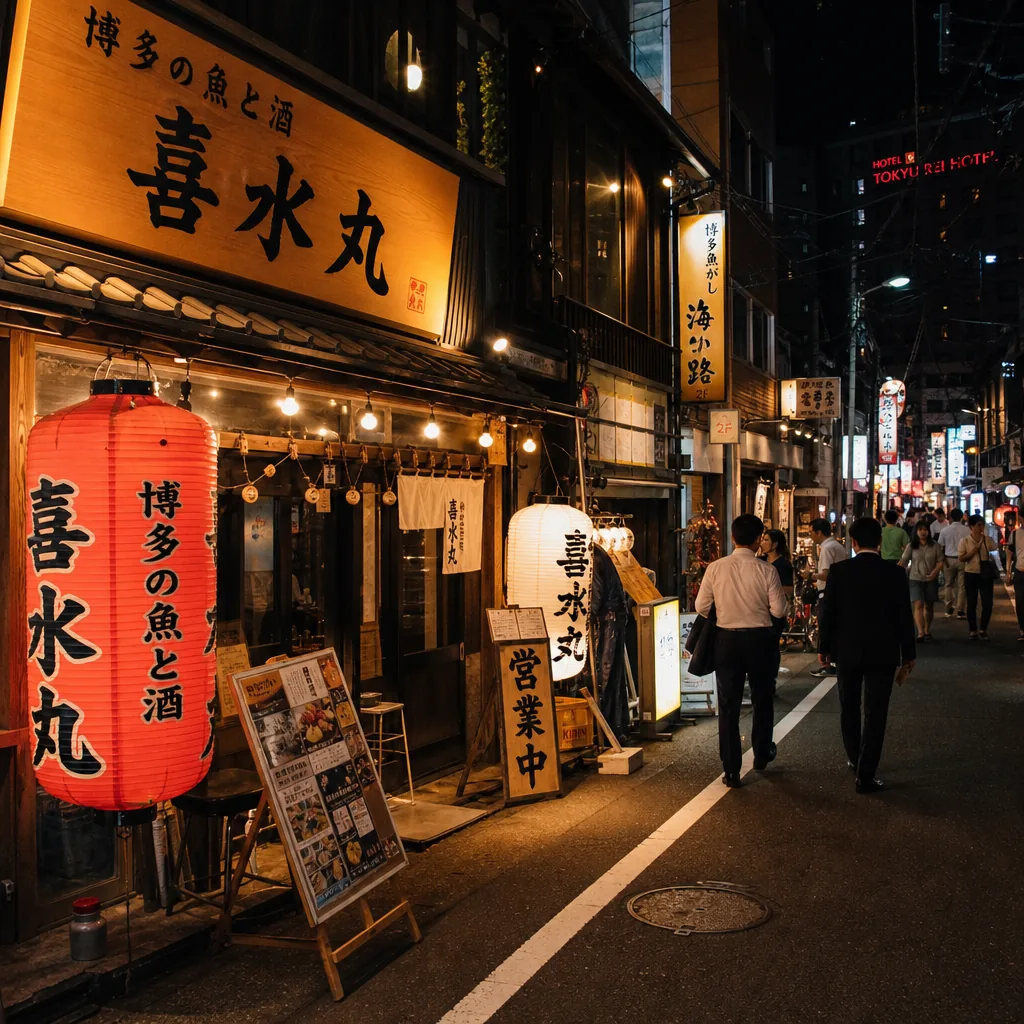
Yes—start with Hakata, Tenjin, and Nakasu, because those are Fukuoka’s easiest late-night dining zones and the places most likely to have multilingual listings or English menu support. The best approach is to combine map searches, official listings, and booking sites, then confirm opening hours and last orders before you leave. In practice, that gives you the highest chance of finding an English-friendly izakaya without wasting time walking around after midnight.
Fukuoka is compact, transit-friendly, and built around busy food and nightlife districts, which makes it much easier to eat late than in many other Japanese cities. The official tourism guide highlights Hakata Station and Tenjin as major urban anchors, and JR Kyushu describes Hakata Station as a major gateway surrounded by restaurants and shopping, which is exactly why these areas are practical starting points for dinner after dark [1][2].
For English-speaking visitors, the advantage is not that every izakaya speaks English, but that many restaurants in these high-traffic zones publish enough information online to narrow the search before you go. That matters because Japanese izakaya often list current hours, last-order times, and menu details on official pages or major restaurant platforms, and those details can change by day of week.
Hakata is the simplest place to begin if you are arriving by train, staying near the station, or want the easiest return trip after drinking. JR Kyushu’s Hakata Station area guide emphasizes its role as a large transport and commercial hub, so you get a dense concentration of restaurants within a short walk of the station [2].
Tenjin is a strong second choice if you want a wider mix of casual bars, izakaya, and shopping streets. The Fukuoka Prefecture Tourism Association’s Tenjin area page presents Tenjin as one of the city’s central downtown districts, which is useful because a central commercial area usually has more late-opening food options and more listings that include menus or photos online [4].
Nakasu is the place to check for true late-night options. The same tourism association describes Nakasu as a nightlife district, and that makes it one of the most likely areas for izakaya that stay open later than dinner-focused restaurants elsewhere in the city [3]. 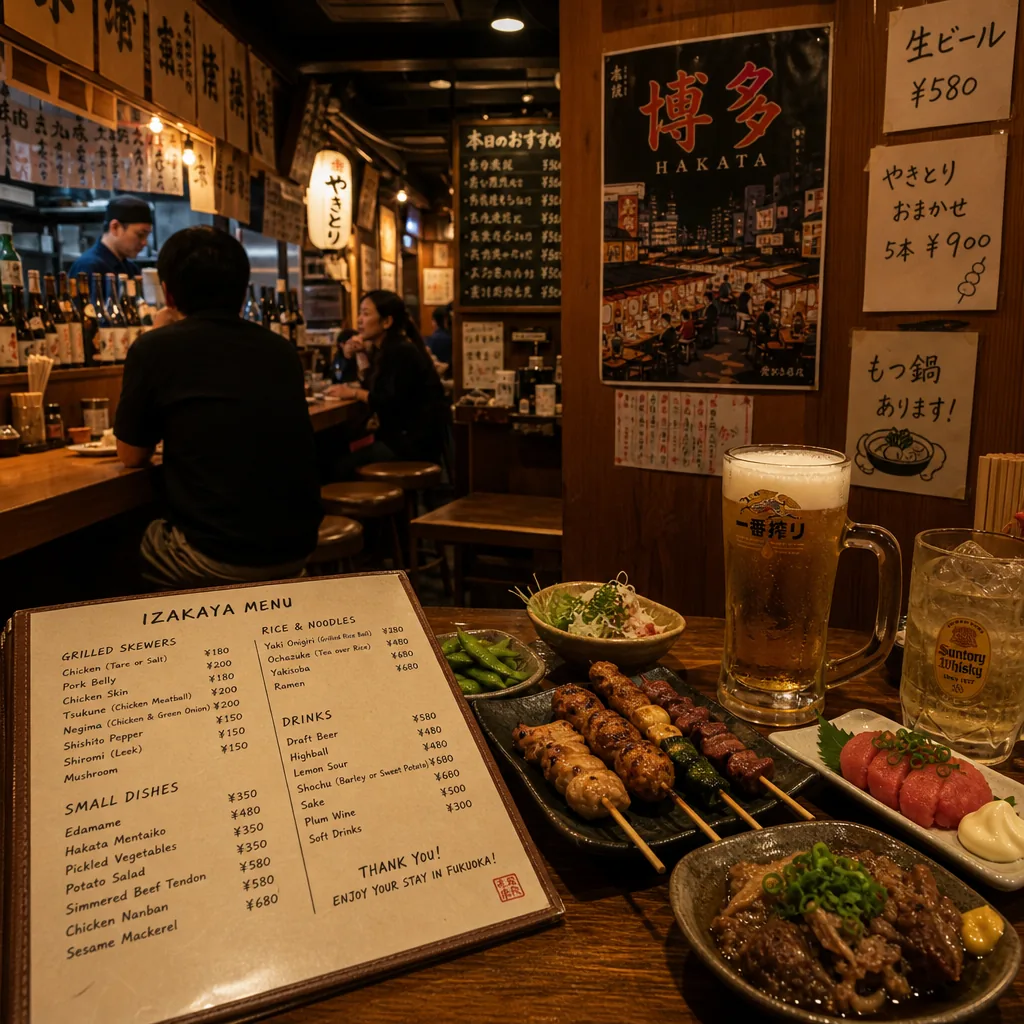
That said, late-night does not mean consistent. In Nakasu especially, hours can vary widely by weekday, holiday, or season, so treat each listing as current only until you verify it.
The most reliable signal is an official site or listing that explicitly mentions English support. Look for phrases such as “English menu,” “multilingual,” or a menu page with both Japanese and English text. A restaurant that shows an English menu on its official page is usually a better bet than one that only has user-uploaded photos on a map app.
Use three layers of checking:
HOT PEPPER Gourmet is one of the major restaurant portals in Japan, and it often includes opening hours, course menus, and reservation options that can help you judge whether a venue is a good fit before you go [5].
Also check whether the restaurant has a very small English menu rather than full bilingual service. In many izakaya, the English version covers only key dishes and drinks. That is still useful, but it means you should be ready to confirm ingredients, cooking methods, or alcohol details if you have restrictions.
Do not assume that “open late” means open every night. A venue may close earlier on weekdays, shorten hours on Sundays, or stop serving food well before closing time. Japanese listings often separate business hours from last order, and both matter.
Before you go, check for these details on the restaurant’s official page or listing:
If you are searching from outside Japan, use the current date and a map app rather than a cached translation page. A listing can look English-friendly while still having outdated hours, so the safest method is to cross-check one map result against the restaurant’s own website or a reservation page.
Search in both English and Japanese to get better results. Useful phrases include “English menu izakaya Fukuoka,” “Hakata izakaya English,” and the Japanese terms “英語メニュー” (English menu) and “深夜営業” (late-night business). If you are staying near Tenjin or Hakata, adding the district name to the search usually filters out distant restaurants that are not practical after dark.
Try searches like these:
For bookings, reserve if you are going on a weekend, traveling with a group, or want a specific seating type. Even when a place accepts walk-ins, a booking platform can tell you whether the restaurant is accepting reservations for your preferred time. That is especially useful in Nakasu, where a venue may be open late but already fully booked during peak hours.
If you have allergies, vegetarian preferences, or a need to avoid alcohol-based ingredients, send a short message in advance if the platform allows it. A small English menu may not explain dashi, sauce ingredients, or cooking oil clearly, and it is better to ask early than to improvise at the table.
When you arrive at an English-friendly izakaya in Fukuoka, expect the menu to be partially translated rather than fully localized. Pictures, set-course options, and drink lists are often the easiest parts to navigate. Staff may know basic English phrases, but you should still be prepared to point at items or show the menu on your phone.
Common practical points:
If you want the smoothest experience, begin your search in Hakata or Tenjin, use Nakasu for later hours, and confirm each restaurant’s current hours before leaving your hotel. Fukuoka’s central districts make late-night dining easy, but the best English-menu results come from careful checking rather than luck.
CallButler is a multilingual concierge service that handles research, coordination, and bookings so you do not have to navigate language barriers or unfamiliar systems alone. If you need help related to How can I find English-menu late-night izakaya in Fukuoka? or the tasks around it, our team can step in to manage the details and keep things moving smoothly.
Find English-friendly yakitori in Osaka after work by targeting Umeda, Namba, and Honmachi, plus booking sites and multilingual menus.
Looking for halal ramen in Kyoto after 10 p.m.? Here’s where to check, which areas are most practical, and how to verify hours and halal status.
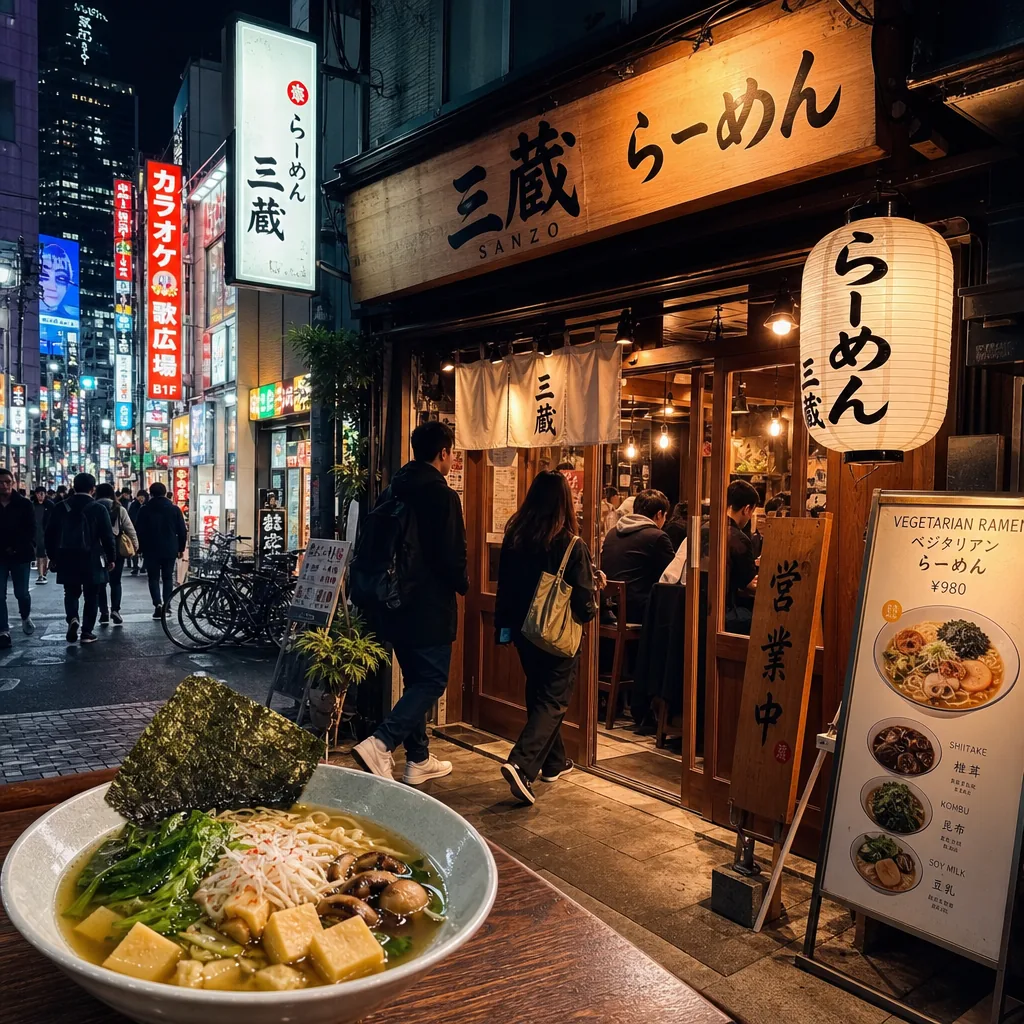
Find late-night vegetarian ramen in Tokyo by focusing on Shibuya, Shinjuku, and Roppongi, then verify broth, hours, and vegan menu details.