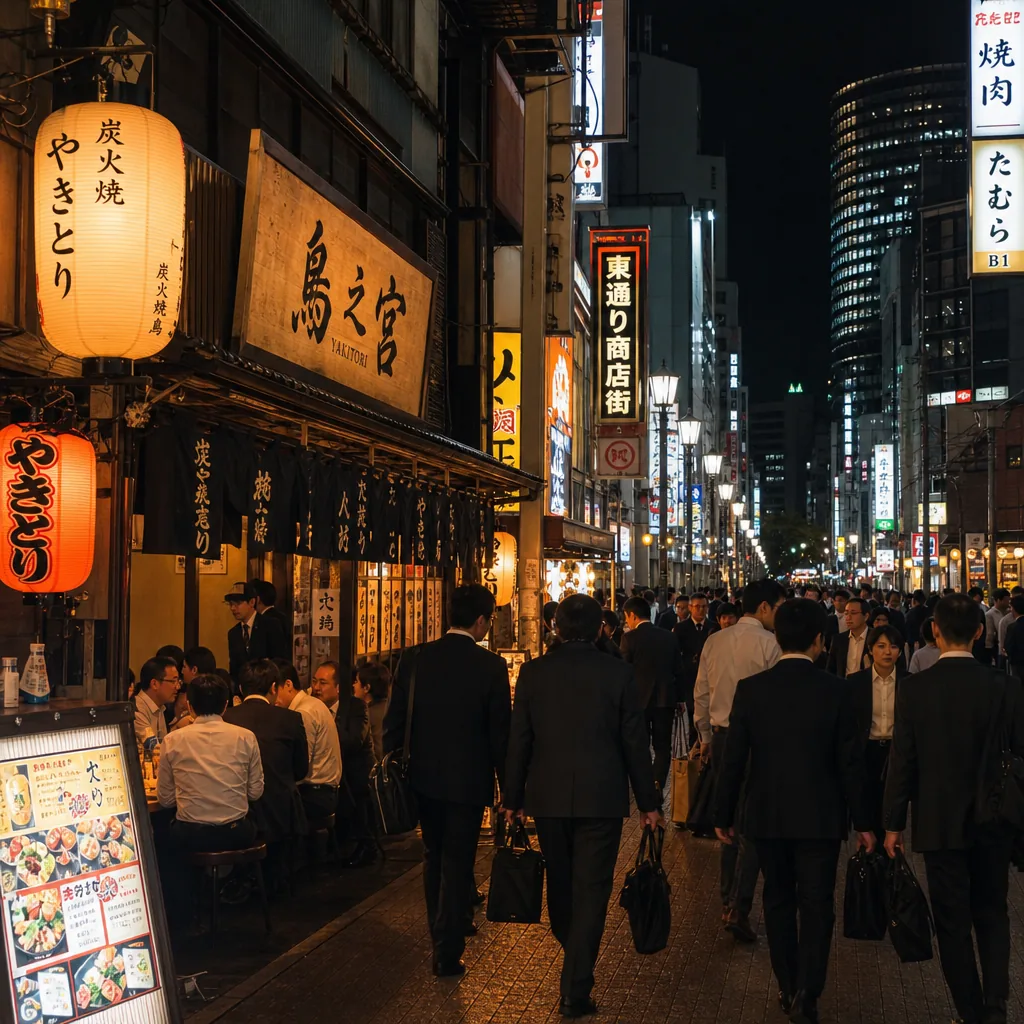
Where can I find english-friendly yakitori in Osaka after work?
Find English-friendly yakitori in Osaka after work by targeting Umeda, Namba, and Honmachi, plus booking sites and multilingual menus.
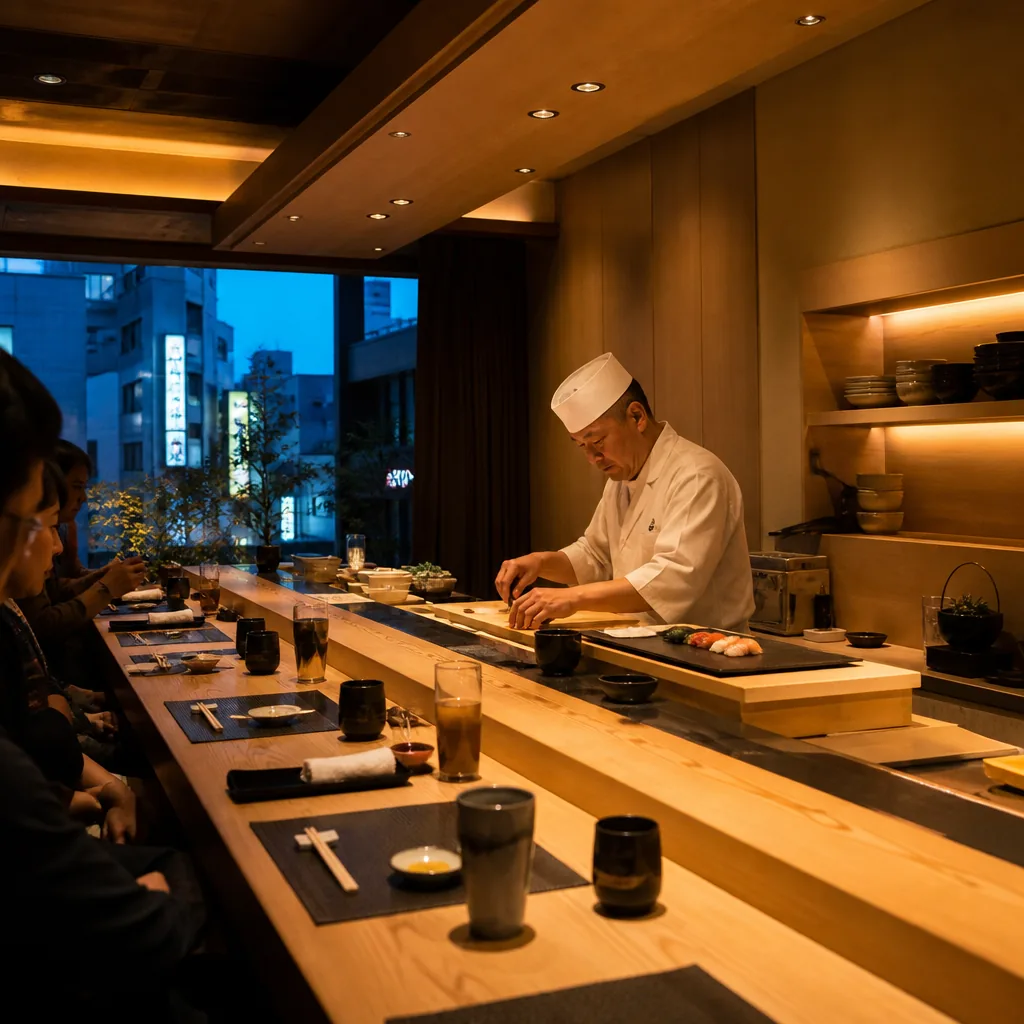
Yes—you can book a last-minute Tokyo omakase reservation, but you need to move fast and stay flexible. In Tokyo, many omakase counters are small and fill quickly, so the best odds come from same-day or next-day cancellation openings, lunch seats, and booking platforms that show live inventory [1][2].
In Japanese, “omakase” means “I leave it up to you,” referring to a meal where the chef chooses the dishes. In Tokyo, that often means sushi or kappo-style counters with limited seating, fixed pacing, and a strong emphasis on seasonality and precision [3].
Because the format is intimate, many omakase restaurants operate with only a handful of counter seats. That is why a cancellation can matter so much: one open seat may be easier to find than a full table, especially if you are booking for one or two people instead of a larger group.
The most common last-minute availability in Tokyo comes from three places: canceled reservations, lunch services, and late releases on booking platforms. Tourism guidance from Tokyo and dining resources from JNTO both point travelers toward official reservation channels and restaurant listings that accept online bookings [2][3].
Neighborhoods with a dense restaurant scene often release seats faster than you might expect. Look beyond the most famous central districts and search across areas like Ginza, Shibuya, Shinjuku, Ebisu, and Asakusa. For example, Ginza is well known for high-end sushi counters, while Asakusa and nearby neighborhoods can offer smaller venues with different price points and slightly better odds of finding short-notice availability [2][5].
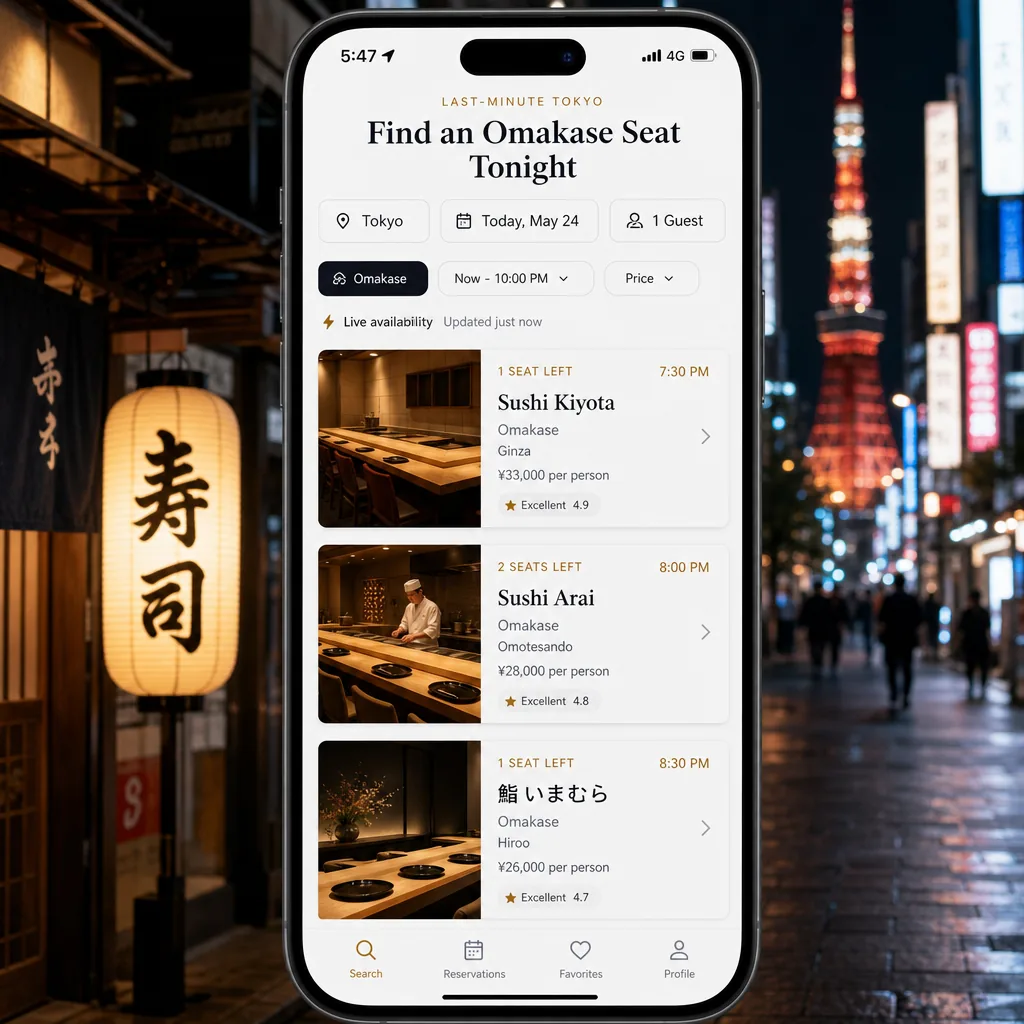
Well-known venues can still be worth checking if they use a booking platform or a concierge-connected system. TableCheck, which supports restaurant reservations in Japan, is one of the most useful places to monitor for sudden openings [1].
The fastest path is to search on booking platforms that show real-time inventory and can confirm immediately. TableCheck is especially helpful because restaurants can update available seats quickly, and you can often see whether lunch or dinner slots have reopened [1].
If you are staying in a Tokyo hotel, ask the concierge desk as early as possible. Hotel concierges in Tokyo can sometimes help with hard-to-book restaurants, especially when you are flexible about time and willing to accept whatever seat becomes available. This is most useful if you are already near the dining district and can get there quickly.
Also check official tourism resources and restaurant pages directly. Tokyo’s official travel guide and JNTO’s dining pages are good starting points for identifying restaurants that accept online reservations and for understanding what kind of meal you are booking [2][3].
Flexibility matters more than almost anything else. If you can accept a solo counter seat, a later lunch time, or a restaurant outside the most famous central blocks, your odds improve immediately. A single opening at a sushi counter in Tokyo can appear and disappear within minutes, so be ready to confirm as soon as you find it.
It also helps to widen your neighborhood search. Instead of focusing only on one area like Ginza, compare options in Shibuya, Ebisu, and Asakusa. Tokyo Tourism emphasizes how easy it is to move between districts by rail, which makes a broader search practical even for a same-day meal [2].
In Tokyo, punctuality is important, and many omakase restaurants expect guests to arrive on time. JNTO’s visitor guidance also reminds travelers to check reservation details carefully and to follow restaurant rules closely [3][4]. If you are late, you may lose the seat and still be charged a fee.
Cancellation policies can be strict, especially for small counters. Always review whether a deposit is required, whether the card is charged in advance, and how late cancellations are handled. Some Tokyo restaurants use booking platforms that clearly display these rules before you finalize the reservation [1].
For the meal itself, keep your group small if possible, and avoid making special requests unless the restaurant has already said they can accommodate them. Omakase is designed around the chef’s selection, so last-minute diners should prioritize clarity and respect over customization.
If you want the highest chance of success, use this simple sequence the day before or the day of your meal:
Last-minute omakase in Tokyo is not easy, but it is absolutely doable if you use the right tools and keep your plans flexible. Search live inventory, stay open to different neighborhoods, and treat every open seat like a time-sensitive opportunity. That combination is usually what turns a sold-out evening into a successful reservation.
CallButler is a multilingual concierge service that handles research, coordination, and bookings so you do not have to navigate language barriers or unfamiliar systems alone. If you need help related to How can I book a last-minute Tokyo omakase reservation? or the tasks around it, our team can step in to manage the details and keep things moving smoothly.
Find English-friendly yakitori in Osaka after work by targeting Umeda, Namba, and Honmachi, plus booking sites and multilingual menus.
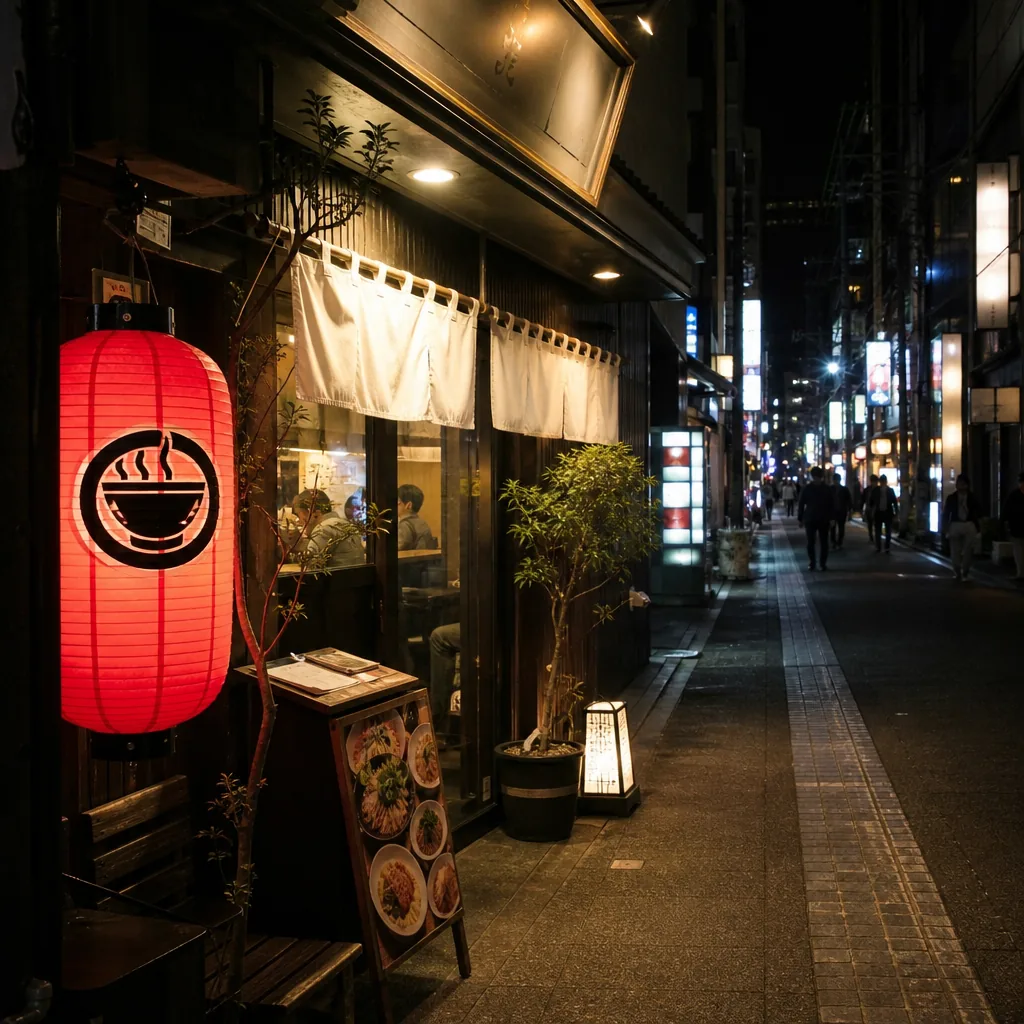
Looking for halal ramen in Kyoto after 10 p.m.? Here’s where to check, which areas are most practical, and how to verify hours and halal status.
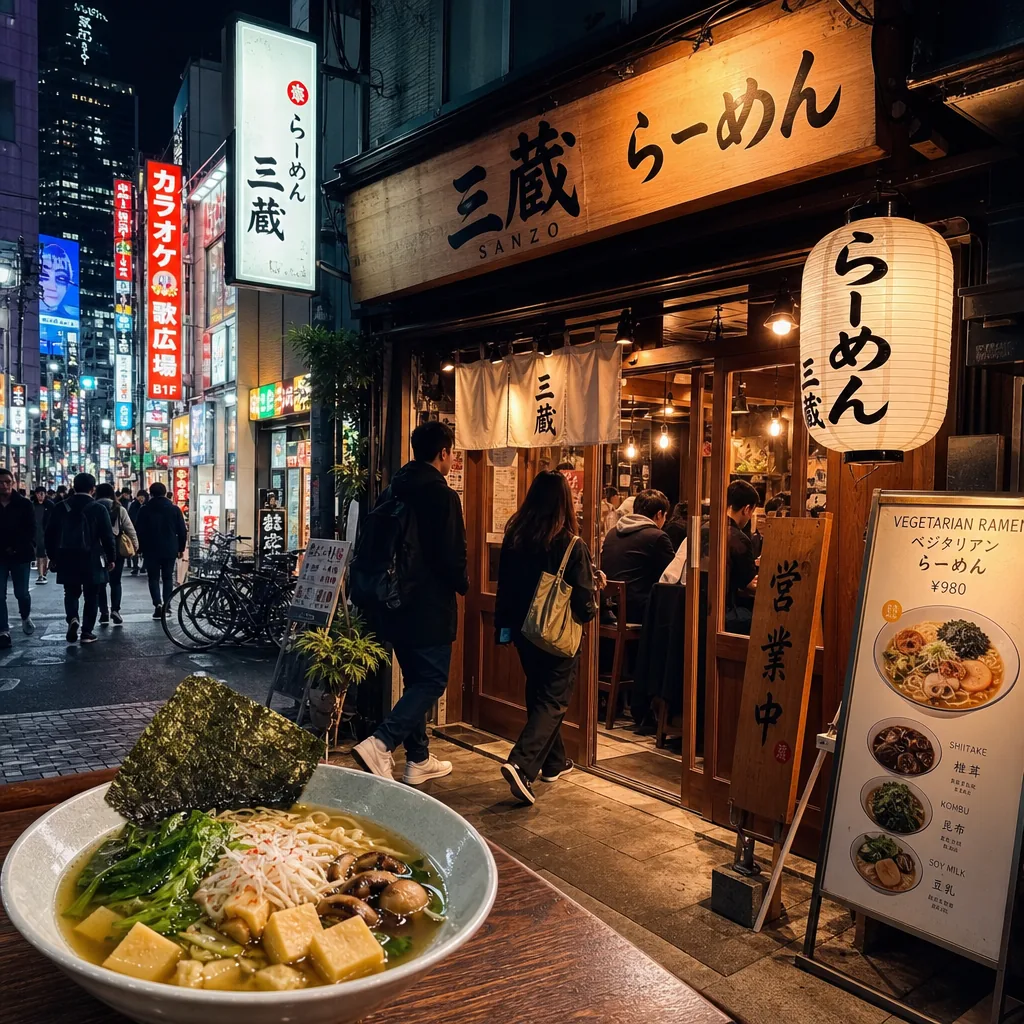
Find late-night vegetarian ramen in Tokyo by focusing on Shibuya, Shinjuku, and Roppongi, then verify broth, hours, and vegan menu details.