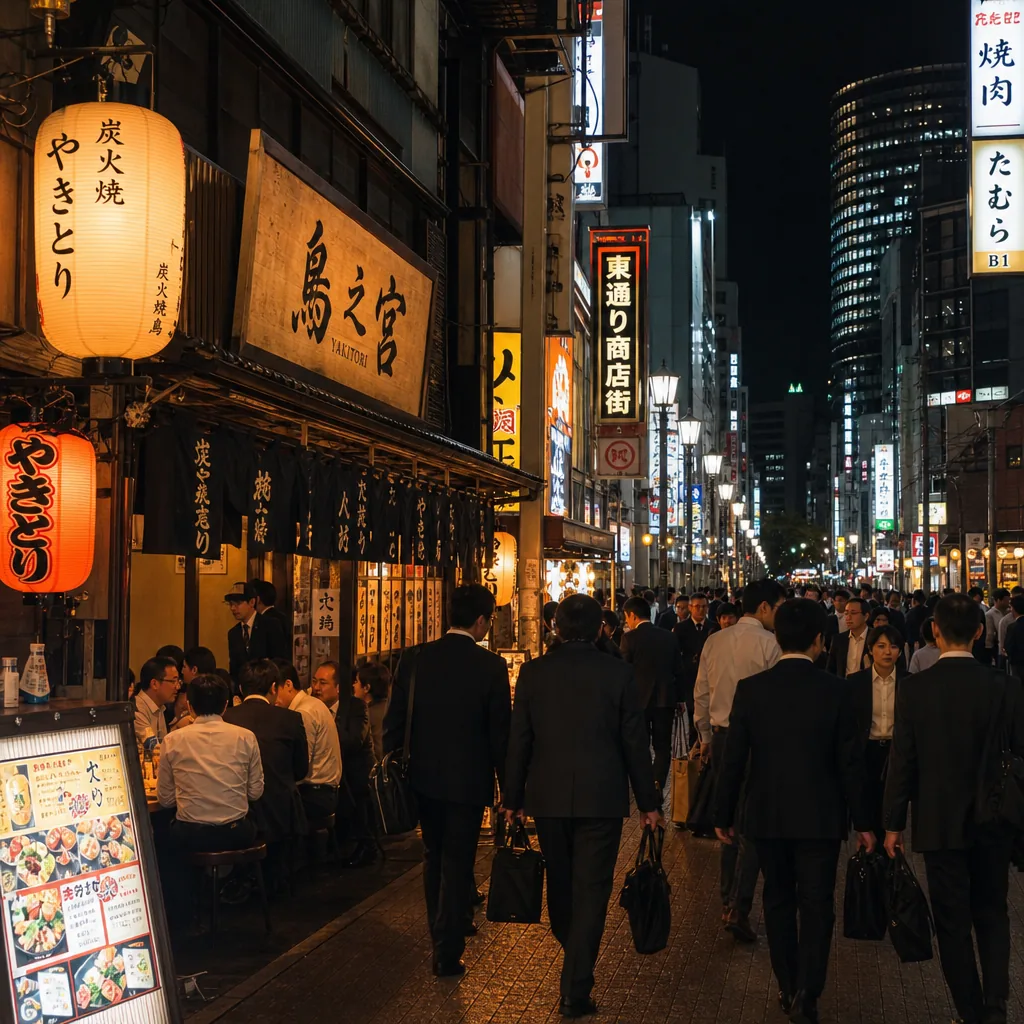
Where can I find english-friendly yakitori in Osaka after work?
Find English-friendly yakitori in Osaka after work by targeting Umeda, Namba, and Honmachi, plus booking sites and multilingual menus.
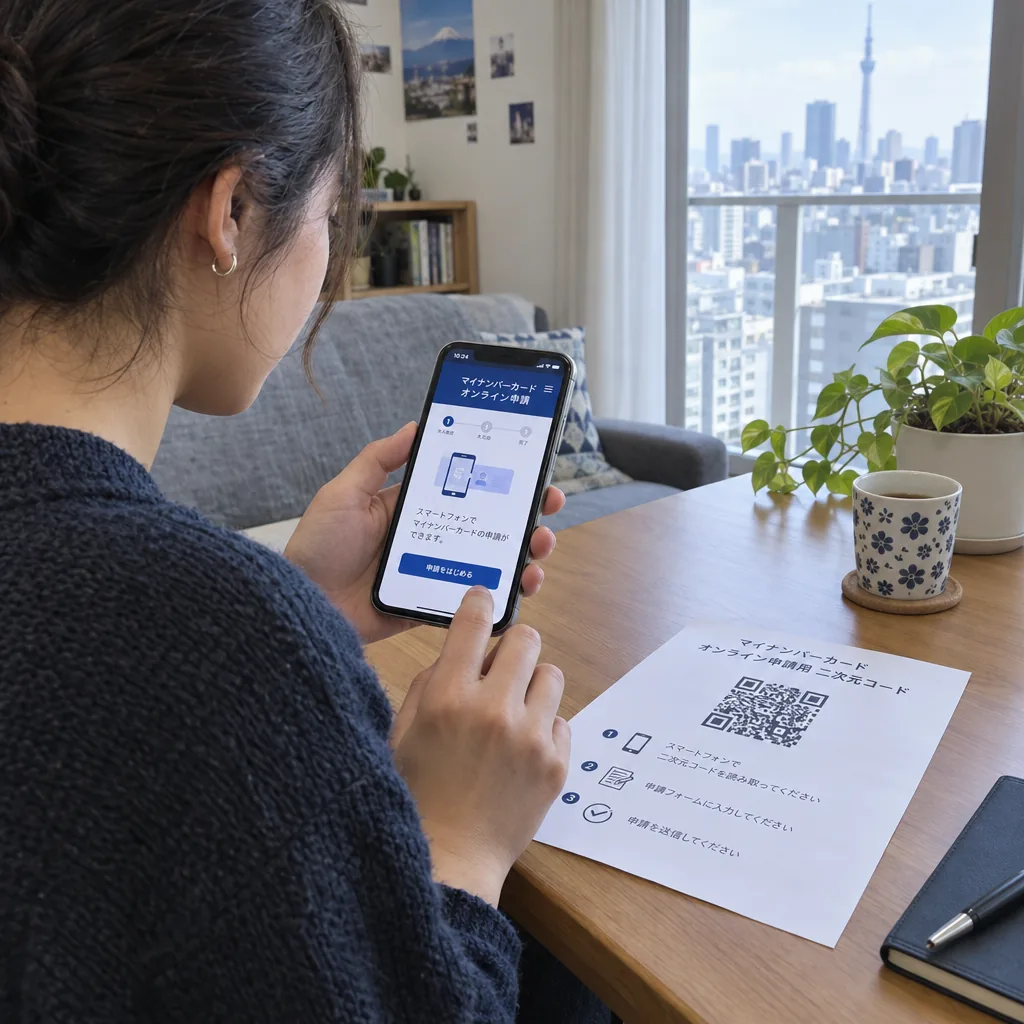
The quickest practical way for eligible foreign residents to get a My Number card in Tokyo is to register their address, check eligibility for expedited issuance, and otherwise apply online using their application form’s QR code. Standard issuance generally takes about a month before the collection notice is sent; applying online does not guarantee faster processing or remove the usual collection visit.[3][5][6]
Your My Number is the 12-digit individual number assigned to eligible people recorded in Japan’s resident register, including foreign residents. The physical My Number card is a separate, optional application: registering your address and receiving your number does not mean a card has been ordered.[1][3]
The card provides photo identification and supports services such as online administrative procedures. If you need your number urgently for paperwork, ask the organization requesting it which documents it accepts; do not assume you must wait for the physical card.[1]
For newly arrived medium- or long-term residents, address registration comes first. Immigration guidance requires you to notify the municipality responsible for your address within 14 days of establishing your residence. Bring your residence card and check the municipality’s requirements before visiting.[2]
Choose the office by your home address, not your workplace or nearest station. For example, residents of Shinjuku, Shibuya and Minato should follow the procedures of Shinjuku City, Shibuya City and Minato City respectively. These are separate Tokyo municipalities; card collection arrangements depend on the municipality handling your application.[2][5]
During address registration, explain that you want to apply for a My Number card. Ask whether you can obtain the application form and discuss expedited issuance during the same visit, reducing the risk of another trip.[3][6]
Before submitting a standard application, ask about the expedited issuance scheme, called tokkyu hakko in Japanese. Certain applicants, including some foreign residents newly entered in the resident register, may qualify. Being an expat alone does not establish eligibility.[6]
The national scheme generally targets delivery in approximately one week, but this is not a guaranteed deadline. Eligibility, application windows and delivery circumstances matter, so confirm your situation with your Tokyo municipality before choosing this route.[6]
If speed matters, resolve these questions first. The ordinary smartphone application should not be treated as an express-service option.[4][6]
If you use standard issuance, the smartphone route avoids preparing a postal application. You need the application form’s QR code or its separate application ID. Your 12-digit My Number is not a substitute for that ID; contact your ward or city office if the form is missing.[3][4]
Use a photograph taken within the previous six months, showing your face clearly from the front against a plain background. Follow the official photograph guidance rather than assuming a cropped holiday picture will work. Photograph defects or incorrect information can trigger corrections and delay issuance.[3][4]
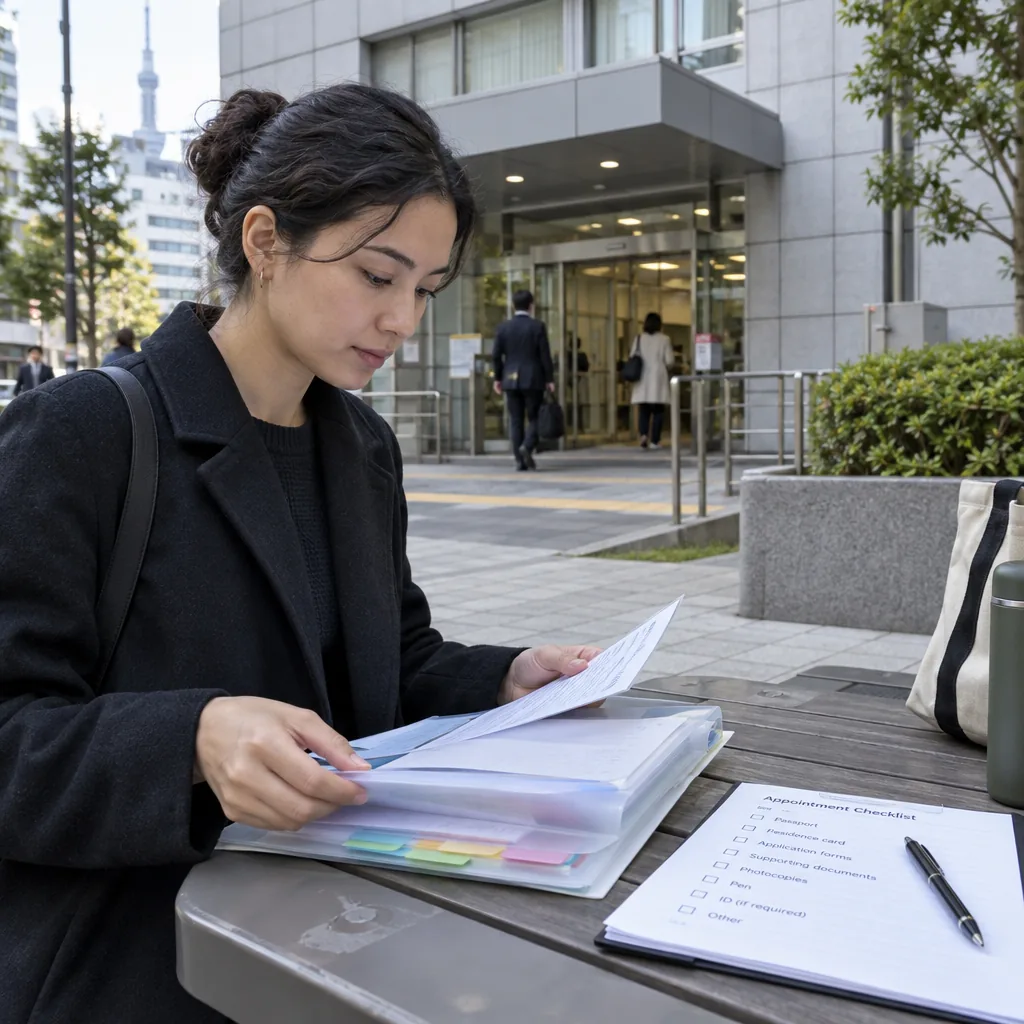
The official card website gives approximately one month from a standard application until dispatch of the collection notice as a general guide. That is not necessarily the date you receive your card: corrections, workload and the availability of local collection appointments can add time.[3][5]
Standard collection is normally in person at the location specified by your municipality. Read the notice promptly and follow its reservation instructions; do not assume every Tokyo ward uses the same booking system or pickup location.[5]
For a standard adult card, the signature electronic certificate uses a six-to-16-character PIN containing uppercase English letters and numbers. Other functions use four-digit numeric PINs; follow the municipality’s instructions about setting them. Choose these beforehand, but keep them private.[5]
The first My Number card is normally free. Avoid paying an intermediary simply because you assume online submission requires professional help: the official application process is available directly to applicants.[3][4]
If your residence status or period of stay is changing, ask your ward or city office how this affects the application and card validity. Do not assume an immigration update automatically updates the card; foreign residents may need to complete a separate municipal procedure.[6]
The most useful time-saving sequence is therefore simple: register your Tokyo address, check expedited eligibility before applying, submit accurate information and a compliant photograph, then respond promptly to the collection notice. This reduces avoidable delays without promising a turnaround the municipality cannot guarantee.[2][3][5][6]
CallButler is a multilingual concierge service that handles research, coordination, and bookings so you do not have to navigate language barriers or unfamiliar systems alone. If you need help related to How can expats register a My Number card in Tokyo quickly? or the tasks around it, our team can step in to manage the details and keep things moving smoothly.
Find English-friendly yakitori in Osaka after work by targeting Umeda, Namba, and Honmachi, plus booking sites and multilingual menus.
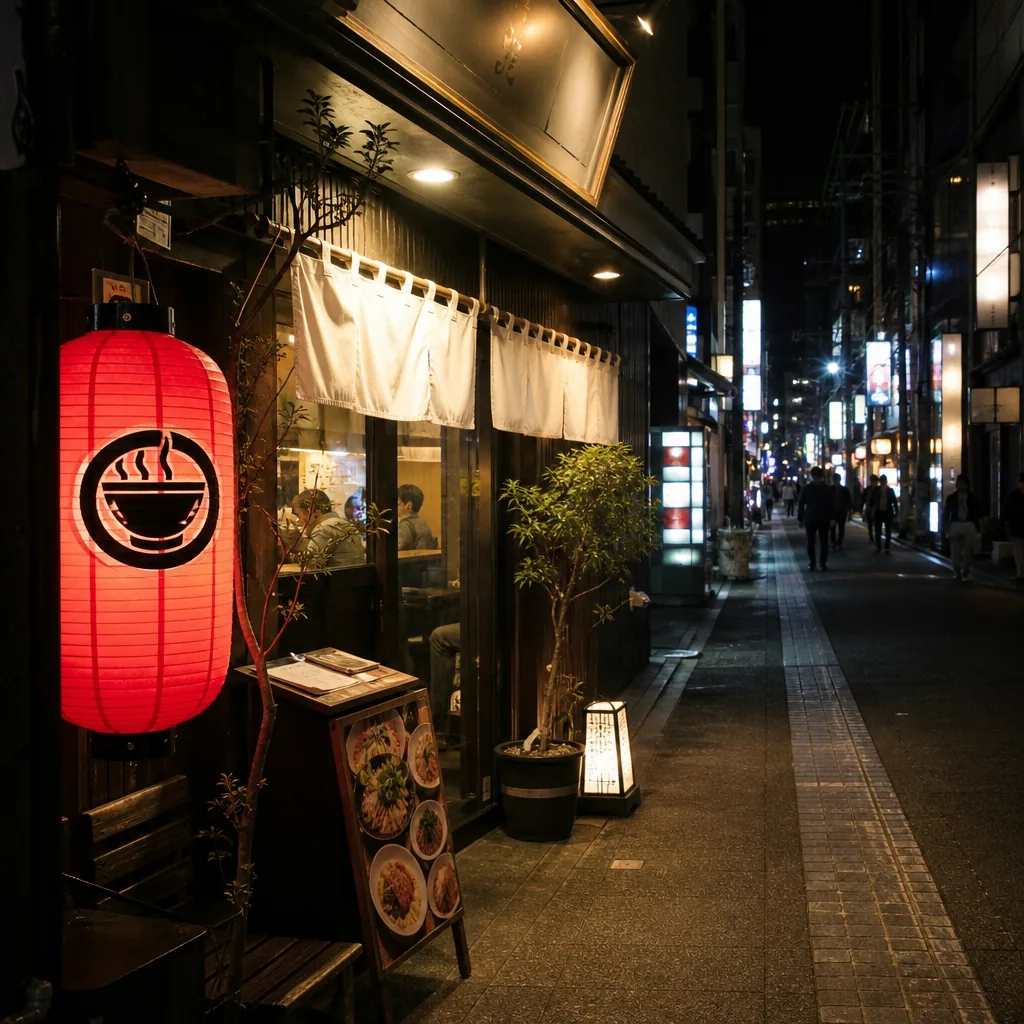
Looking for halal ramen in Kyoto after 10 p.m.? Here’s where to check, which areas are most practical, and how to verify hours and halal status.
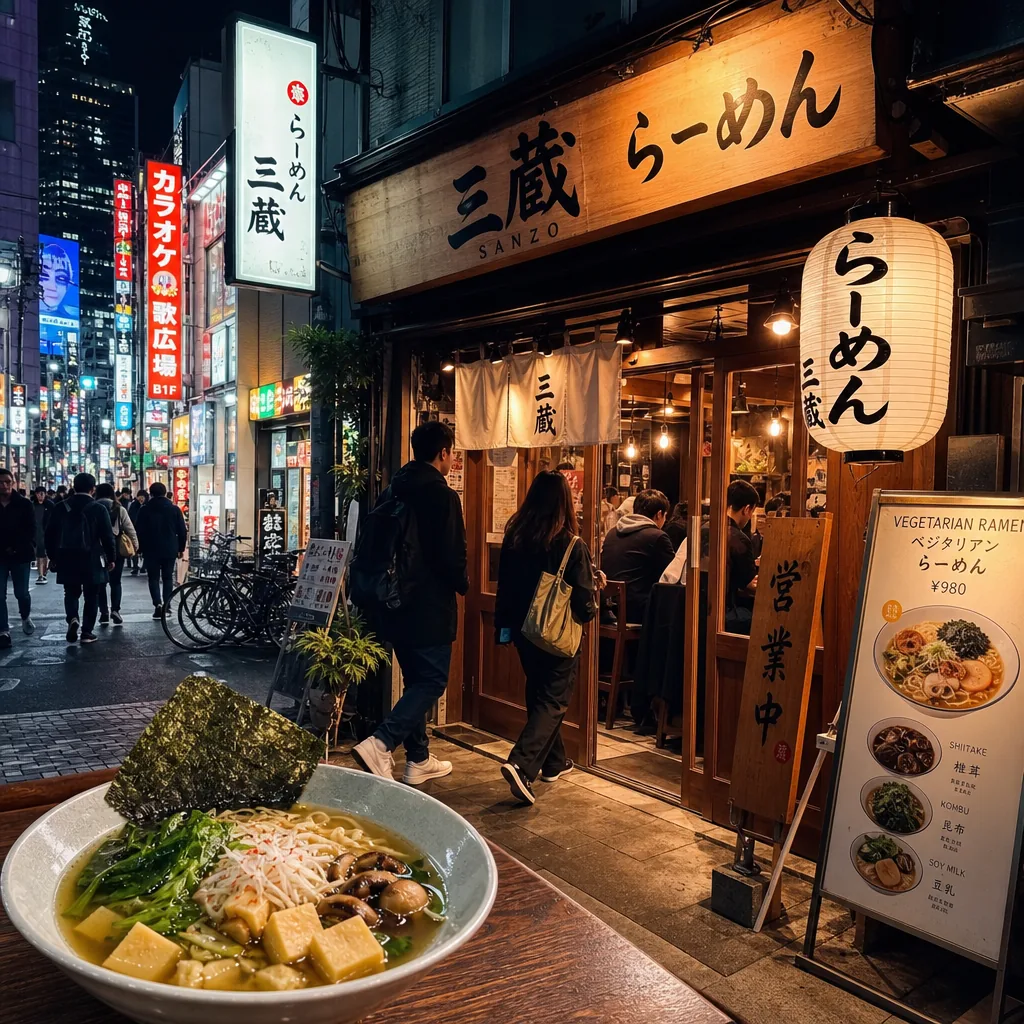
Find late-night vegetarian ramen in Tokyo by focusing on Shibuya, Shinjuku, and Roppongi, then verify broth, hours, and vegan menu details.