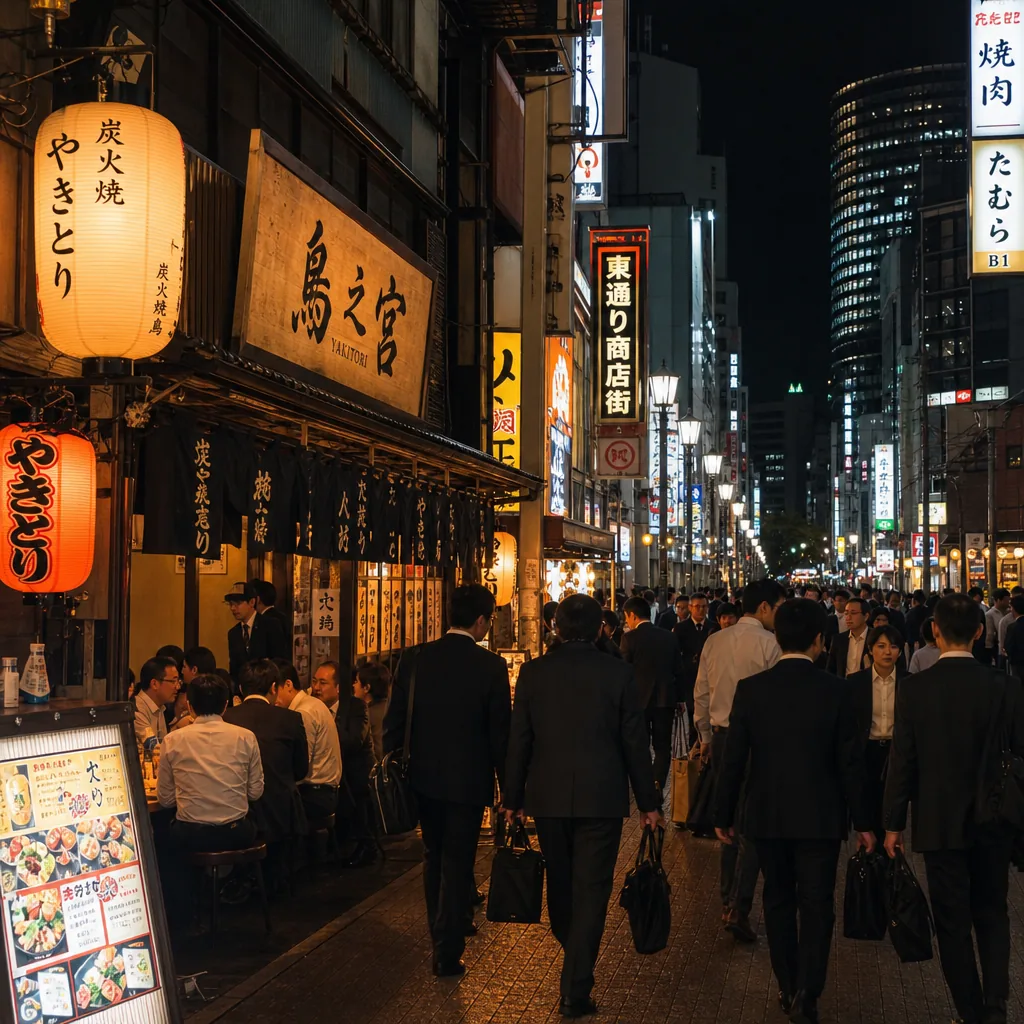
Where can I find english-friendly yakitori in Osaka after work?
Find English-friendly yakitori in Osaka after work by targeting Umeda, Namba, and Honmachi, plus booking sites and multilingual menus.
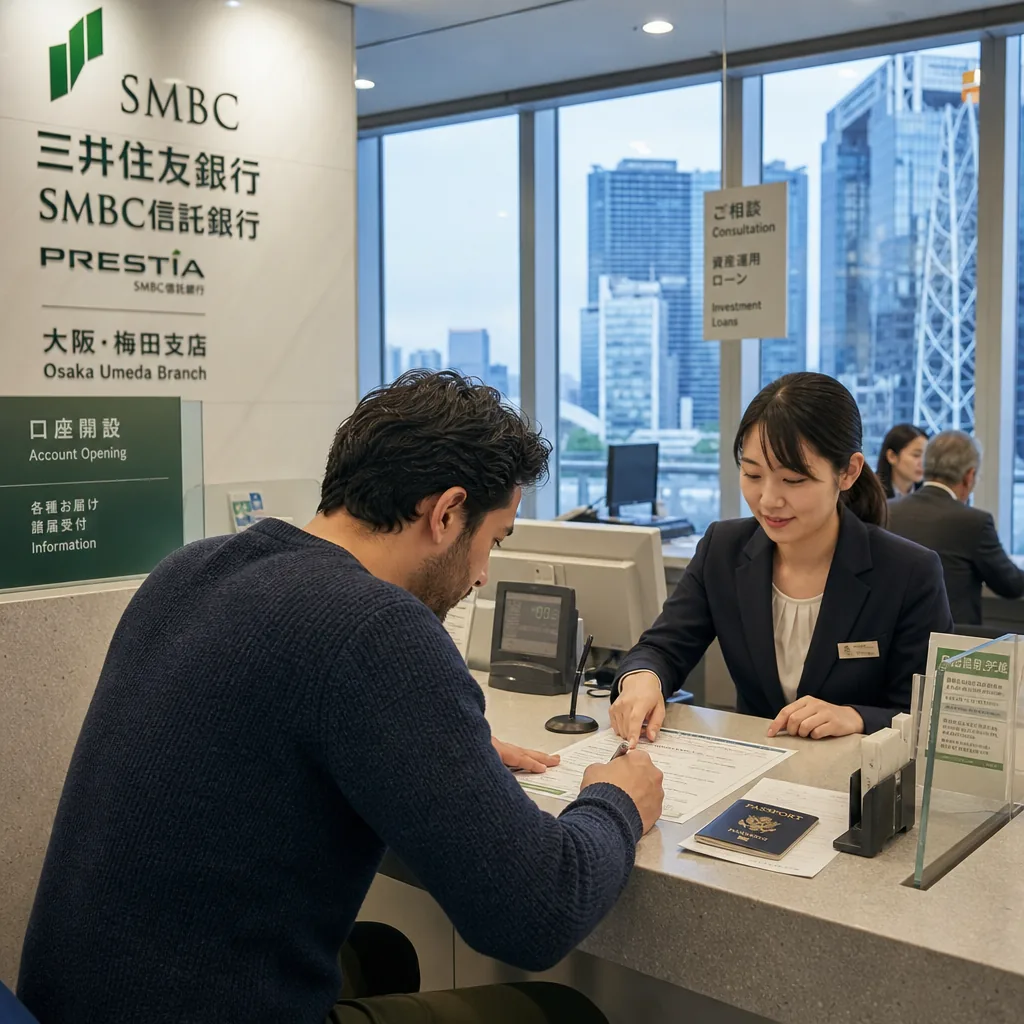
Yes—most expats can open a Japanese bank account in Osaka once they have local residency and can pass the bank’s identity checks. In practice, that usually means bringing a residence card, passport, and My Number-related documents, then applying at a branch that accepts foreign customers; the exact rules vary by bank [1][2][3][4].
The biggest requirement is having a stable status in Japan that the bank can verify. The Japan Bankers Association says banks must confirm identity and may request additional documents depending on compliance checks, while major banks note that requirements differ by institution [1][2][3][4].
For Osaka residents, the city’s resident registration system is important because banks often want to see proof of a local address. Osaka City explains that new residents should complete municipal registration and handle My Number procedures after moving in, which helps create the documentation trail banks expect [5].
If you have only just arrived in Osaka, be aware that some banks may be reluctant to open accounts immediately after arrival or without a stable local address. That is not a universal rule, but it is a common practical hurdle highlighted by bank guidance [1][2][3][4].
There is no single “easiest” bank, because opening rules depend on the branch and your individual situation. Still, large institutions such as Mitsubishi UFJ Bank, SMBC, and Resona all publish guidance for foreign customers, which is useful if you want to prepare before visiting a branch in Osaka [2][3][4].
Mitsubishi UFJ Bank provides English information for foreign customers, SMBC has an English page for foreign residents, and Resona offers an account-opening page specifically for foreign nationals [2][3][4]. That does not guarantee approval, but it does mean these banks are accustomed to serving newcomers.
In Osaka, practical branch access matters. If you live near Umeda, Namba, or Tennoji, choosing a branch you can revisit easily is smart because many traditional bank accounts still require an in-person visit for application, document review, or follow-up questions [1][2][3][4]. 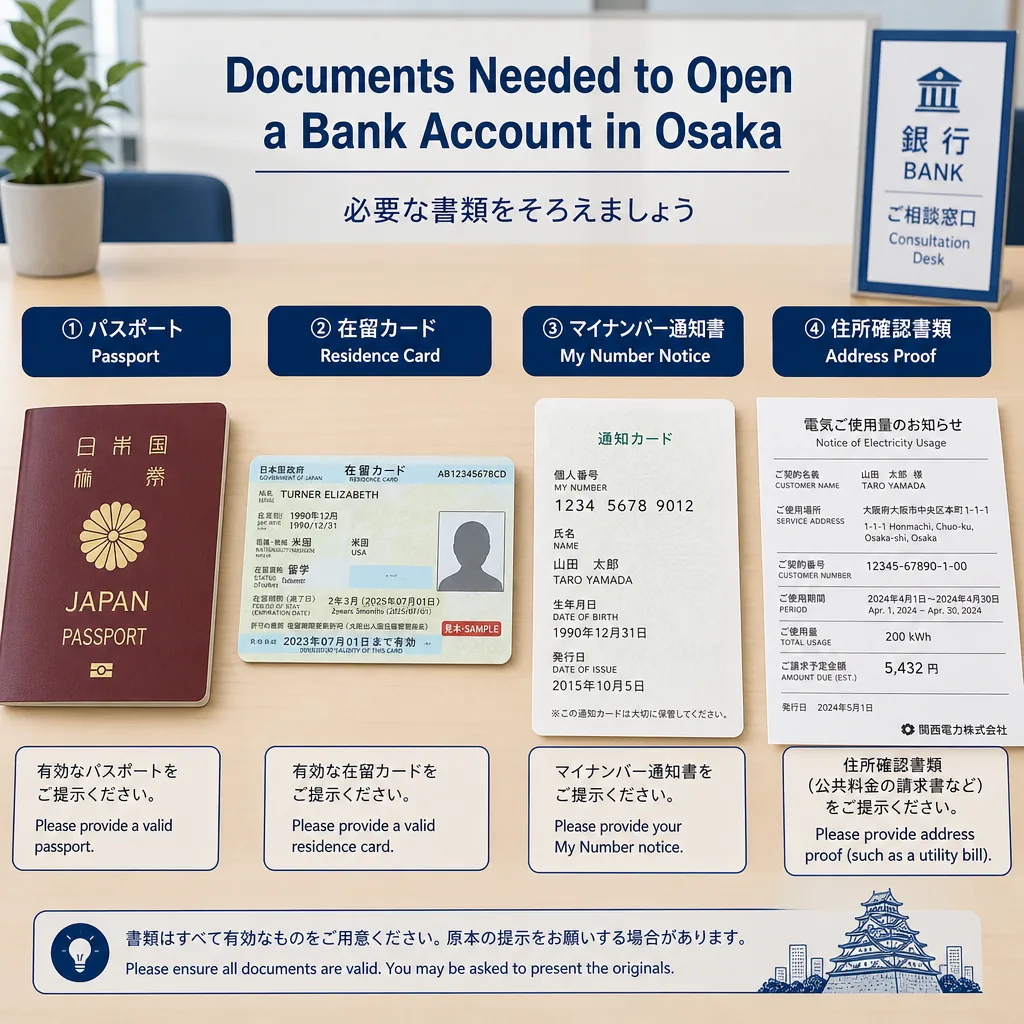
For everyday use, remember that banks may have different rules for cash cards, online banking, and language support. Even when English pages exist, the actual branch process may still be conducted mainly in Japanese, so bringing a Japanese-speaking friend or colleague can be helpful if you are unsure [1][2][3][4].
The typical process in Osaka is straightforward, but it can take time if any document is missing. A good approach is to prepare first, then visit the branch, then return if the bank asks for extra documents or confirmation [1][2][3][4].
Japan Bankers Association guidance is clear that banks can ask for extra documents if needed for risk or compliance reasons [1]. So if the branch asks for something beyond the standard list, it does not necessarily mean there is a problem—it may simply be part of the verification process.
Banks in Japan do not apply one universal checklist. Instead, they verify who you are, where you live, and whether your application fits their internal rules [1][2][3][4].
In Osaka, the most common checks usually include:
Be careful with mismatched information. If the address on your residence card, municipal registration, and bank application do not line up, the bank may pause the process until you update your records. That is one reason Osaka City registration should be done promptly after moving [5].
The best way to avoid delays is to treat bank opening as a documentation exercise, not just a quick errand. The more neatly your records line up, the less likely the bank is to put your application on hold [1][5].
If you are rejected at one bank, do not assume all banks will say no. Because procedures differ by institution, another branch—or another major bank in Osaka—may have a different threshold for accepting newcomers [1][2][3][4].
Once your account is open, it becomes useful for the basics of living in Osaka: receiving salary, paying rent if your landlord accepts bank transfer, handling utilities, and setting up automatic payments. Banks also commonly issue cash cards and online banking access after the account is approved, though the timing varies [1][2][3][4].
If you live near major commuter or shopping areas such as Umeda, Namba, or Tennoji, having a local account can make recurring payments easier and reduce the need to carry cash for every bill. That matters in a city where everyday life still often involves bank transfers and ATM use, especially for housing and service contracts.
The key takeaway is simple: in Osaka, expats usually can open a Japanese bank account, but success depends on preparation. Register your address, gather your residence card, passport, and My Number details, and choose a bank that clearly states support for foreign residents [1][2][3][4][5].
CallButler is a multilingual concierge service that handles research, coordination, and bookings so you do not have to navigate language barriers or unfamiliar systems alone. If you need help related to How can expats open a Japanese bank account in Osaka? or the tasks around it, our team can step in to manage the details and keep things moving smoothly.
Find English-friendly yakitori in Osaka after work by targeting Umeda, Namba, and Honmachi, plus booking sites and multilingual menus.
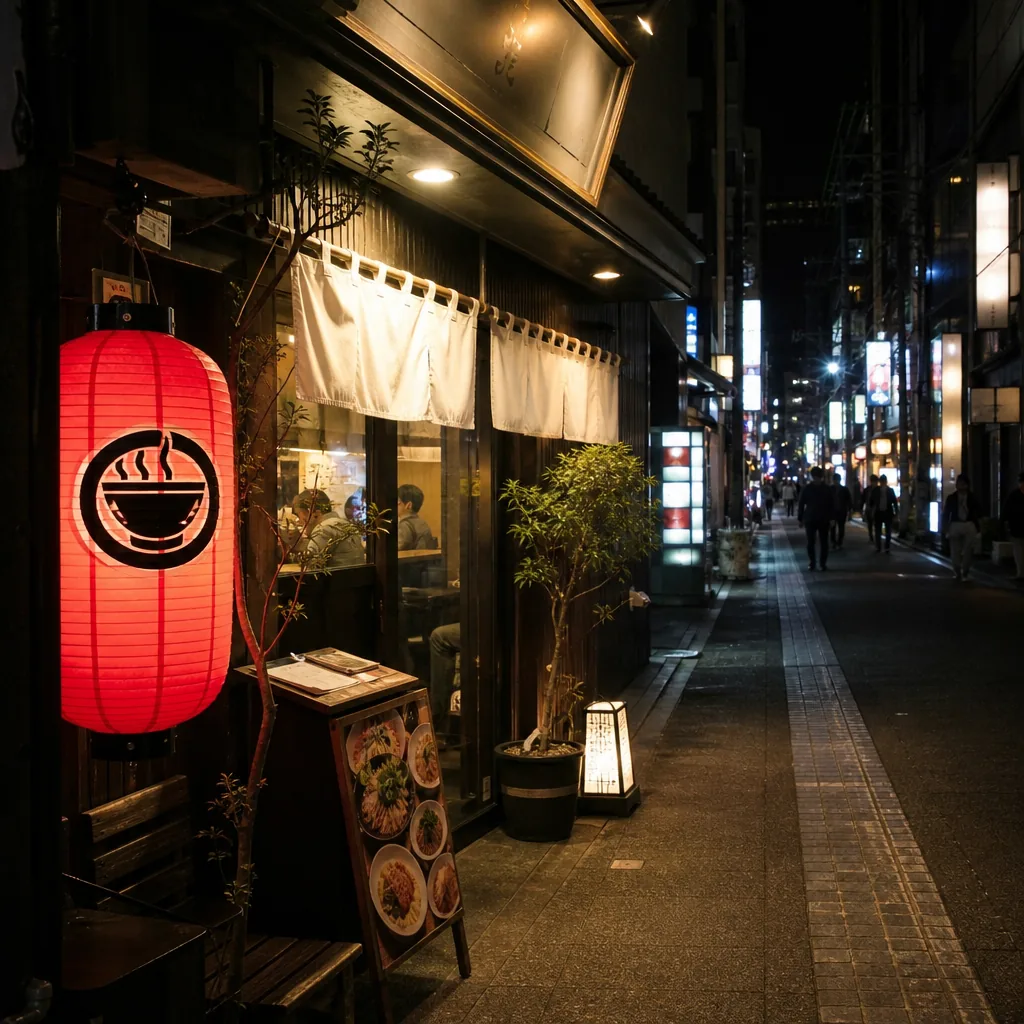
Looking for halal ramen in Kyoto after 10 p.m.? Here’s where to check, which areas are most practical, and how to verify hours and halal status.
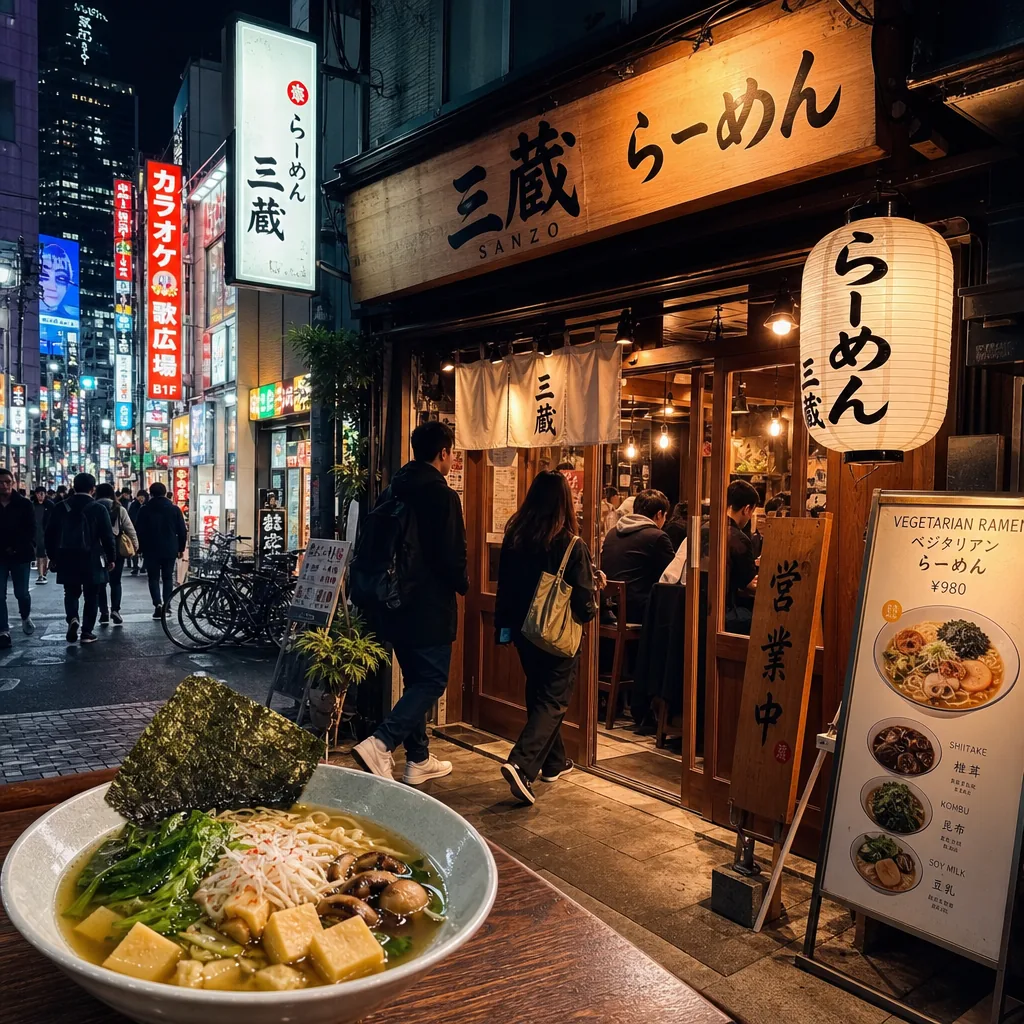
Find late-night vegetarian ramen in Tokyo by focusing on Shibuya, Shinjuku, and Roppongi, then verify broth, hours, and vegan menu details.