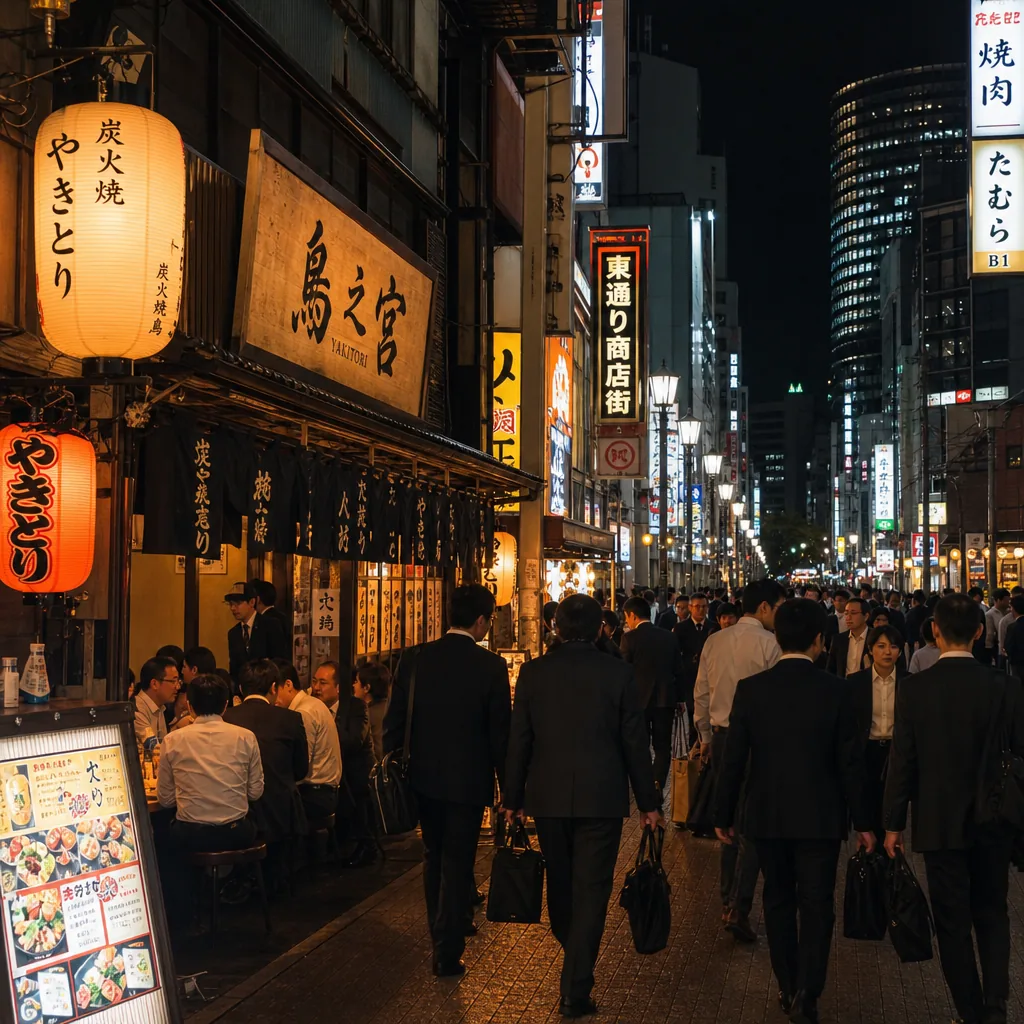
Where can I find english-friendly yakitori in Osaka after work?
Find English-friendly yakitori in Osaka after work by targeting Umeda, Namba, and Honmachi, plus booking sites and multilingual menus.
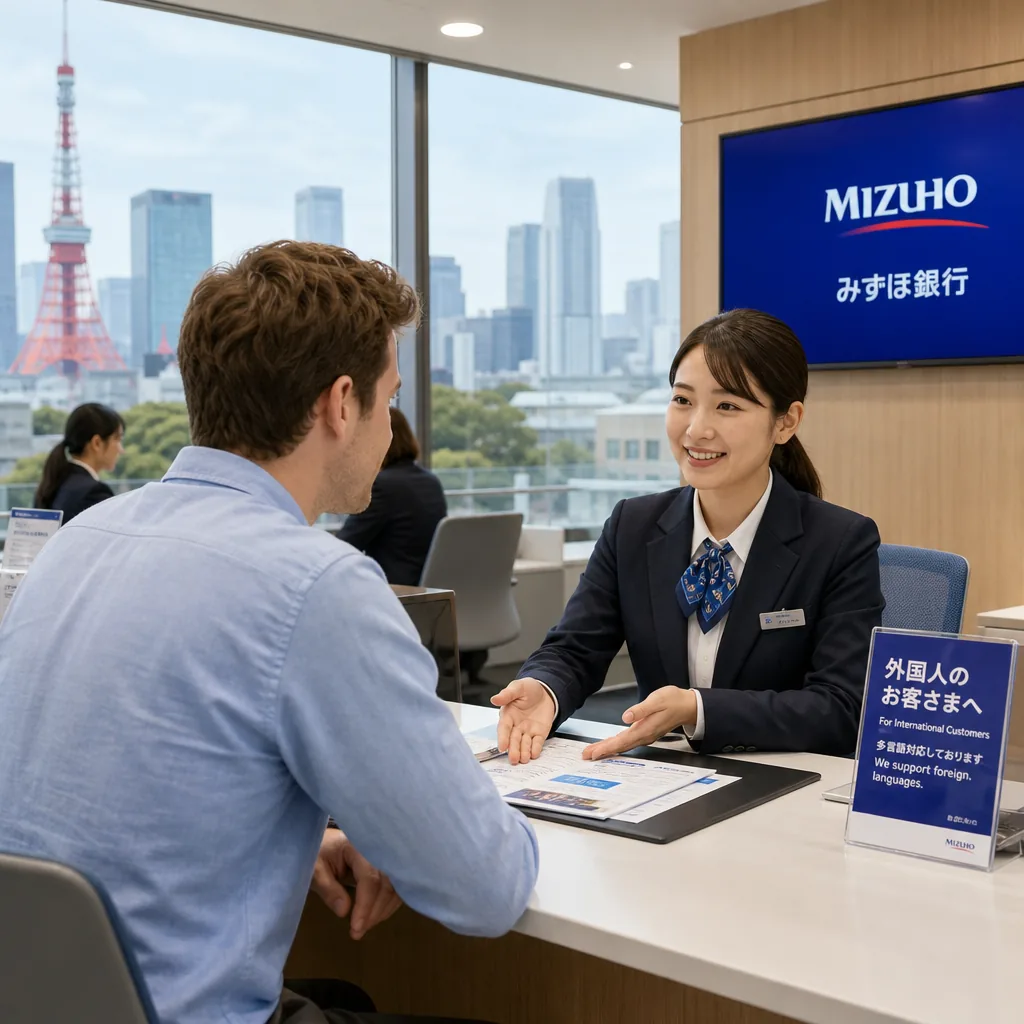
Yes—expats can open a bank account in Tokyo, but the process is document-heavy and the rules vary by bank and branch. In practice, you should expect to show identity, proof of address, and often a residence card and My Number documents, then explain why you need the account [1][2].
Most banks in Japan ask for a valid form of identification, proof of where you live, and a Japanese contact method before they will open an account [2]. For foreign residents, a residence card is commonly requested, and banks may also ask for My Number verification documents under Japan’s social security and tax number system [1][2].
Tokyo has many branches that handle foreign customers, but the rules are not identical everywhere. Some banks or branches may require that you have lived in Japan for a certain period before applying, while others will screen the application based on your residence status, job, and intended use of the account [2][3][4].
If you are near central business districts, major bank branches in places such as Marunouchi, Shinjuku, and Shibuya may have English support, but language service alone does not guarantee approval. MUFG Bank and SMBC Trust Bank PRESTIA both publish English account-opening guidance, which is useful because it shows that even large institutions still require you to check their specific conditions in advance [3][4].
Before visiting a branch, prepare the following basics so you do not have to return later:
Japan’s Ministry of Internal Affairs and Communications explains that My Number is used for administrative and tax procedures, so banks may ask for verification to confirm your number [1]. Tokyo Metropolitan Government’s Living Guide for Foreign Residents also emphasizes that newcomers should prepare local paperwork carefully and check the procedure for each office or service provider [5].
If you have only recently arrived, bring anything that helps show your current Tokyo address. This matters because a bank may use your address to verify that you are a genuine resident and to send your debit card, cash card, or account notices later [2][3].
In Tokyo, the most common approach is to apply at a branch rather than expecting instant online approval. At the branch, staff will ask for your documents, confirm your address and phone number, and ask what you will use the account for—such as salary deposits, rent payments, or everyday transfers [2][3][4].
Some banks may also ask about your employment status and how long you plan to stay in Japan. That screening is not unusual; Japanese banking guidance states that applications can involve checking the purpose of the account and other basic details to prevent misuse [2].
At institutions with English-language support, such as MUFG Bank and SMBC Trust Bank PRESTIA, the account-opening pages make clear that you should review eligibility and required documents first, then apply according to the bank’s process [3][4]. In practical terms, that usually means: book a branch visit if needed, bring originals, fill out forms, and wait for approval or card delivery after the bank reviews your application.
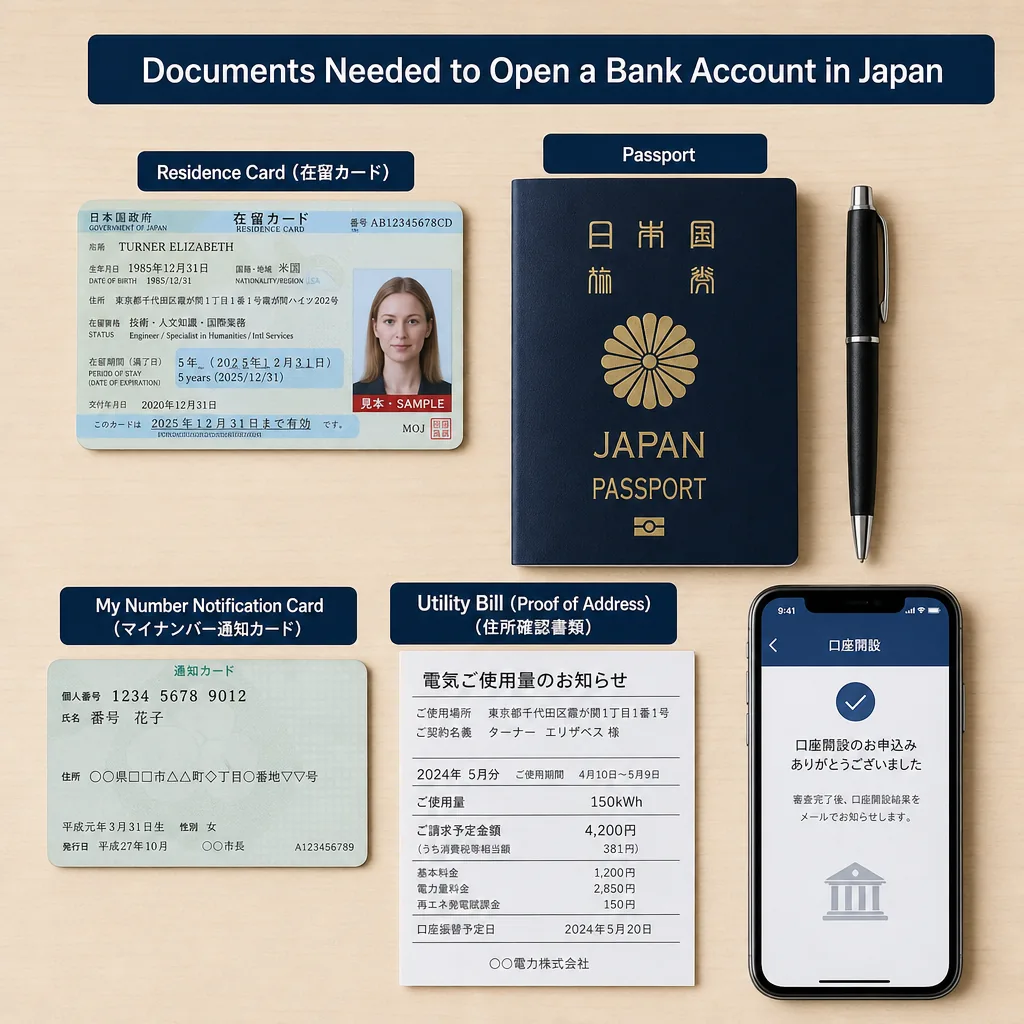
For example, if you are living in Shinjuku or along the Yamanote Line, choosing a branch with foreign-customer guidance can save time because staff are more likely to know which documents they need. The Tokyo Metropolitan Government’s foreign-resident guide is a good starting point for understanding local services, but the bank itself is the final authority on account-opening rules [5].
The biggest delay is usually missing paperwork. A bank may reject or postpone your application if your residence card address does not match your current Tokyo address, if your phone number cannot be verified, or if you do not have My Number documents ready when asked [1][2].
Another common issue is the waiting period for newly arrived residents. Some banks and branches have extra caution for accounts opened soon after arrival, so if you have just landed in Tokyo, do not assume every branch will approve you immediately [2][3].
To avoid delays, use this checklist:
If you are unsure whether your documents will be accepted, call or visit a branch in a major commercial area such as Marunouchi, Shinjuku, or Nihonbashi, where larger banks are more likely to handle non-Japanese applicants regularly. That does not guarantee success, but it can reduce confusion and repeated visits.
When comparing banks in Tokyo, do not focus only on brand name. Look at how easy the bank makes it for foreign residents to open an account, whether the branch or app supports English, and whether the account type fits your plans [3][4].
Here are practical factors to weigh:
Tokyo offers plenty of options, but the best choice is usually the bank whose requirements you can meet right now. The Japan Finance Association’s guidance makes the key point clearly: check the bank’s rules first, bring the right documents, and be prepared for questions about your status and purpose [2].
For expats, the most reliable strategy is simple: prepare your passport, residence card, address proof, and My Number documents, then apply at a Tokyo branch that explicitly supports foreign residents. If you do that, opening a bank account in Tokyo is very manageable, even if it takes more than one visit [1][2][3][4][5].
CallButler is a multilingual concierge service that handles research, coordination, and bookings so you do not have to navigate language barriers or unfamiliar systems alone. If you need help related to How can expats open a bank account in Tokyo? or the tasks around it, our team can step in to manage the details and keep things moving smoothly.
Find English-friendly yakitori in Osaka after work by targeting Umeda, Namba, and Honmachi, plus booking sites and multilingual menus.
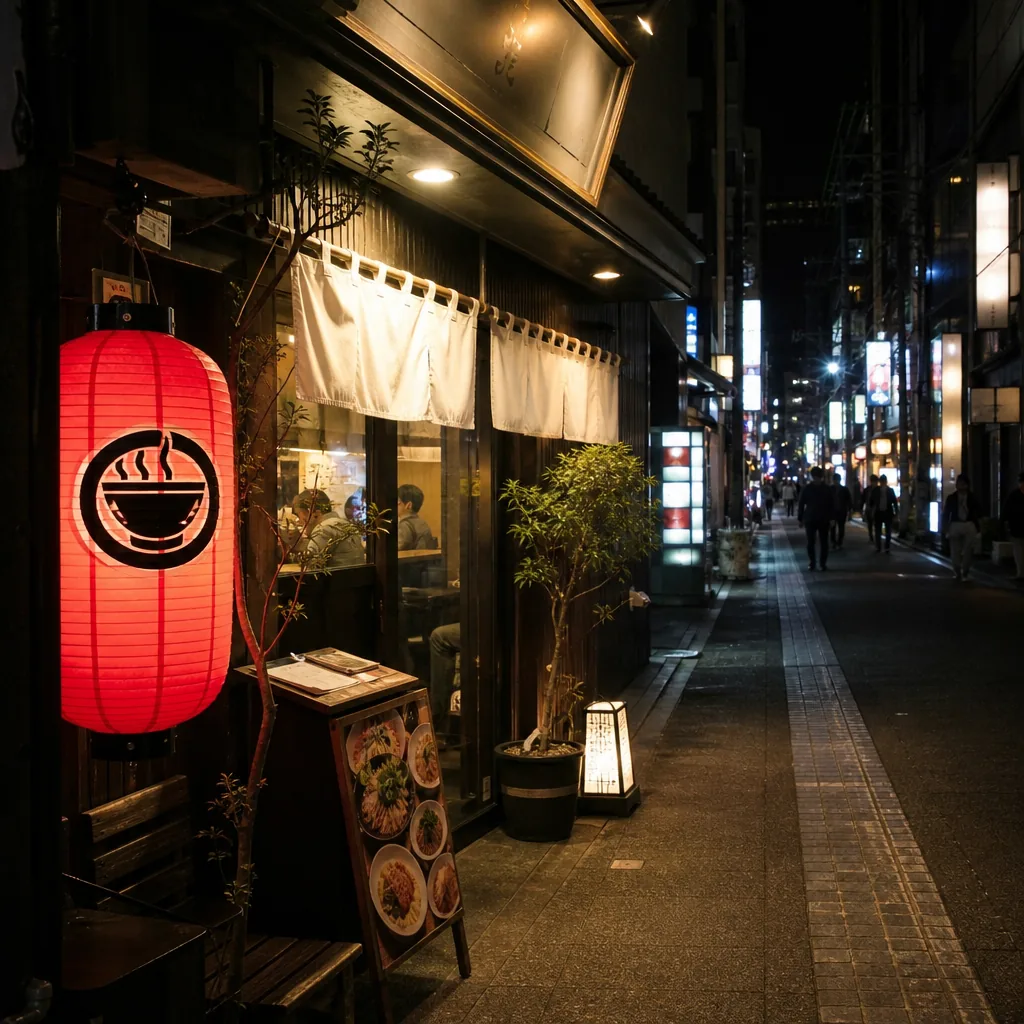
Looking for halal ramen in Kyoto after 10 p.m.? Here’s where to check, which areas are most practical, and how to verify hours and halal status.
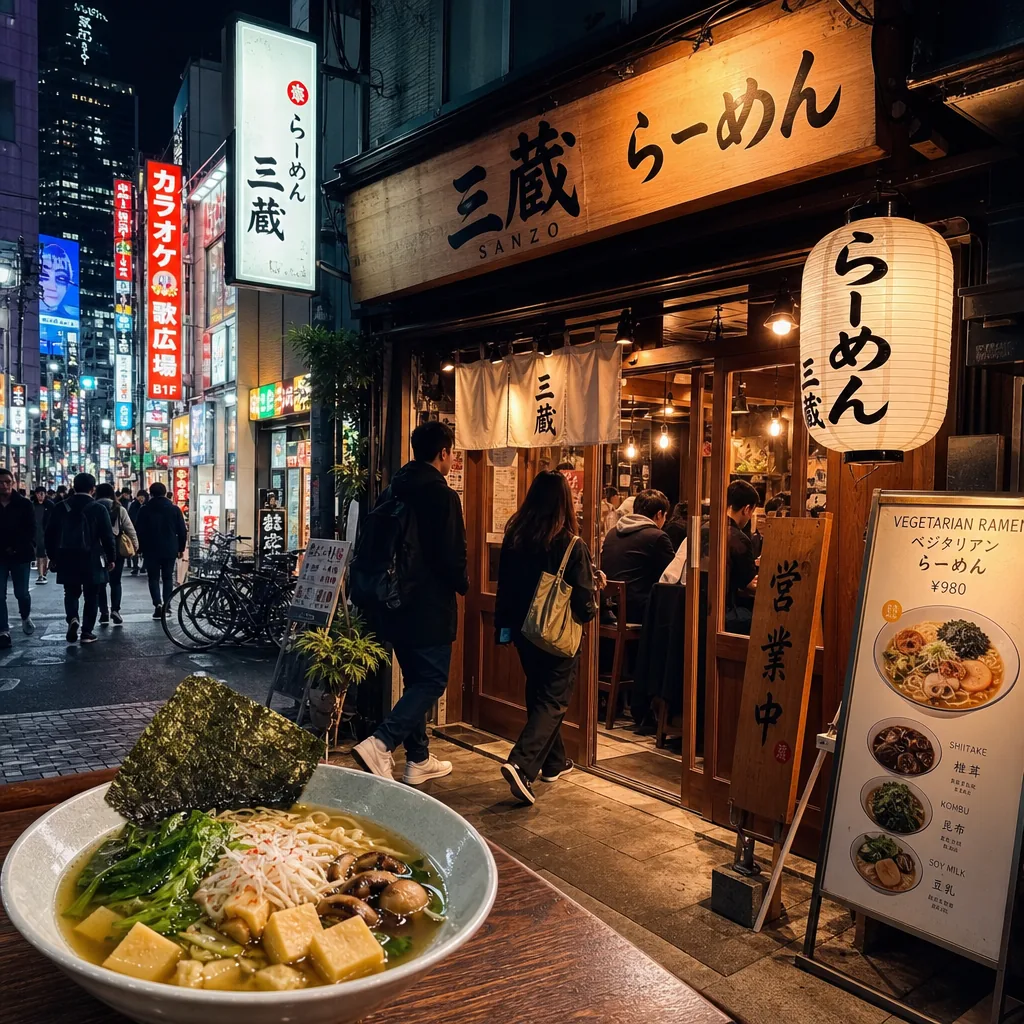
Find late-night vegetarian ramen in Tokyo by focusing on Shibuya, Shinjuku, and Roppongi, then verify broth, hours, and vegan menu details.