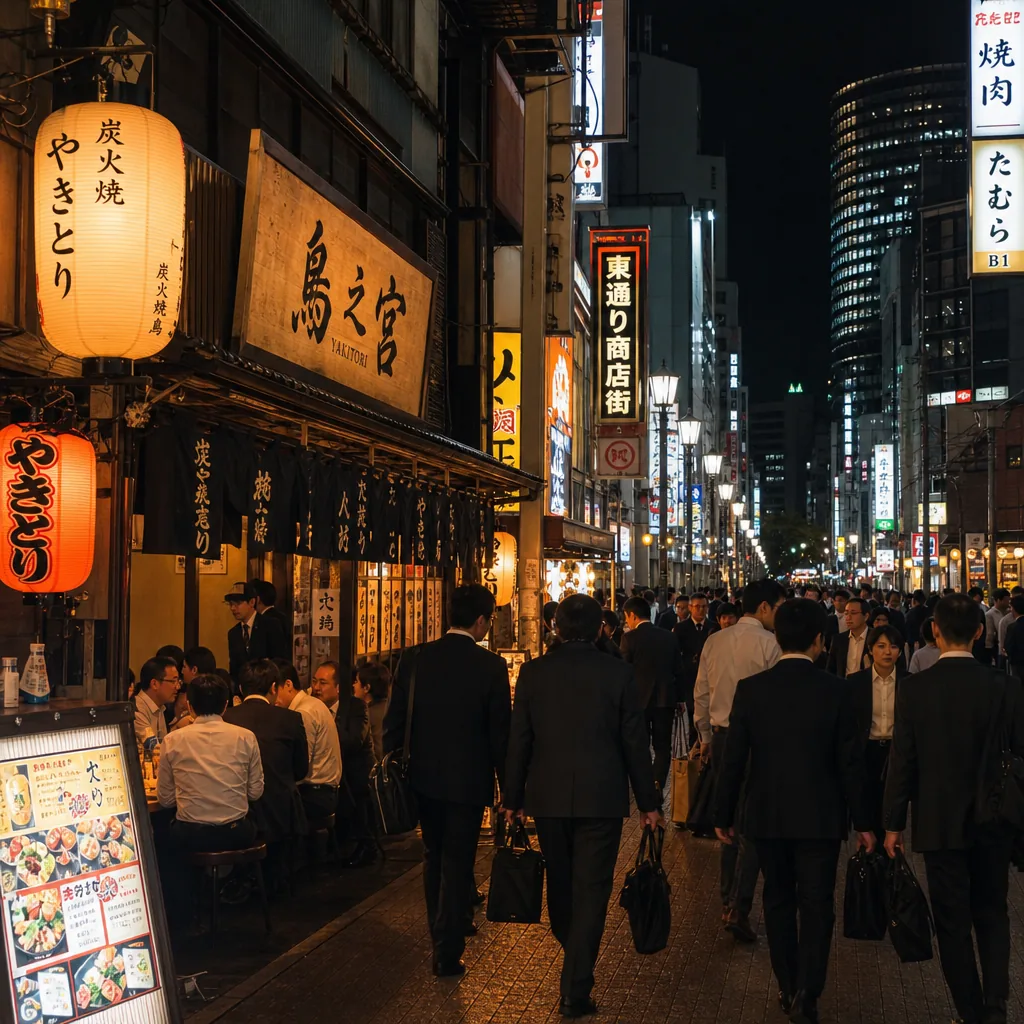
Where can I find english-friendly yakitori in Osaka after work?
Find English-friendly yakitori in Osaka after work by targeting Umeda, Namba, and Honmachi, plus booking sites and multilingual menus.
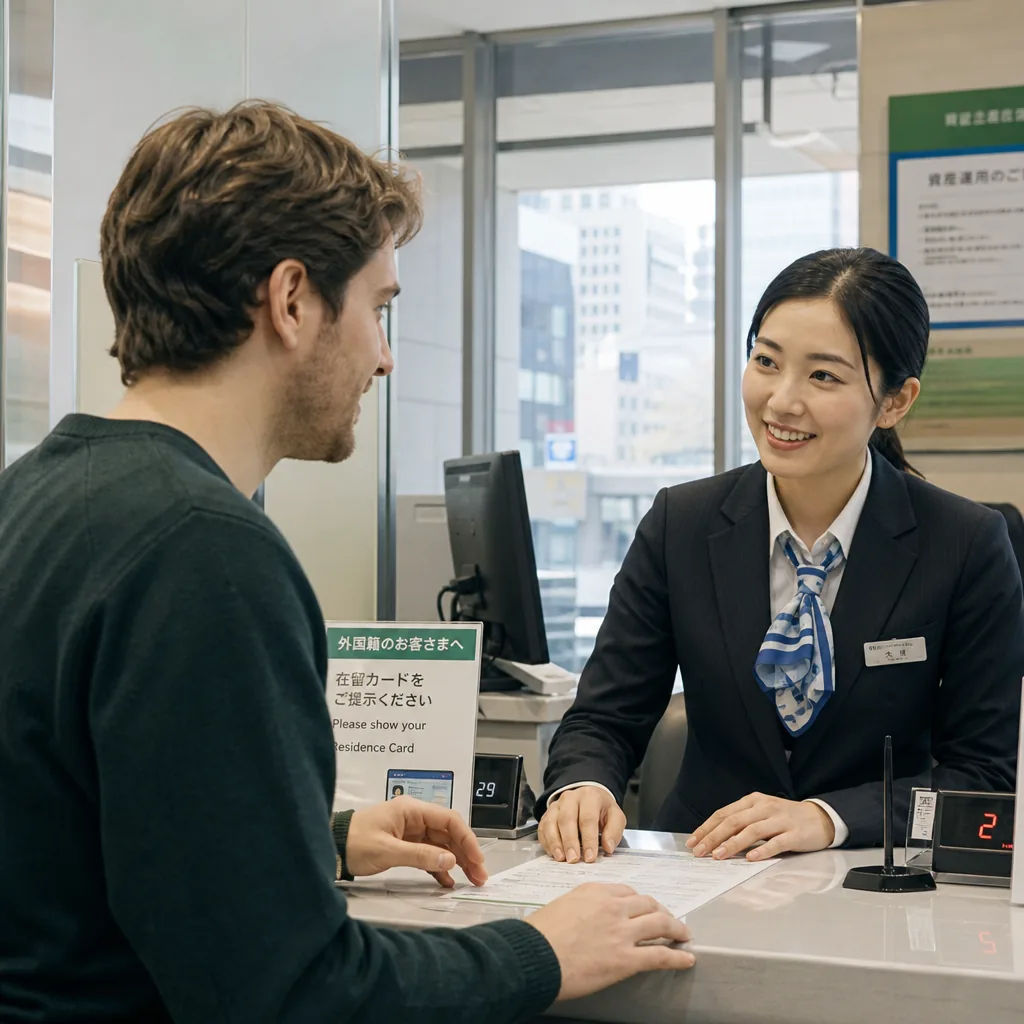
Yes—many expats can open a bank account in Tokyo after landing, but you usually need to wait until you have a residence card, a Japanese address, and often a local phone number. In practice, the easiest path is to prepare your documents first, then apply at a bank that clearly accepts foreign residents, such as Japan Post Bank, MUFG Bank, or SMBC Trust Bank PRESTIA [1][4][5].
Tokyo banks generally follow the same basic rule: they must verify your identity and your local residence before opening an account. The Financial Services Agency says banks in Japan may require identity documents and information that confirms your address and purpose of use, and foreign residents are commonly asked for a residence card [2].
For most new arrivals, the practical checklist looks like this:
Tokyo Metropolitan Government’s foreign-resident information service also directs newcomers to local life procedures and support, which is useful because your bank application often depends on having completed address registration at your ward office first [3]. If your move is still fresh, that address registration step matters more than many expats expect.
There is no single “best” bank for every expat in Tokyo, but some institutions publish clearer guidance for foreign customers than others. Japan Post Bank provides a public account-opening guide and lists the documents and procedures needed, which makes it a common starting point for new residents [1].
MUFG Bank states that non-Japanese customers can open accounts and provides dedicated account-opening information in English [4]. SMBC Trust Bank PRESTIA also offers English guidance for foreign customers and positions itself as accessible for account opening by non-Japanese residents [5].
In practical terms, these options are often considered because they have visible foreign-customer information, branch networks in Tokyo, and structured application steps. If you want fewer surprises, choose a bank that explicitly explains its process for foreign residents instead of walking into a branch with no preparation [1][4][5].
If you are trying to open an account soon after arriving in Tokyo, the process is usually straightforward once your documents are ready. The catch is timing: many banks will not process a full application until your local details are stable.
At Japan Post Bank, the public guide explains that account opening follows a formal procedure and document check, so do not assume same-day approval [1]. At major banks such as MUFG, the application can also involve review of your residence status and details of your stay [4]. That is why arriving in Tokyo and opening an account on the same day is uncommon unless you already have everything in order.
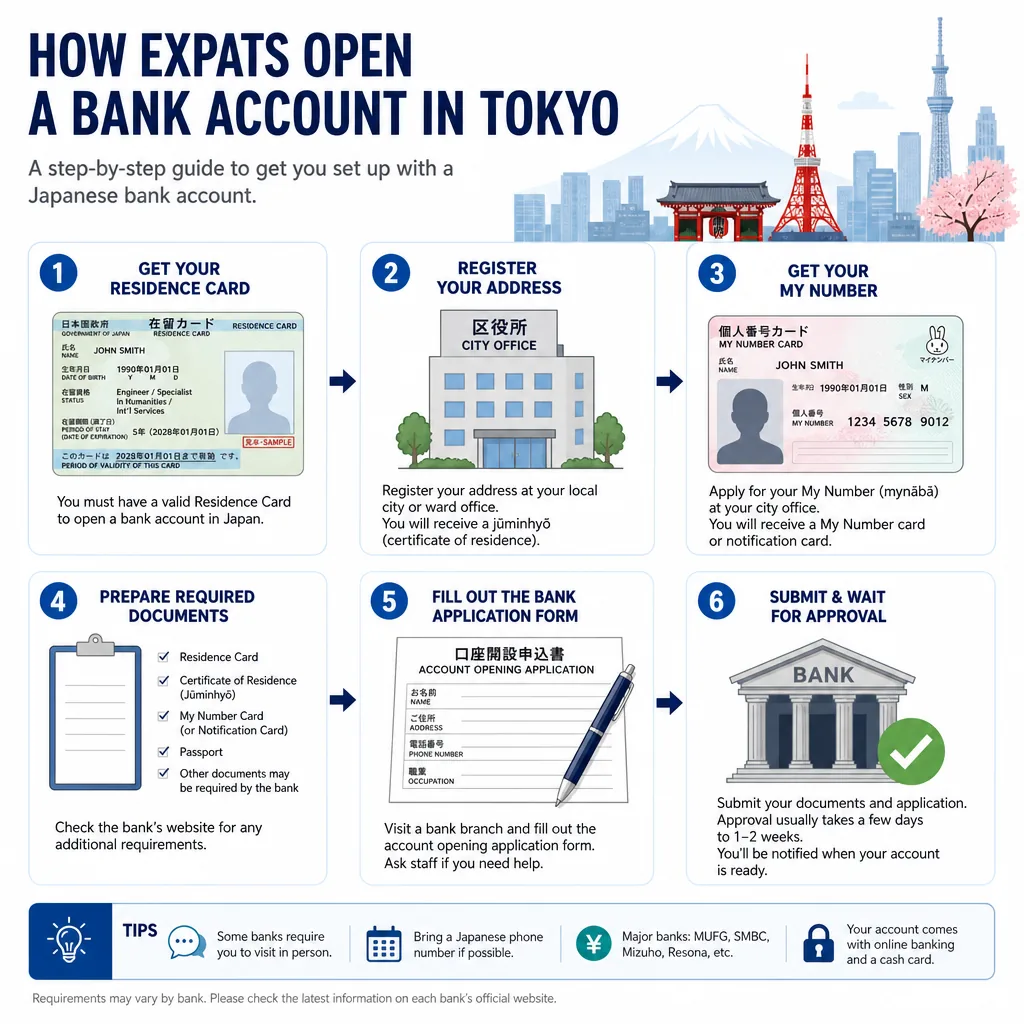
Account opening failures in Tokyo are often about documentation, not nationality. Banks may refuse or delay applications if you have just arrived, if your address is not yet settled, or if your stated purpose for the account is unclear [2][4][5].
Common reasons include:
The Financial Services Agency notes that banks use verification measures to manage risk and comply with rules, so expect the branch to ask detailed questions about why you need the account and how you will use it [2]. If you are a student, employee, or resident of a Tokyo ward, say so clearly and match your explanation to your visa and housing documents.
Once your account is open, you can use it for salary deposits, utility payments, and rent transfers. In Tokyo, that matters quickly because many landlords, employers, and mobile carriers prefer a Japanese bank account for ongoing billing [2][3].
To avoid delays, do these three things right away:
Branches near major transport and business areas such as Marunouchi, Shinjuku, and Shibuya are often convenient for newcomers because they are easy to reach after office hours or during initial settlement. If you are still in the process of finding your footing, a bank with a Tokyo branch network can save time compared with relying on one distant office [4][5].
If your application is delayed, you still have practical ways to manage money in Tokyo for the first few weeks. The FSA advises consumers to understand available financial services in Japan, and that includes using alternatives while you wait for full bank access [2].
Useful stopgaps include:
Tokyo is very usable without a bank account for a short period, but only up to a point. The goal is to move from temporary workarounds to a normal account as soon as your residence card, address registration, and identification are aligned. If you prepare those basics before visiting a branch, your chances of success are much better [1][2][4][5].
CallButler is a multilingual concierge service that handles research, coordination, and bookings so you do not have to navigate language barriers or unfamiliar systems alone. If you need help related to How can expats open a bank account in Tokyo after landing? or the tasks around it, our team can step in to manage the details and keep things moving smoothly.
Find English-friendly yakitori in Osaka after work by targeting Umeda, Namba, and Honmachi, plus booking sites and multilingual menus.
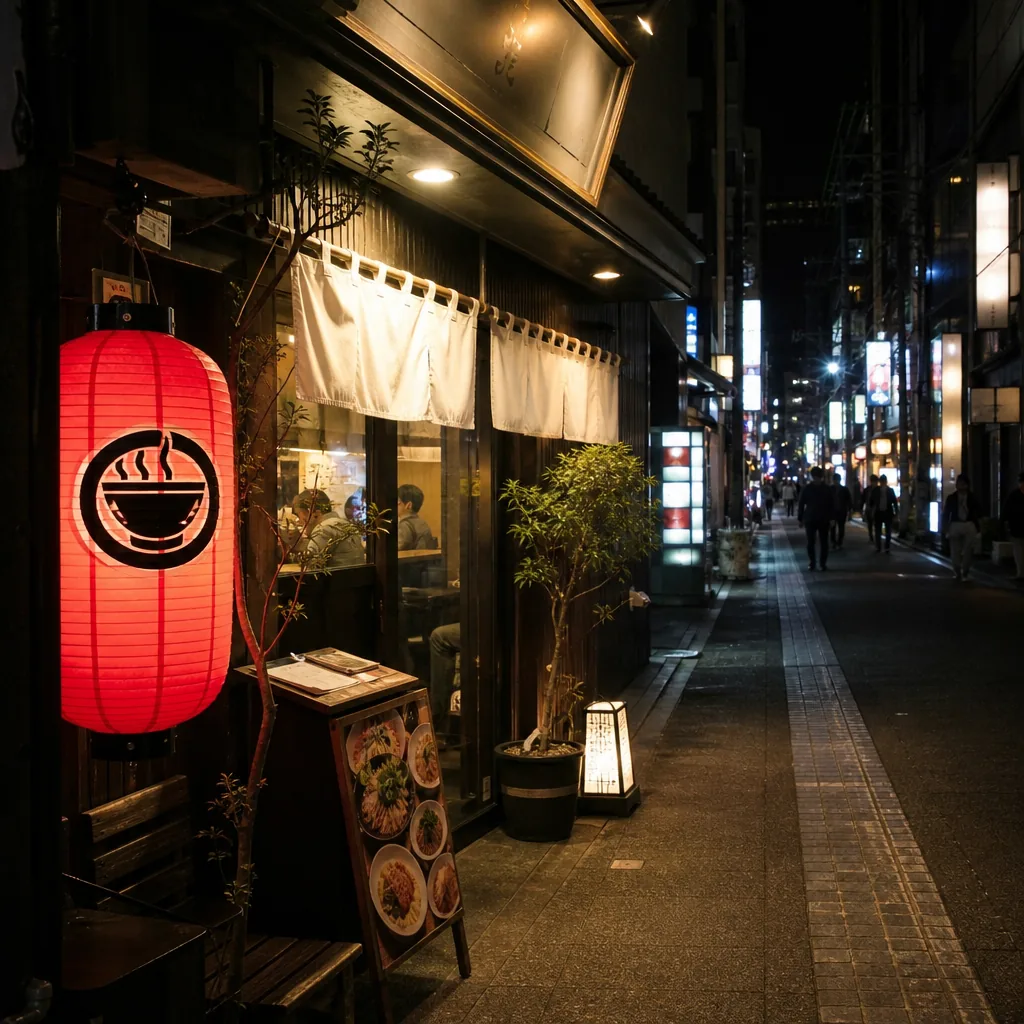
Looking for halal ramen in Kyoto after 10 p.m.? Here’s where to check, which areas are most practical, and how to verify hours and halal status.
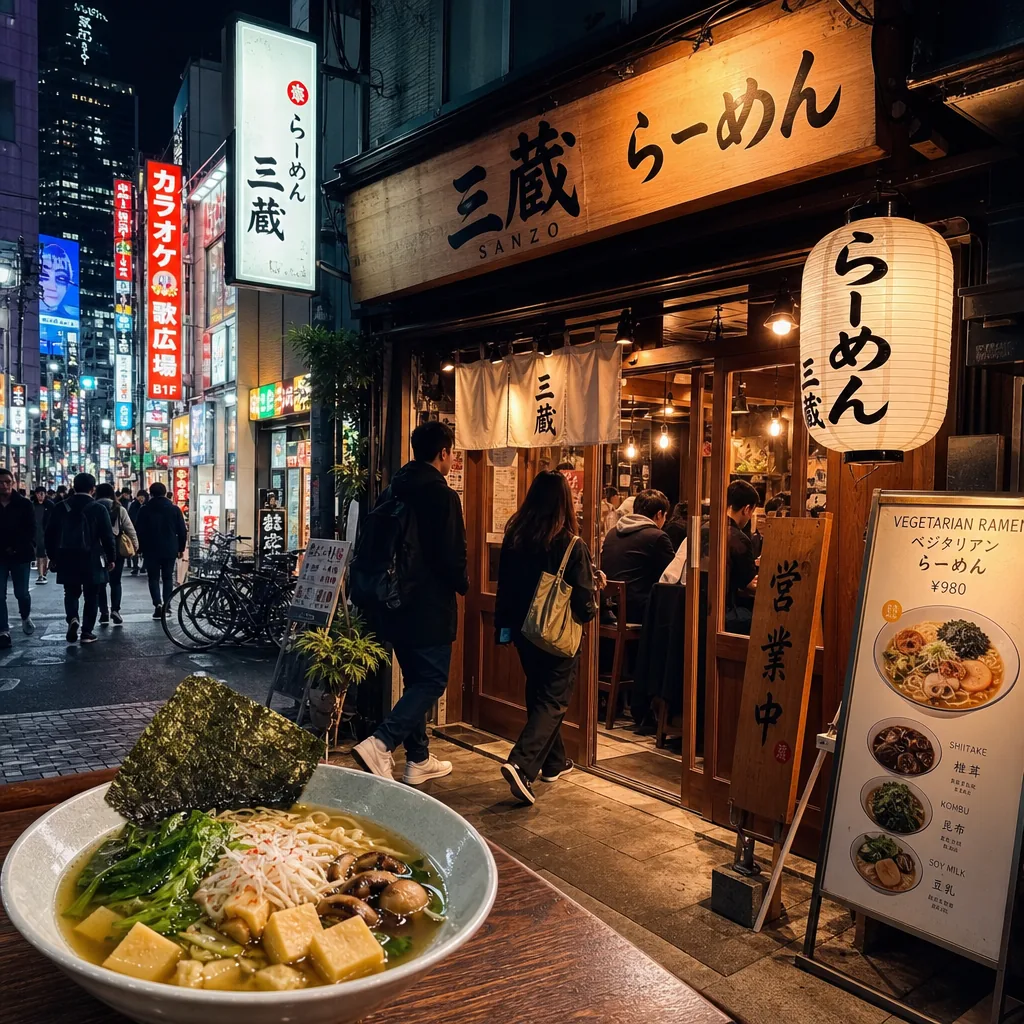
Find late-night vegetarian ramen in Tokyo by focusing on Shibuya, Shinjuku, and Roppongi, then verify broth, hours, and vegan menu details.