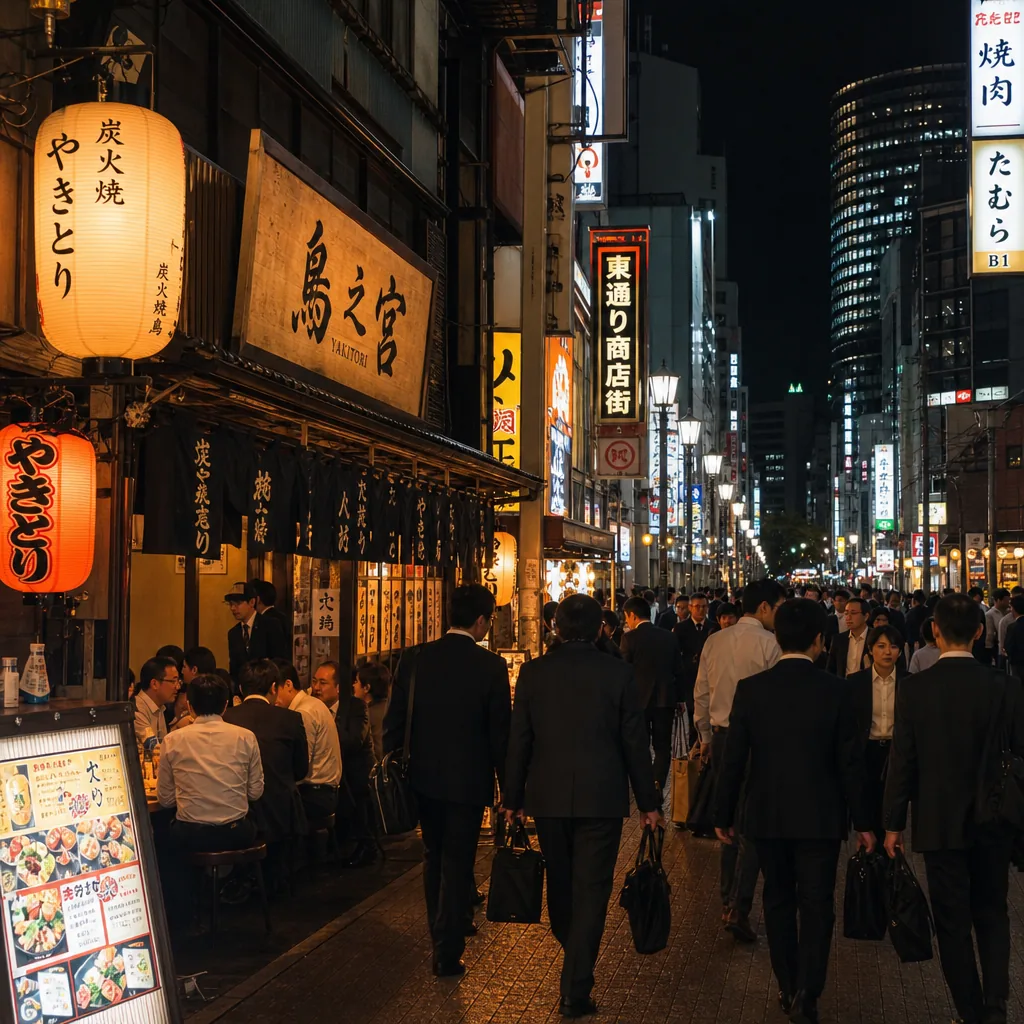
Where can I find english-friendly yakitori in Osaka after work?
Find English-friendly yakitori in Osaka after work by targeting Umeda, Namba, and Honmachi, plus booking sites and multilingual menus.
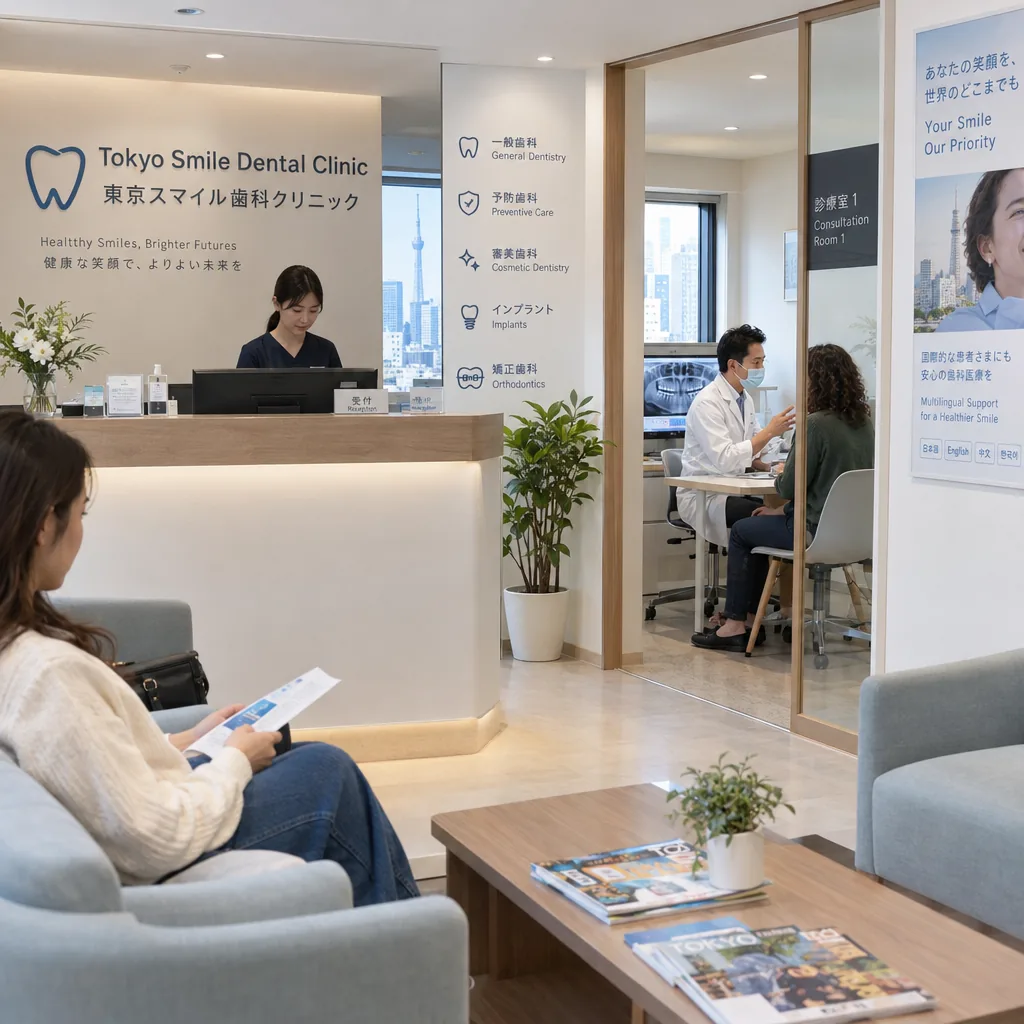
Expats can get English-speaking dental care in Tokyo by using official medical directories, checking clinics’ language support, and confirming appointments directly. Before booking, ask whether the dentist can explain treatment in English, whether the clinic accepts Japanese public health insurance, and what your likely out-of-pocket costs will be.[1][3]
English support can mean different things: an English website, an English-speaking receptionist, or a dentist who can discuss treatment options without an interpreter. For dental care, that distinction matters when you need to understand X-rays, consent to an extraction, or compare filling materials. Confirm who will communicate with you during the actual appointment.
Use these resources to build a shortlist rather than relying only on search-engine reviews:
Keep the search practical. If your office is in Shinjuku, search near work; if you live in Shibuya, prioritize appointments you can attend repeatedly. Both are useful Tokyo locations to enter when narrowing a medical-provider search, rather than assuming that any English-speaking clinic elsewhere in the city will be convenient.[3] For residents of Shinagawa, combine the same search process with the association’s local guidance.[5]
An online reservation form does not establish that the dentist speaks English or that the appointment is confirmed. Check the clinic’s own website, then call or email with your symptoms, preferred dates, and insurance status. Ask for a reply confirming the appointment and the language arrangements.
A short message keeps the essential questions together: “I am a new patient with tooth pain. Can the dentist explain the examination and treatment in English? Do you accept Japanese public health insurance, and is an urgent appointment available?”
For ongoing treatment, ask whether you can book with the same dentist. Consistent communication is especially valuable when discussing alternatives or checking whether symptoms have improved.
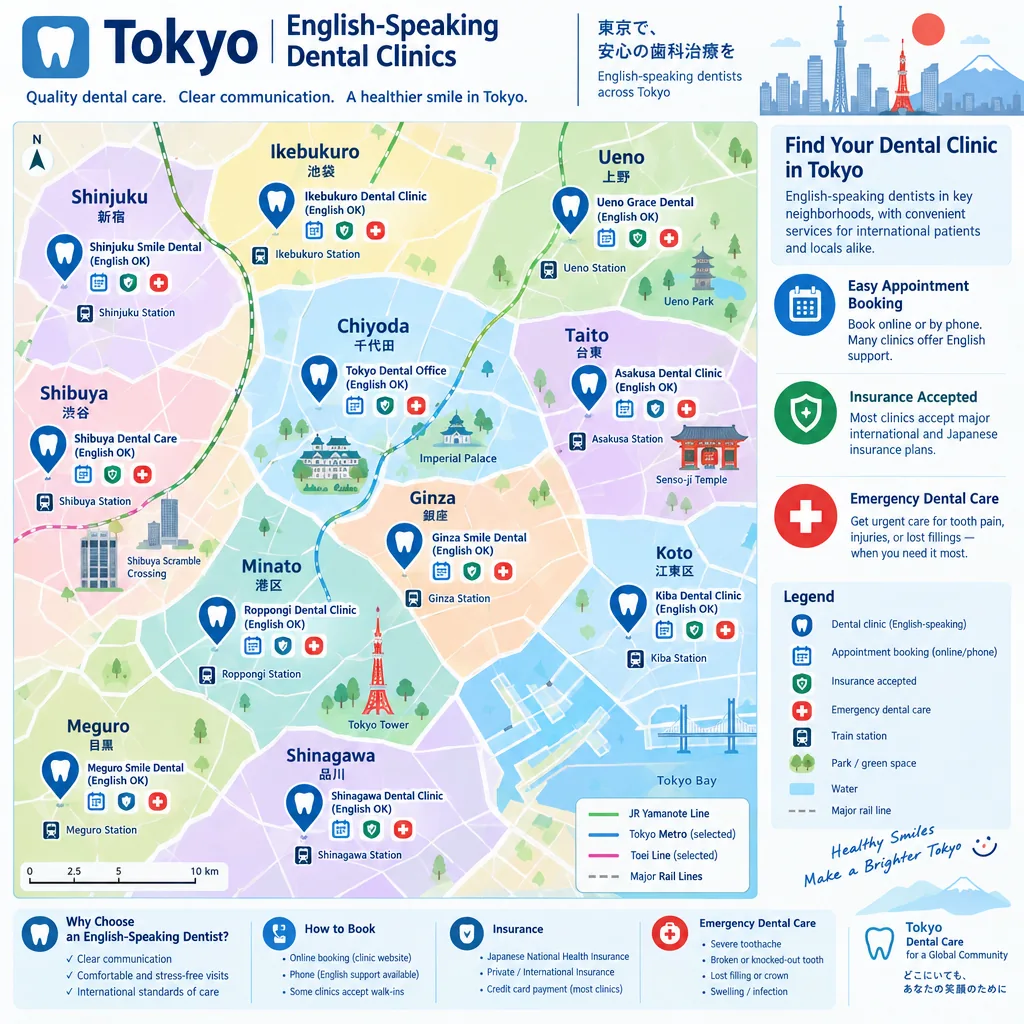
Bring identification, your current insurance eligibility documentation, a medication list, and details of allergies or previous dental treatment. Tokyo’s foreign-resident living guide is a useful reference for understanding local healthcare arrangements before your visit.[2]
For public insurance, bring a My Number card registered for health-insurance use or your valid eligibility confirmation document, as applicable. If you are unsure which document you need, check with your insurer and the clinic before attending.[4]
Before treatment begins, explain where the pain is, when it started, and whether you have swelling or sensitivity. Ask the dentist to describe any recommended X-rays, the diagnosis, and the available treatment options in English. Do not assume that a first appointment includes every procedure: ask how many visits are expected and whether temporary treatment will require a return appointment.
Request written aftercare instructions where possible. If English paperwork is unavailable, ask the dentist to write down the procedure, medication instructions, and next appointment details clearly enough for you to review later.
Under Japanese public health insurance, most working-age insured patients generally pay 30% of covered medical expenses, with insurance paying the remaining 70%. Different rules apply to some age groups and circumstances. This percentage applies to covered care—not automatically to every dental service a clinic offers.[4]
Medically necessary dental treatment can fall within public insurance, while cosmetic procedures and some materials or treatment choices may be private-pay. Ask the clinic to separate insured treatment from optional private treatment before you agree.[4]
For urgent tooth pain, a broken tooth, or swelling, telephone rather than relying on an unanswered booking form. Describe the symptoms and ask whether the clinic can assess you that day. If it cannot, ask for a referral or use Tokyo’s medical information service to help identify another provider.[1]
Difficulty breathing or swallowing, rapidly spreading swelling, or serious facial trauma requires urgent medical assessment; call 119 for an ambulance when necessary.[1][2] Before leaving any dental appointment, confirm the next visit, medication instructions, and whom to contact if symptoms worsen. Save those details in your phone so your next step is clear.
CallButler is a multilingual concierge service that handles research, coordination, and bookings so you do not have to navigate language barriers or unfamiliar systems alone. If you need help related to How can expats get English-speaking dental care in Tokyo? or the tasks around it, our team can step in to manage the details and keep things moving smoothly.
Find English-friendly yakitori in Osaka after work by targeting Umeda, Namba, and Honmachi, plus booking sites and multilingual menus.
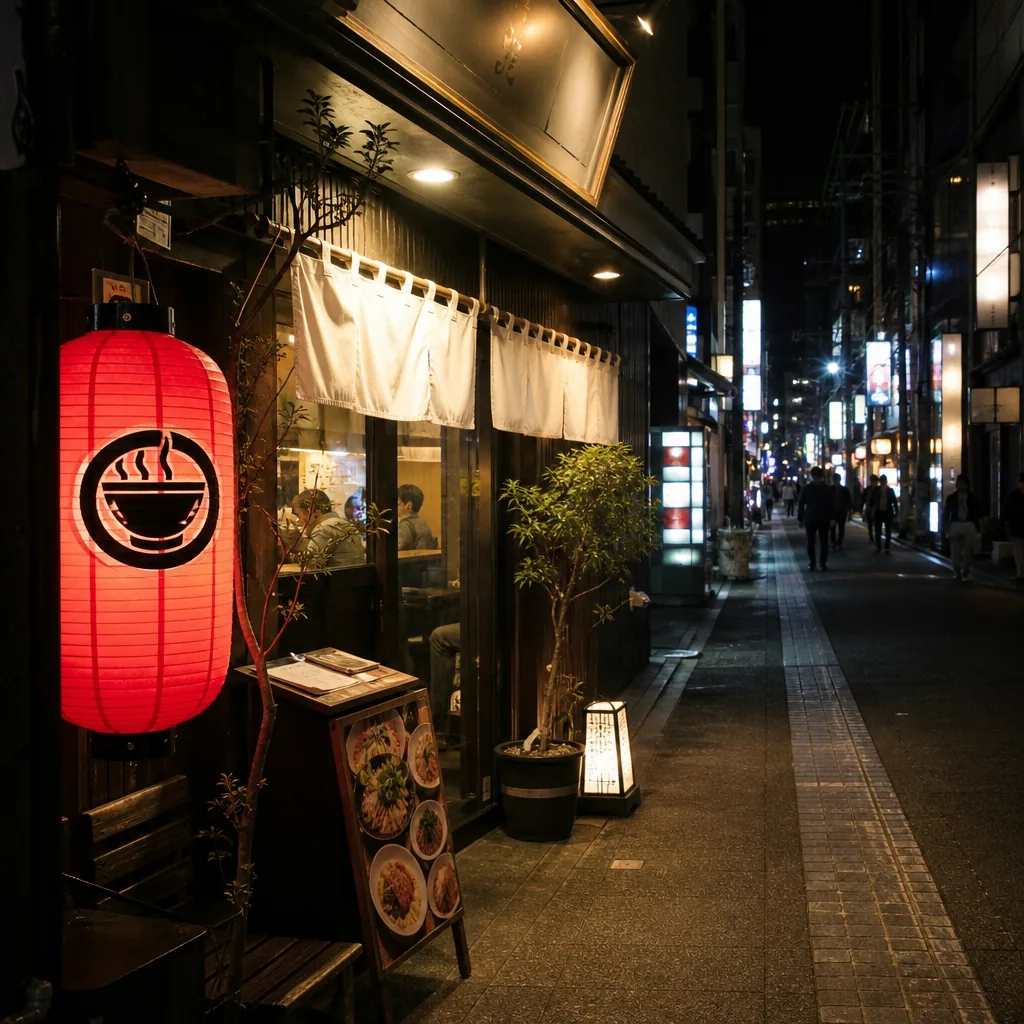
Looking for halal ramen in Kyoto after 10 p.m.? Here’s where to check, which areas are most practical, and how to verify hours and halal status.
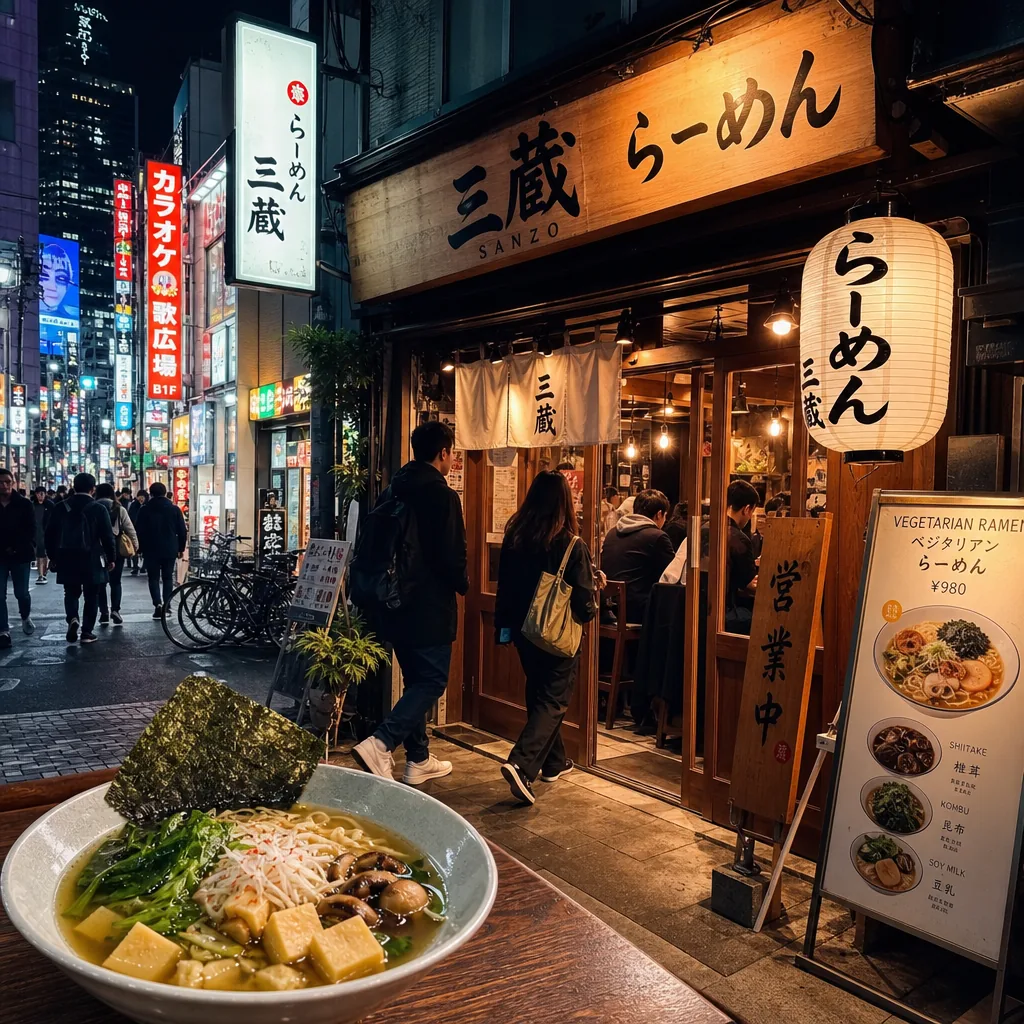
Find late-night vegetarian ramen in Tokyo by focusing on Shibuya, Shinjuku, and Roppongi, then verify broth, hours, and vegan menu details.