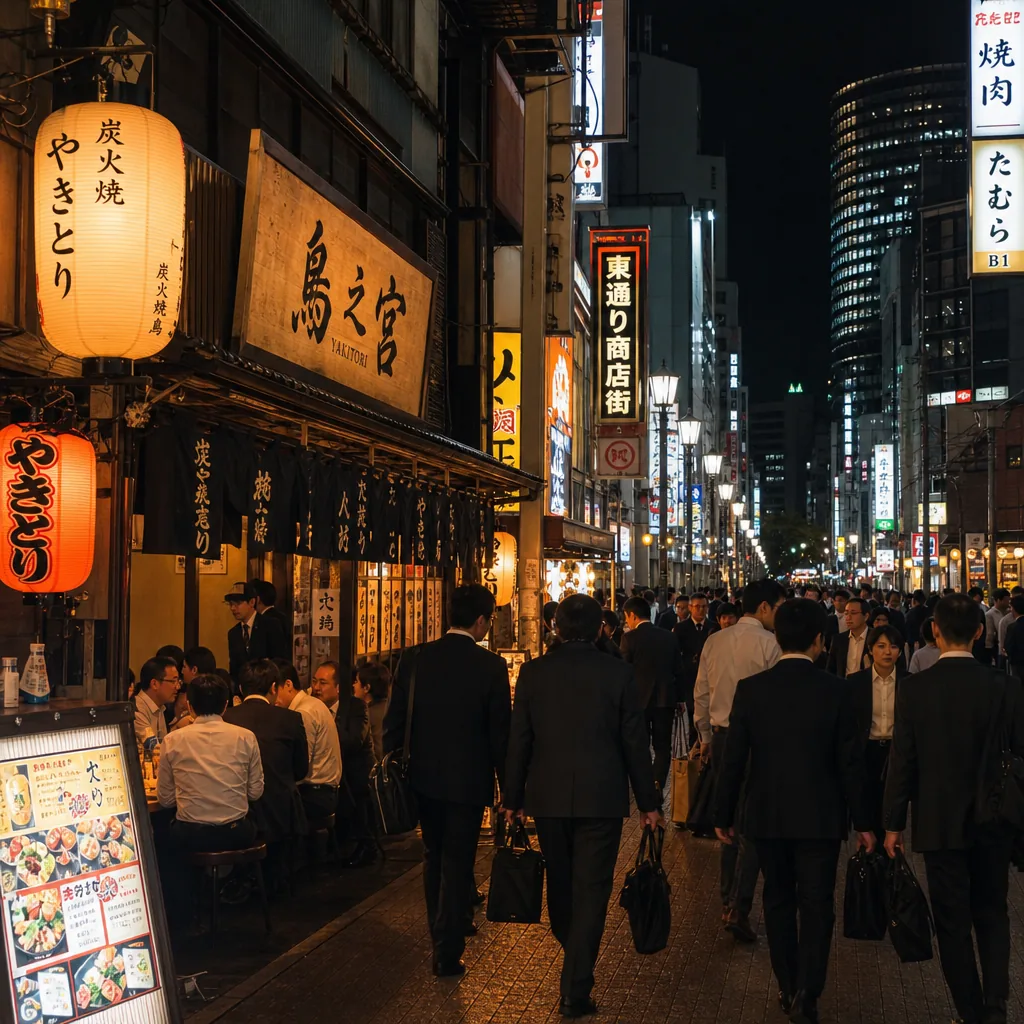
Where can I find english-friendly yakitori in Osaka after work?
Find English-friendly yakitori in Osaka after work by targeting Umeda, Namba, and Honmachi, plus booking sites and multilingual menus.
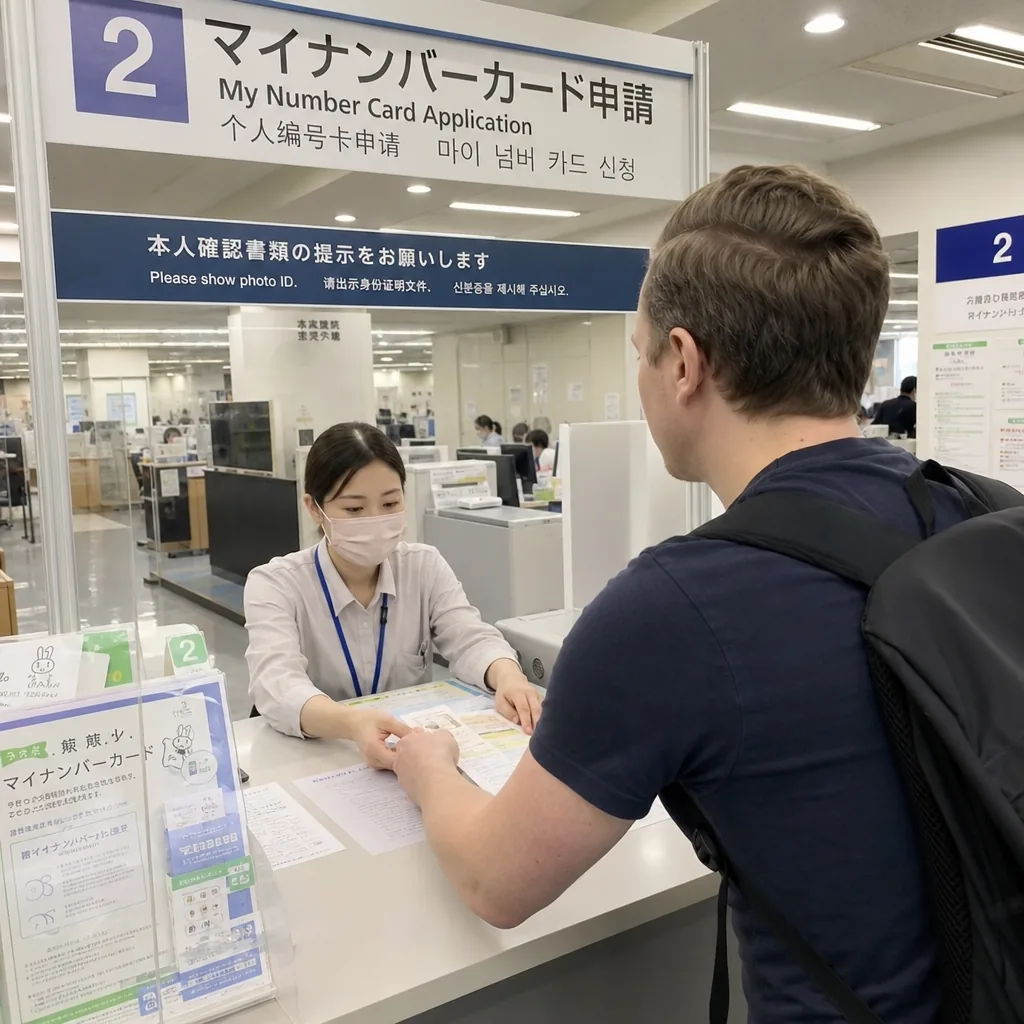
If you’re an expat in Tokyo and need a My Number card quickly, the fastest practical route is usually to apply online using the application ID on your paper form, then book the earliest pickup appointment when your municipality notifies you the card is ready. The card is issued by your Tokyo ward or city office, so the process is local—even though the official application tools are national [1][2][4].
The My Number Card is the plastic photo ID linked to your My Number, and it is issued by the municipality where you are resident-registered [1][4]. For foreign residents in Tokyo, that means you must work through your local ward office or city office rather than a national counter. Digital Agency and J-LIS both explain that the card can be used as official identification and for online public services, which makes it especially useful for residents who want a single ID accepted for many administrative tasks [1][4].
Tokyo’s local government also directs residents to the national My Number Card system and related guidance, so the basic procedure is the same across the metropolis even though appointment rules and help desks can vary by ward [3].
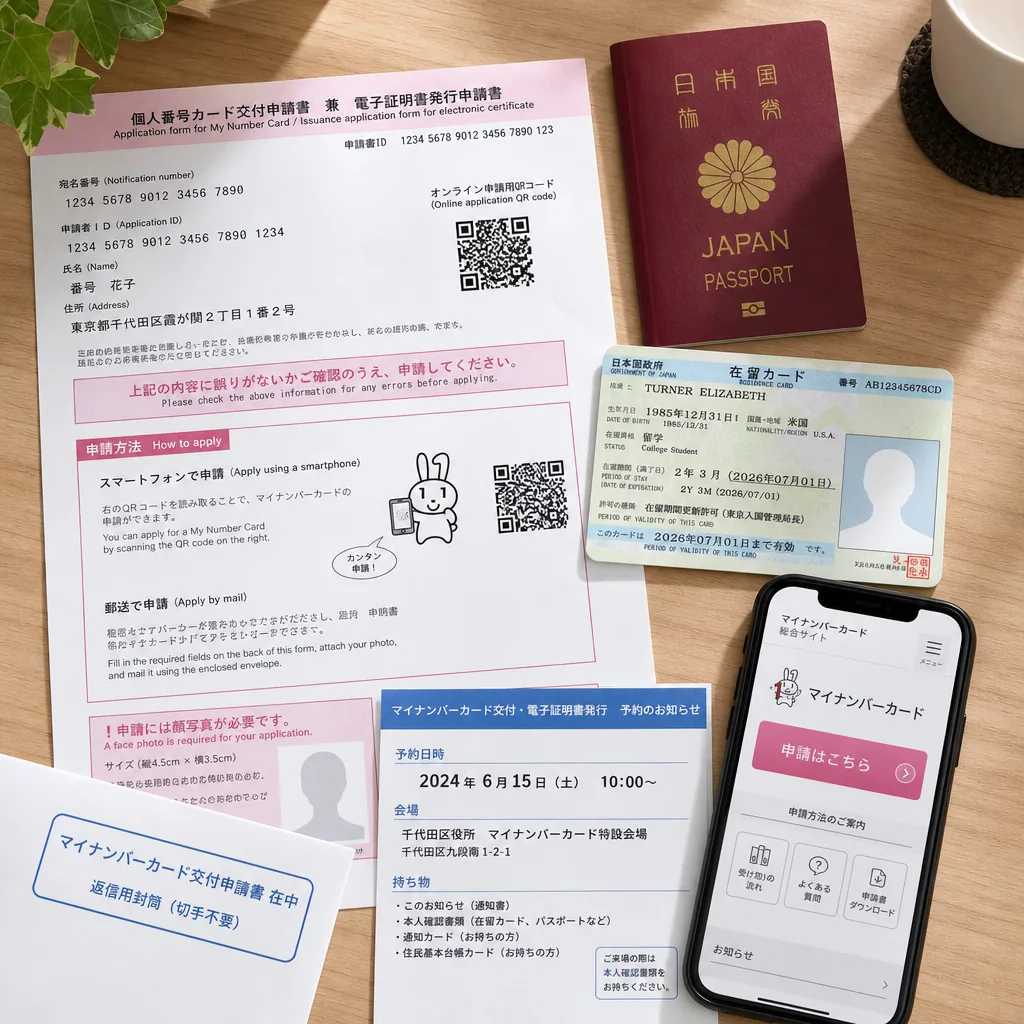
Foreign residents registered in a Tokyo municipality can apply once they have received their My Number notification materials or the paper application form from their ward or city office [2][4]. If you already have the application ID printed on the form, that is usually the quickest route because you can apply online immediately instead of waiting to mail documents [2][5].
The main speed advantage comes from two things: applying promptly after you receive the materials, and responding quickly when your municipality sends the pickup notice. Because the card is produced after local processing, any delay in submitting the application or booking collection will slow everything down [2][4].
For most expats, the online route is the best option. Mynaportal’s card application page lets you apply with the ID on your application form and submit the required information without visiting a counter first [2][5]. That matters in Tokyo, where ward offices can be busy and appointment slots may fill quickly.
If you prefer, you can also apply by mail using the paper form and a photo, but mailing adds time and can create delays if the photo does not meet requirements [2][4]. In practical terms, online is usually faster because it avoids postage, reduces missing-field errors, and gets your application into the local system sooner [2].
To avoid wasting time, gather everything before you start. The official guidance emphasizes the notification or application materials, and for mail applications, a photo that meets the card requirements [2][4].
Because Tokyo municipalities process cards based on local resident records, even small mismatches in name spelling, address, or residence status can cause a return or correction request. Check the details on your municipal paperwork before submitting [4].
Once your card is ready, your ward or city office will send a notice telling you how to collect it [2][4]. This pickup stage is where many delays happen, so act as soon as you receive the notice. If your municipality offers appointments, reserve the earliest available slot; if it uses a designated collection window, go as soon as possible [3][4].
Bring the documents listed in your notice, because the office will verify your identity before handing over the card [2][4]. In Tokyo, local offices handle this by municipality, so the exact counter, hours, and booking method may differ between places like Shinjuku City Office, Setagaya Ward Office, and Minato City Office—but the national process remains the same [3][4].
The biggest avoidable delay is waiting to apply after you receive the notification. Submit the application as soon as you can, especially if you intend to use online application through Mynaportal [2][5]. Another common problem is missing or unclear photo files for mail applications, which can force reprocessing [2][4].
Delays also happen when applicants miss the pickup notice or cannot attend the first available appointment. Since the card is collected in person at your municipality, the fastest path is to keep checking your mail and reserve the earliest slot your local office offers [2][4].
Here are the most practical ways to stay on schedule:
If you are unsure which office handles your card, start with your ward or city office because the card is issued locally [4]. Tokyo Metropolitan Government’s English pages point residents toward the official My Number Card information, while the national Digital Agency, Mynaportal, and J-LIS pages explain the standard procedure and online tools [1][2][3][4][5].
For most expats, the fastest route is simple: use the application ID from the paper form, apply online right away, and then move quickly when the pickup notice arrives. If you do that, you can usually avoid the extra back-and-forth that slows people down at busy Tokyo offices [2][4][5].
CallButler is a multilingual concierge service that handles research, coordination, and bookings so you do not have to navigate language barriers or unfamiliar systems alone. If you need help related to How can expats get a My Number card in Tokyo quickly? or the tasks around it, our team can step in to manage the details and keep things moving smoothly.
Find English-friendly yakitori in Osaka after work by targeting Umeda, Namba, and Honmachi, plus booking sites and multilingual menus.
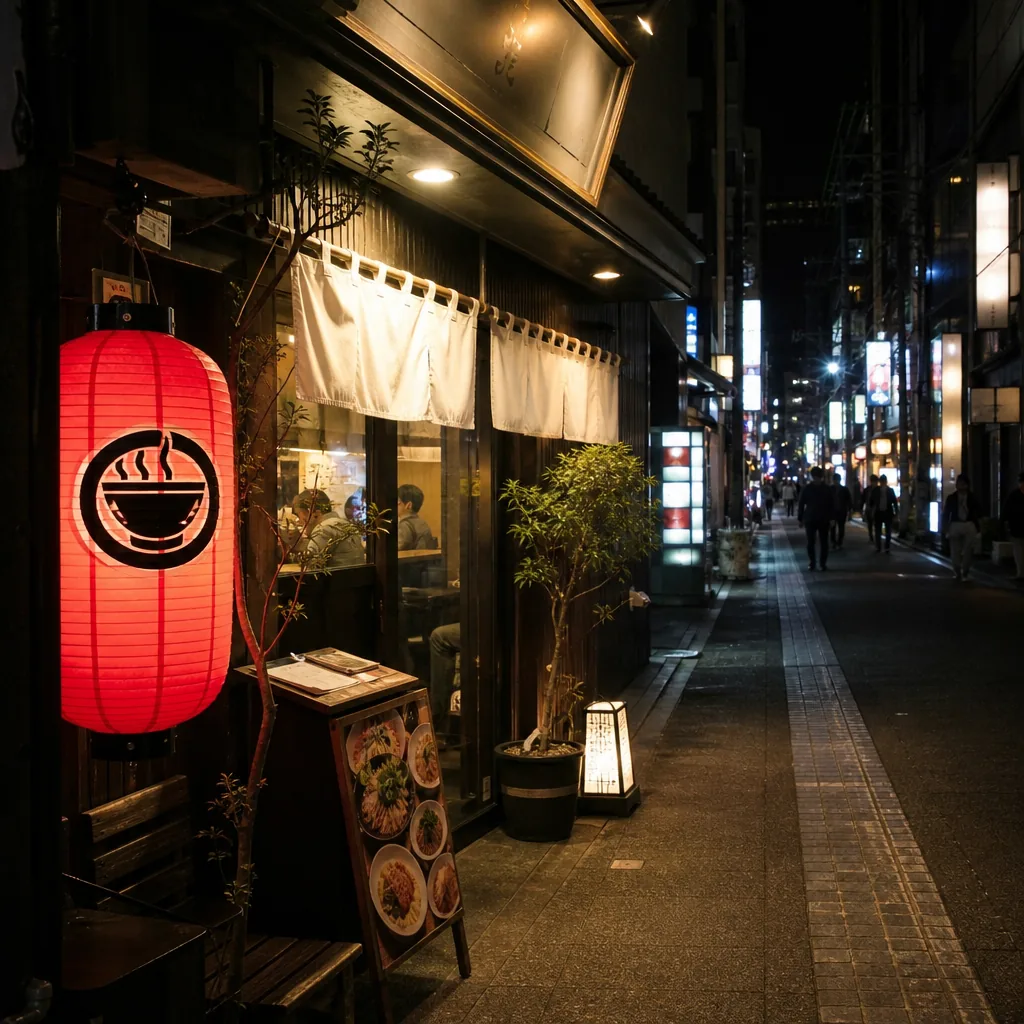
Looking for halal ramen in Kyoto after 10 p.m.? Here’s where to check, which areas are most practical, and how to verify hours and halal status.
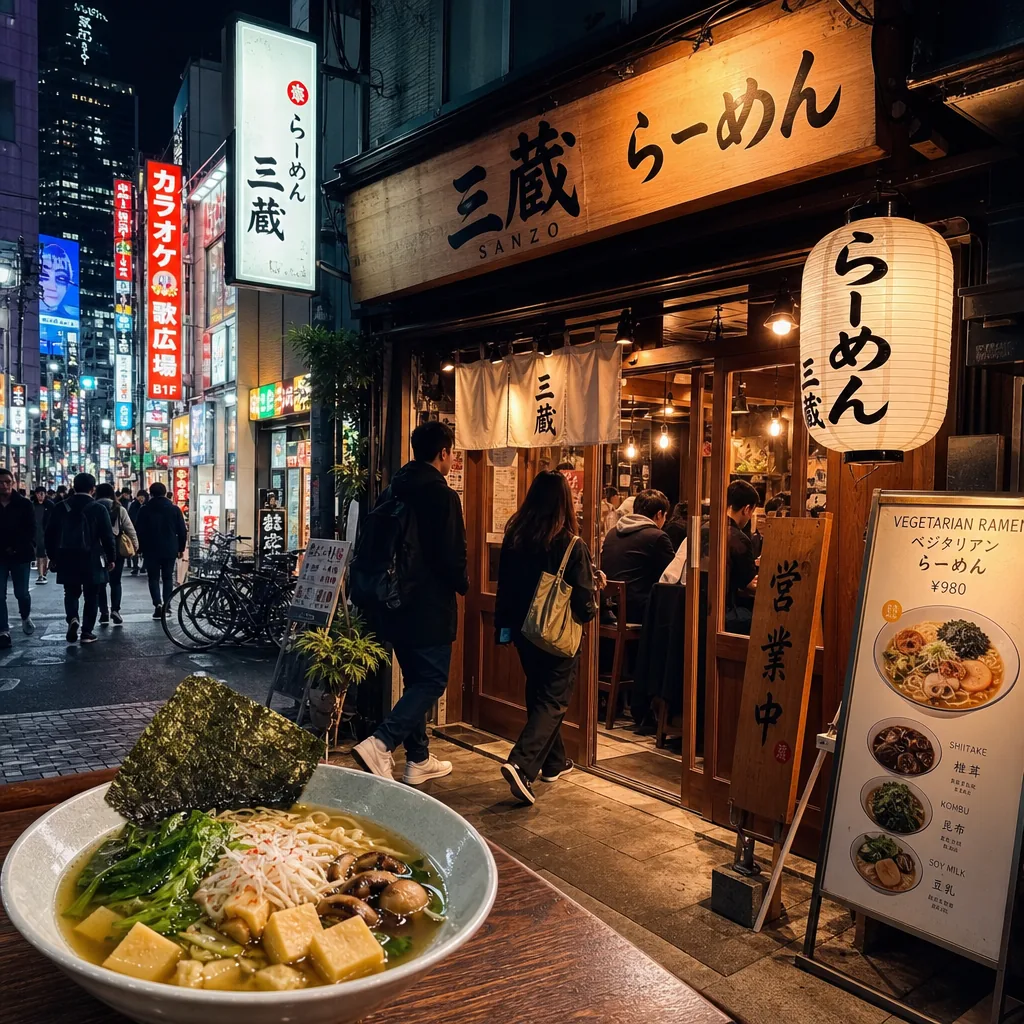
Find late-night vegetarian ramen in Tokyo by focusing on Shibuya, Shinjuku, and Roppongi, then verify broth, hours, and vegan menu details.