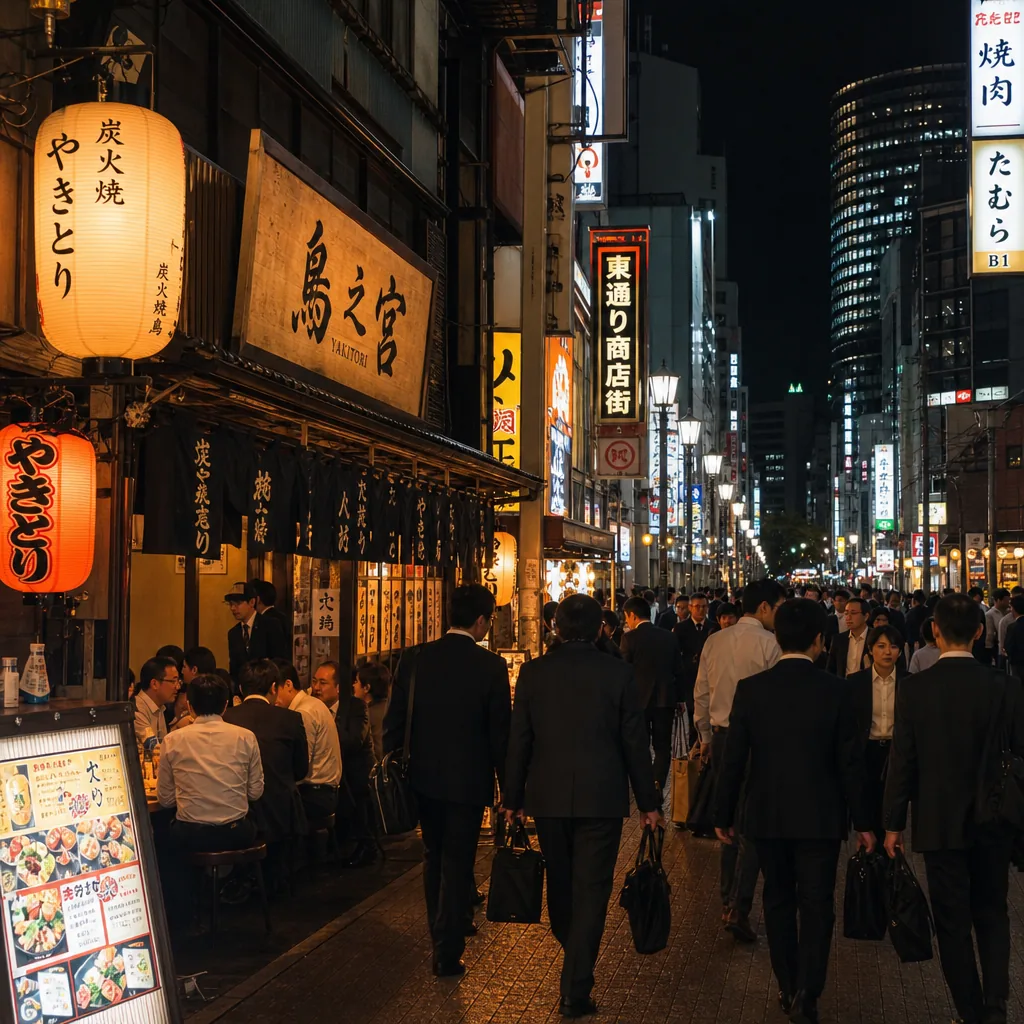
Where can I find english-friendly yakitori in Osaka after work?
Find English-friendly yakitori in Osaka after work by targeting Umeda, Namba, and Honmachi, plus booking sites and multilingual menus.
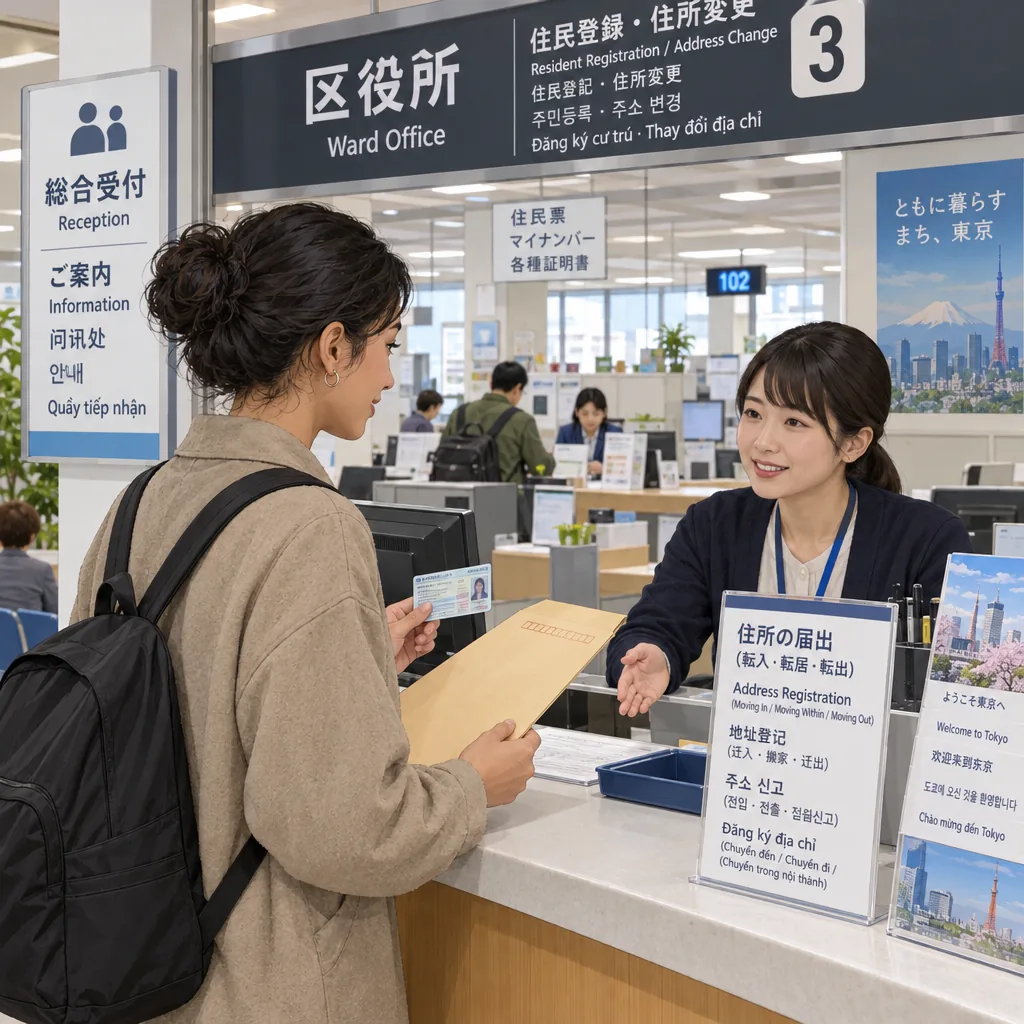
To get your first My Number card after moving to Tokyo, register your residential address with your local municipal office, then apply separately for the physical card. Apply online, by post or through a compatible photo booth, and collect it where your collection notice directs; if you already have a card from elsewhere in Japan, update it instead. [1][2][3]
My Number is your 12-digit identifier for administrative procedures involving taxation, social security and disaster response. It is assigned to people recorded in Japan’s Basic Resident Register, including eligible foreign residents. Your number does not change simply because you move to Tokyo. [4]
The My Number card is a separate photo identification card with an integrated chip. Applying is voluntary, and standard first issuance is free. Your residence card is a different document connected to your immigration status; receiving one does not mean you have applied for a My Number card. [1][2][4]
If you are establishing residence in Japan, register your address within 14 days of establishing that residence. In Tokyo’s 23 wards, use the ward office responsible for your address; elsewhere in Tokyo, use the relevant city, town or village office. Bring your residence card and check the municipality’s requirements for your circumstances. [4][5]
For practical orientation, Shinjuku City Office handles municipal procedures for Shinjuku residents. Shibuya City Office and Setagaya City Office are the corresponding municipal authorities for residents of those wards. These are examples of address-based jurisdictions, not interchangeable application counters: follow your own municipality’s instructions and collection notice. [1][3][4][5]
After first-time resident registration, an Individual Number Notice and card application materials are generally mailed to your registered address. Make sure mail can reach you. The notice tells you your number, but it is neither the physical card nor an official document proving your number. [1]
Once you have the application materials, choose the route that suits you. The national application service offers these options: [2]
Check the official photograph requirements before submitting. Use a clear, recent image with your face unobstructed and the required background and framing. A photograph that fails the requirements can mean correcting your application rather than moving straight to issuance. [2]
If the form never arrived or you have lost it, ask the municipal office responsible for your Tokyo address how to obtain application materials. Check current appointment arrangements and language support before visiting; do not assume every Tokyo ward offers identical counter services. [1][5]
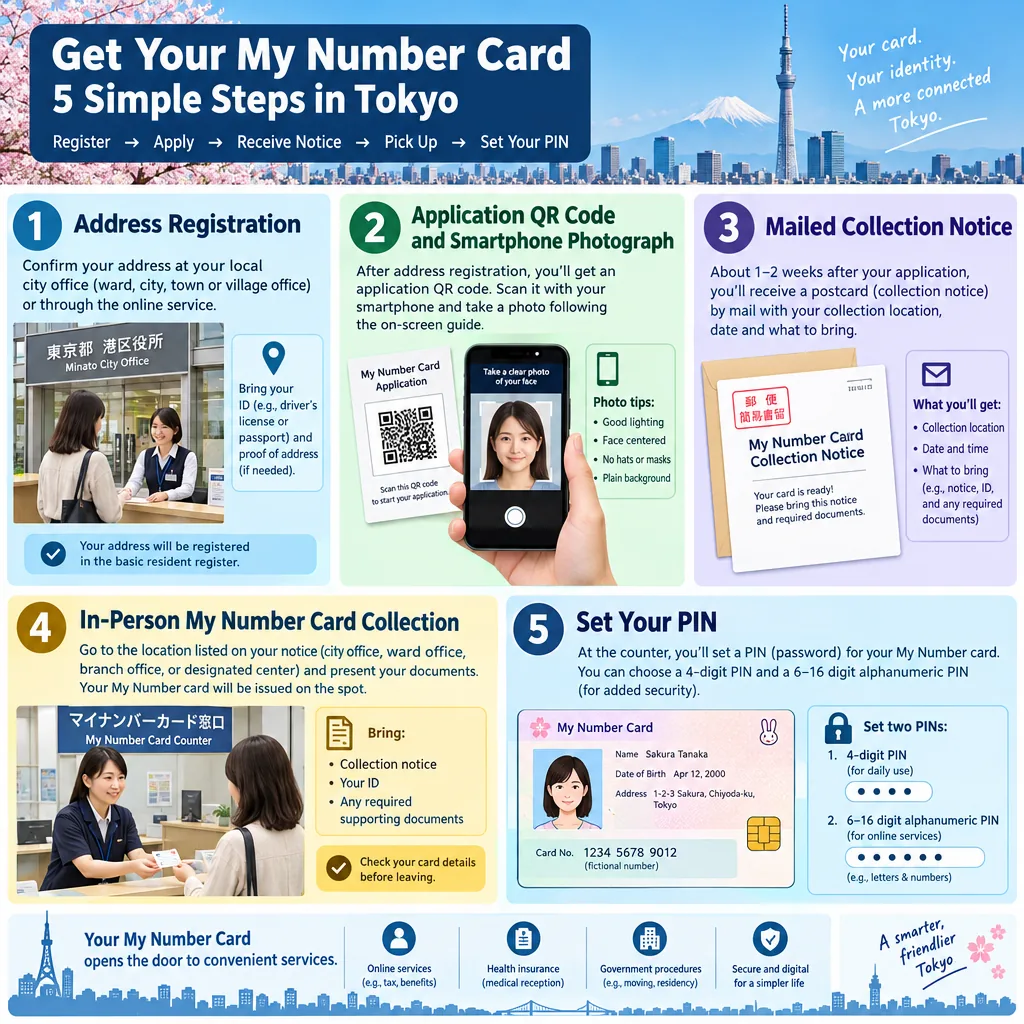
The national service gives approximately one month from application until dispatch of the collection notice as a general guide. This is not a guaranteed collection date: municipal processing and appointment availability can add time. Wait for the notice and follow its instructions about booking and location. [3]
Collection is normally in person. Prepare the documents listed on your notice rather than relying on a generic checklist. The usual items include: [3]
You set security codes when collecting the card. For a typical adult card with both electronic certificates, prepare a signature-certificate password of 6–16 characters using uppercase Latin letters and numbers. Other functions use four-digit PINs; the same four-digit number can be used for those functions. Keep your codes secure and separate from the card. [3]
If you already hold a My Number card, do not submit a first-card application just because you moved. Your number stays the same. Bring the card when completing your moving-in and card-address procedures, and remember that moving-in notification is generally due within 14 days of moving in. [1][4]
Ask the counter to confirm both the card’s address update and its electronic certificates. An address change invalidates the electronic signature certificate, so request a replacement if you need services using that certificate. Updating the printed address alone does not restore every electronic function. [1]
For foreign residents with a fixed period of stay, card validity can be linked to the permitted stay. Renewing immigration permission does not automatically extend the My Number card. Contact your Tokyo municipal office before the card expires, particularly if your immigration renewal is still being processed. [1]
Keep the two processes separate: immigration handles your permission to stay, while your municipality handles the card procedure. Before visiting, confirm your card’s expiry date, required documents and appointment arrangements. This avoids treating a residence-card renewal as a completed My Number card renewal. [1][5]
CallButler is a multilingual concierge service that handles research, coordination, and bookings so you do not have to navigate language barriers or unfamiliar systems alone. If you need help related to How can expats get a My Number card in Tokyo after moving? or the tasks around it, our team can step in to manage the details and keep things moving smoothly.
Find English-friendly yakitori in Osaka after work by targeting Umeda, Namba, and Honmachi, plus booking sites and multilingual menus.
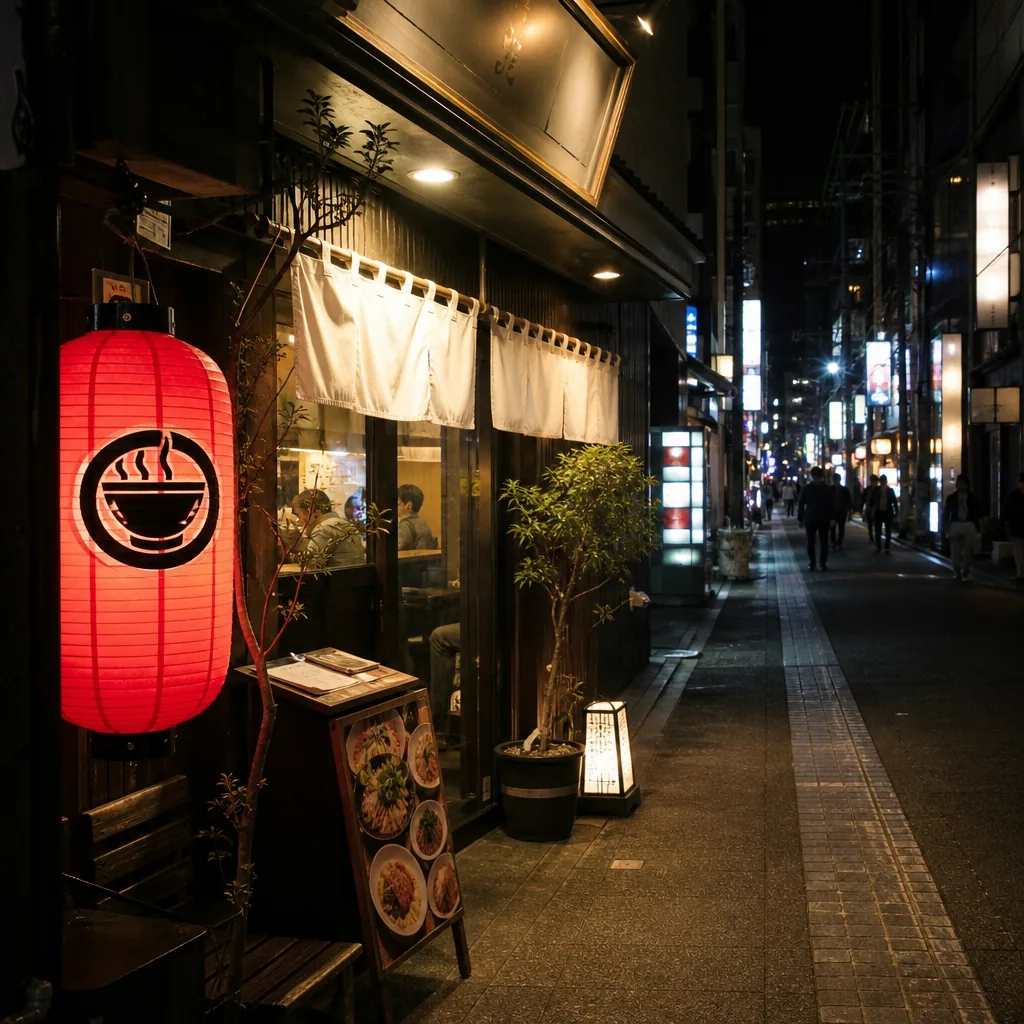
Looking for halal ramen in Kyoto after 10 p.m.? Here’s where to check, which areas are most practical, and how to verify hours and halal status.
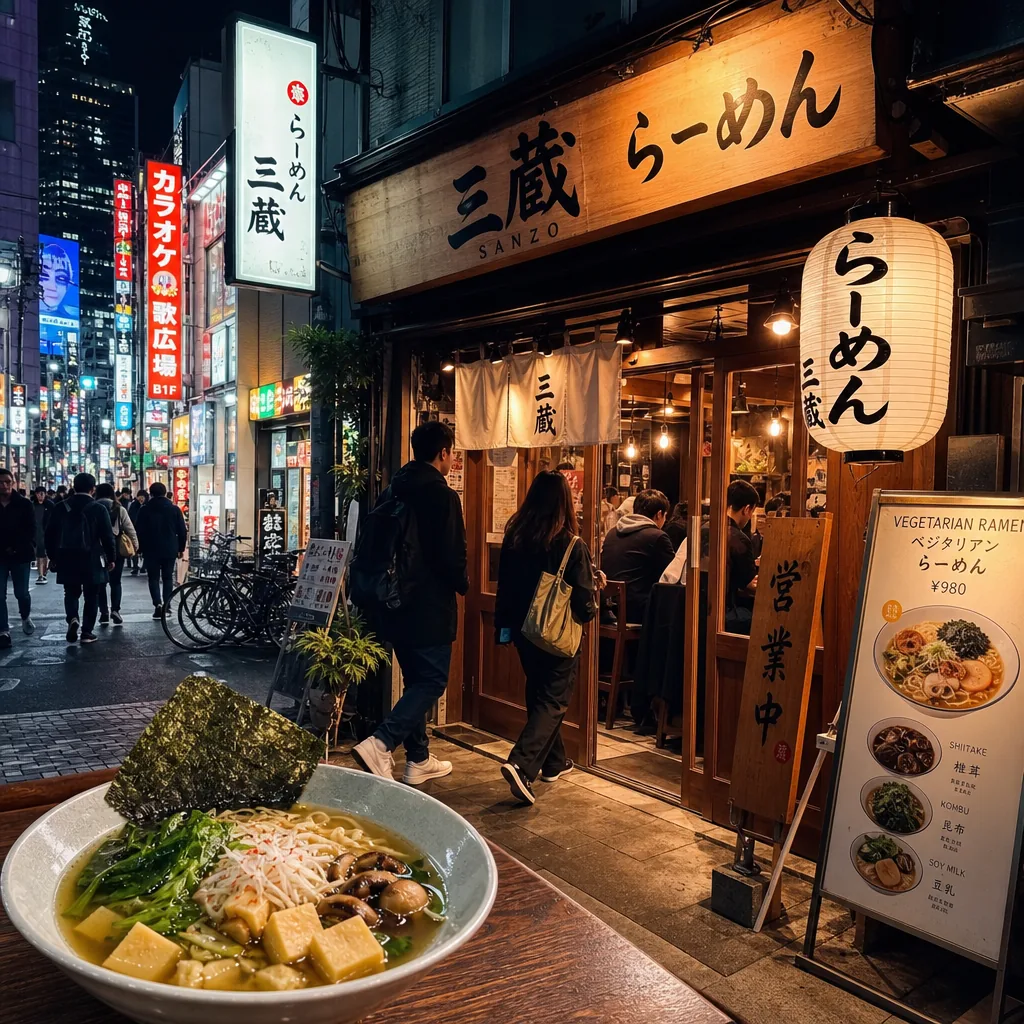
Find late-night vegetarian ramen in Tokyo by focusing on Shibuya, Shinjuku, and Roppongi, then verify broth, hours, and vegan menu details.