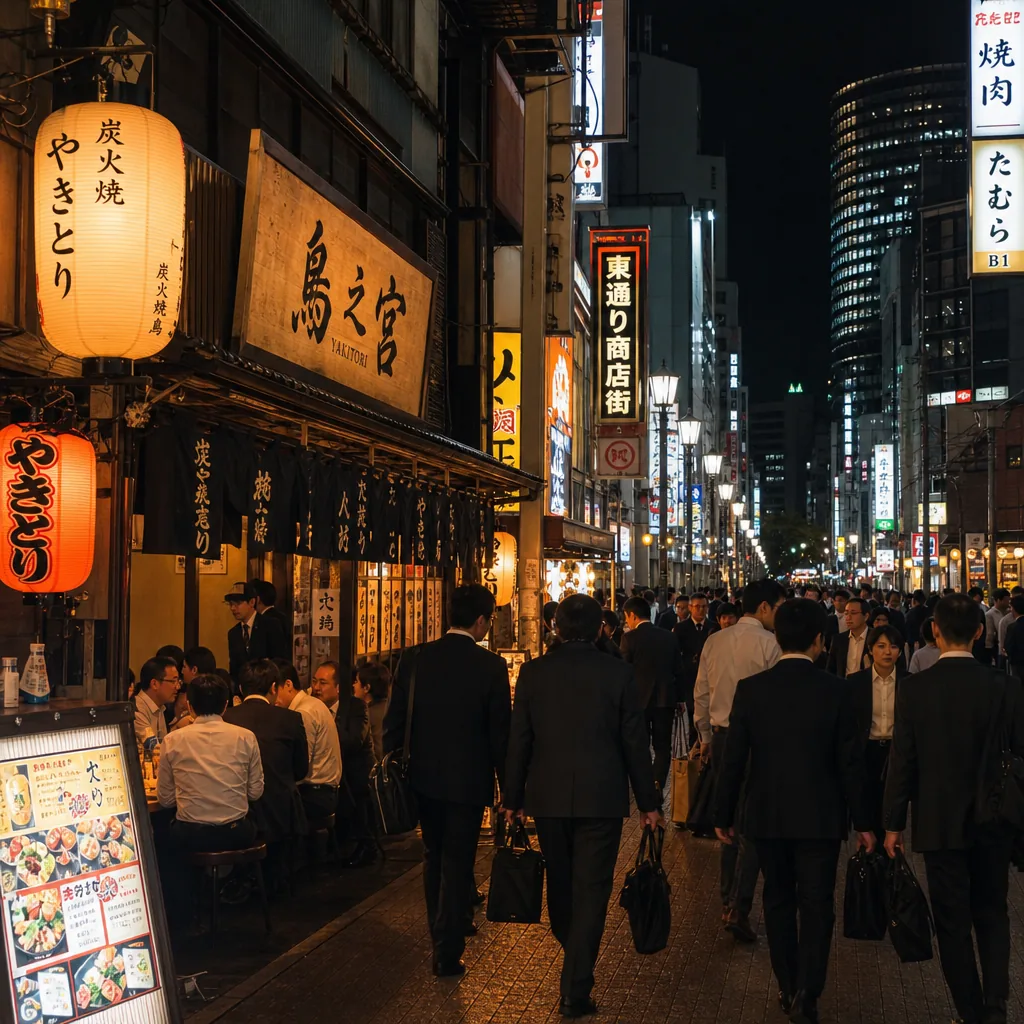
Where can I find english-friendly yakitori in Osaka after work?
Find English-friendly yakitori in Osaka after work by targeting Umeda, Namba, and Honmachi, plus booking sites and multilingual menus.
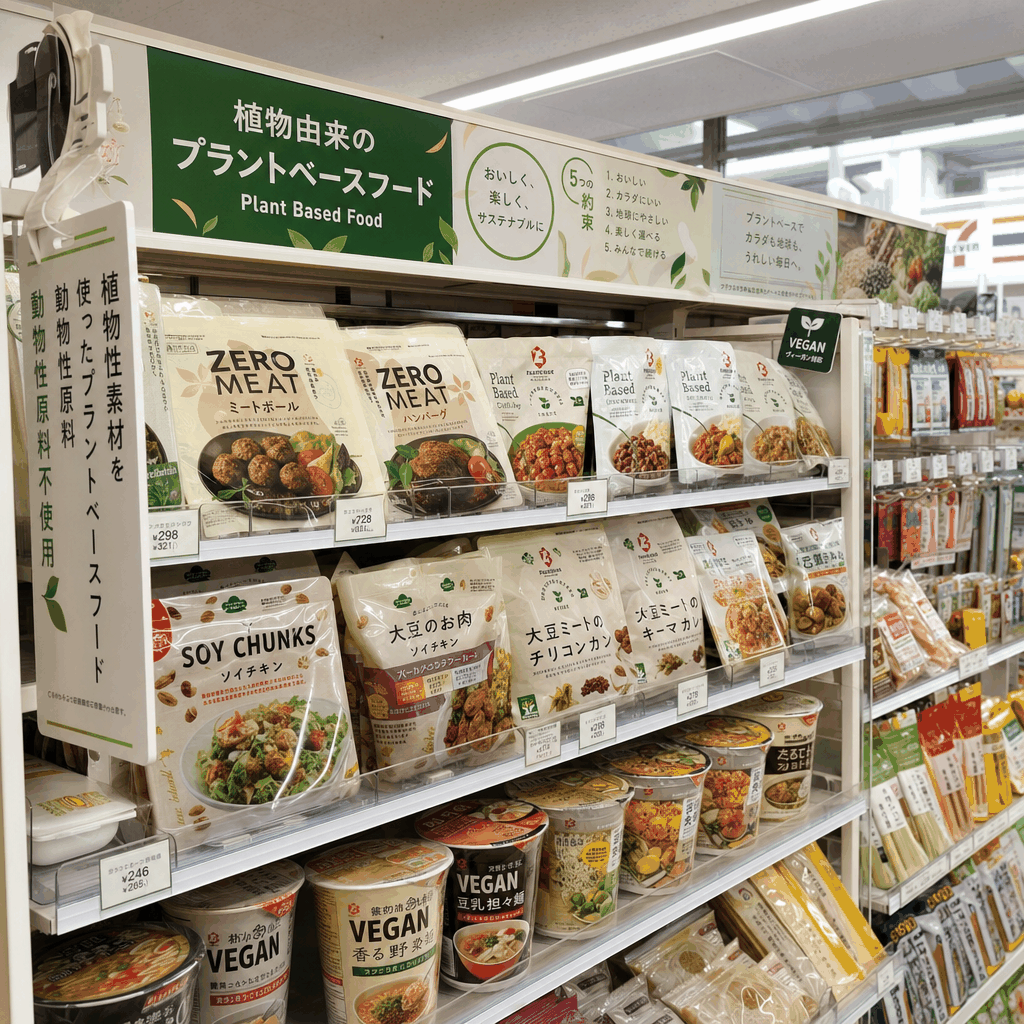
Yes—expats can find vegan meals at Tokyo convenience stores, but the safest approach is to treat every purchase like a quick label check rather than assuming a product is vegan. In Tokyo, Lawson, FamilyMart, and 7-Eleven Japan all publish official product information online, and Japan’s food-labeling system gives you the ingredients and allergens you need to verify before buying [1][2][3][5].
Tokyo’s convenience stores are useful because they are everywhere, open long hours, and often stock more than just snacks. If you are staying in neighborhoods such as Shinjuku, Shibuya, Ueno, or Tokyo Station, you can usually find multiple branches within a short walk, which makes them a reliable fallback when restaurants are closed or you need a meal fast [4].
The other big advantage is transparency. Japan requires packaged foods to show ingredients and allergen information, and the Consumer Affairs Agency explains how food labeling helps consumers check what is inside a product [5]. For vegans, that means you can compare labels on the shelf, then confirm details later on the chain’s product pages if you are unsure.
Start with foods that are naturally simple and less likely to hide animal ingredients. At Tokyo convenience stores, the easiest vegan-friendly purchases are usually plain items with short ingredient lists.
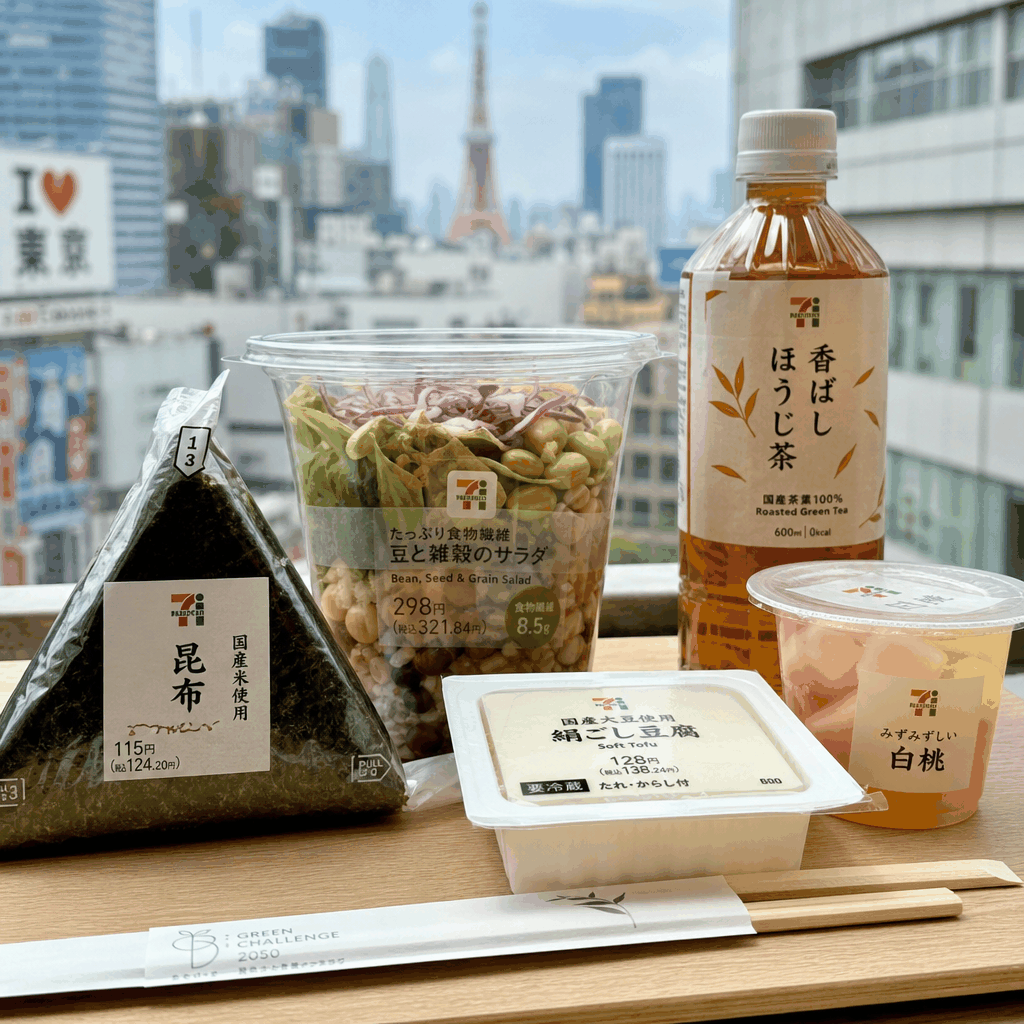
Japanese packaged-food labels usually list ingredients clearly, but they do not always advertise vegan status. The most common non-vegan ingredients to watch for are milk, egg, fish, fish extract, bonito stock, dashi, gelatin, and honey [5].
Useful label-reading habits for Tokyo shopping include checking both the ingredients list and the allergen box. The allergen section is especially helpful when you are moving quickly because it often highlights milk, egg, wheat, shrimp, crab, buckwheat, peanut, and other major allergens [5]. While allergens are not the same as vegan status, they can help you spot obvious red flags before you buy.
If the label is too difficult to read, official product pages can help. FamilyMart’s product information page and 7-Eleven Japan’s product database let shoppers verify ingredients online before visiting a store [2][3]. That is useful because stock changes by branch and season, so the exact item you see in one convenience store may not be available in another.
Each major chain has its own strengths, and checking the official site can save time.
For all three chains, availability can vary by store. A product listed online may not be on the shelf in every neighborhood branch, so the official websites are best used as a verification tool, not a guarantee that a specific item will be in stock.
Even a few phrases can make shopping easier, especially if you need to ask staff about ingredients or read a label quickly. Translation apps are helpful, but these expressions are a good backup.
If you are shopping near busy Tokyo hubs such as Shibuya or Shinjuku, staff may not always have time for a long explanation, so showing the phrase on your phone is often faster than speaking it aloud. That is especially useful late at night, when convenience stores become the easiest place to assemble a meal.
To build a full vegan meal from convenience-store items, combine a main item, a side, and a drink. This makes it easier to eat well without relying on a single processed product.
When in doubt, choose the least processed option. A plain rice ball, a piece of fruit, and a packaged side with a short ingredient list is usually easier to verify than a noodle bowl or pre-made sandwich. That matters in Tokyo, where convenience stores are fast and efficient but not always predictable from one branch to the next.
The most practical strategy is simple: use the official product pages from Lawson, FamilyMart, and 7-Eleven Japan to pre-check items, then confirm the label in-store before you pay [1][2][3]. With that habit, Tokyo convenience stores become a dependable source of vegan meals rather than a guessing game [5].
CallButler is a multilingual concierge service that handles research, coordination, and bookings so you do not have to navigate language barriers or unfamiliar systems alone. If you need help related to How can expats find vegan meals at convenience stores in Tokyo? or the tasks around it, our team can step in to manage the details and keep things moving smoothly.
Find English-friendly yakitori in Osaka after work by targeting Umeda, Namba, and Honmachi, plus booking sites and multilingual menus.
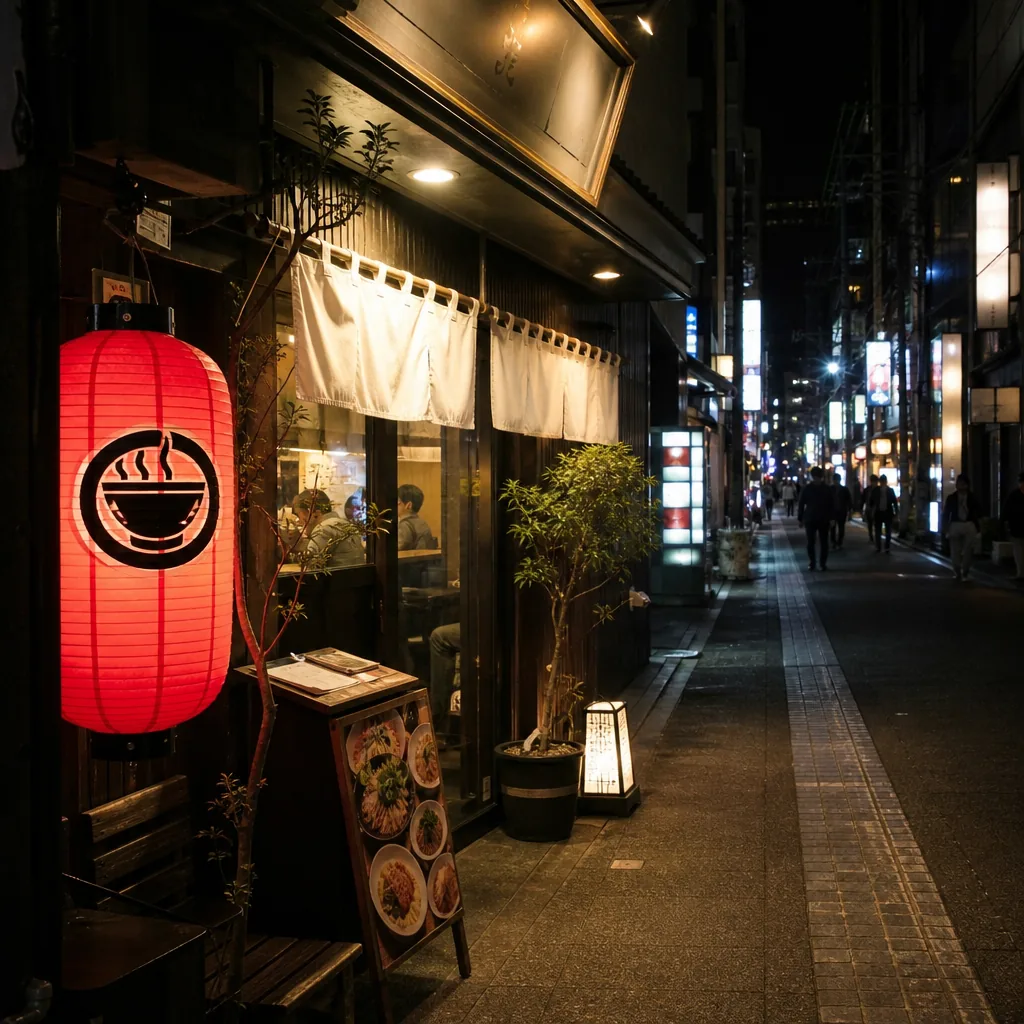
Looking for halal ramen in Kyoto after 10 p.m.? Here’s where to check, which areas are most practical, and how to verify hours and halal status.
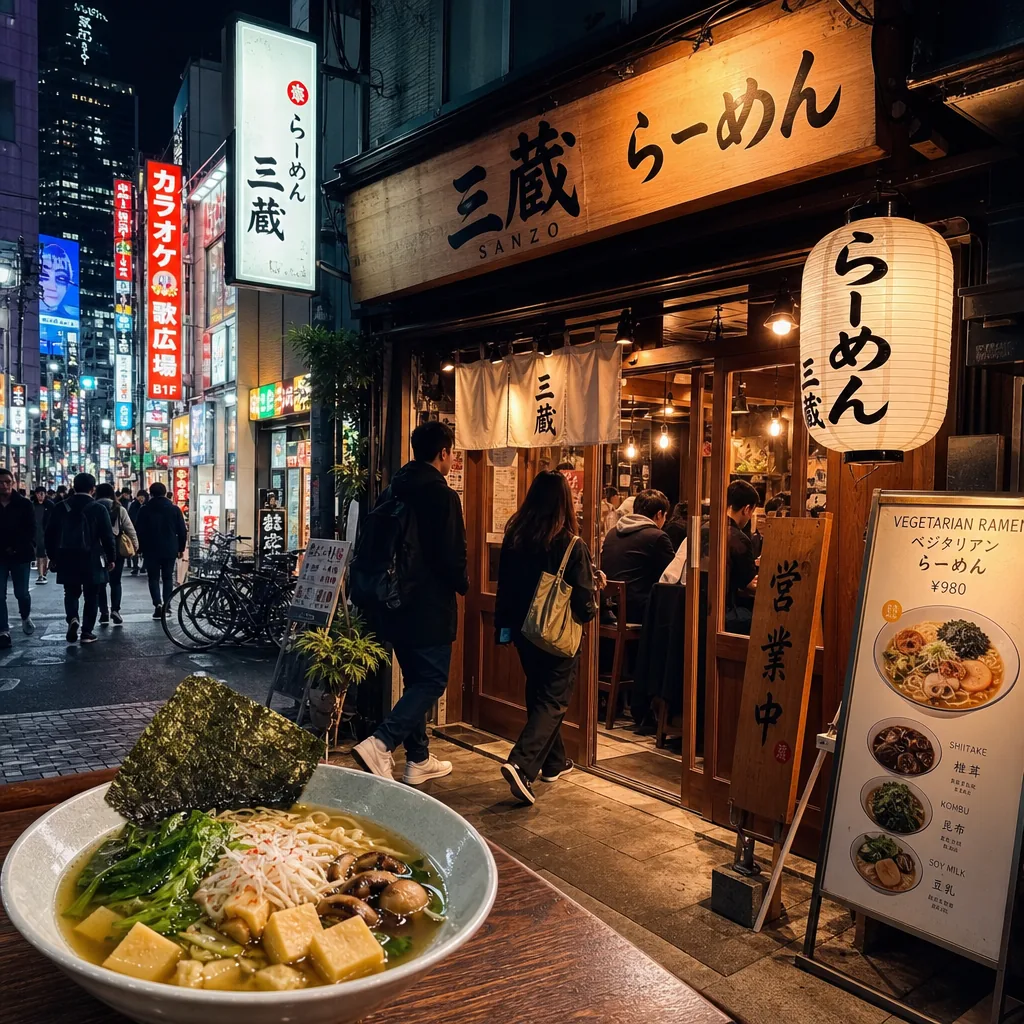
Find late-night vegetarian ramen in Tokyo by focusing on Shibuya, Shinjuku, and Roppongi, then verify broth, hours, and vegan menu details.