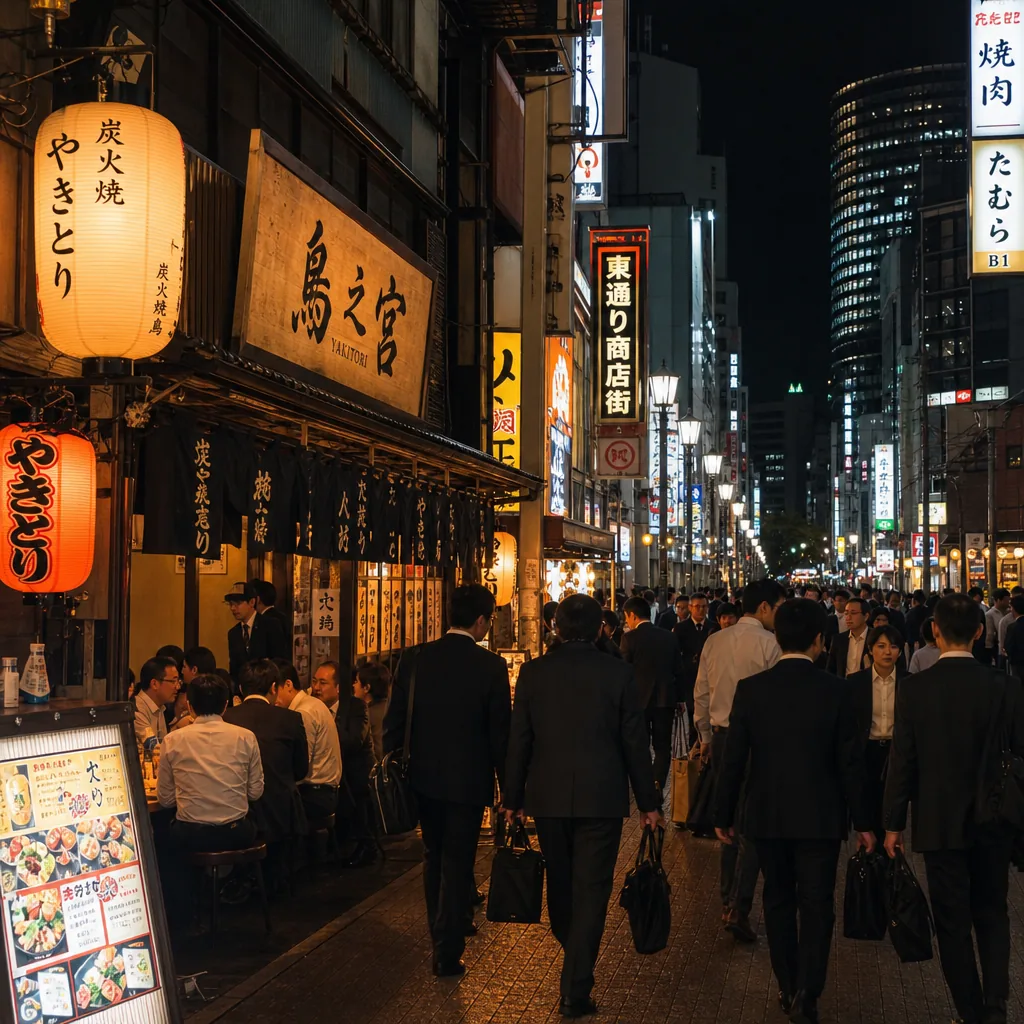
Where can I find english-friendly yakitori in Osaka after work?
Find English-friendly yakitori in Osaka after work by targeting Umeda, Namba, and Honmachi, plus booking sites and multilingual menus.
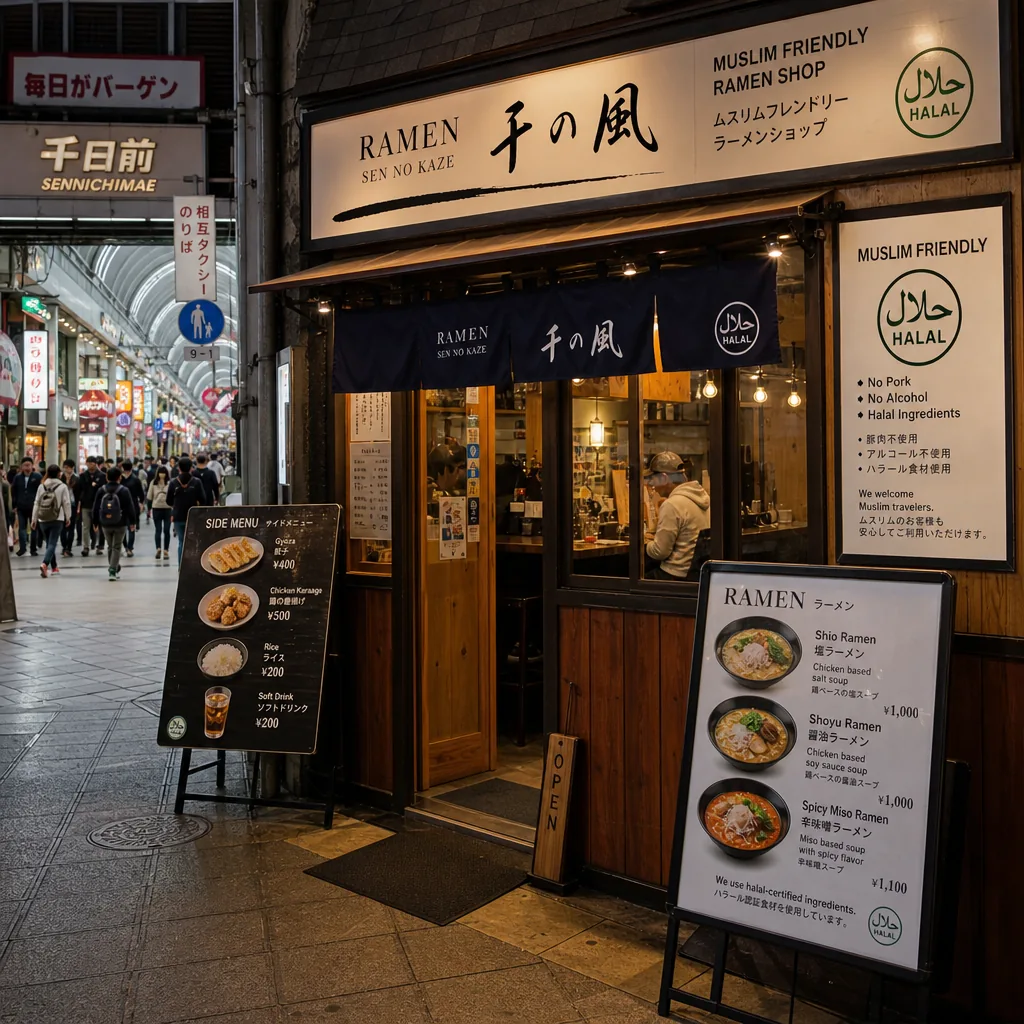
Yes—expats can find halal ramen in Osaka, but the safest approach is to treat every shop as “verify first, eat second.” Official tourism guides from the Osaka Convention & Tourism Bureau (OCTB) and JNTO point travelers to Muslim-friendly options, but ramen shops can change suppliers, broth, and kitchen routines, so you should always confirm the latest setup directly with the restaurant before visiting [1][3].
In Osaka, “halal ramen” can mean either fully halal-certified ramen or a Muslim-friendly bowl made with halal ingredients and separated cooking methods. That distinction matters because a shop may use halal noodles and soup stock but still share utensils, fryers, or prep counters with non-halal items. JNTO advises Muslim travelers to check ingredients, ask about cooking tools, and confirm whether pork-derived seasoning or alcohol is used anywhere in the process [3].
For ramen, the ingredients that need the closest inspection are broth base, tare seasoning, noodles, and toppings. Pork bones, pork extract, bonito blends, mirin, and flavor oils are all common in Japan’s ramen culture, so a bowl that looks plain may still not be halal. If the restaurant states that it is halal-friendly, ask whether the broth pot, ladles, strainers, and serving bowls are used only for halal dishes [3].
The most reliable starting point is the Osaka Convention & Tourism Bureau’s Muslim-Friendly Osaka guide, which is designed to help visitors identify restaurants that can accommodate Muslim dietary needs [1]. OCTB also provides a restaurant search tool, which is useful when you want to narrow options by area and cuisine before contacting a shop [2].
For practical trip planning, focus first on major visitor districts where halal and Muslim-friendly restaurants are more likely to be concentrated: Namba, Dotonbori, and Umeda. These areas are central, easy to reach by train, and close to sightseeing, so they are efficient search zones for expats who want a ramen stop without adding a separate detour [5].
Examples worth checking through current official listings and direct confirmation include Namba, Dotonbori, and Umeda, since OCTB’s area guidance helps visitors navigate around Osaka’s main districts [5]. Halal Media Japan also maintains an Osaka halal guide that can help you spot candidate neighborhoods and restaurants, but you should still confirm the latest status with the shop before going [4].
Do not rely on a certification sign alone. A visible halal mark is helpful, but JNTO recommends checking the current menu and kitchen practices because restaurants can update ingredients or temporarily change procedures [3]. The best method is to contact the shop directly, ideally by message if they support it, and ask a short list of specific questions.
If the restaurant answers clearly and specifically, that is a good sign. If the response is vague—such as “we think it is okay” or “we can remove the pork”—treat it as unverified. For expats who want fewer surprises, this direct check is more dependable than relying on old blog posts or random map reviews [1][3].
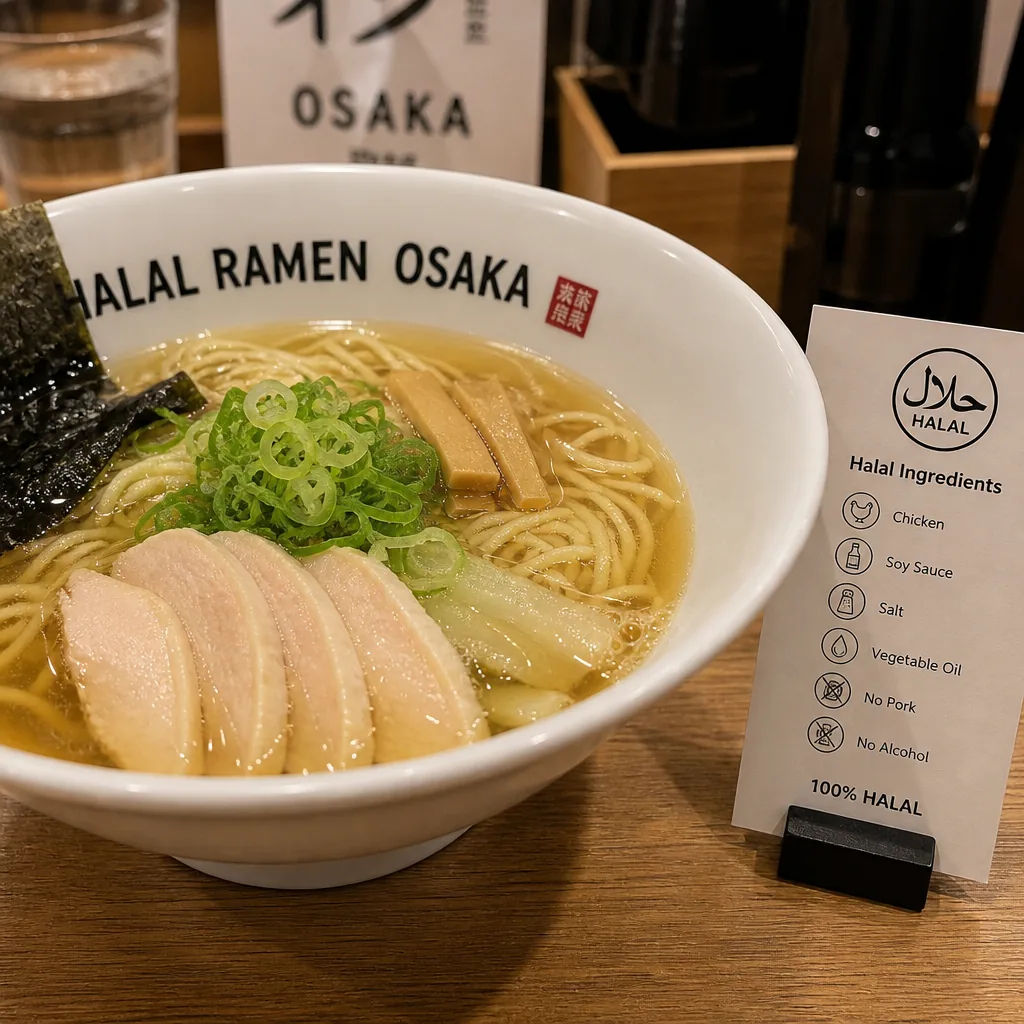
Namba is often the easiest first stop because it is a major transit hub and a dense food district. Travelers staying near Namba can usually make a short walk or one-train trip to several Muslim-friendly restaurants listed in Osaka tourism resources [2][5].
Dotonbori is another logical place to search because it sits in the city’s core sightseeing corridor. While it is famous for street food, it is also one of the most practical places to ask questions in person and compare multiple restaurant options before choosing a ramen shop [5].
Umeda is useful if you are arriving through Osaka Station or staying in the north side of the city. The district’s transport links make it simple to pair lunch with shopping or a day trip, and it is included in the broader Osaka area guidance that tourists use to navigate food searches [5].
OCTB’s Muslim-Friendly Osaka page is the best official place to start for these districts, while JNTO adds useful traveler-facing guidance on how to confirm halal status properly [1][3]. If a shop appears in both official tourism listings and a current restaurant search result, that is a stronger signal than a single social media mention [2][3].
When you arrive, keep your order simple and specific. Ask whether the “halal ramen” option is still available today and whether any ingredients have changed since the menu was posted online. If the shop has an English menu, still verify the broth and toppings, because translated menus do not always explain cooking separation or hidden seasonings [3].
Prayer-space availability is another point to confirm separately. The OCTB Muslim-Friendly Osaka guide is helpful for identifying restaurants that may serve Muslim visitors, but it does not guarantee a prayer room at every ramen shop [1]. If prayer timing matters for your visit, plan a nearby mosque or dedicated prayer facility into your route rather than assuming the restaurant can provide one [1][3].
One practical habit is to save screenshots of the current official listing and the shop’s reply before you go. That way, if the restaurant staff changes or a menu is updated, you can compare what was confirmed against what is being served on the day. In Osaka, that extra step can save time and prevent awkward last-minute cancellations.
The easiest way to find halal ramen in Osaka is to start with official tourism sources, shortlist restaurants in Namba, Dotonbori, and Umeda, and then confirm the current halal setup directly with the shop [1][2][3][5]. Because ramen often uses pork-based broth, seasoning, or shared cooking equipment, direct verification is not optional—it is the difference between a true halal meal and a hopeful guess. If you use official listings, ask detailed questions, and choose restaurants with clear separation policies, you can eat ramen in Osaka with much more confidence [3][4].
CallButler is a multilingual concierge service that handles research, coordination, and bookings so you do not have to navigate language barriers or unfamiliar systems alone. If you need help related to How can expats find halal ramen in Osaka now? or the tasks around it, our team can step in to manage the details and keep things moving smoothly.
Find English-friendly yakitori in Osaka after work by targeting Umeda, Namba, and Honmachi, plus booking sites and multilingual menus.
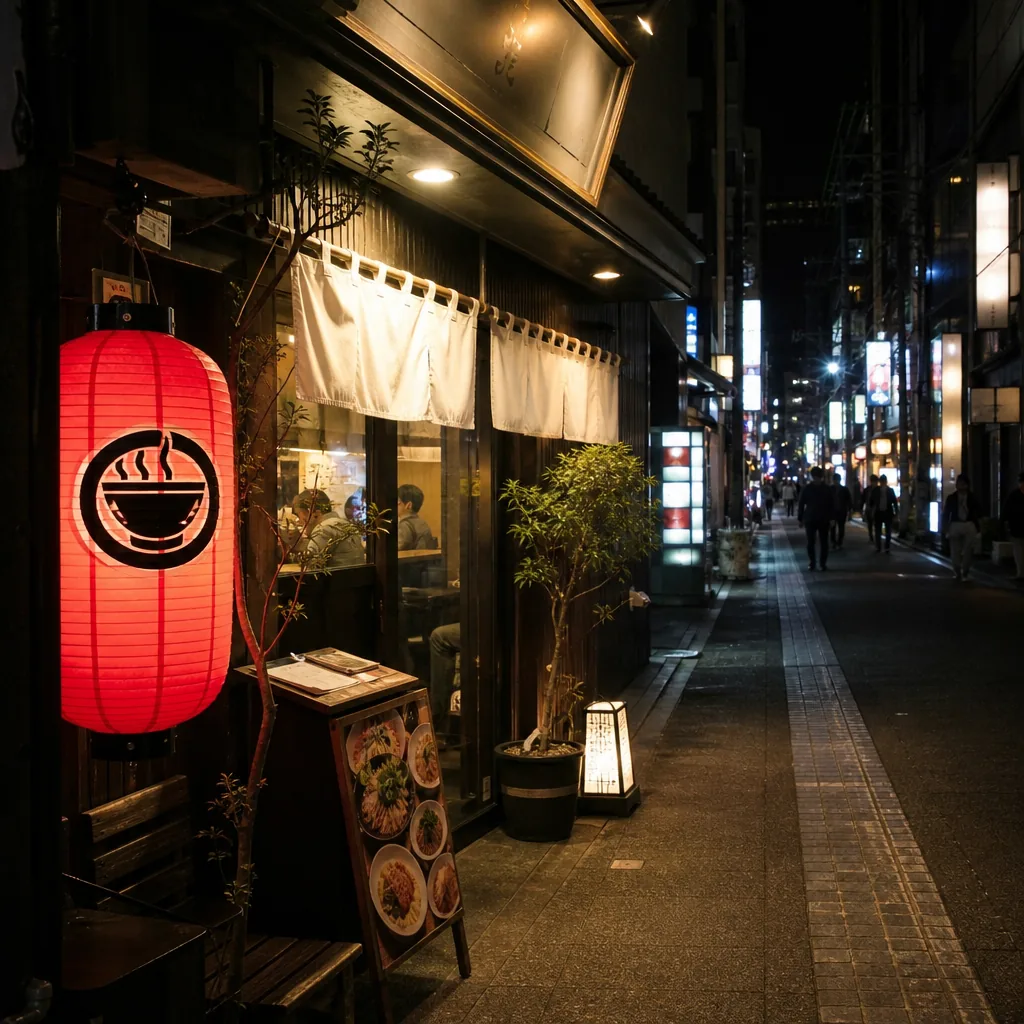
Looking for halal ramen in Kyoto after 10 p.m.? Here’s where to check, which areas are most practical, and how to verify hours and halal status.
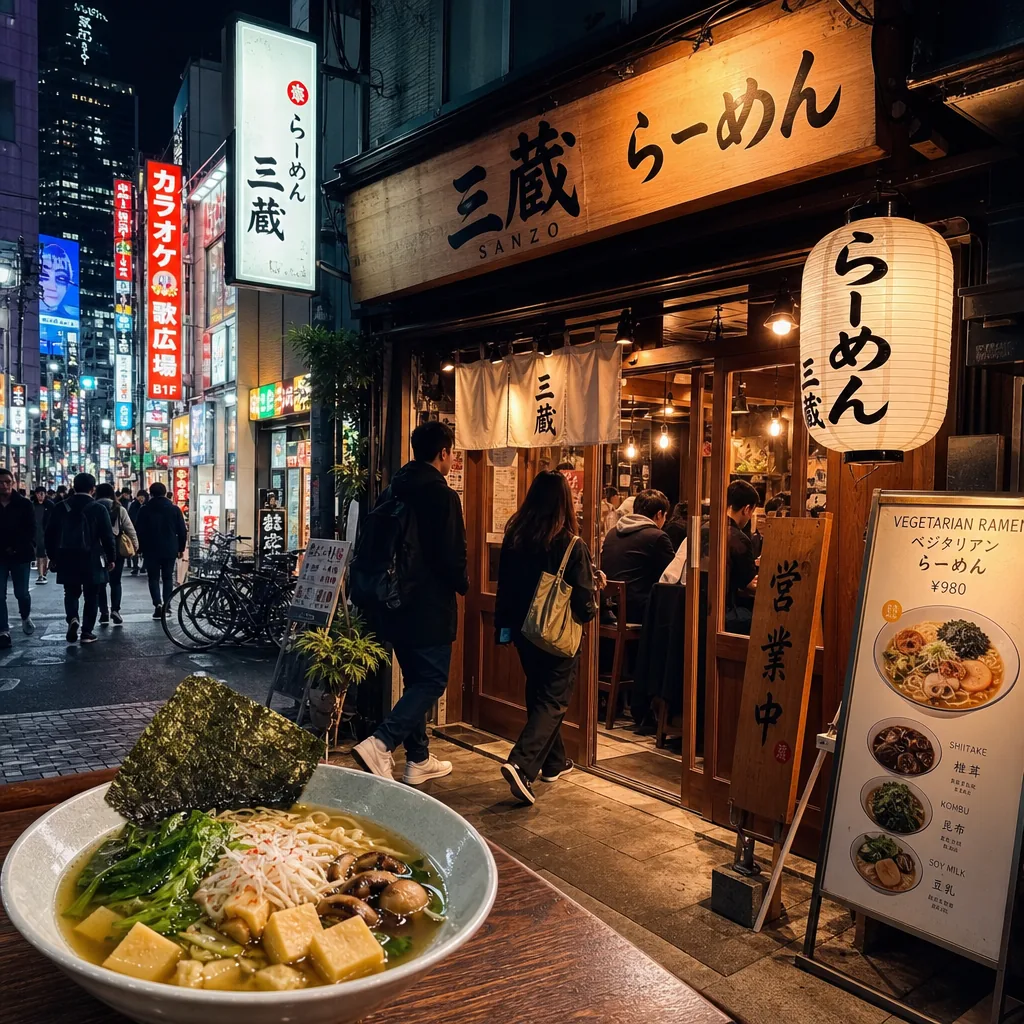
Find late-night vegetarian ramen in Tokyo by focusing on Shibuya, Shinjuku, and Roppongi, then verify broth, hours, and vegan menu details.