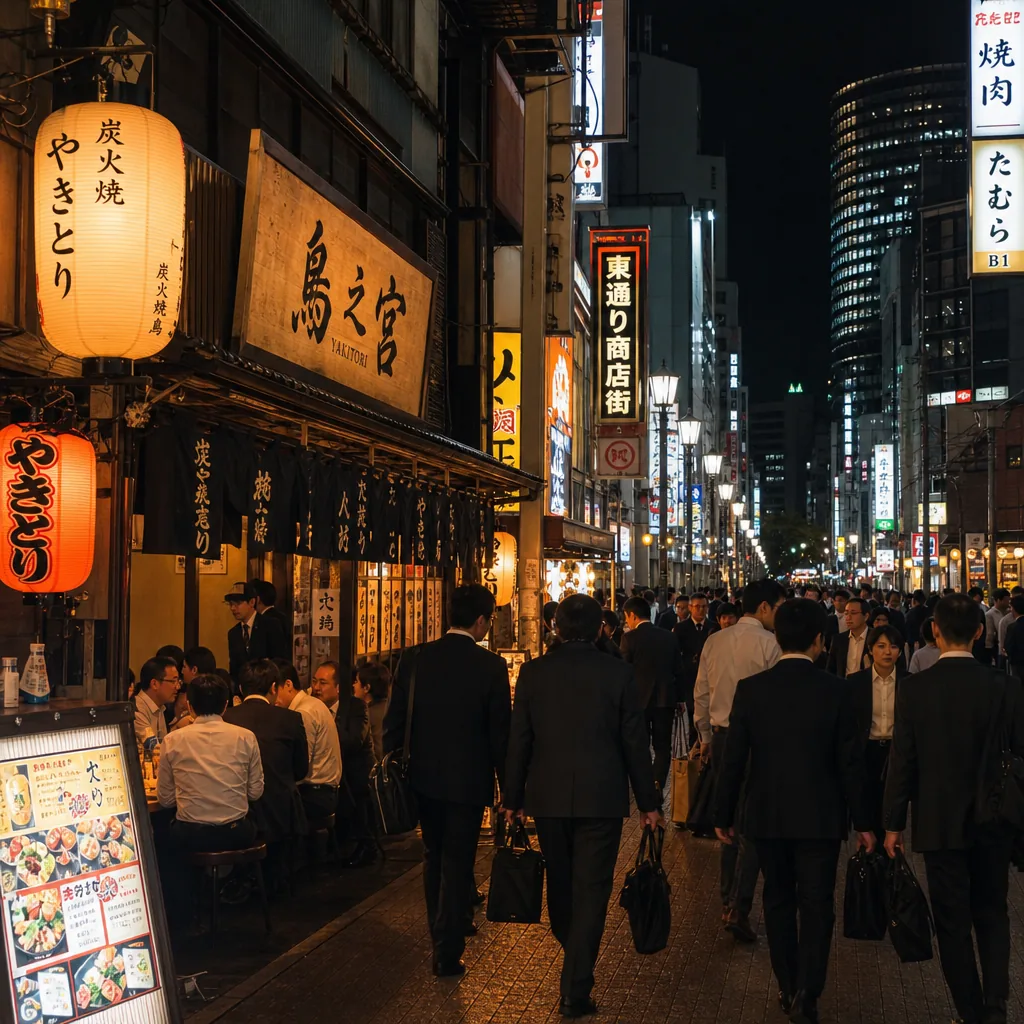
Where can I find english-friendly yakitori in Osaka after work?
Find English-friendly yakitori in Osaka after work by targeting Umeda, Namba, and Honmachi, plus booking sites and multilingual menus.
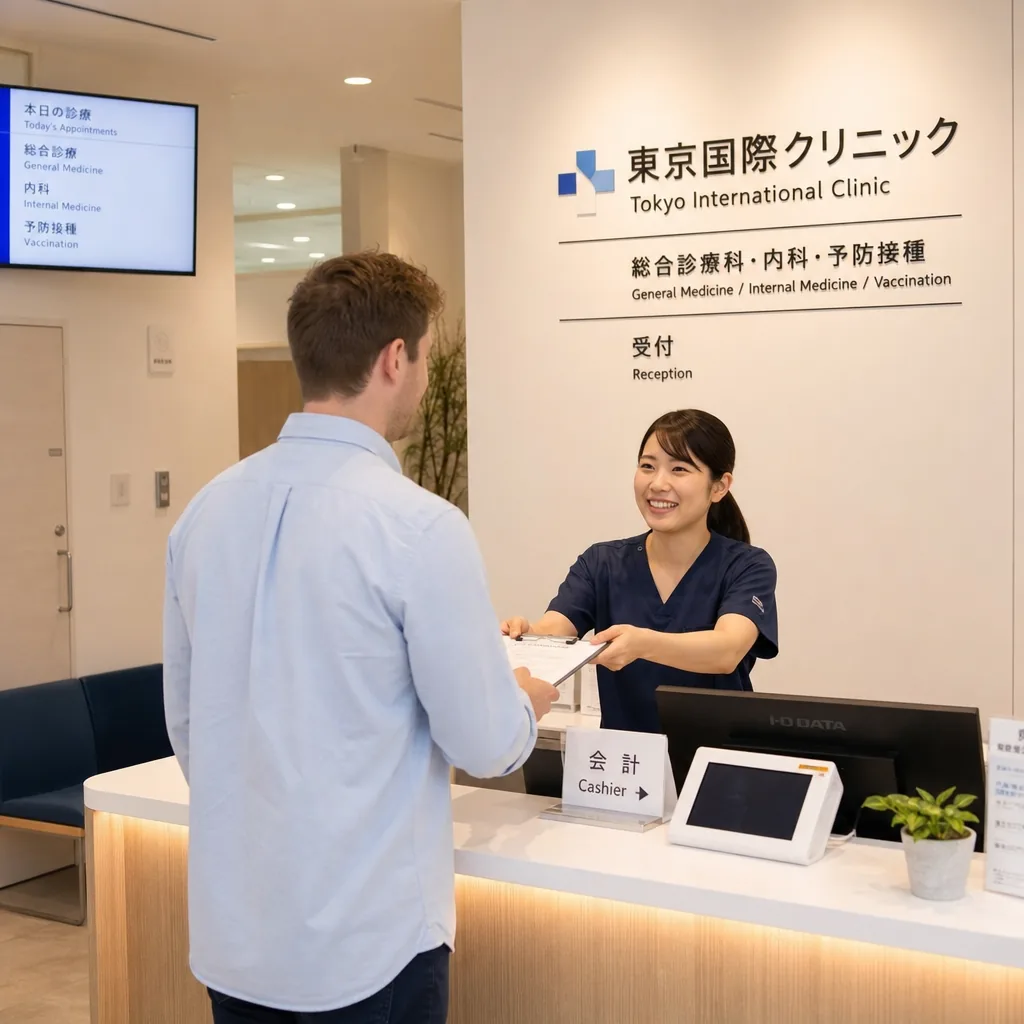
Yes—expats can find English-speaking clinics in Tokyo by starting with official Tokyo search tools, then confirming language support directly with the clinic before booking. The most reliable options are the Tokyo Metropolitan Government’s medical information pages and the Tokyo Health and Medical Care Information Service, which list institutions and language support details [1][2].
The fastest way to narrow your options is to search by ward, specialty, and language support using Tokyo’s official medical directories. The Tokyo Metropolitan Medical Institutions Guide is designed to help residents search for clinics and hospitals in the Tokyo area and includes language support information [2].
For a more general starting point, Tokyo Metropolitan Government’s English medical information page explains how to access medical services in the city and points users toward multilingual support resources [1]. These official tools are especially useful if you are trying to locate a clinic near your home in areas such as Shibuya, Shinjuku, Minato, Chiyoda, or Setagaya, where many international residents live and where larger outpatient centers are often easier to reach by train.
When you search, look for specific wording such as “English available,” “foreign languages supported,” or “telephone interpretation.” A clinic that says it can handle English at reception may still have limited English availability with doctors, so the exact wording matters [2][4].
Tokyo’s government resources are the best place to begin because they are updated for local patients and list actual institutions. The Tokyo Health and Medical Care Information Service lets users search medical institutions and check details such as supported languages and services [2]. For someone new to Tokyo, that is more practical than relying only on general search results or social media recommendations.
The Tokyo Metropolitan Government also maintains emergency and nighttime/holiday medical care information, which is important if you cannot wait for a weekday appointment [3]. If you are unsure where to go, Tokyo’s foreign resident support pages also point residents to consultation resources that can help with everyday life questions, including healthcare access [5].
At the national level, Japan’s Ministry of Health, Labour and Welfare provides guidance for foreigners seeking medical care and emphasizes multilingual support tools [4]. This is useful if you need broader information about how to navigate the Japanese healthcare system, especially if you are still learning how clinics, referral letters, and insurance billing work [4].
One practical approach is to keep these three resources saved on your phone:
Do not assume that “English support” means the same thing everywhere. In Tokyo, language support can vary by department, by time of day, and by whether interpretation is handled in person, by phone, or by video [2][4]. A clinic may be comfortable with routine internal medicine visits but not with dermatology, gynecology, or pediatric consultations in English.
Before you book, confirm the following five points:
Concrete examples of places to check include major urban areas such as Shinjuku and Minato, where you can often find larger clinics and hospitals listed in Tokyo’s official directory [2]. If you are near a station like Shibuya or Tokyo Station, the directory can help you identify institutions that are easier to reach without a long transfer, which matters when you are sick.
If you need a clinic for a family member, ask whether pediatric or obstetric services are offered in English. If you need repeat care, ask whether the same doctor is available for follow-up visits, because continuity is often better than switching between providers.
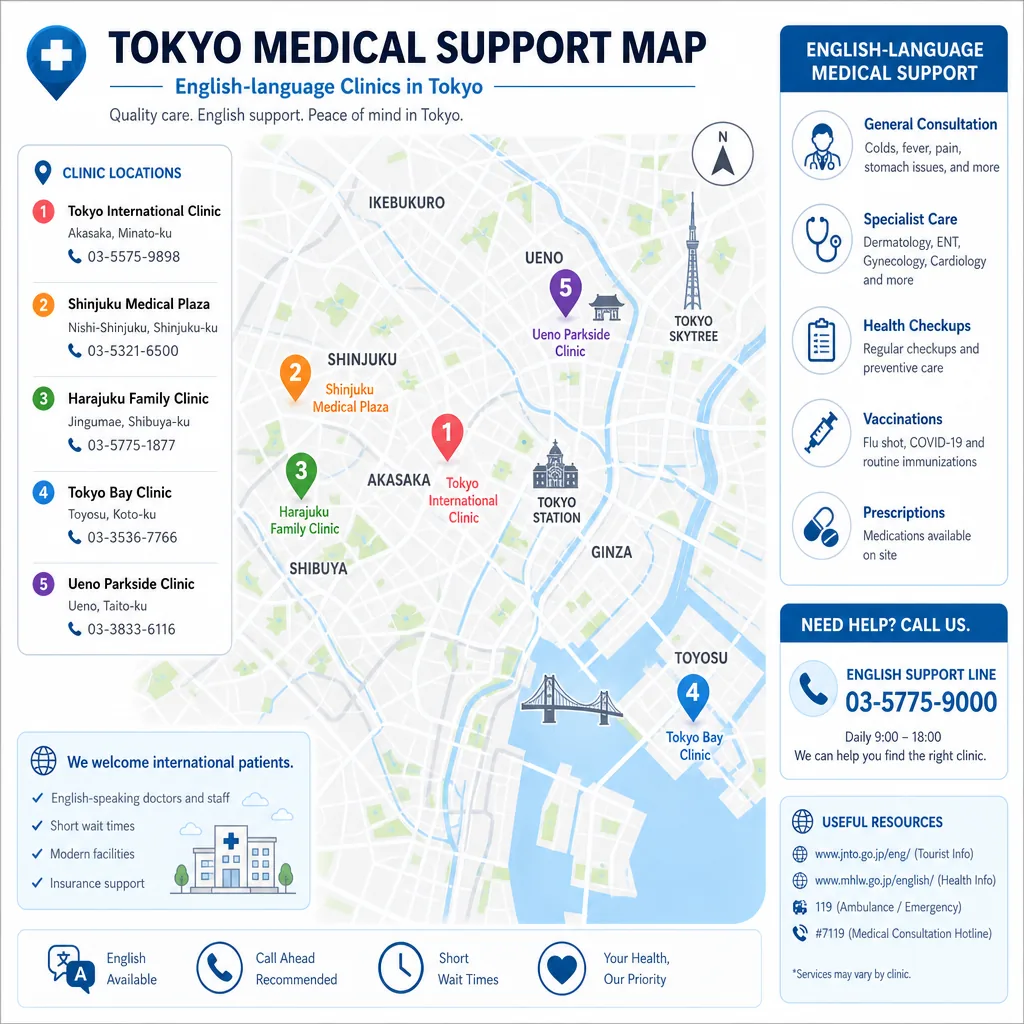
For urgent care outside normal business hours, use Tokyo’s emergency medical care and nighttime/holiday guidance first [3]. Tokyo Metropolitan Government maintains information for nighttime and holiday services so patients can find the right place to go when a regular clinic is closed [3].
If the situation is serious—such as difficulty breathing, chest pain, or a loss of consciousness—do not wait for a clinic search result. Use emergency services immediately and follow Tokyo’s emergency guidance [3]. If the problem is urgent but not life-threatening, the city’s nighttime and holiday information can help you find an appropriate facility instead of guessing.
Tokyo’s system is especially helpful because some clinics that serve expatriates during the day may not offer after-hours English support. That is why it is smart to save both a daytime clinic and a backup emergency resource. If you live in central Tokyo, check options in your neighborhood before an emergency happens, rather than searching from scratch at night.
Bring your health insurance card if you have Japanese coverage, and bring any medication list or prior diagnoses in English if possible. Even when the clinic offers English support, written information makes the appointment faster and reduces mistakes [4].
It also helps to prepare a few basic phrases and details in advance: your symptoms, when they started, any allergies, and whether you have a fever. If you are using a translation app, keep the wording simple and verify important medical terms with the clinic staff.
Here are a few practical habits that make clinic visits easier in Tokyo:
The key is to treat English support as a service to verify, not a label to trust blindly. In Tokyo, the most dependable path is to start with the city’s official search tools, confirm details directly, and keep an after-hours option ready. That approach gives expats a much better chance of finding care quickly and communicating clearly when it matters most [1][2][3][4].
CallButler is a multilingual concierge service that handles research, coordination, and bookings so you do not have to navigate language barriers or unfamiliar systems alone. If you need help related to How can expats find English-speaking clinics in Tokyo? or the tasks around it, our team can step in to manage the details and keep things moving smoothly.
Find English-friendly yakitori in Osaka after work by targeting Umeda, Namba, and Honmachi, plus booking sites and multilingual menus.
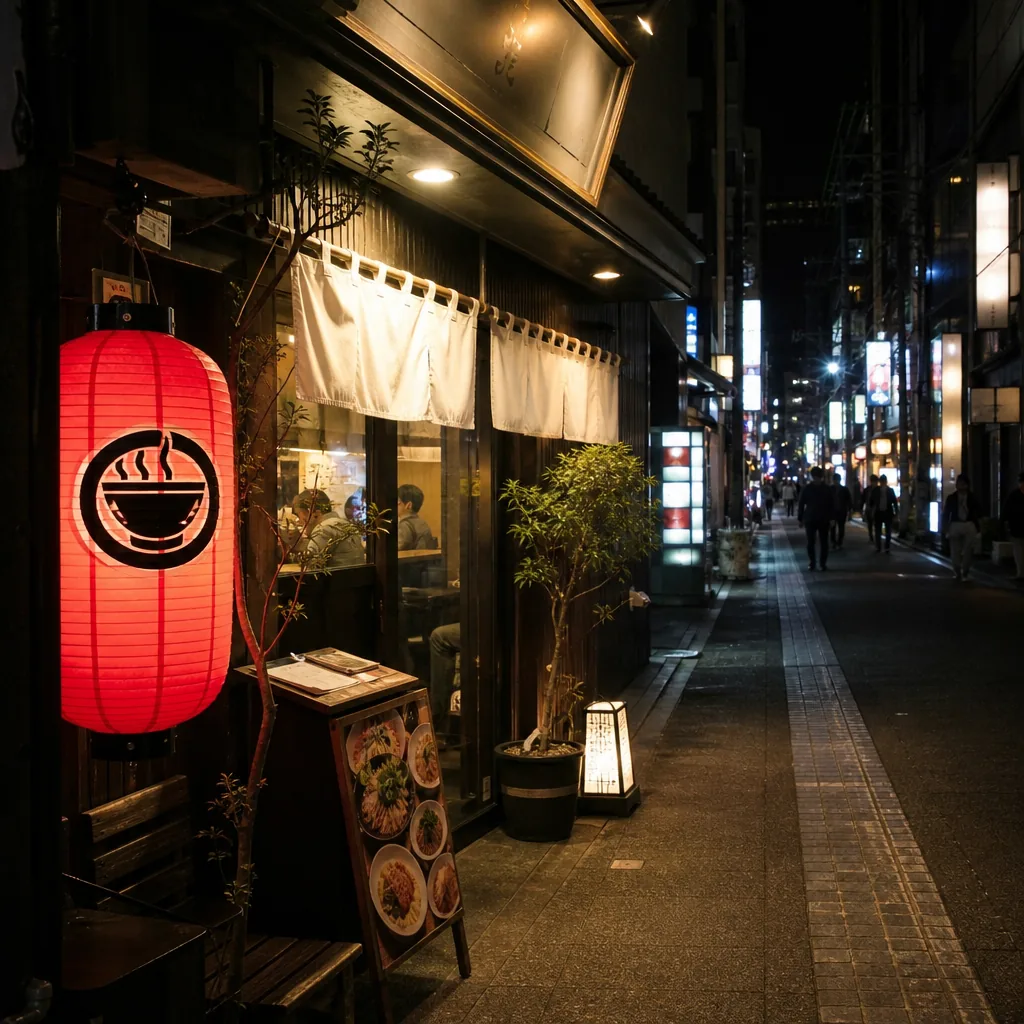
Looking for halal ramen in Kyoto after 10 p.m.? Here’s where to check, which areas are most practical, and how to verify hours and halal status.
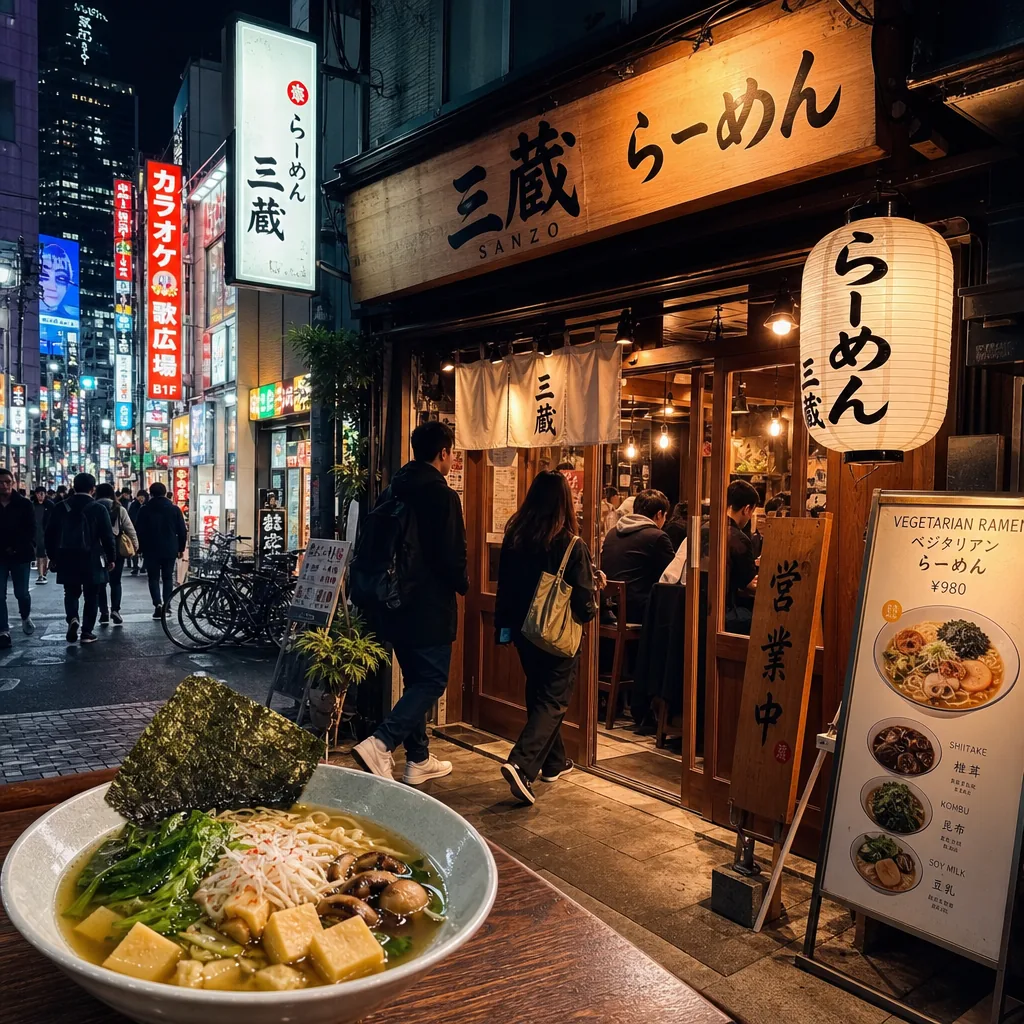
Find late-night vegetarian ramen in Tokyo by focusing on Shibuya, Shinjuku, and Roppongi, then verify broth, hours, and vegan menu details.