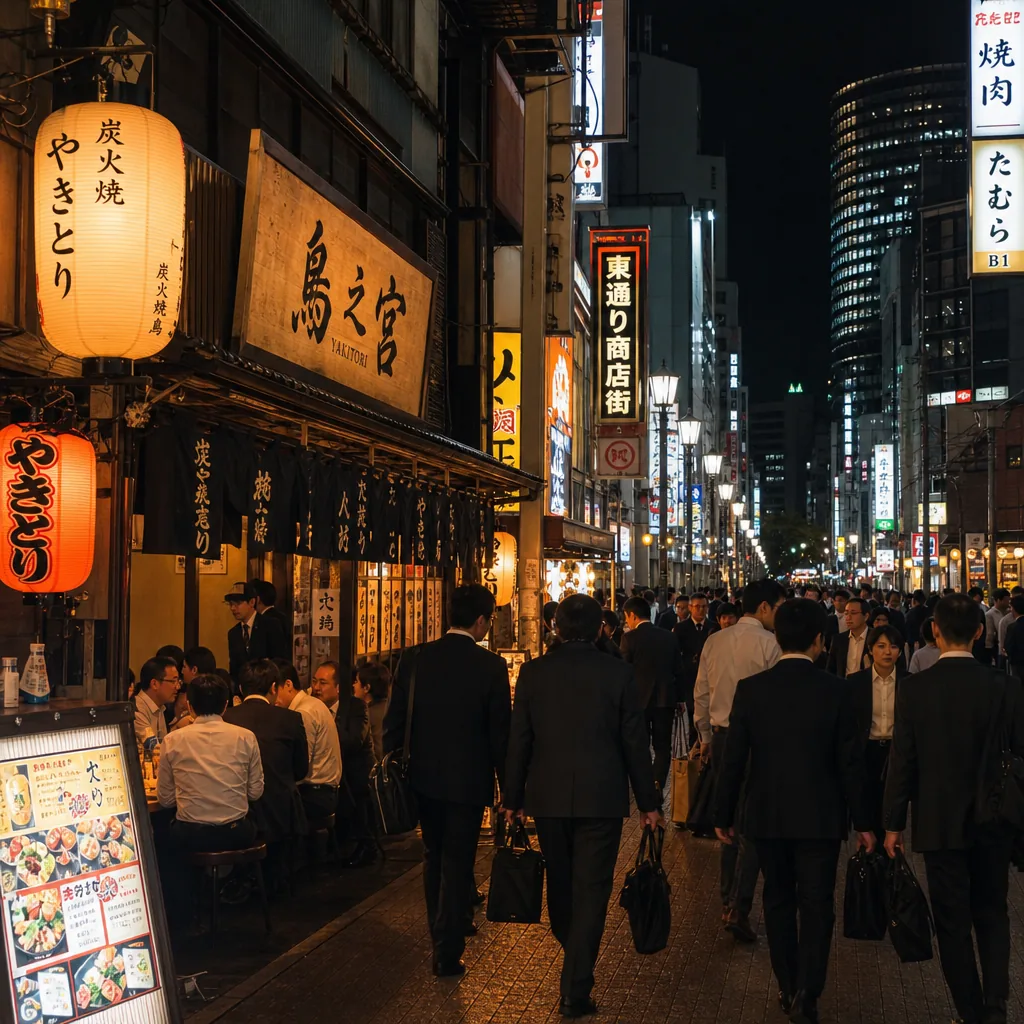
Where can I find english-friendly yakitori in Osaka after work?
Find English-friendly yakitori in Osaka after work by targeting Umeda, Namba, and Honmachi, plus booking sites and multilingual menus.
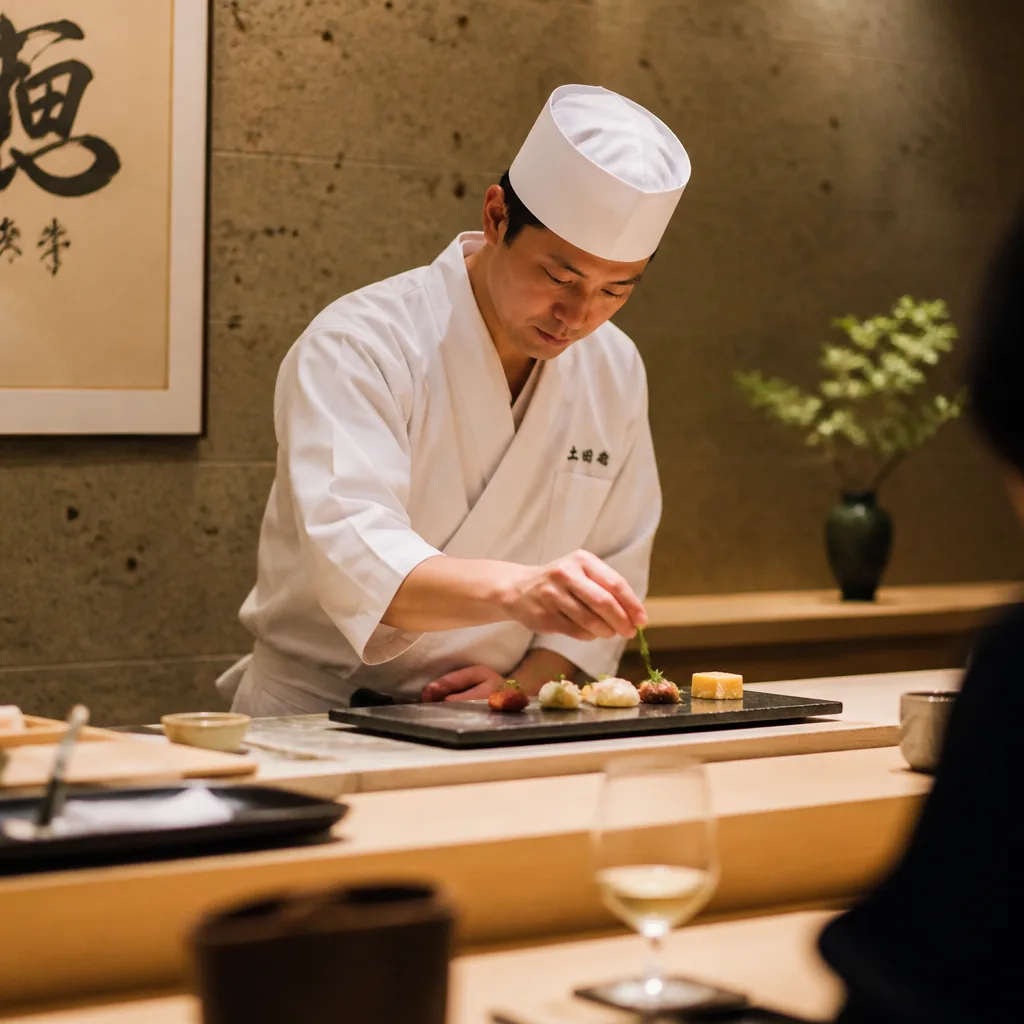
Yes— a concierge can book vegetarian omakase in Tokyo, but success depends on advance notice, direct confirmation with the restaurant, and very specific dietary questions. In many high-end omakase counters, the chef may be able to adapt a course, but only if the request is made early and the ingredients, broth, and cooking equipment are confirmed in writing [1][4].
In Tokyo, “vegetarian omakase” does not always mean the chef will simply remove meat. Traditional omakase menus often rely on dashi, bonito stock, fish sauce, or seafood-based garnishes, so a request that is only labeled “vegetarian” can still miss key restrictions [4][5]. A concierge should treat the request as a custom menu inquiry, not a standard dietary note.
Tokyo tourism resources specifically note that vegetarian and vegan dining exists across the city, but diners still need to check menu details carefully [1][3]. That matters for omakase, where the experience is built around the chef’s daily selection and substitutions may be limited.
Start with Tokyo-focused directories before contacting restaurants directly. The Tokyo Convention & Visitors Bureau’s vegetarian and vegan guide and Go Tokyo’s restaurant search can help identify places that already understand plant-based requests [1][2]. These resources are especially useful for narrowing down neighborhoods such as Ginza, Shibuya, Asakusa, and Shinjuku, where international guests often stay and where many restaurant listings are easier to verify.
For example, Tokyo tourism pages highlight vegetarian-friendly options including Shizen Vegan Sushi in Shibuya, T’s Tantan in Tokyo Station, and Saido in Jiyugaoka as places that already serve plant-based diners [1][3]. Even if these are not classic high-end omakase counters, they are good references when proposing backup options or comparing what a restaurant can realistically provide.
A practical vetting process should include:
The most important booking rule is to confirm the final menu before the reservation is set. Tokyo’s official and national travel guides both emphasize that vegetarian travelers should verify ingredients and tell the restaurant in advance, because assumptions are unreliable [1][4]. For omakase, the concierge should ask for a written answer to four points: whether the course is fully vegetarian, whether fish or dashi appears anywhere, whether dairy and egg are included, and whether there is any shared equipment risk.
Timing also matters. High-end omakase restaurants often plan their menus around seasonal ingredients, so requests made only on the day may fail. A safer standard is to request the adaptation several days to weeks in advance, especially for a popular counter with a small number of seats [1][4]. If the restaurant agrees, reconfirm the same details on the day of the reservation.
Tokyo tourism guidance also notes that vegetarian and vegan restaurant availability is broader than before, but not every venue can adapt every dish [1][3]. In practice, that means a concierge should not promise the guest a specific chef’s counter until the restaurant explicitly accepts the request.
Clear phrasing is crucial. The Japan National Tourism Organization warns that “vegetarian” alone may not be enough, because some guests eat fish or dashi while others do not [4]. A concierge should specify exactly what is allowed and not allowed.
Useful Japanese wording includes:
If the guest is vegan and needs a stricter menu, say so clearly. Tokyo’s official vegetarian and vegan resources show that many restaurants can serve plant-based food, but they also stress the importance of checking whether broth or hidden seasonings are used [1][3].
Tokyo Convention & Visitors Bureau’s “Tokyo Vegetarian and Vegan Restaurant Guide” is a practical starting point because it explains how to find suitable venues and what to ask before booking [1]. Go Tokyo’s search tool can also help concierges locate vegetarian-friendly restaurants by keyword, which is useful when comparing areas or meal styles [2]. The broader “Tokyo for Vegans/Vegetarians” guide is helpful for spotting the city’s growing number of accommodations and restaurant types [3].
The Japan National Tourism Organization guide is especially useful for framing the request because it explains the differences among vegetarian, vegan, and dashi-free needs [4]. The Japan Times has also reported that vegetarian dining in Japan often requires careful explanation rather than a simple label, which aligns with the concierge approach: do not assume the kitchen understands the guest’s dietary boundaries unless they repeat them back clearly [5].
When the goal is an omakase-style evening, these resources can help identify the nearest realistic option. For instance, a concierge might use them to find a vegetarian-friendly restaurant in central Tokyo, then ask whether the chef can build a custom course for a guest staying in Ginza or Shibuya rather than searching blindly for a fully vegetarian counter at the last minute [1][2].
The biggest pitfall is treating all “vegetarian” requests as identical. A guest who avoids meat but eats fish is very different from a guest who needs a fully vegan, dashi-free meal [4][5]. Another common mistake is assuming a restaurant that serves one vegetarian dish can build a full omakase course. The third is forgetting cross-contact: even a meat-free dish may be cooked on a shared grill or finished with fish-based seasoning.
If a restaurant cannot fully accommodate the request, a concierge should offer a backup quickly instead of forcing the issue. Good alternatives in Tokyo include vegetarian kaiseki, temple cuisine, sushi places with vegetable-focused courses, or a private-room arrangement at a hotel where the kitchen can prepare a custom menu [1][3][4].
Here is a simple backup sequence that works well in Tokyo:
In Tokyo, vegetarian omakase is absolutely possible, but it is won by precision, not by assumption. The best concierges use local Tokyo resources, ask detailed questions early, and keep a backup plan ready so the guest gets a seamless dining experience.
CallButler is a multilingual concierge service that handles research, coordination, and bookings so you do not have to navigate language barriers or unfamiliar systems alone. If you need help related to How can a concierge book vegetarian omakase in Tokyo? or the tasks around it, our team can step in to manage the details and keep things moving smoothly.
Find English-friendly yakitori in Osaka after work by targeting Umeda, Namba, and Honmachi, plus booking sites and multilingual menus.
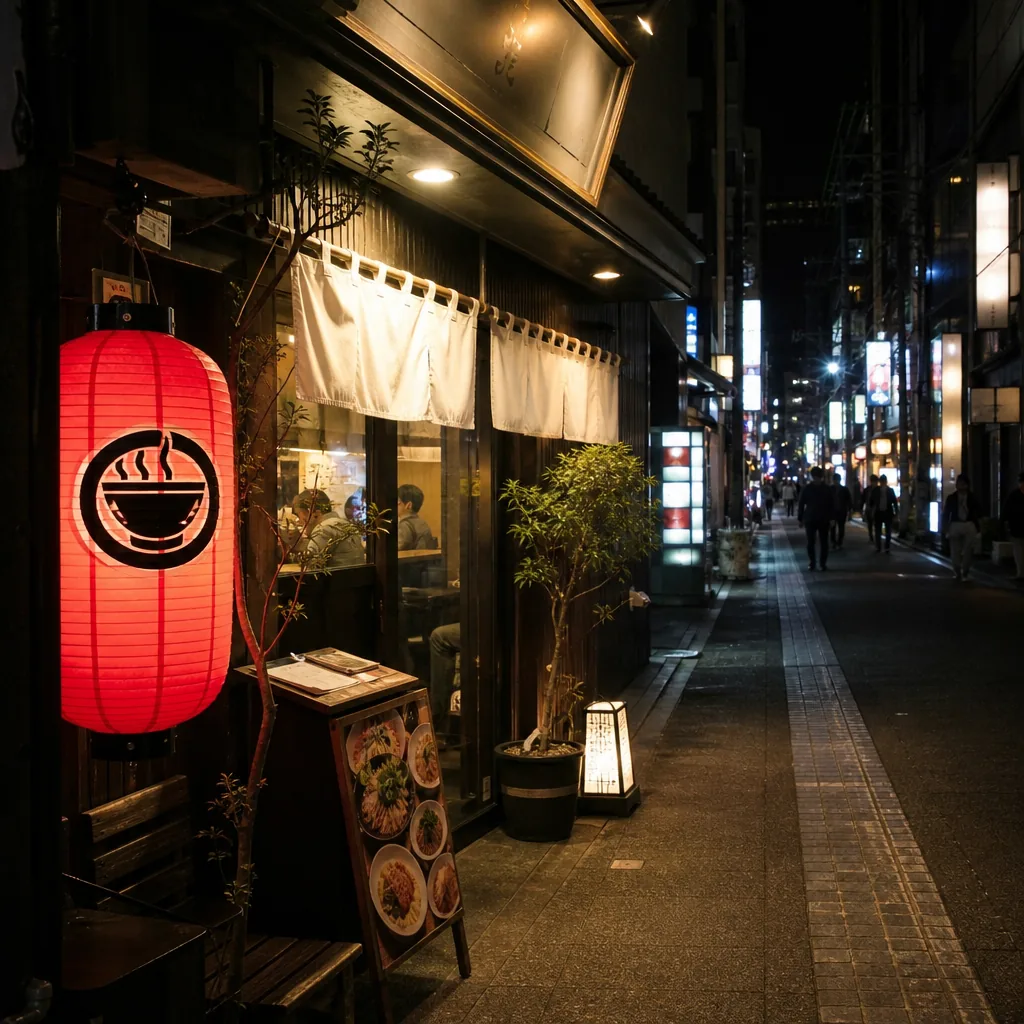
Looking for halal ramen in Kyoto after 10 p.m.? Here’s where to check, which areas are most practical, and how to verify hours and halal status.
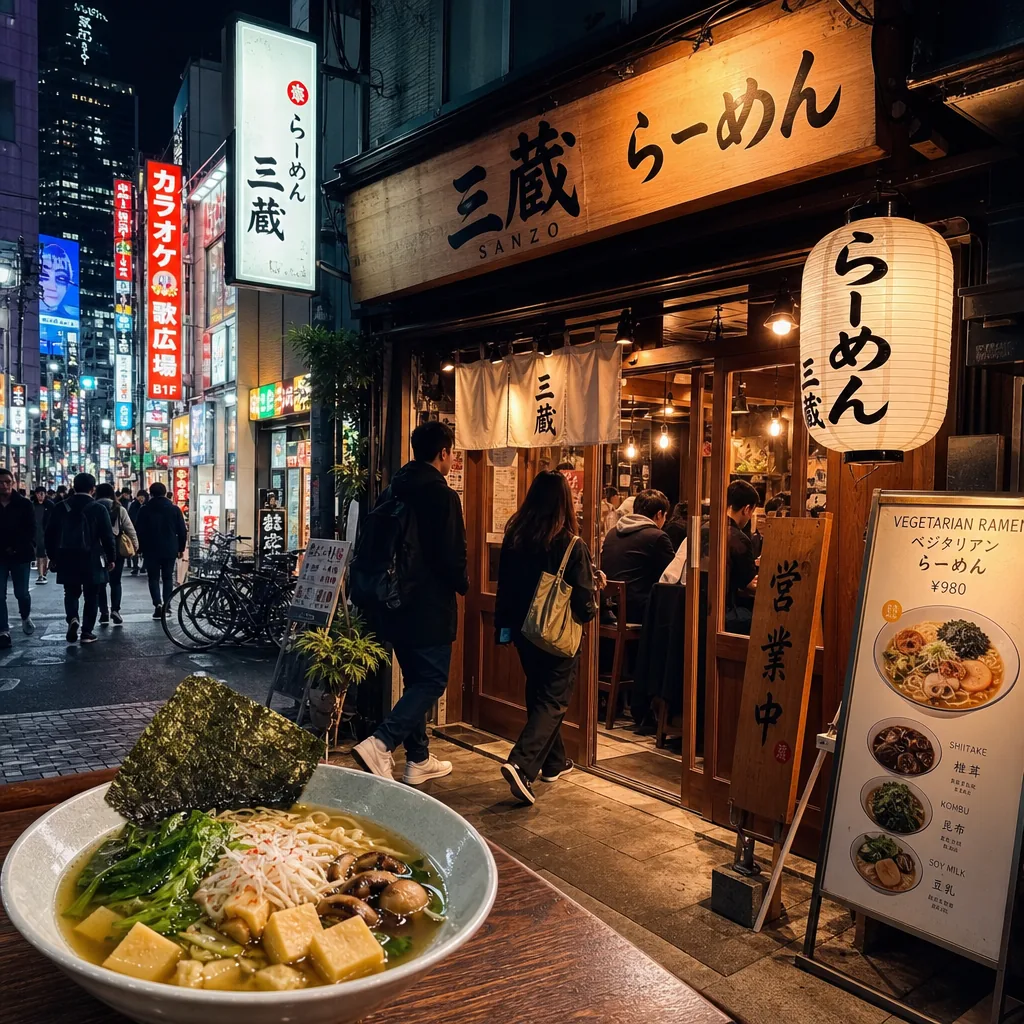
Find late-night vegetarian ramen in Tokyo by focusing on Shibuya, Shinjuku, and Roppongi, then verify broth, hours, and vegan menu details.