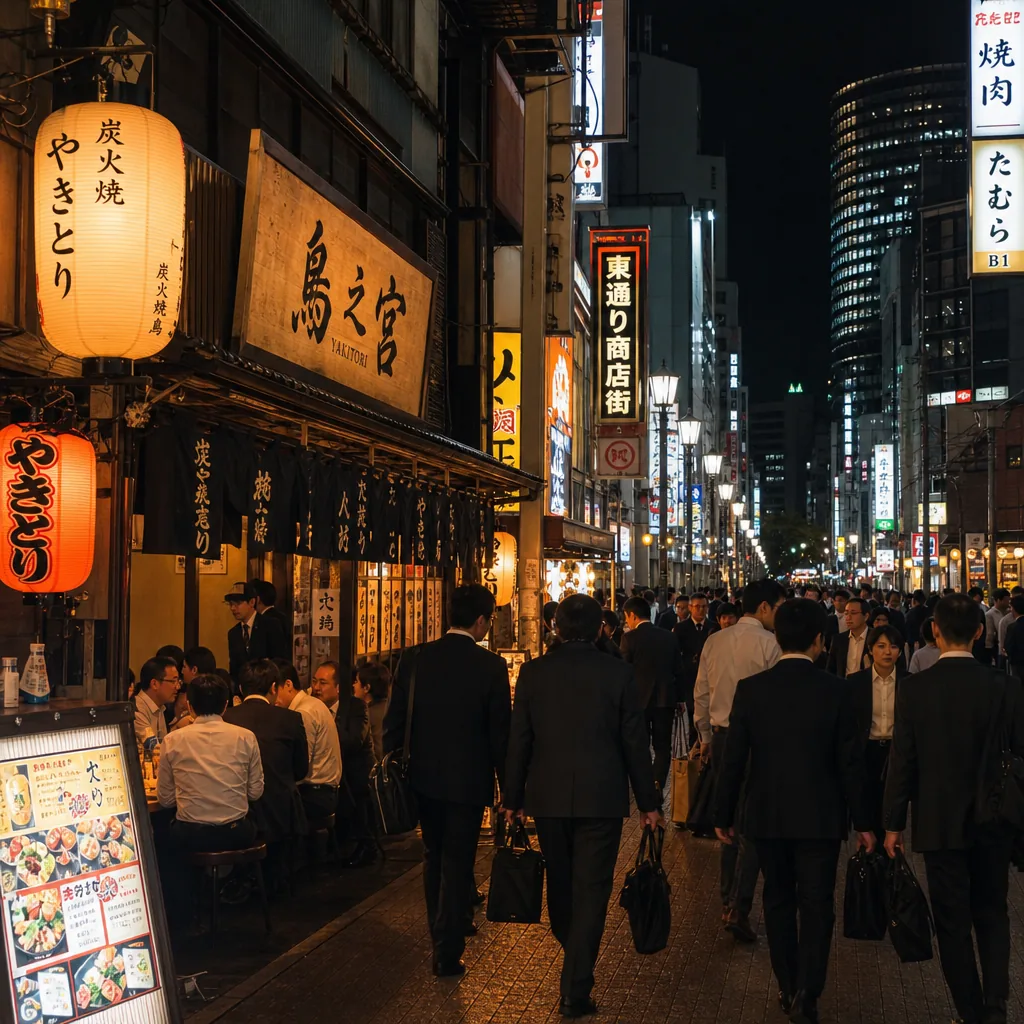
Where can I find english-friendly yakitori in Osaka after work?
Find English-friendly yakitori in Osaka after work by targeting Umeda, Namba, and Honmachi, plus booking sites and multilingual menus.
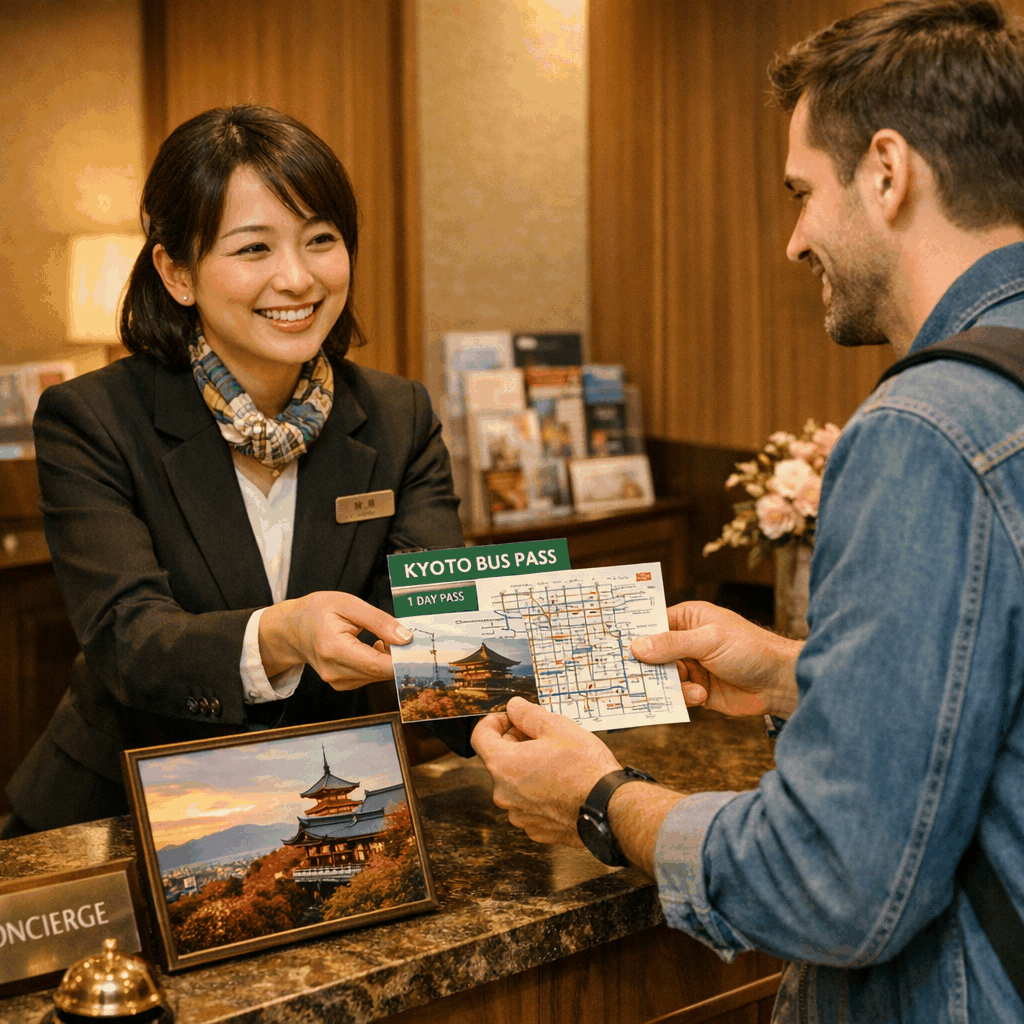
A concierge can arrange a Kyoto bus guide, routes, and passes by choosing the correct fare media (Kyoto City Bus & Subway One-day Pass, ICOCA, or Kansai Thru Pass), mapping efficient bus routes that link Fushimi Inari, Kiyomizu-dera, and Arashiyama, and booking licensed guides or charter buses through local operators such as Kyoto Bus Co. and JNTO-listed interpreters [1][2][5]. Below are practical, step-by-step actions concierges can follow to deliver smooth, day-of travel for guests in Kyoto.
Start with a short intake: number of passengers, mobility limits, preferred neighborhoods (e.g., Higashiyama, Arashiyama, Fushimi), language needs, pace (one full day vs. multiple short trips), and whether guests will mix buses with trains or taxis. Use that to decide whether a single-city pass, a regional pass, or IC cards suit the group best. Prioritize early or late visits for high-traffic sites such as Fushimi Inari Taisha, Kiyomizu-dera, and the Arashiyama Bamboo Grove to reduce crowd exposure [1].
Compare three common options and their use cases:
Decide based on itinerary: heavy intra-city bus use → Kyoto one-day pass; regional travel → Kansai Thru Pass; mixed or last-minute travel → ICOCA [1][3][4].
Use official maps and schedules when designing routes; Visit Kyoto publishes network overviews for city buses and subways that should be checked before finalizing an itinerary [1]. Typical concierge-friendly route clusters:
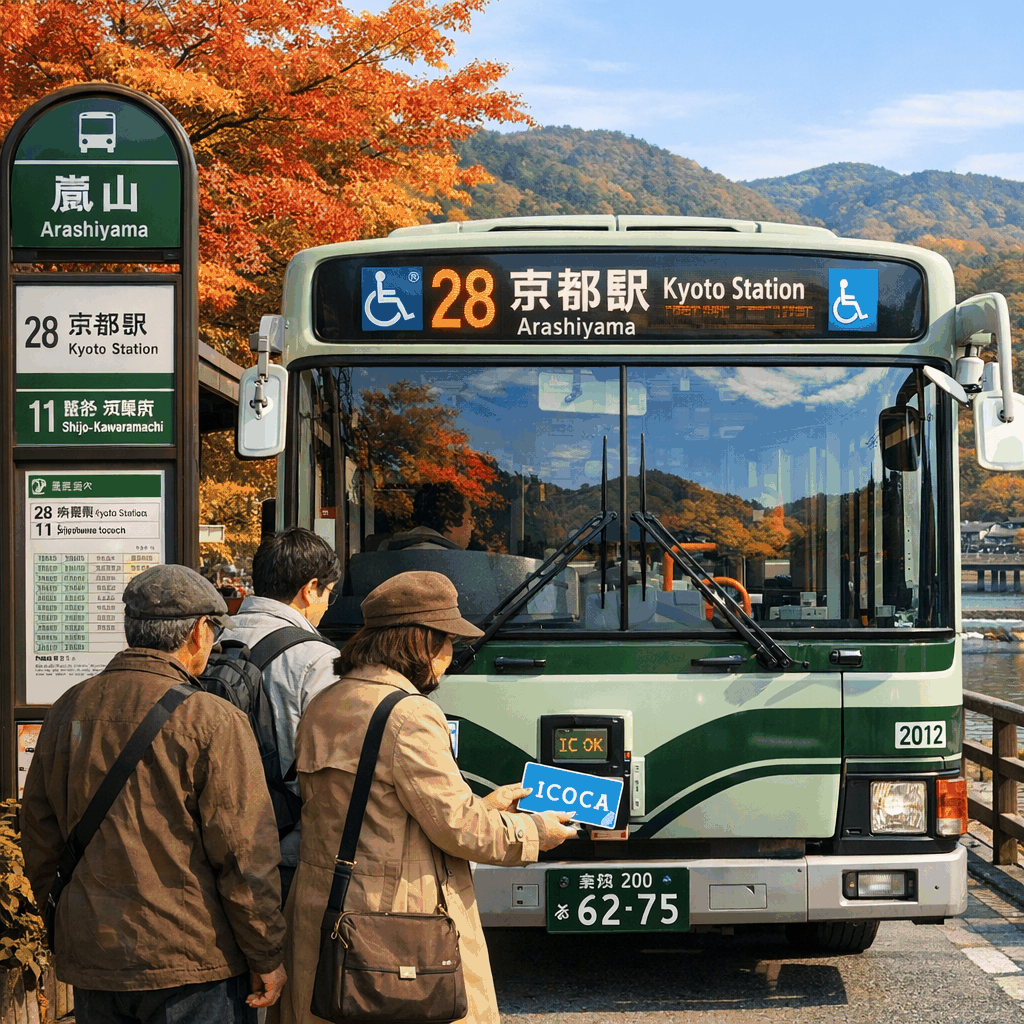
For language-specific guiding, book licensed guide-interpreters listed by the Japan National Tourism Organization (JNTO). JNTO maintains a directory of national and local certified guides; book as early as possible for popular languages and peak travel dates [5]. Provide guides with your planned bus stops, pass type, and transfer points so they can advise on small-route adjustments on the day.
For larger groups or when door-to-door movement is needed, contact local charter operators such as Kyoto Bus Co. to request quotes, vehicle sizes (microbus to large coach), and availability. Lead times vary by season; contact operators early and confirm pickup/drop-off addresses and permitted stop locations (some temple precincts limit coach access) [2].
Decide whether to supply physical passes, preloaded ICOCA cards, or vouchers. Passes can be purchased at subway stations and tourist centers; ICOCA cards are available at JR-West counters and vending kiosks [1][4]. For groups, gather passenger names and distribute cards at check-in or place cards with room folios. Keep digital and printed receipts and record pass serial numbers when possible.
Use these templates as starting points and adapt to guest pace and pass choice.
Following these steps — matching passes to itinerary, using official route resources, pre-booking guides and charters, and preparing clear distribution and contingency plans — will let a concierge reliably deliver efficient, low-stress bus travel in Kyoto. Always confirm current sales locations, operator contacts, and schedule notices on Visit Kyoto and with the specific operators and guide services before finalizing arrangements [1][2][3][4][5].
CallButler is a multilingual concierge service that handles research, coordination, and bookings so you do not have to navigate language barriers or unfamiliar systems alone. If you need help related to How can a concierge arrange a Kyoto bus guide, routes, and passes? or the tasks around it, our team can step in to manage the details and keep things moving smoothly.
Find English-friendly yakitori in Osaka after work by targeting Umeda, Namba, and Honmachi, plus booking sites and multilingual menus.
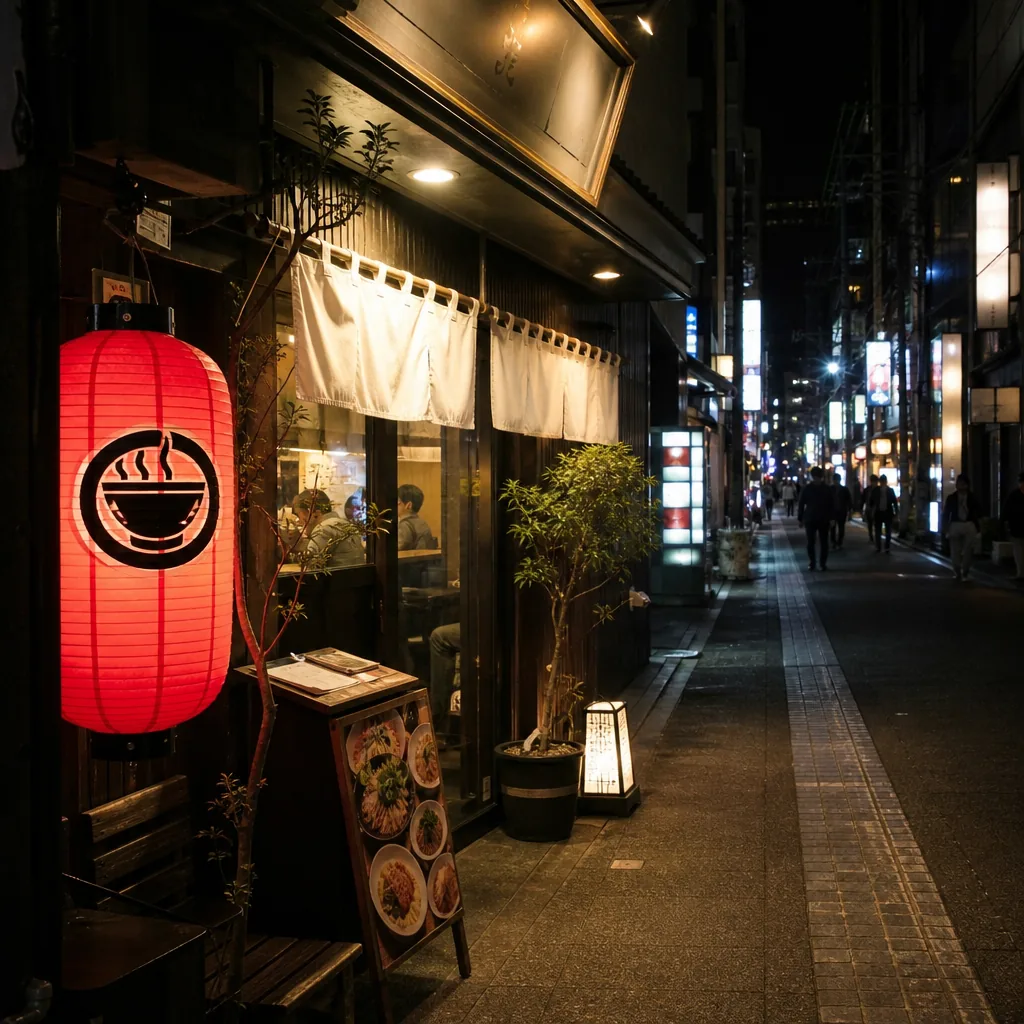
Looking for halal ramen in Kyoto after 10 p.m.? Here’s where to check, which areas are most practical, and how to verify hours and halal status.
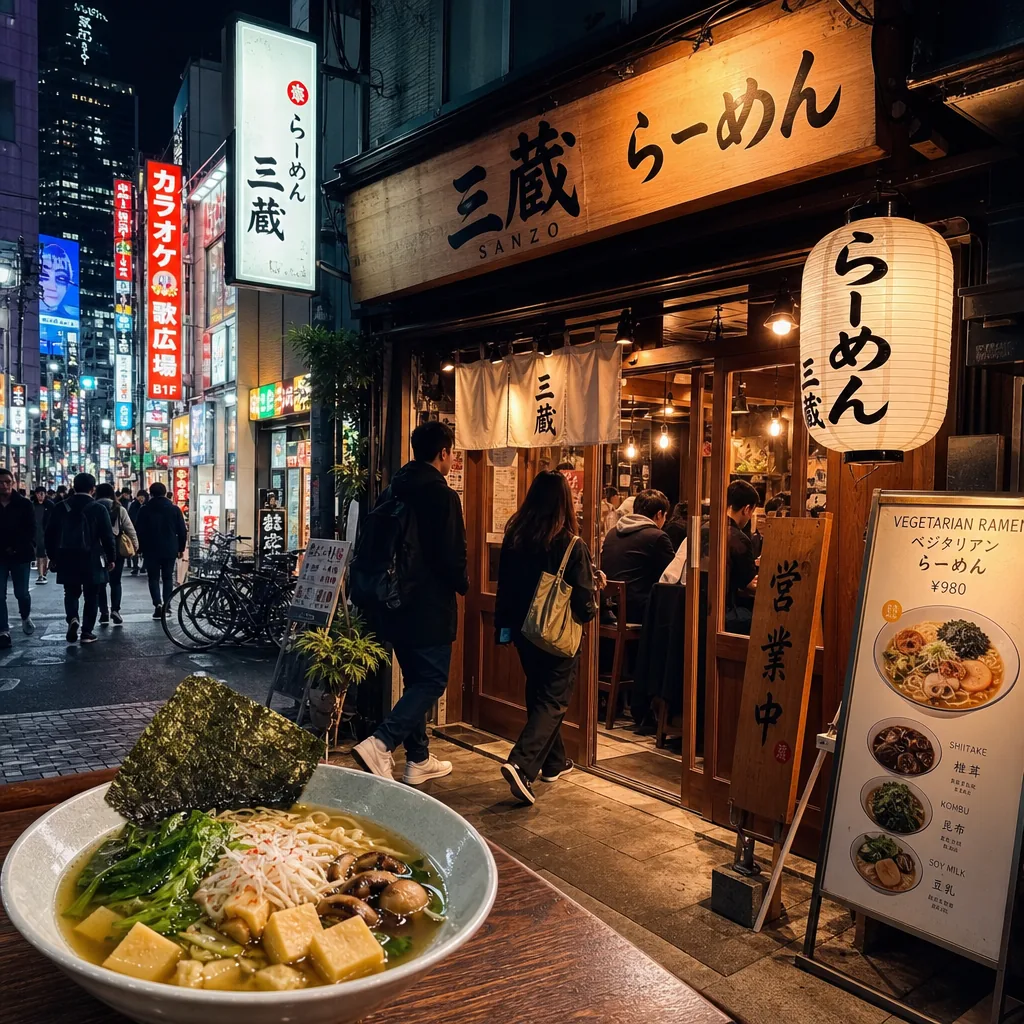
Find late-night vegetarian ramen in Tokyo by focusing on Shibuya, Shinjuku, and Roppongi, then verify broth, hours, and vegan menu details.