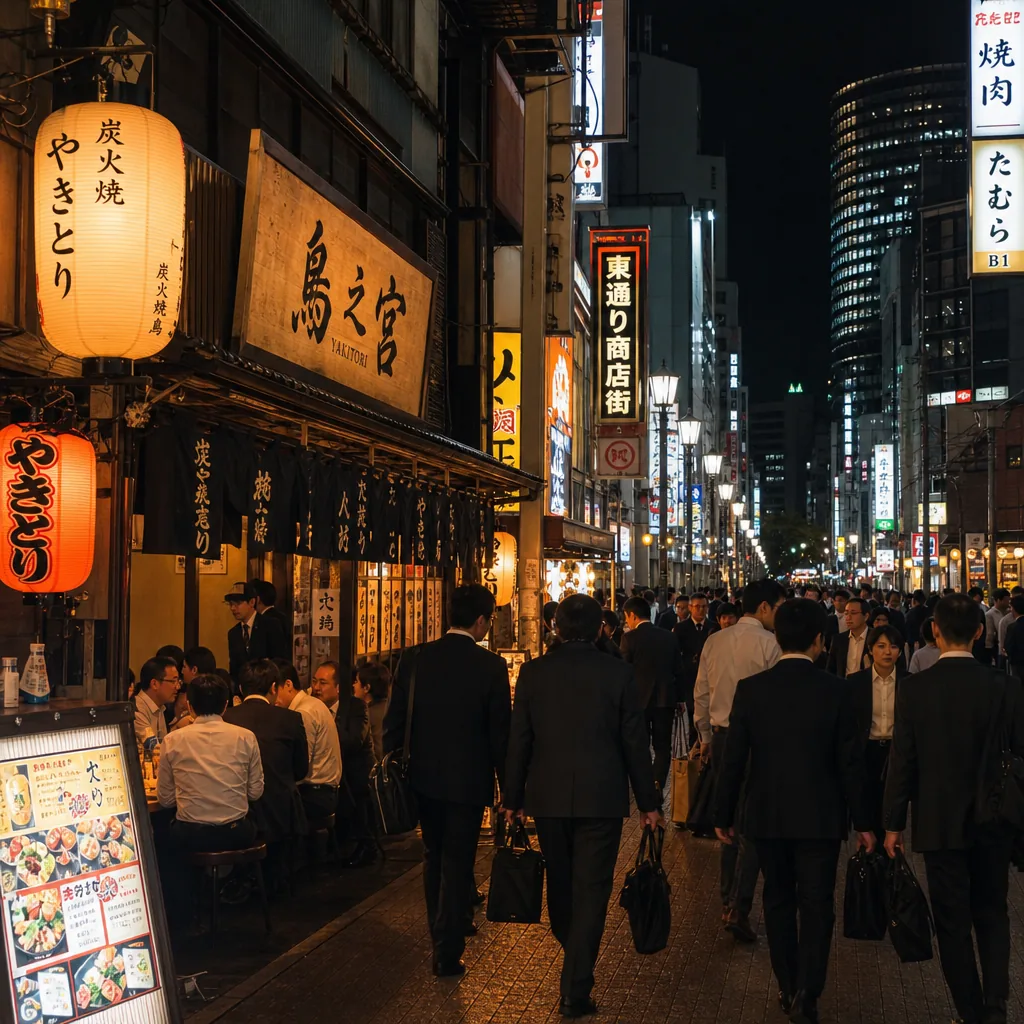
Where can I find english-friendly yakitori in Osaka after work?
Find English-friendly yakitori in Osaka after work by targeting Umeda, Namba, and Honmachi, plus booking sites and multilingual menus.
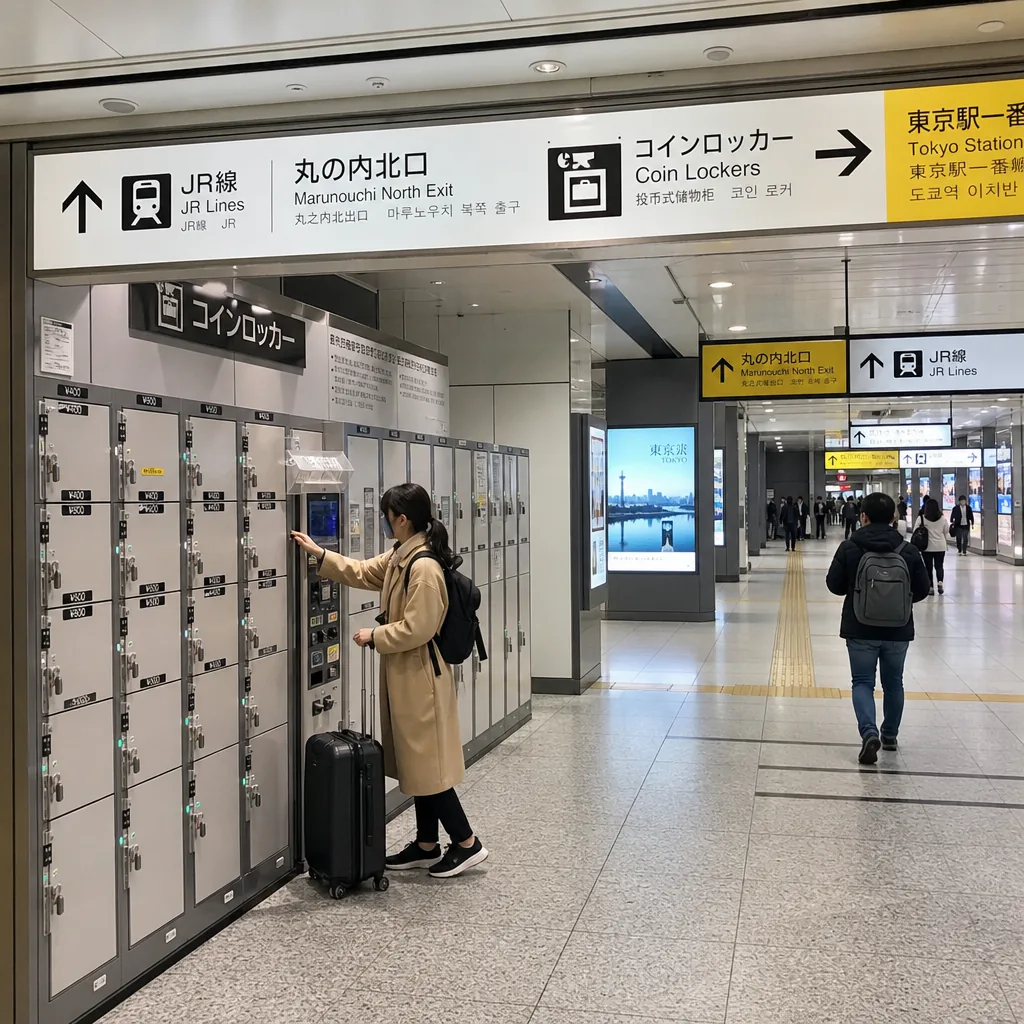
Yes, you can use Tokyo Station lockers for luggage and sightseeing, but it works best for smaller bags, off-peak hours, and short visits. Tokyo Station has coin lockers and baggage services in and around the station, so you can drop your luggage and head straight to nearby sights like Marunouchi, the Imperial Palace area, or Ginza [1][2][4].
Tokyo Station is one of the most practical places in Tokyo to leave your bags for a few hours because it is a major rail hub with station lockers and staffed services nearby [1][2]. JR East says its station locker service is available at many JR East stations, including Shinkansen-related facilities, while Tokyo Station City lists lockers and other services within the station complex [1][2].
That said, lockers are not guaranteed to be available when you arrive. The Tokyo Metropolitan Government’s tourism guidance specifically recommends checking for alternatives if lockers are full, especially during busy travel periods [4]. If you are arriving on a peak commuter morning or a holiday weekend, plan for a backup option.
Tokyo Station has lockers in and around the station, including areas connected to the station complex rather than just one single bank of machines [1][2]. Because the station is large and has multiple concourses, the most useful approach is to look for locker areas near the exits or ticket gates you will actually use for sightseeing.
JR East notes that locker fees and conditions depend on the locker system and location, so prices are not uniform across all stations or all locker banks [1]. In practice, that means you should check the posted rate on the machine before inserting your bag. If you need a staffed option, Tokyo Station also has passenger services and information counters where you can ask about storage and nearby alternatives [3].
For travelers who want to store luggage only briefly before lunch, a museum visit, or a walk through Marunouchi, the convenience is hard to beat. You can drop your bag, spend a few hours sightseeing, and return before your next train without leaving the station area.
Locker size is the biggest limitation at Tokyo Station. JR East explains that station lockers come in different sizes, but availability varies by location; smaller and medium lockers are more common, while large and extra-large lockers are limited [1].
That means a daypack, shopping bag, or carry-on-size suitcase may fit in some lockers, but a large checked suitcase often will not. If you are traveling with a big hard-shell suitcase, do not assume a locker will take it. Tokyo tourism guidance recommends using alternative baggage storage or delivery services when baggage is too large for standard lockers [4].
If you are unsure, measure your bag against the posted locker dimensions before choosing a machine. It is also smart to arrive early in the day, when larger locker spaces are more likely to still be open.
Payment methods differ by locker system. JR East says some station lockers accept IC cards and others accept cash, depending on the location and machine type [1]. Because Tokyo Station has multiple locker banks, do not assume every locker works the same way.
Here is the most practical process:
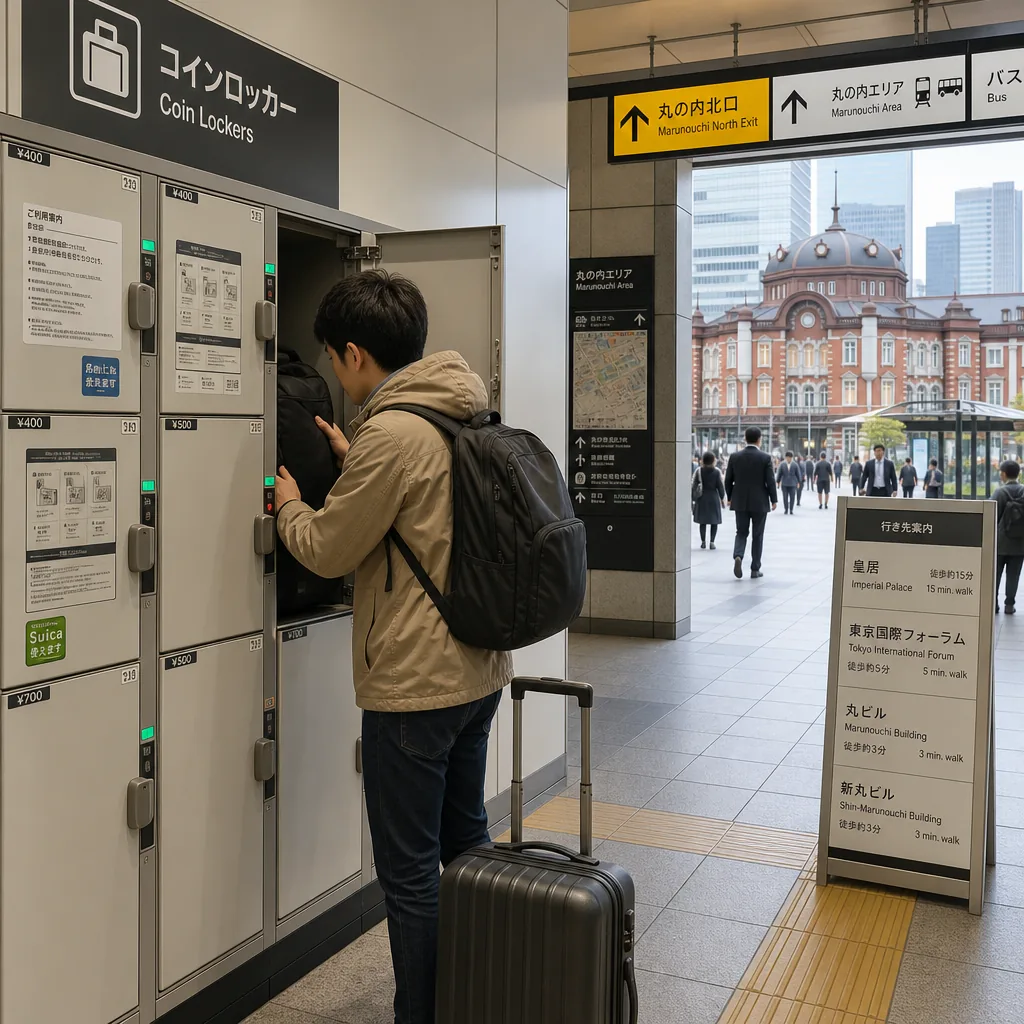
Tokyo Station lockers are most useful when you want to explore central Tokyo before hotel check-in, between train connections, or after checking out. The station sits next to major sightseeing and business districts, which makes it ideal for a half-day bag drop [2][4].
Good nearby sightseeing plans include:
These are practical choices because they do not require a long detour back to retrieve your bags. If your itinerary is a quick stopover, the locker can save a lot of time compared with returning to your hotel first.
For example, a traveler arriving at Tokyo Station in the morning could leave a small suitcase, have lunch in Marunouchi, visit the Imperial Palace area, and return to the station before an afternoon train. That kind of route makes the most sense when the bag is small enough for a standard locker and your sightseeing stays within easy walking distance.
If you cannot find an open locker, Tokyo has practical backup options. The Tokyo Metropolitan Government recommends baggage storage services and temporary baggage delivery as alternatives when lockers are unavailable [4]. JR East station service counters can also help point you to the right option [3].
Useful alternatives include:
If you are carrying a large suitcase, the staffed option is often the least stressful choice. It avoids the risk of hunting for a rare extra-large locker and makes it easier to enjoy Tokyo Station’s surrounding neighborhoods without worrying about bag size or machine compatibility.
Tokyo Station lockers are a solid option for short sightseeing stops, especially if you are traveling light and want to explore nearby areas like Marunouchi or Ginza [1][2][4]. The key is to check locker size, payment method, and availability before you rely on them. For large luggage or busy travel days, use staffed storage or baggage services instead [3][4].
CallButler is a multilingual concierge service that handles research, coordination, and bookings so you do not have to navigate language barriers or unfamiliar systems alone. If you need help related to Can I use Tokyo station lockers for luggage and sightseeing? or the tasks around it, our team can step in to manage the details and keep things moving smoothly.
Find English-friendly yakitori in Osaka after work by targeting Umeda, Namba, and Honmachi, plus booking sites and multilingual menus.
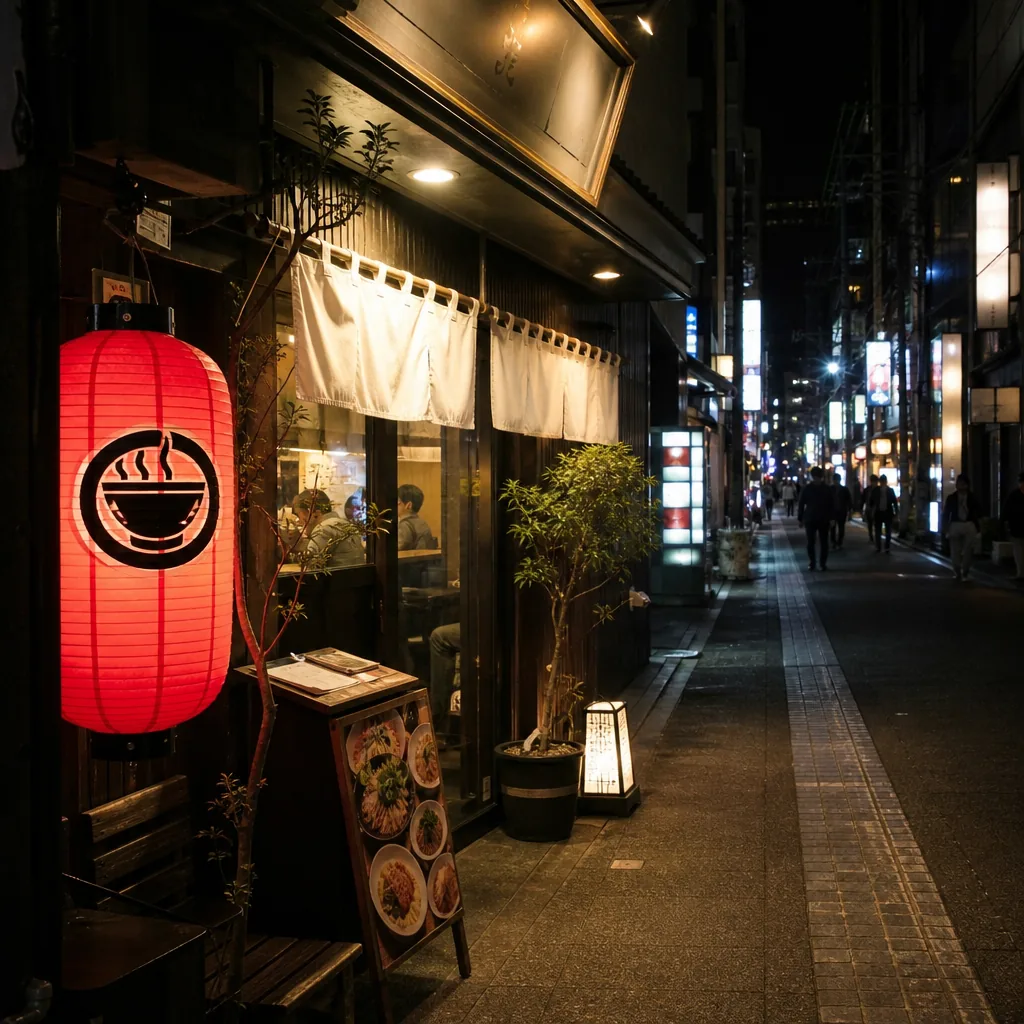
Looking for halal ramen in Kyoto after 10 p.m.? Here’s where to check, which areas are most practical, and how to verify hours and halal status.
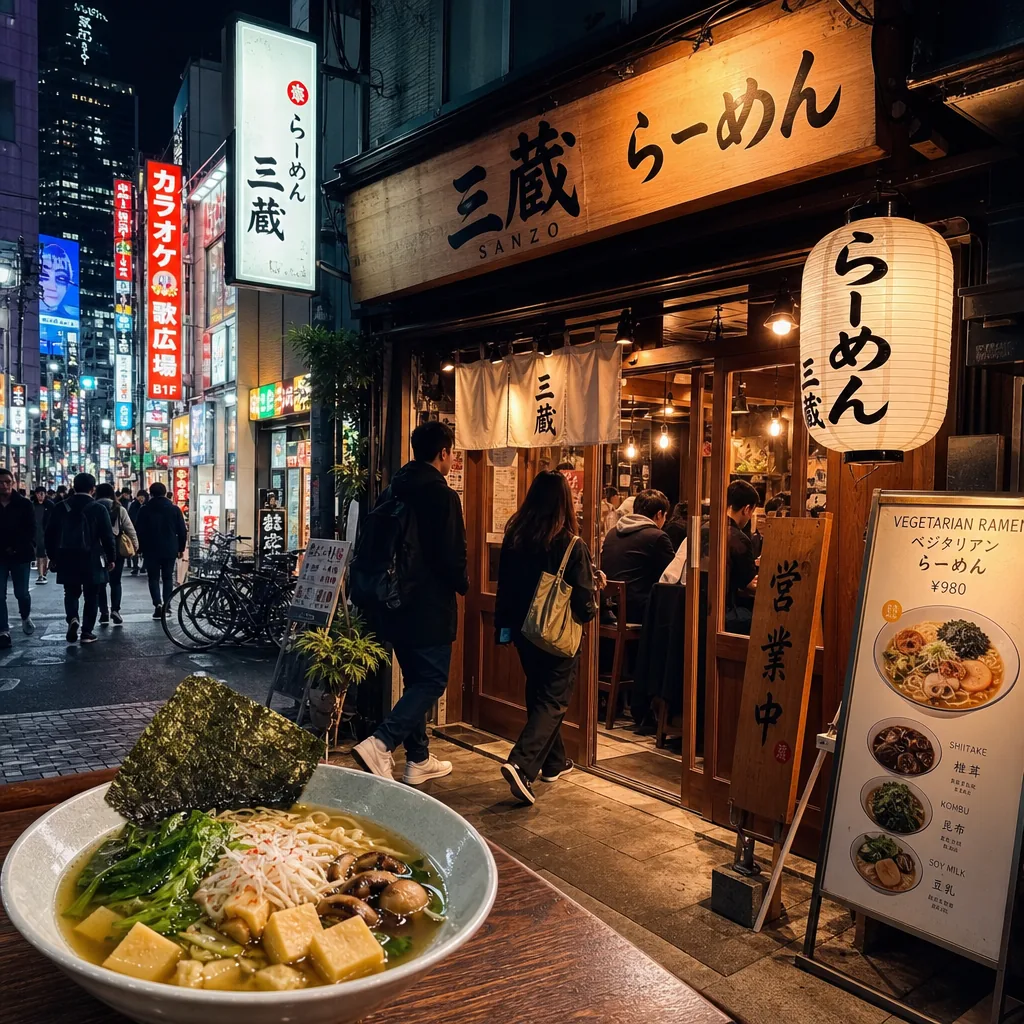
Find late-night vegetarian ramen in Tokyo by focusing on Shibuya, Shinjuku, and Roppongi, then verify broth, hours, and vegan menu details.