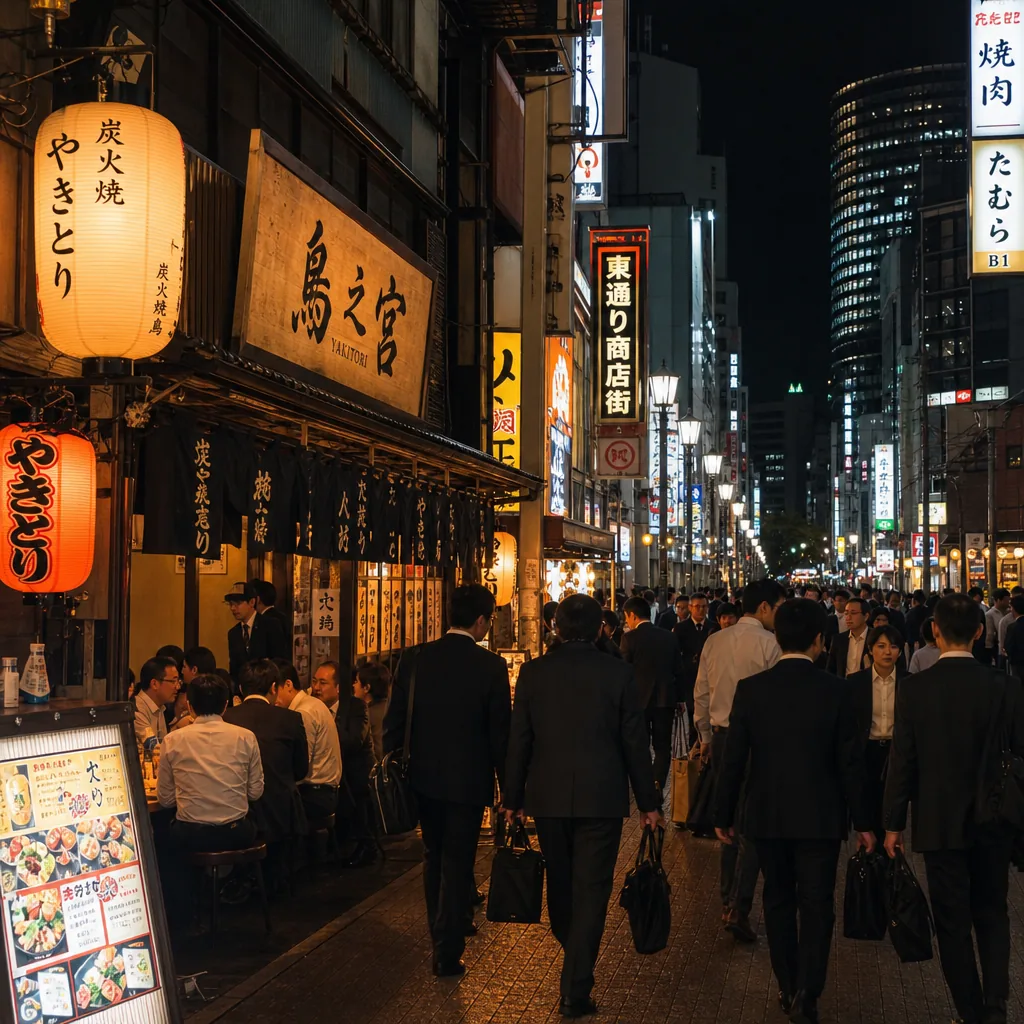
Where can I find english-friendly yakitori in Osaka after work?
Find English-friendly yakitori in Osaka after work by targeting Umeda, Namba, and Honmachi, plus booking sites and multilingual menus.
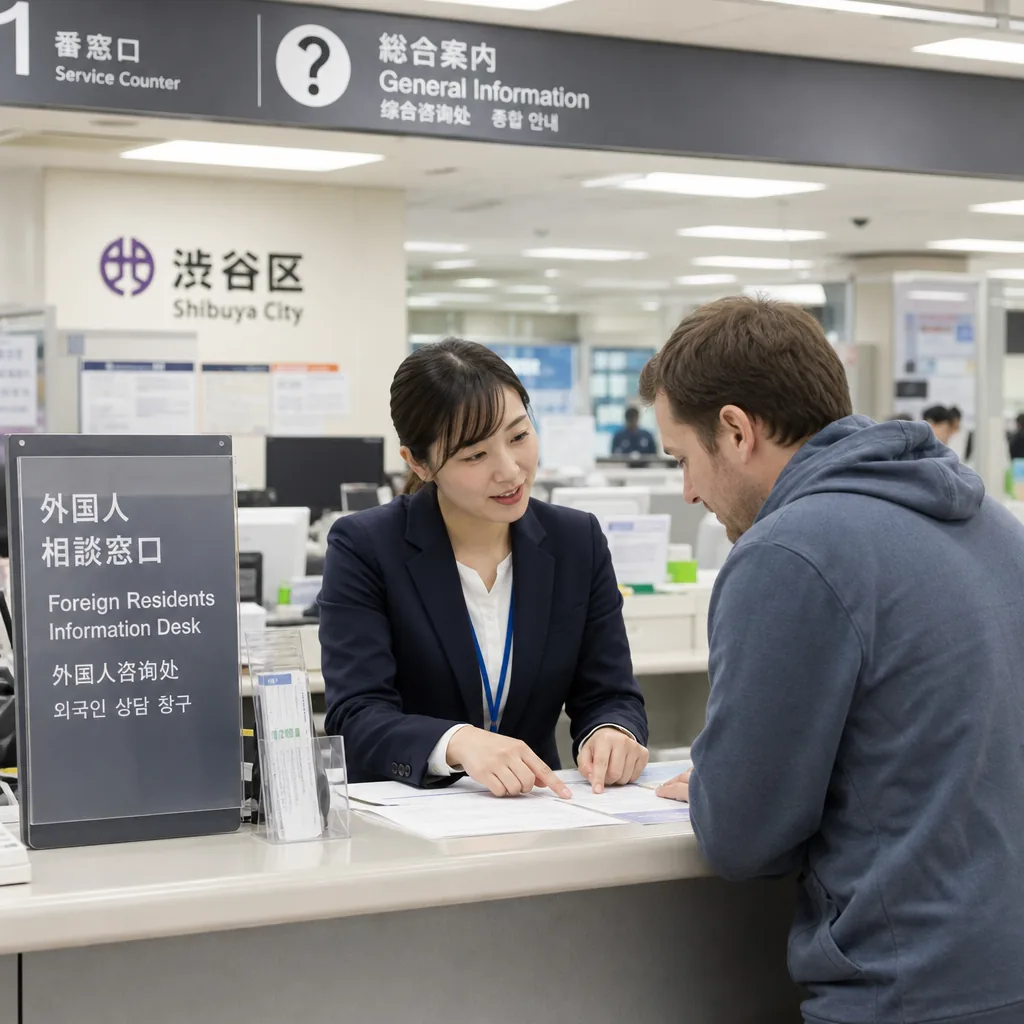
Yes—after moving to Tokyo, a concierge can often help you understand which ward office procedures you need, gather the right documents, translate the process, and sometimes accompany you. But the actual filings, such as resident registration and moving notices, are usually completed at the ward office or city office by you or an authorized representative, not by a private concierge [1][2].
In Tokyo, most post-move paperwork is handled at your ward office (ku-yakusho) or city office. The most common tasks are filing a moving-out notice before leaving your previous municipality and a moving-in notice after arriving in Tokyo. These procedures are part of Japan’s Basic Resident Registration system, which links your address to the local government where you live [2].
If you move within Tokyo, you may still need to update your address at the relevant ward office. Shinjuku City’s foreign resident guidance explains that moving-related resident procedures should be completed at the municipal office, and Shibuya City gives similar instructions for post-move resident procedures [3][4].
A private concierge, housing concierge, or bilingual relocation support service can be very useful for navigating Tokyo’s paperwork, especially if you do not read Japanese well. Tokyo Metropolitan Government also provides foreign resident support information and multilingual guidance pages, which concierges may use to help explain the process [1][5].
In practice, concierges can often explain which office you need, help you book an appointment if the ward accepts reservations, check what documents to bring, and help you fill out forms correctly. Some services also offer accompaniment to Shinjuku City Hall, Shibuya City Office, or your local ward office, which can make the visit much easier [3][4].
However, they cannot replace the authority of the municipality. The resident registration system is a public administrative system, so official acceptance of your filing happens only through the ward or city office, and the rules are set by local government and national resident registration law [2].
For common moving procedures, a concierge can often help you prepare the paperwork before you go to the ward office. This is especially helpful in Tokyo, where the required documents can differ depending on whether you are moving from another ward, another city, or overseas.
Tokyo Metropolitan Government’s foreign resident guidance points people to municipal procedures and multilingual support, while Shinjuku and Shibuya both emphasize checking the exact local requirements before you visit [1][3][4]. A concierge can turn that official guidance into a practical checklist for your situation.
Examples of what they may help you organize include:
For example, if you are moving into Shinjuku, a concierge can help you review the foreign resident procedure page before you go to Shinjuku City Office [3]. If you live in Shibuya, they can walk you through the resident procedure page and help you prepare the correct documents in advance [4].
For many Tokyo residents, going in person is still necessary. That is because resident registration and address changes are official municipal procedures, and the office needs to verify identities, documents, and eligibility. A concierge may reduce stress, but it usually does not remove the need for a visit [2][3][4].
In some cases, an authorized representative may be allowed, but that depends on the procedure and the ward’s rules. If someone else will go for you, the ward office may require a power of attorney or other supporting paperwork. Because these requirements vary, it is best to confirm directly with the relevant ward office before relying on a proxy [3][4].
This is especially important for procedures beyond simple address registration, such as seal registration, health insurance updates, or family-related changes. Those tasks can involve different departments and different documents, so a concierge should verify the current rules with the ward rather than guessing [1][3][4].
Tokyo is one of the easiest places in Japan to find multilingual support, but the quality and scope vary by ward. The Tokyo Metropolitan Government maintains foreign resident support and multilingual guidance pages, which can help you understand the system before you visit a local office [1][5].
That support matters because city hall paperwork often uses specific administrative terms. A bilingual concierge can translate not only words, but also the practical meaning of deadlines, forms, and office routing. For example, they can explain whether you need the ward office at all, or whether a particular issue belongs to another department inside the same building.
Useful Tokyo examples include:
If your concierge service does not specialize in Japanese bureaucracy, ask whether it has experience with ward office paperwork specifically. That distinction matters: travel-style concierge help is not the same as practical administrative support for Tokyo resident procedures.
A concierge can absolutely make Tokyo city hall paperwork easier after a move, but they are a guide, not a substitute for the ward office. Use them to prepare documents, understand the steps, and communicate in Japanese if needed; then complete the official filing at the correct Tokyo ward office or city office yourself, or through an authorized representative when the rules allow it [1][2][3][4][5].
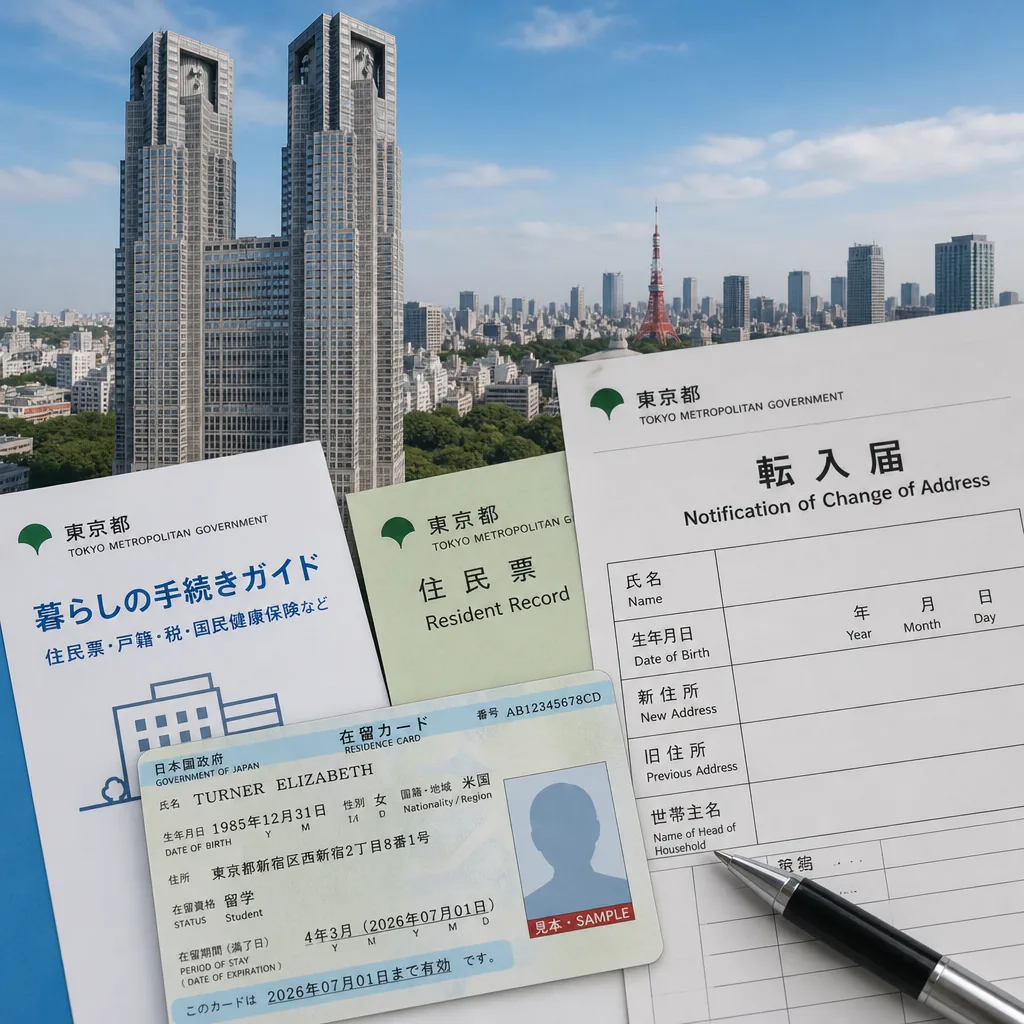
CallButler is a multilingual concierge service that handles research, coordination, and bookings so you do not have to navigate language barriers or unfamiliar systems alone. If you need help related to Can a concierge help with Tokyo city hall paperwork after moving? or the tasks around it, our team can step in to manage the details and keep things moving smoothly.
Find English-friendly yakitori in Osaka after work by targeting Umeda, Namba, and Honmachi, plus booking sites and multilingual menus.
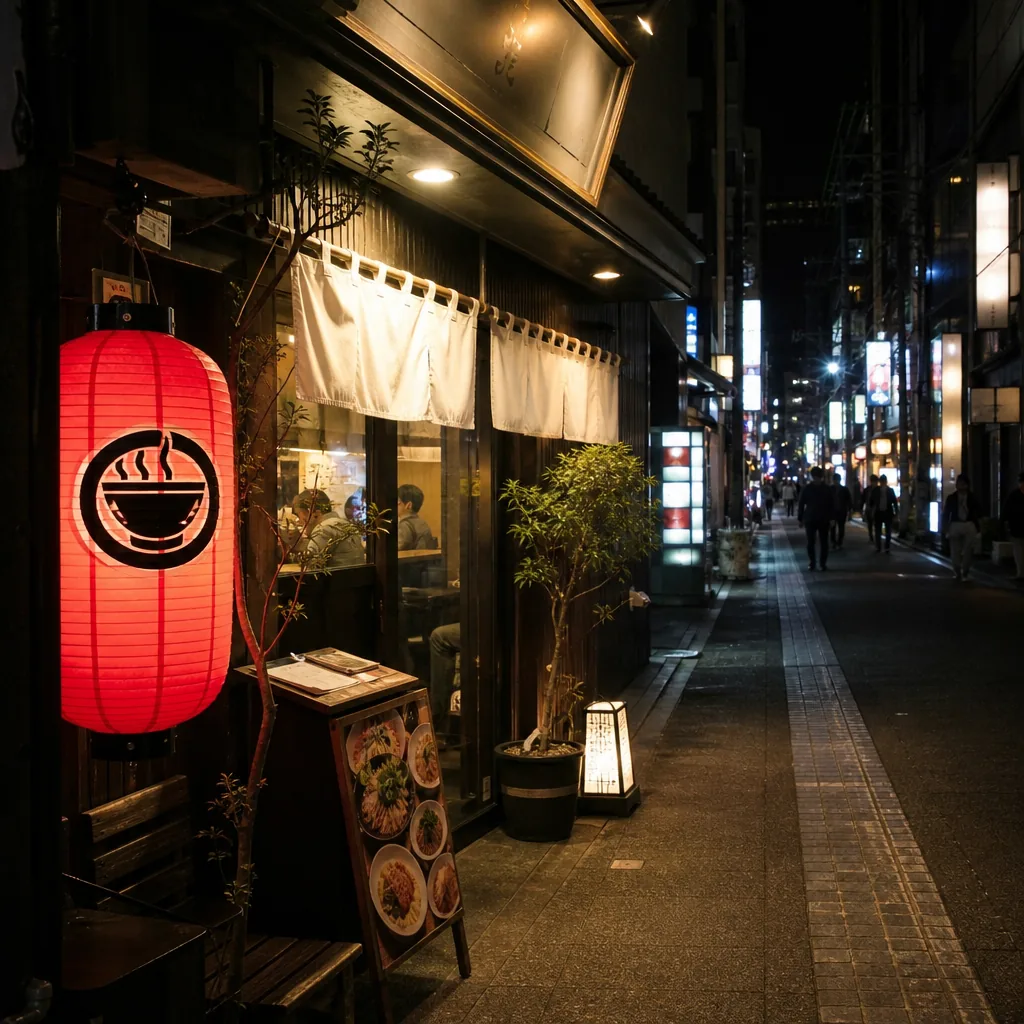
Looking for halal ramen in Kyoto after 10 p.m.? Here’s where to check, which areas are most practical, and how to verify hours and halal status.
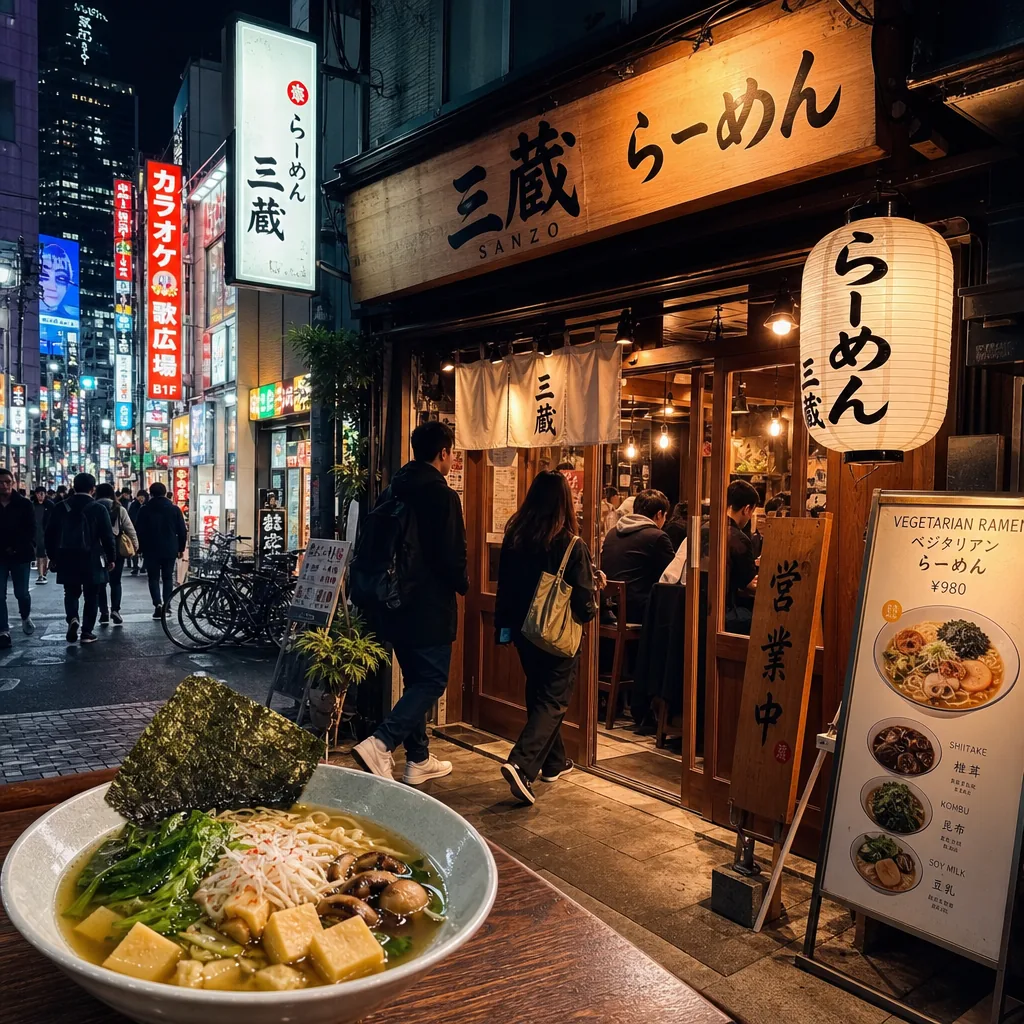
Find late-night vegetarian ramen in Tokyo by focusing on Shibuya, Shinjuku, and Roppongi, then verify broth, hours, and vegan menu details.