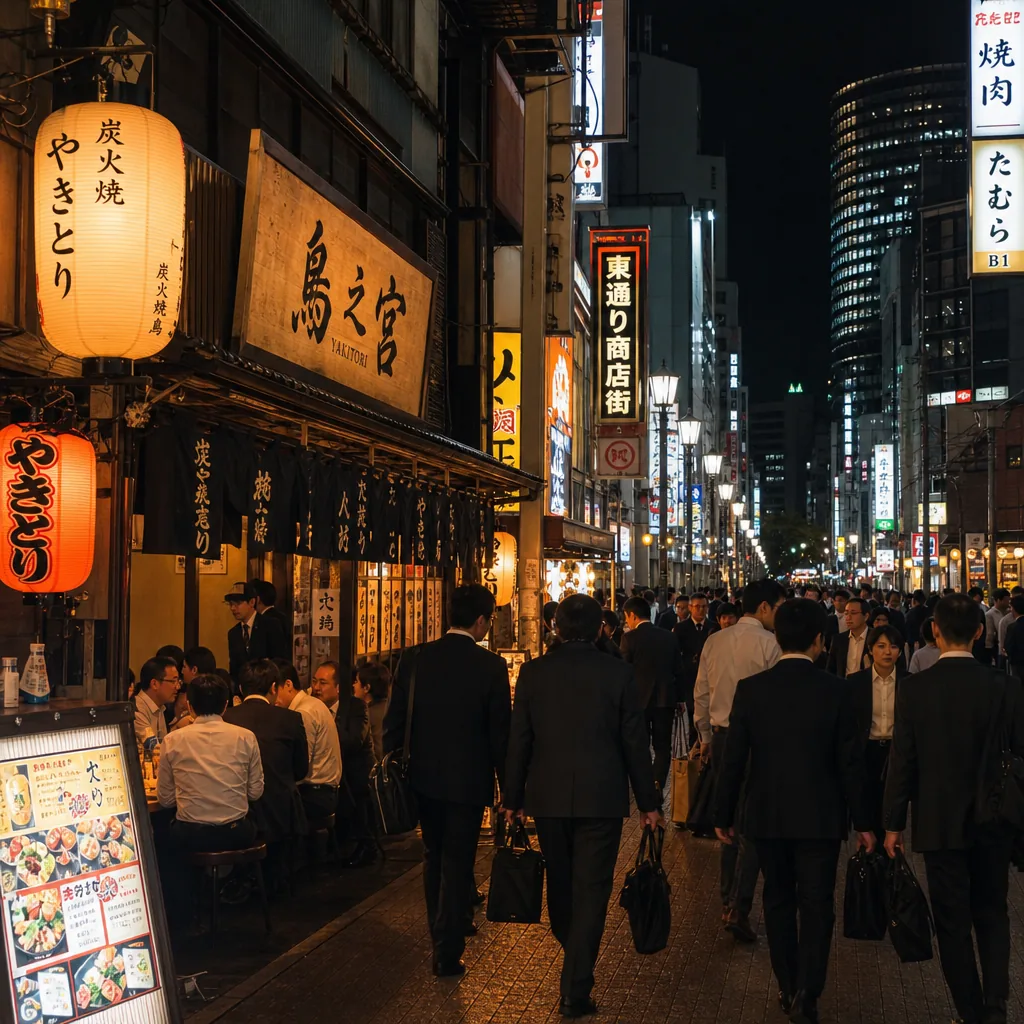
Where can I find english-friendly yakitori in Osaka after work?
Find English-friendly yakitori in Osaka after work by targeting Umeda, Namba, and Honmachi, plus booking sites and multilingual menus.
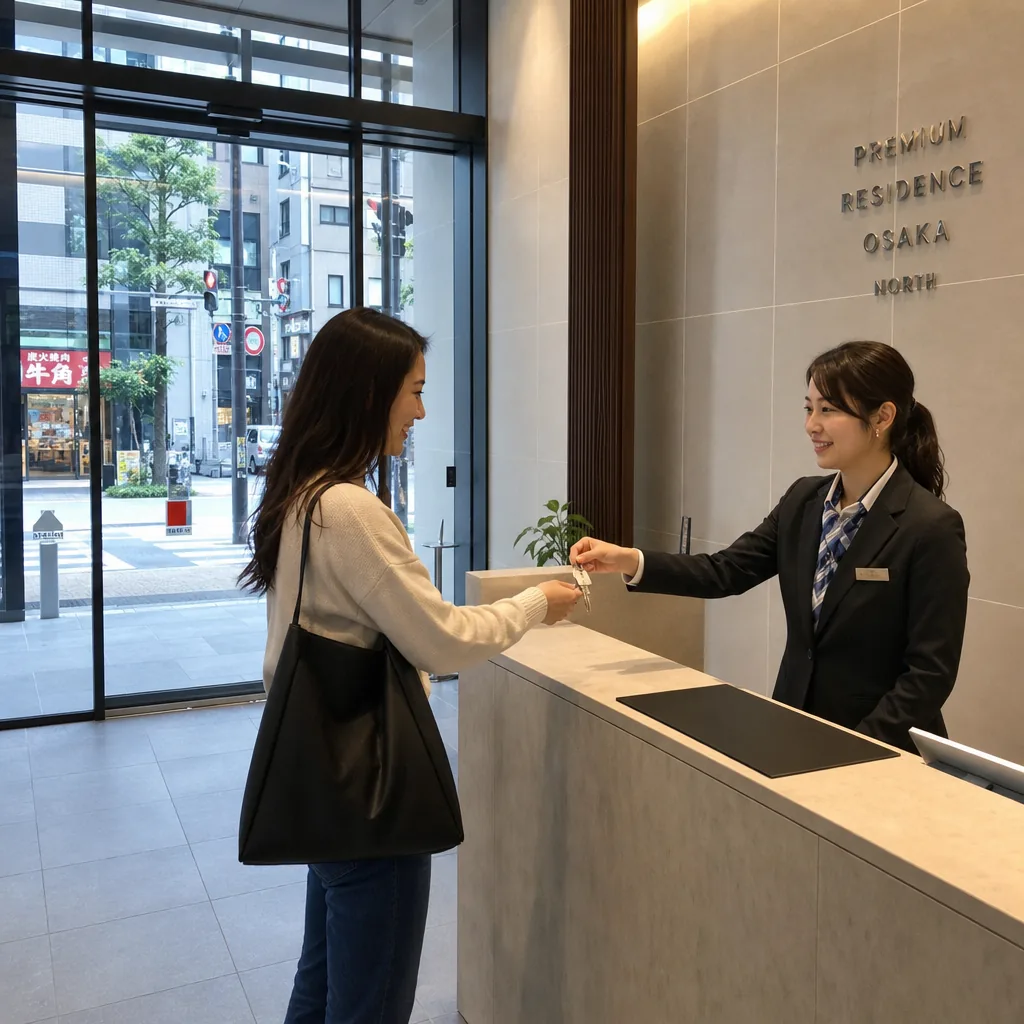
Yes—sometimes a concierge can help with apartment key handover in Osaka, but only when the landlord, management company, or building rules clearly authorize it. In many Japanese rentals, the handover is still handled by the real estate agent, landlord, or management office, with identity verification and signed paperwork at move-in [3].
In Osaka, “key handover” usually means the formal transfer of the apartment keys at the final stage of moving in, after the lease has been prepared and the required documents are confirmed. The Ministry of Land, Infrastructure, Transport and Tourism explains that Japanese rental transactions commonly involve an agency or management-side process rather than a casual drop-off, and the handover is often tied to confirmation of the tenant’s identity and contract details [3].
That matters because a concierge desk is not automatically part of the legal handover chain. Even if a building has front-desk staff, they may only be there to assist residents, receive deliveries, or coordinate access—not to release keys on behalf of the owner [3].
A concierge can help when the building’s management has explicitly assigned that role. This is more common in serviced apartments, higher-end managed buildings, or properties where the front desk is part of a formal resident services setup. In those cases, the concierge may be allowed to receive the key package, schedule the pickup time, or pass the keys to the tenant once identity is confirmed.
In Osaka, this kind of arrangement is most likely to appear in professionally managed housing rather than a standard neighborhood apartment block. UR rental housing, for example, is managed through an organized system with designated procedures, which is very different from relying on a random front desk to improvise key release [5].
If a building in central Osaka, such as around Umeda or Namba, advertises concierge or front-desk services, do not assume that includes key transfer. It only helps if the management company has put the process in writing [3].
In a standard Osaka apartment, the concierge usually cannot handle key handover unless the owner or management company has approved it. Many rental properties in Japan require the tenant to meet the agent, landlord, or management office directly, especially for the final handover [3].
This is especially true if the property does not have a staffed resident desk. In many neighborhood buildings, there is no concierge at all, and expecting one to receive keys can lead to delays on move-in day. The safest assumption is that a concierge is not an authorized custodian unless you are told otherwise in writing [3].
Even in buildings with staffed lobbies, staff may refuse to release keys without the correct paperwork. That is not being difficult; it is usually a compliance issue. The handover often involves confirming the tenant’s name, checking ID, and matching the release with the management office’s records [3].
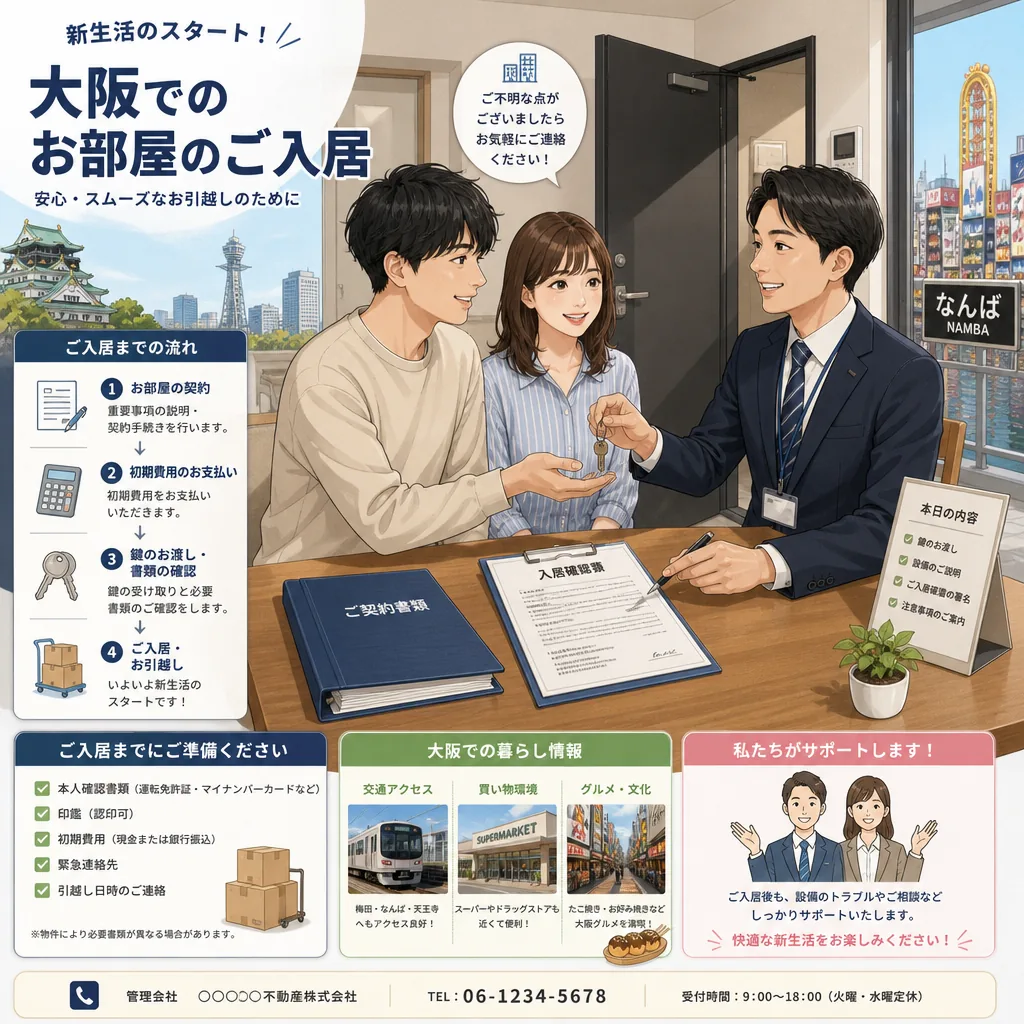
Across Japan, key handover is commonly arranged through the real estate agent, landlord, or property management office rather than a concierge desk [3]. In Osaka, this often means you schedule a time to pick up the keys before or on move-in day, then complete the final check-in at the office or designated location.
If you arrive outside business hours, other arrangements may be used. Depending on the property, that could mean a lockbox, a scheduled handoff with the management office, or another delivery method arranged in advance. The key point is that the method must be agreed before move-in; it should not be improvised at the building entrance [3].
For renters using UR housing in Osaka, the process is typically governed by the agency’s own procedures rather than a concierge desk, so tenants should follow the exact instructions they receive from the housing provider [5]. For city-run or publicly supported housing programs, the issuing body—not the concierge—sets the handover process [2].
Before you count on a concierge for key handover in Osaka, ask these questions directly to the management company or agent:
These questions prevent the most common move-in problem: arriving in Osaka with luggage and discovering that the concierge cannot release the apartment keys. If the building is near Osaka Station, Shinsaibashi, or Tennoji, you may assume a front desk can help, but that is only safe when the property has confirmed it in writing [3][4].
Also ask whether the handover is tied to other move-in steps. In Japan, key release may be linked to the signed lease, proof of payment, or completion of the required resident procedures [3]. If you are missing one document, the handover may be postponed.
For Osaka renters, the simplest approach is to treat the concierge as a possible coordinator, not the default key holder. Confirm the plan with the management office before you travel, and get the name of the person who will release the keys. If the property is a serviced apartment or a premium building, ask whether the concierge desk handles arrivals after hours; if not, request the exact alternative process.
Use these practical steps:
Osaka has a large mix of housing types, from managed rental properties to UR housing and other public-sector options [2][5]. Because the city’s rental stock is so varied, the answer to “Can a concierge help?” is always property-specific. If the management company says yes, a concierge may be able to assist. If they say no, the front desk cannot safely substitute for the official handover process [3].
In short, a concierge can help with apartment key handover in Osaka only when they have explicit authorization. For standard rentals, the real estate agent or management office is usually the right channel, and that is the quickest way to avoid move-in delays [3].
CallButler is a multilingual concierge service that handles research, coordination, and bookings so you do not have to navigate language barriers or unfamiliar systems alone. If you need help related to Can a concierge help with apartment key handover in Osaka? or the tasks around it, our team can step in to manage the details and keep things moving smoothly.
Find English-friendly yakitori in Osaka after work by targeting Umeda, Namba, and Honmachi, plus booking sites and multilingual menus.
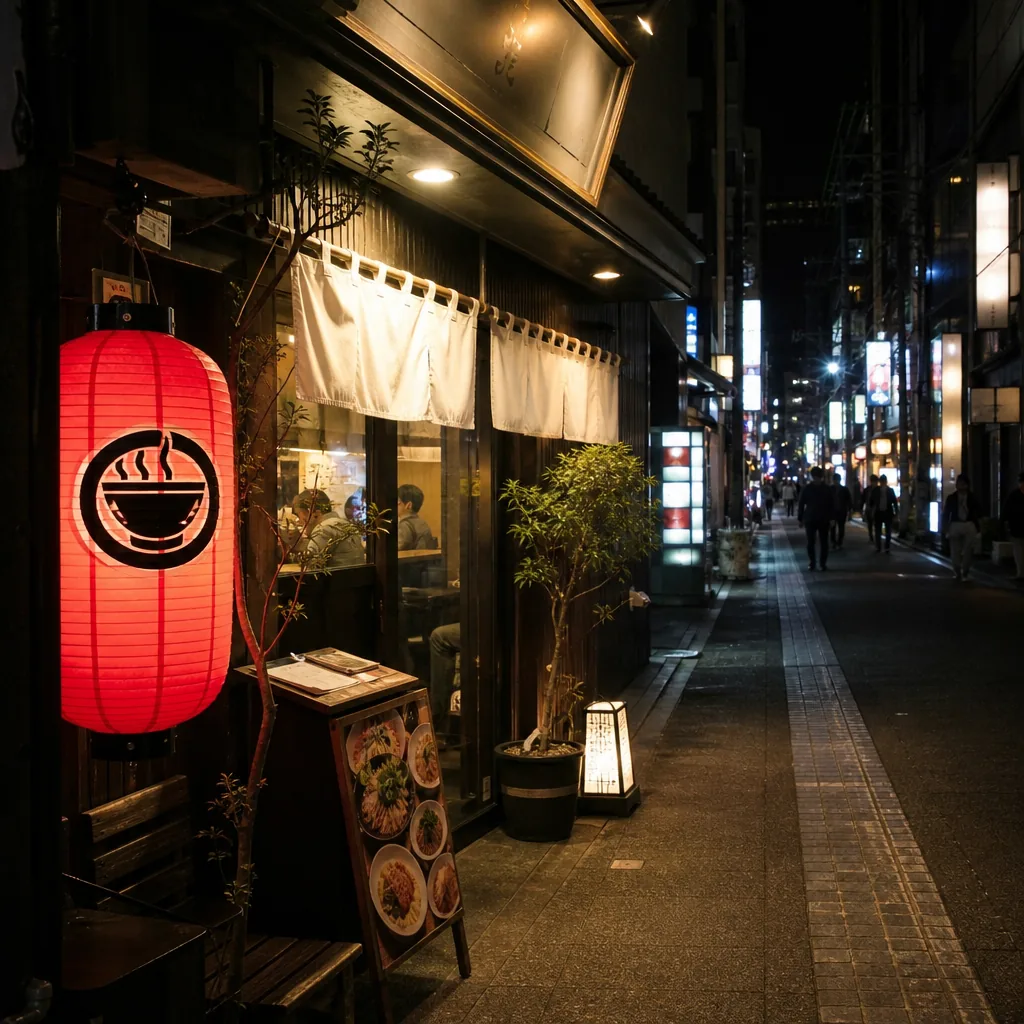
Looking for halal ramen in Kyoto after 10 p.m.? Here’s where to check, which areas are most practical, and how to verify hours and halal status.
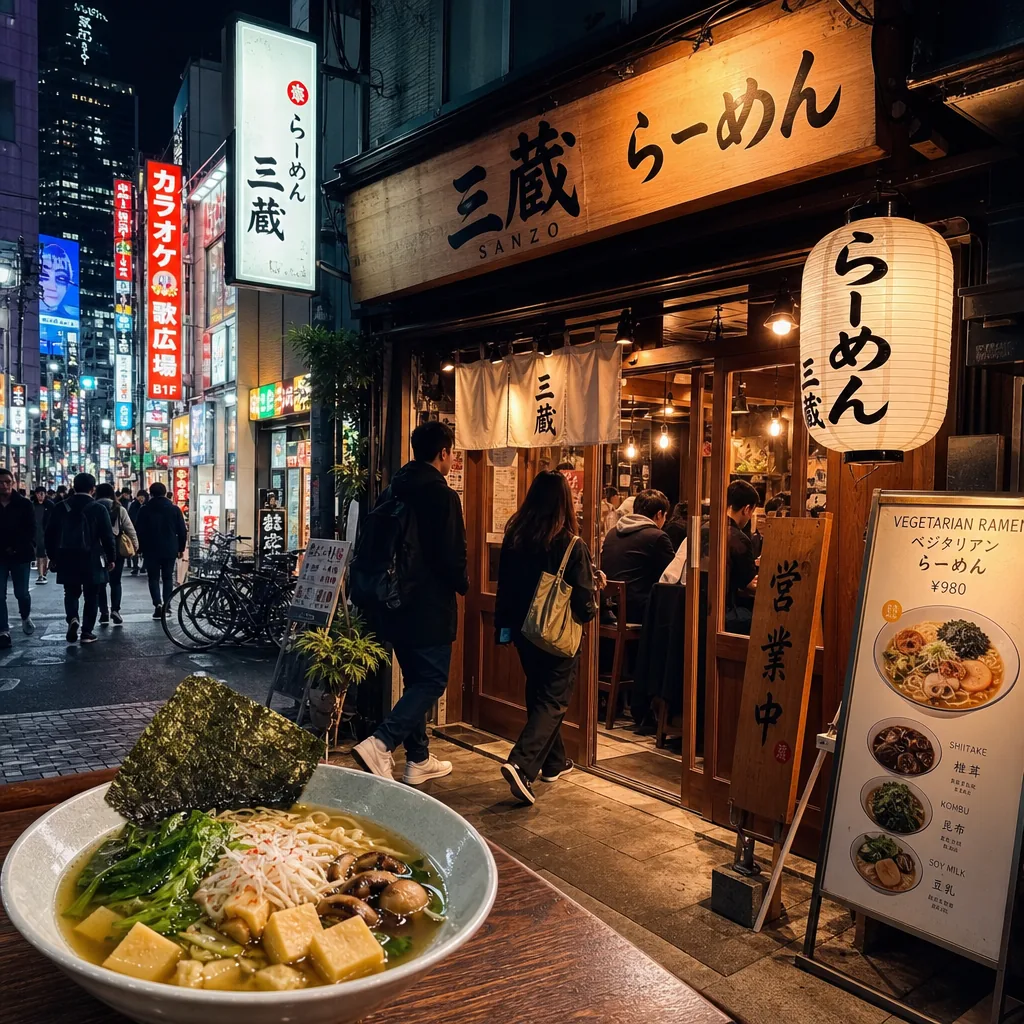
Find late-night vegetarian ramen in Tokyo by focusing on Shibuya, Shinjuku, and Roppongi, then verify broth, hours, and vegan menu details.