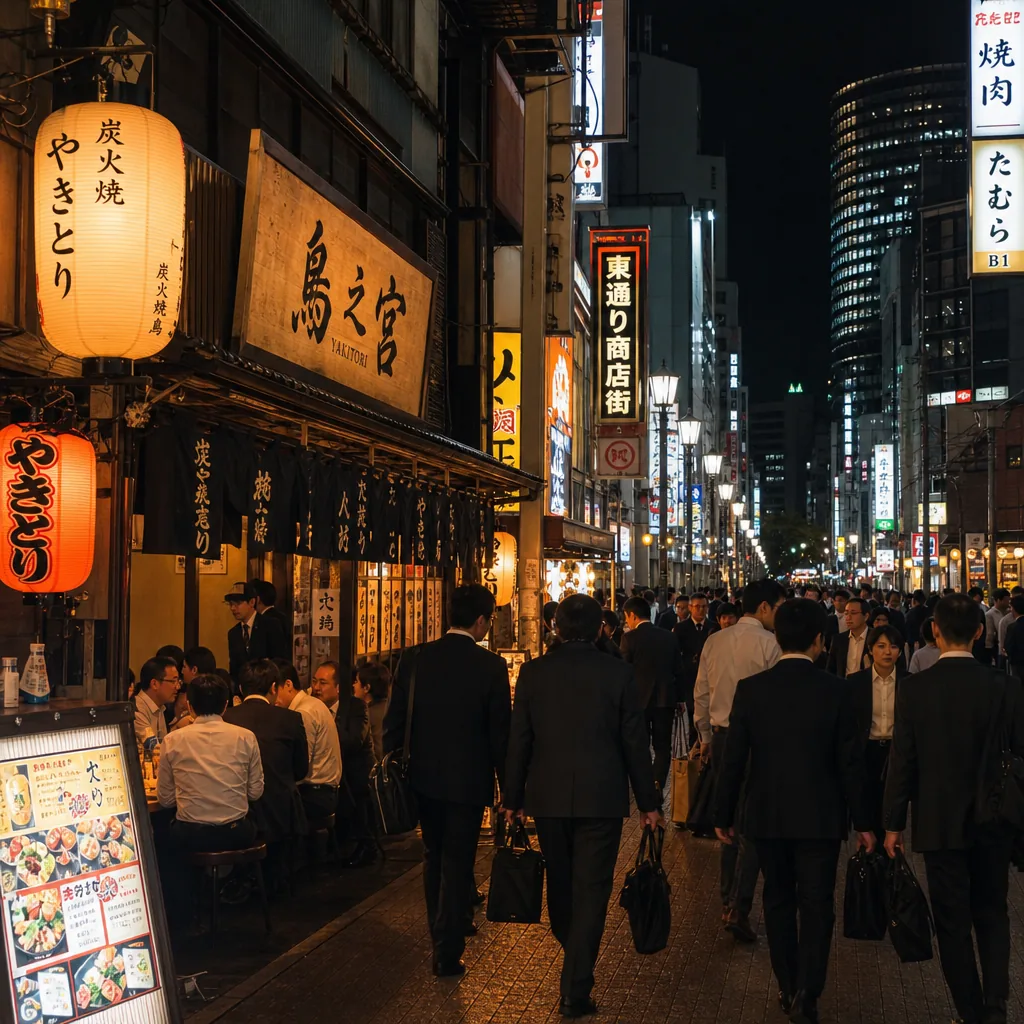
Where can I find english-friendly yakitori in Osaka after work?
Find English-friendly yakitori in Osaka after work by targeting Umeda, Namba, and Honmachi, plus booking sites and multilingual menus.
Yes—a hotel concierge in Tokyo can be very helpful after you lose a wallet, but they cannot bypass police or bank procedures. They can contact the nearest koban, reach out to transit lost-and-found desks, help with Japanese-language calls, and organize the paperwork you need to reclaim items [4][5].
In Tokyo, many found items are turned in quickly to the nearest police box (koban) or police station, where the Metropolitan Police manage the city’s lost-property process [4]. That is good news for travelers because a wallet lost on a street, in a taxi, or in a station is often centralized through official channels rather than disappearing into a private system.
The practical challenge is speed. If you wait, the item may move from the first place it was found to a wider police or operator database, and the longer you wait the more likely you are to miss the best chance to match details. A concierge helps narrow that gap by making same-day calls and reporting the loss in Japanese [5].
Tokyo’s hotel concierges are especially useful because they work as intermediaries, not replacements for the owner. They can explain what happened, describe the wallet, and follow up with police or transport staff, but you should expect to prove ownership before any item is released [4][5].
Different places in Tokyo have different lost-and-found systems. If you dropped the wallet on a JR East line, JR East runs its own lost-and-found service and provides a contact route for inquiries [1]. If it was on Tokyo Metro, the subway operator has a separate lost-and-found process and online guidance for passengers [2].
That means the best result often comes from contacting multiple channels at once. For example, if you rode between Shinjuku, Tokyo Station, and Ueno, a concierge may need to check a hotel-safe first, then contact JR East if you used a JR line, then call Tokyo Metro if you changed onto the subway, and finally report to the police if the wallet was handed in at a station or koban [1][2][4].
A qualified concierge can do much more than pass along a message. Les Clefs d’Or, the international concierge association, describes the role as a professional service that assists guests with practical arrangements and problem-solving [5]. In a wallet-loss situation, that typically means the concierge can:
What they usually cannot do is force a return. Police and operators still need to verify the owner, and some items require the owner to appear in person or provide specific identification before pickup [4].
Some items need immediate action. Credit and debit cards should be canceled right away to reduce fraud exposure; a concierge can help make the calls and document the reference numbers for you. If the wallet contained a registered Suica card, JR East provides reissue or transfer services for registered cards, so acting quickly is important [1].
For transit cards and commuter passes, the main issue is not just recovering the plastic card but protecting the balance and linked data. JR East’s guidance makes clear that lost-and-found and reissue procedures depend on card type and registration status [1].
Passports are different again. If your passport is in the wallet, the hotel concierge can point you toward the correct police procedure, but you may still need to report the loss to your embassy or consulate and follow their replacement steps. The Tokyo police foreigner information pages are useful for navigating these steps in English [4].
The fastest recovery plans in Tokyo are the simplest. If you realize the wallet is missing, contact your hotel concierge immediately and give them a precise timeline. Include the last place you remember using it, the route you traveled, and what was inside.
Then ask the concierge to work in this order:
Use specific details that make your wallet easier to identify: color, brand, whether it has a coin pocket, approximate cash amount, and any unique items inside such as receipts or membership cards. The more concrete the description, the better the match when staff check found-property logs.
Examples matter. If you lost a wallet after dinner in Shibuya, a concierge can contact the restaurant, then the nearest Shibuya police box, then check whether your route involved JR East or Tokyo Metro stations nearby. If you left it on a train between Ueno and Akihabara, the JR East lost-and-found route may be the fastest path [1]. If it went missing after a Tokyo Metro ride to Ginza, Tokyo Metro’s system becomes the priority [2].
Recovery is often possible, but it is not guaranteed. Japan is known for a high return rate for found property, and many items are handed to authorities rather than kept by finders [3][4]. Still, the exact timeline depends on where the wallet was lost, whether it was found by a private person or staff, and how quickly the item entered an official lost-and-found system.
Costs are usually limited, but you may face practical expenses such as card reissue fees, courier charges if an operator offers delivery, or a taxi ride back to a police station or venue for pickup. Hotel concierge help itself is often included as a service, though the hotel’s policy varies.
The most common outcome is one of three things: the wallet is found quickly at the original venue, it is turned into a station or police office and later matched, or only some contents are recovered. Acting within hours, not days, gives you the best odds.
Concierges are most effective in Tokyo when they act as fast, organized translators between you and the city’s separate systems. Because JR East, Tokyo Metro, taxis, and the police each handle lost property differently, a concierge can save time by checking all the right places in parallel [1][2][4].
But the legal process still matters: you will need to identify yourself, show proof of ownership where required, and follow the instructions of police or transport staff. If you lose a wallet in Tokyo, the best strategy is to alert your concierge right away, cancel any exposed cards, and keep every reference number you receive. That combination gives you the strongest chance of getting the wallet back.
CallButler is a multilingual concierge service that handles research, coordination, and bookings so you do not have to navigate language barriers or unfamiliar systems alone. If you need help related to Can a concierge help recover a lost wallet in Tokyo, Japan? or the tasks around it, our team can step in to manage the details and keep things moving smoothly.
Find English-friendly yakitori in Osaka after work by targeting Umeda, Namba, and Honmachi, plus booking sites and multilingual menus.
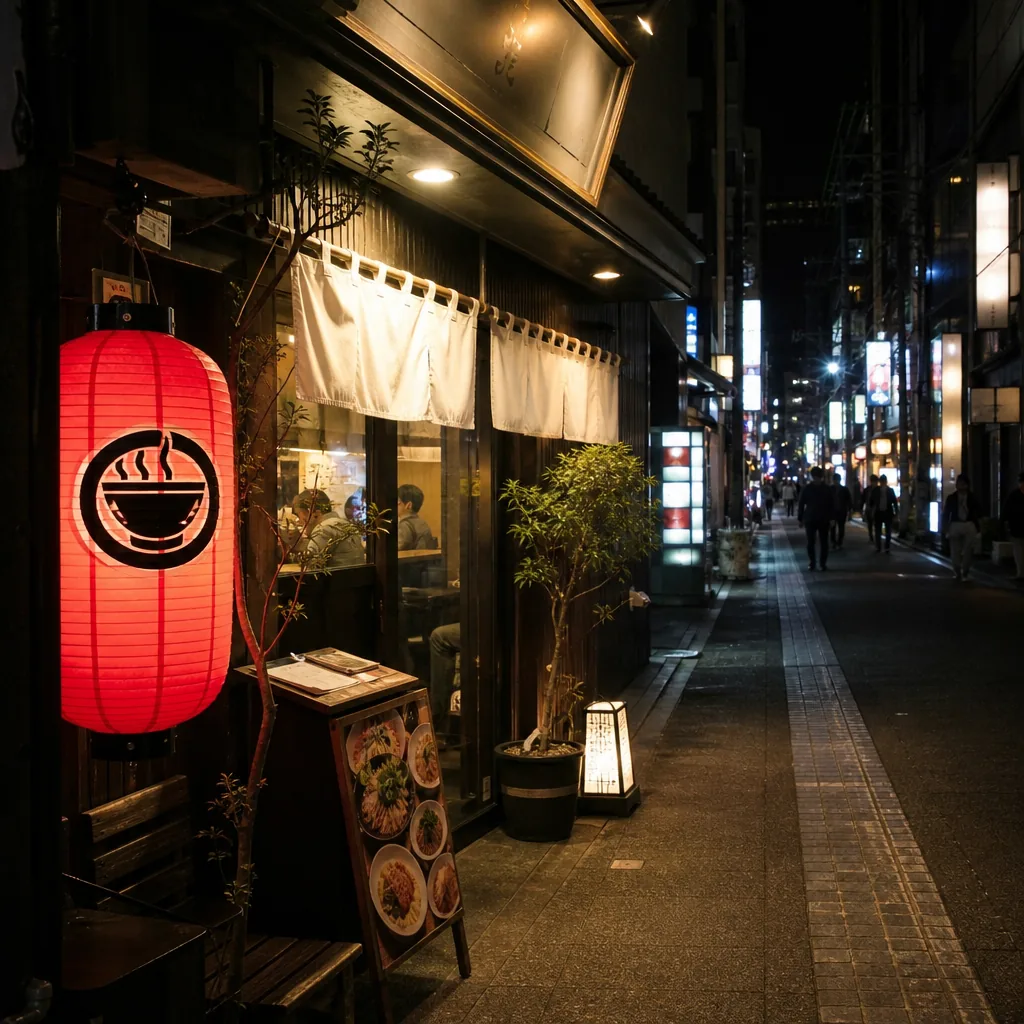
Looking for halal ramen in Kyoto after 10 p.m.? Here’s where to check, which areas are most practical, and how to verify hours and halal status.
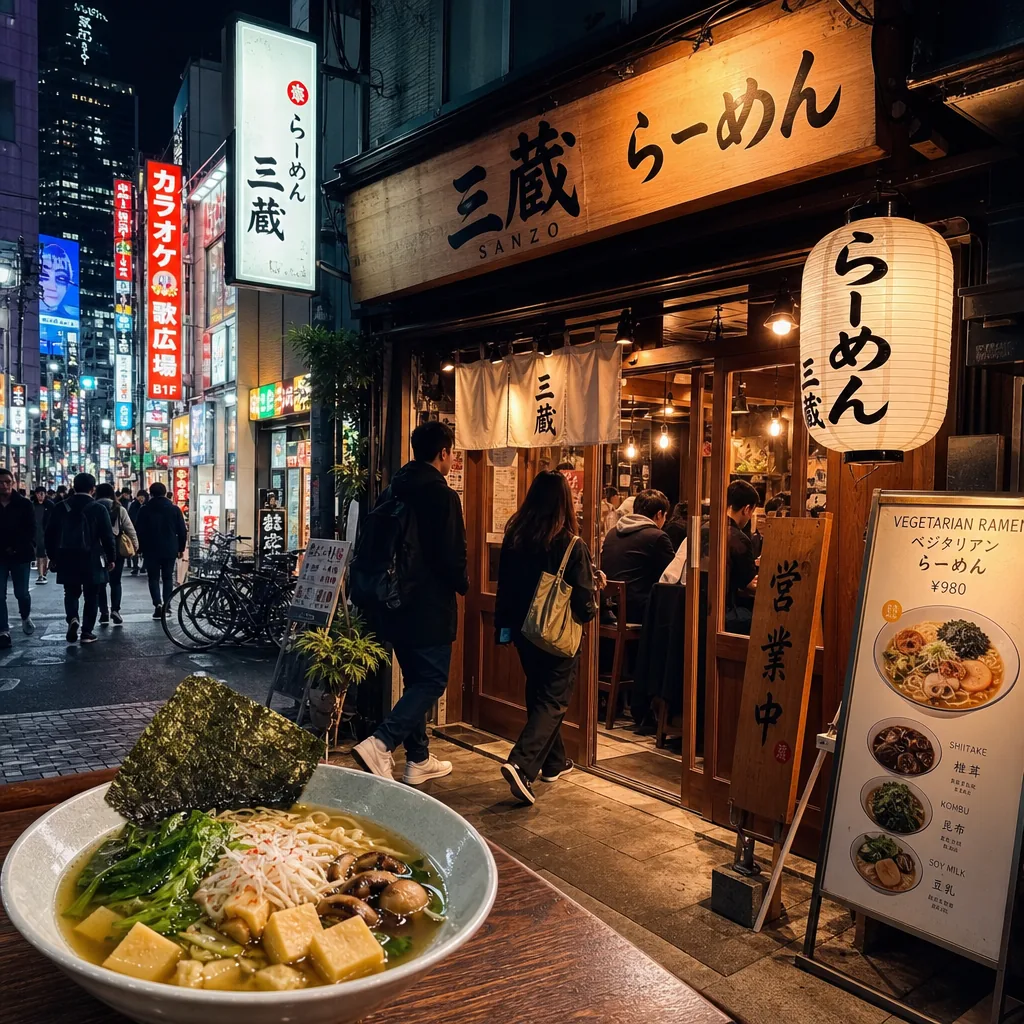
Find late-night vegetarian ramen in Tokyo by focusing on Shibuya, Shinjuku, and Roppongi, then verify broth, hours, and vegan menu details.