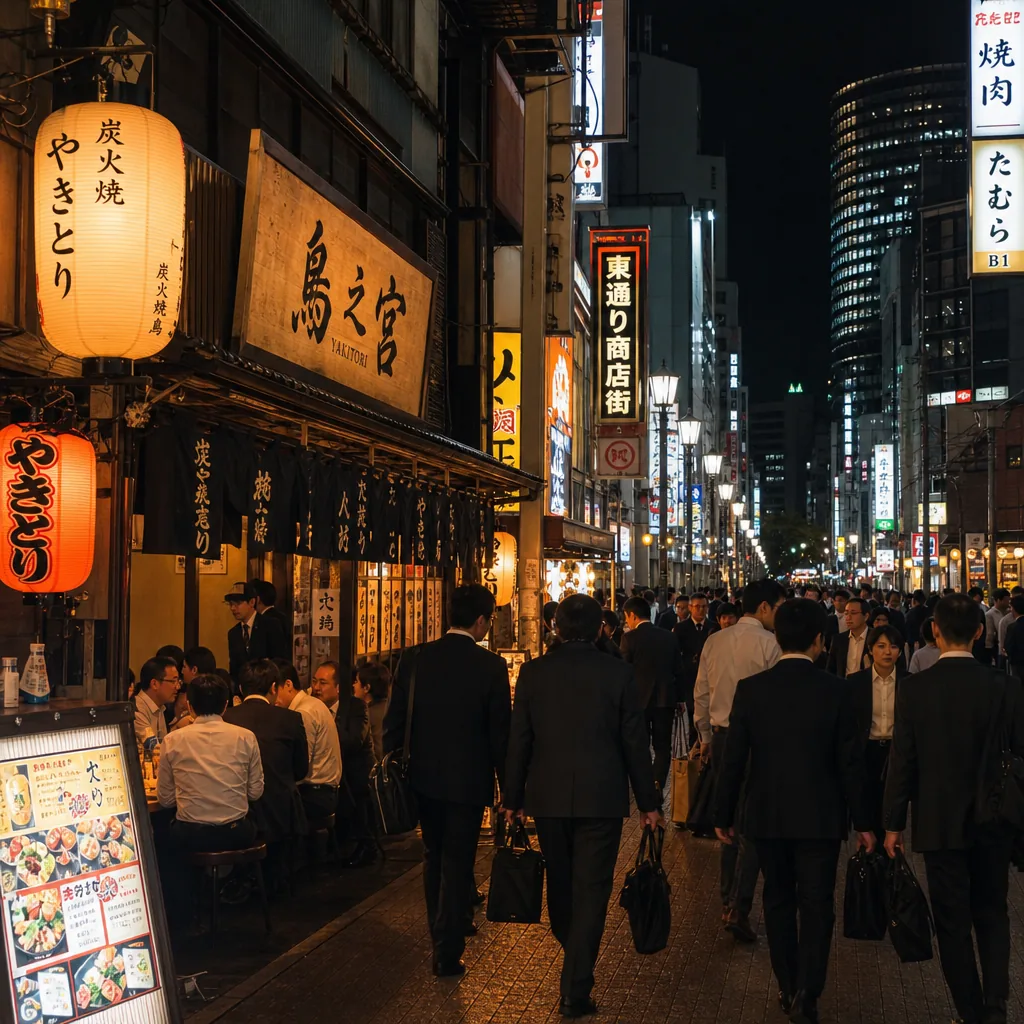
Where can I find english-friendly yakitori in Osaka after work?
Find English-friendly yakitori in Osaka after work by targeting Umeda, Namba, and Honmachi, plus booking sites and multilingual menus.
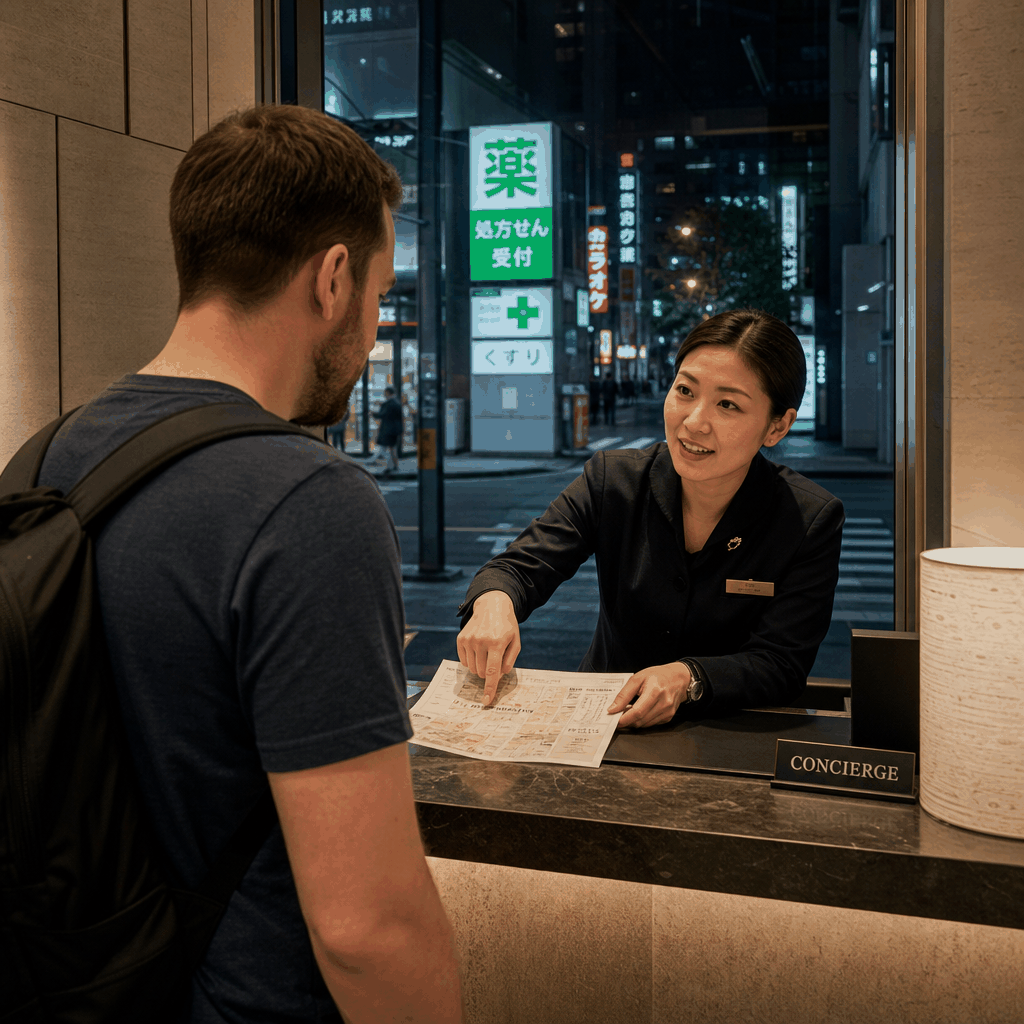
Yes—but only in a limited, practical sense. In Tokyo, a concierge can usually help you find a nearby drugstore, translate a symptom, or arrange a delivery or taxi, but they generally cannot simply buy over-the-counter medicine and hand it to you outside the normal pharmacy retail process [1][3][5].
Tokyo has dense access to pharmacies and drugstores, so common over-the-counter medicines are usually easy to find in neighborhoods like Shibuya, Shinjuku, and Ueno [3][5]. Japan’s Ministry of Health, Labour and Welfare explains that OTC medicines are sold under a system with different handling categories, and some products require explanation by a pharmacist or registered seller before purchase [2].
That matters for expats because “just buy it for me” is not always how Japanese retail medicine works. Some products can be bought directly, while others need staff to confirm how you will use them, whether you are the right age, or whether you understand the warnings and dosage instructions [2].
For visitors, Tokyo Metropolitan Government and JNTO both recommend using pharmacies or medical institutions when you need help understanding medication or symptoms, especially if language is a barrier [3][5].
A hotel concierge can be very helpful in Tokyo, but their role is support, not medical care. They may point you to a nearby pharmacy, call one to check opening hours, help explain basic symptoms in Japanese, or suggest a clinic if your problem looks beyond self-care [1][3][5].
What they usually cannot do is act as a proxy purchaser for medicine in a way that bypasses pharmacy rules. If a medicine is in a category that requires pharmacist explanation, the explanation still needs to happen at the counter or through the store’s approved process [2]. In practice, that means the concierge may accompany the conversation, but the transaction must still follow the pharmacy’s normal rules.
At major hotel districts in Tokyo, this support can be especially useful late at night. For example, around Shinjuku and Shibuya there are large drugstore chains and pharmacies open long hours, but product availability and English support vary by branch [3][4].
The easiest way to avoid confusion is to focus on symptoms, not brand names. If you are at a pharmacy in areas such as Ginza, Ueno, or Ikebukuro, show the package of a medicine you usually take, or display a translated note on your phone describing your symptoms, allergies, and any medicines you already used [3][5].
Tokyo’s medical guidance services specifically advise foreign residents and visitors to use interpretation-friendly resources and to seek medical institutions when they are unsure what to do [3][4]. The Tokyo Medical Information Service (Himawari) provides English-language hospital and clinic information, which is useful if a pharmacist says you should see a doctor instead of self-treating [4].
If you are speaking with a concierge, be direct and concrete. For example, say:
Those short descriptions are easier to relay than trying to ask for a brand equivalent from another country, which may not exist in Japan or may be sold under a different name [2][5].
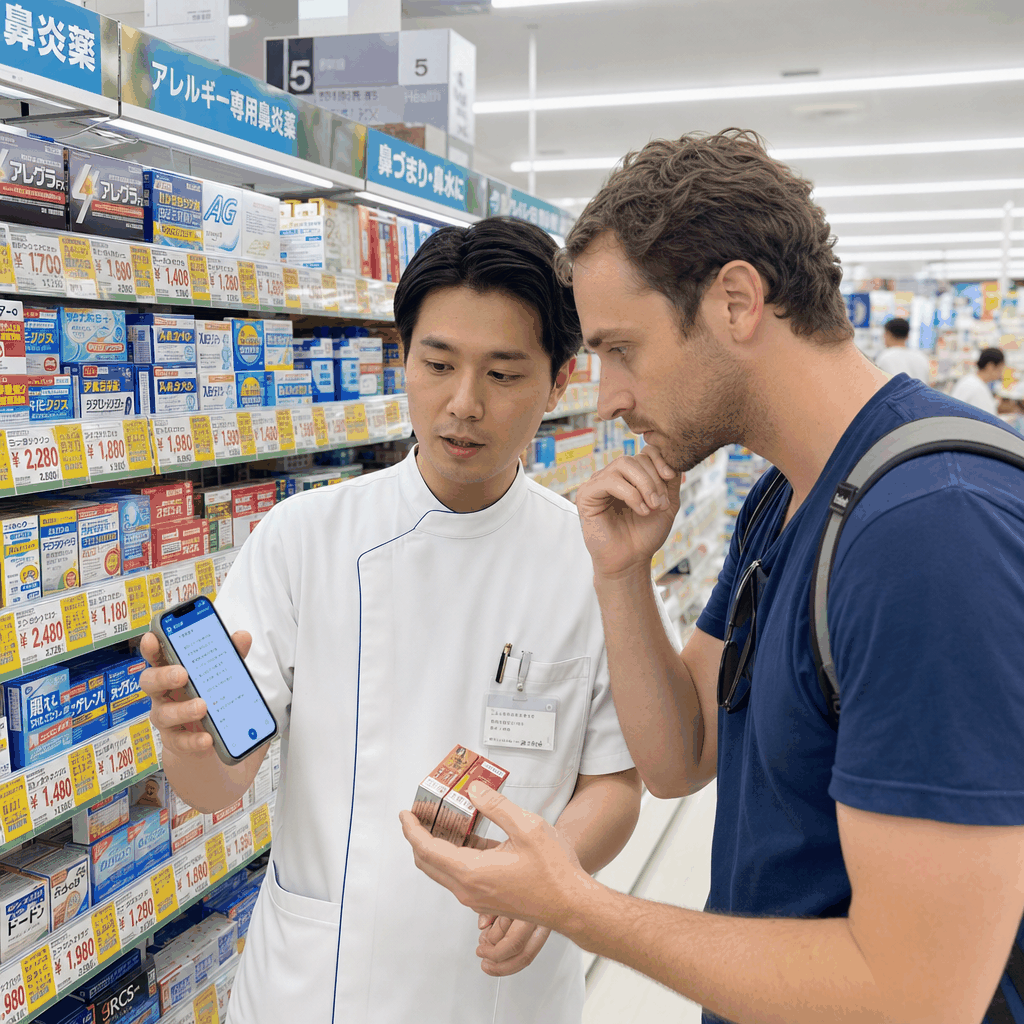
In Tokyo drugstores, you will commonly see categories such as cold medicine, fever reducers, pain relievers, stomach medicines, motion sickness tablets, allergy medicine, and topical products for cuts or itching [2][5]. Some items may be easy to pick up from shelves, while others are kept behind the counter or sold only after staff explanation [2].
Three practical buying tips help a lot:
If you are staying near places like Tokyo Station, Shinjuku Station, or Asakusa, you will usually find multiple drugstores within a short walk, which makes it practical to compare options rather than relying on hotel staff alone [3][5].
For mild, familiar symptoms, a pharmacy is the right first stop. But if the problem is severe, persistent, or unclear, Tokyo’s official guidance says to move from self-medication to a clinic or hospital [1][3][5].
Use a clinic or hospital if you have any of the following:
The Tokyo Metropolitan Government’s English medical information and the JNTO medical guidance pages are especially useful for finding the right facility and understanding how to get care as a visitor [3][4][5]. If you need urgent help, Japan Tourism Agency visitor guidance also explains that emergency medical assistance should be used when symptoms are serious [1].
In short, a Tokyo concierge can help expats locate medicine and navigate language barriers, but not replace the pharmacy or medical system. The safest path is to describe your symptoms clearly, let a pharmacist advise you, and use a clinic or emergency care when self-treatment is not enough [1][2][3][5].
CallButler is a multilingual concierge service that handles research, coordination, and bookings so you do not have to navigate language barriers or unfamiliar systems alone. If you need help related to Can a concierge buy over the counter medicine in Tokyo for expats? or the tasks around it, our team can step in to manage the details and keep things moving smoothly.
Find English-friendly yakitori in Osaka after work by targeting Umeda, Namba, and Honmachi, plus booking sites and multilingual menus.
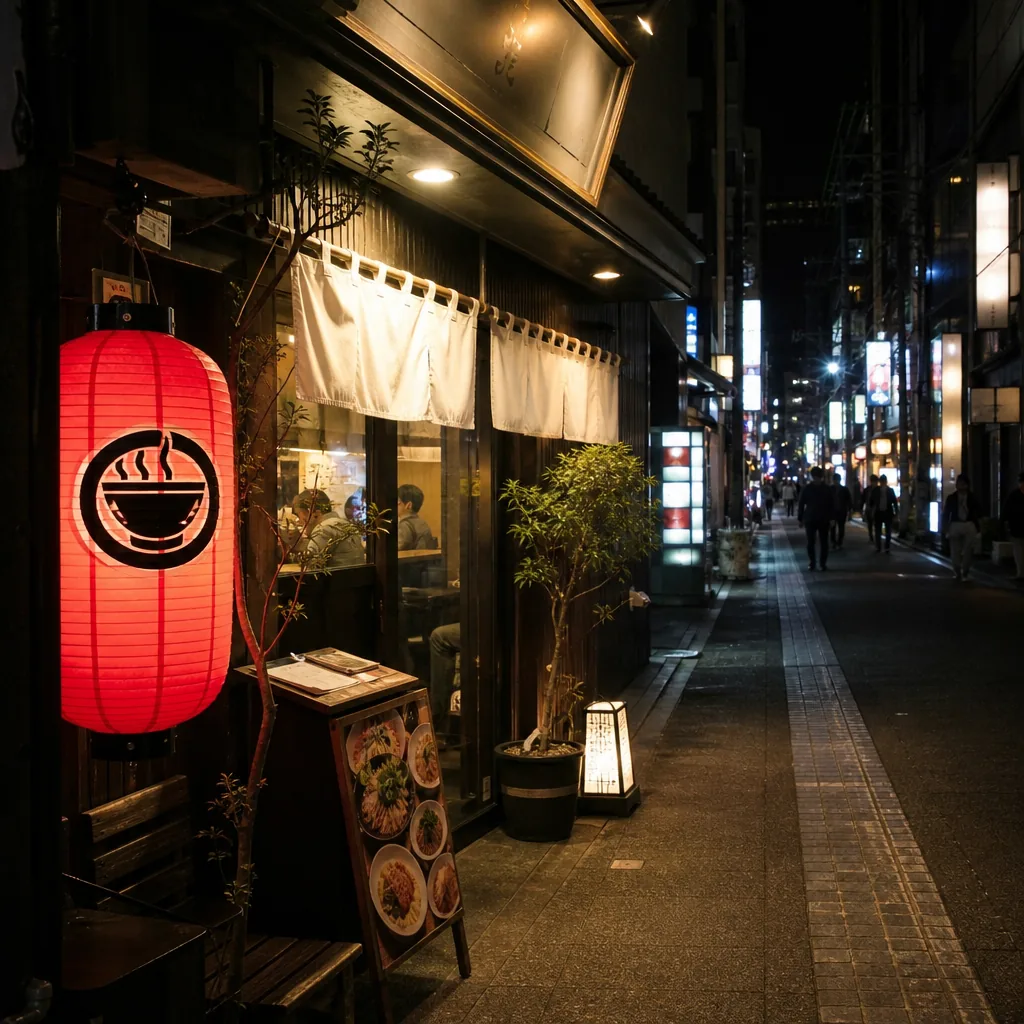
Looking for halal ramen in Kyoto after 10 p.m.? Here’s where to check, which areas are most practical, and how to verify hours and halal status.
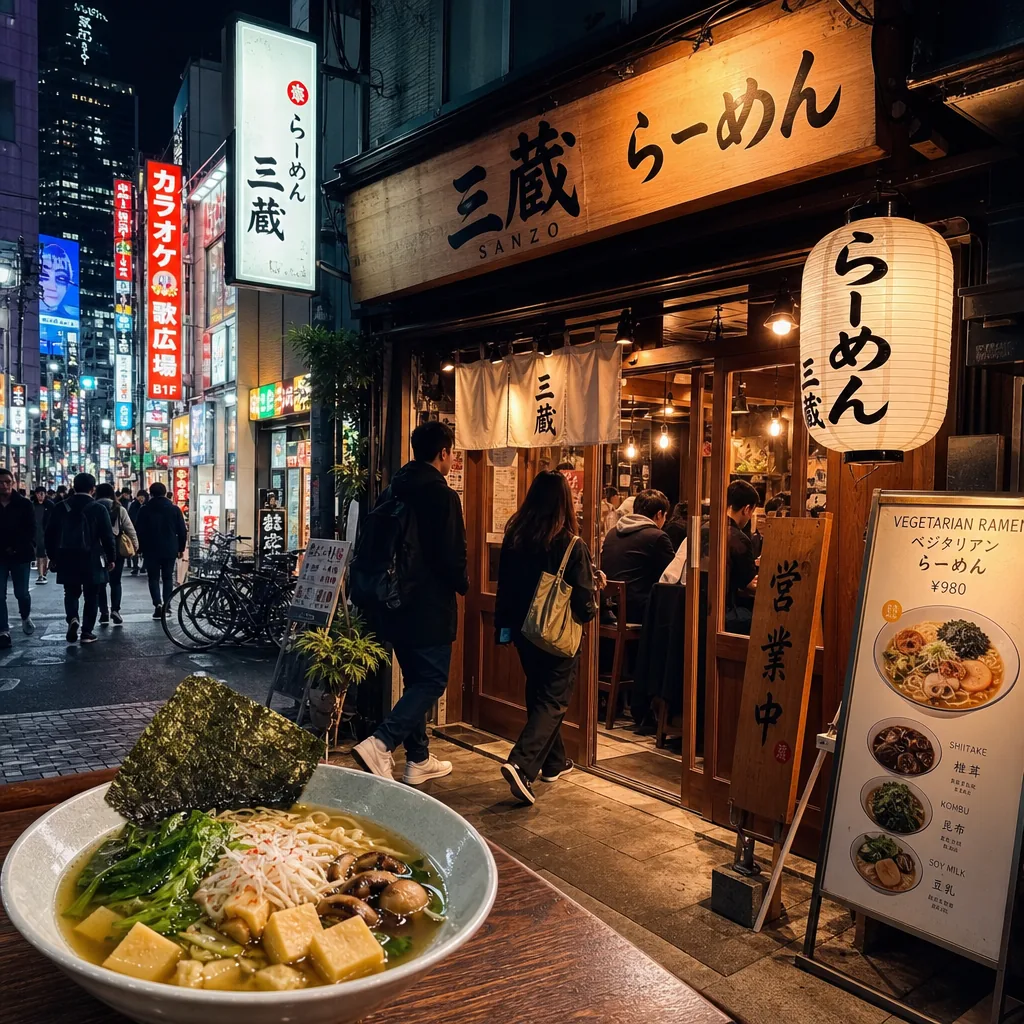
Find late-night vegetarian ramen in Tokyo by focusing on Shibuya, Shinjuku, and Roppongi, then verify broth, hours, and vegan menu details.