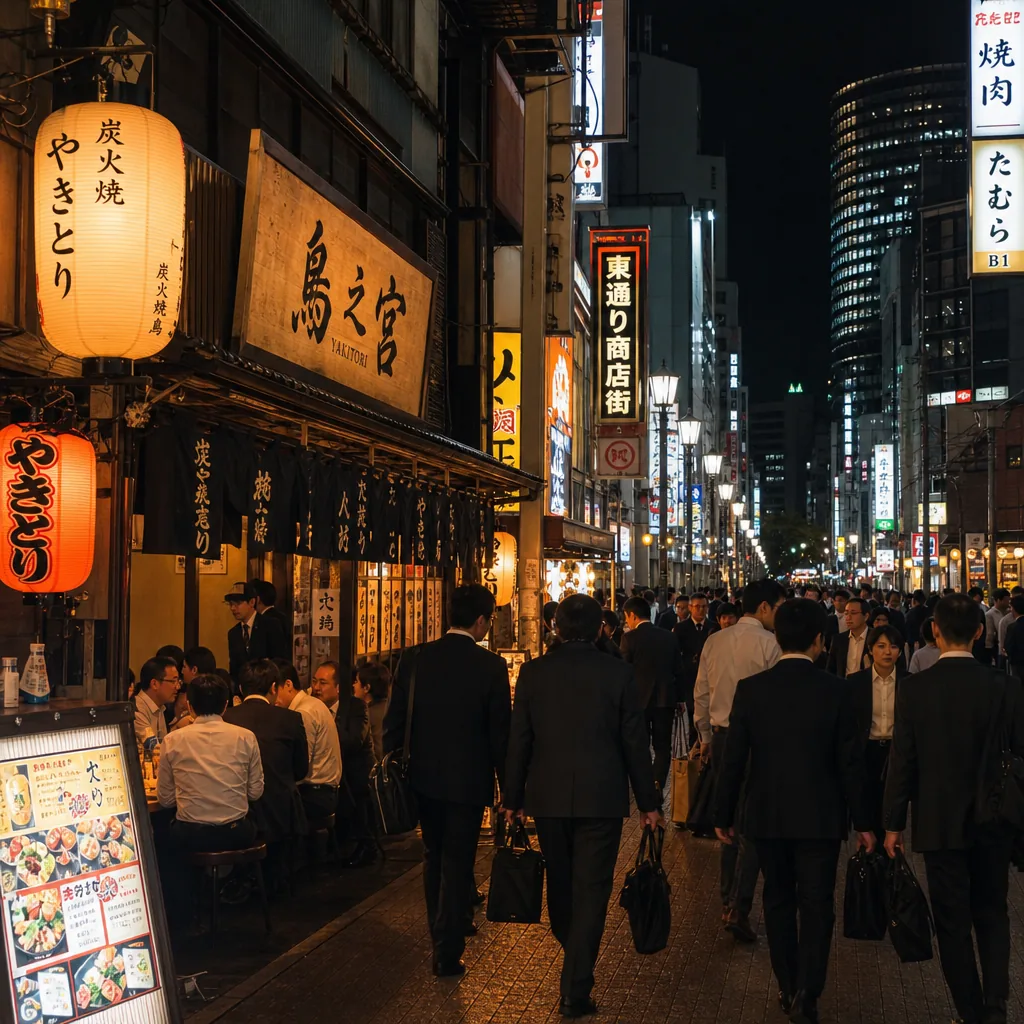
Where can I find english-friendly yakitori in Osaka after work?
Find English-friendly yakitori in Osaka after work by targeting Umeda, Namba, and Honmachi, plus booking sites and multilingual menus.
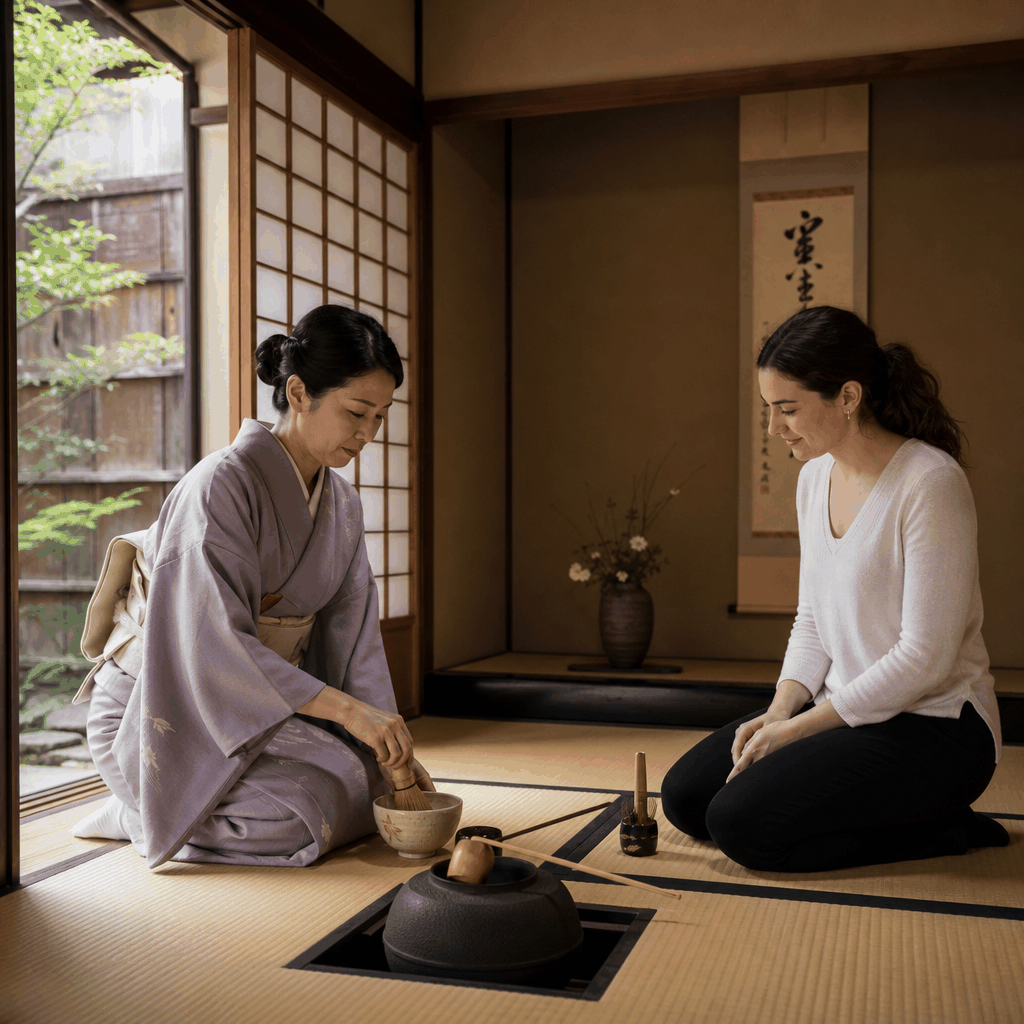
Yes—many concierges in Kyoto can arrange an English-friendly tea ceremony, especially at visitor-focused venues in central neighborhoods. The key is that “English-friendly” can mean anything from a fully English-led session to a venue where booking is in English but the ceremony itself uses basic explanations or an interpreter [1][2][3].
In Kyoto, tea ceremony offerings range from brief introductory experiences to more traditional sessions. Official tourism listings and venue pages show that some providers explicitly advertise English support, online reservation pages, and guidance for international guests [1][2][3][4].
For a concierge, the most useful question is not just “Is it English-friendly?” but “How is English handled?” At some locations, staff conduct the whole experience in English; at others, the venue may provide English instructions, while the tea master follows a set ritual with limited spoken explanation. This distinction matters because many visitors expect a lesson on tea etiquette, but the actual experience may be a shorter, hands-on matcha-making class rather than a full ceremonial performance [1][4].
Examples of Kyoto venues that present themselves for international visitors include Camellia Tea Ceremony Kyoto, Tea Ceremony Ju-an, and Maikoya Kyoto. Their English pages make it clear that the city has a strong market for bookable tea experiences with English-language information and visitor-oriented formats [2][3][4].
The easiest path is to contact the venue directly, then confirm the details with the guest. Kyoto City’s official travel guidance and Kyoto tourism resources both point travelers toward cultural experiences and venues that support advance reservations, which is often the most reliable way to secure a time slot [1][5].
This approach helps avoid a common problem in Kyoto: a venue may be easy to book, but not at the exact format the guest expects. For example, a traveler might want a quiet traditional tea setting, while the listed experience is actually designed for beginners and includes matcha whisking practice. A concierge can narrow that gap before the booking is made [2][3][4].
English-friendly tea ceremonies are often concentrated in the city’s tourist-heavy central areas, where international visitors are already looking for cultural activities. That includes neighborhoods around central Kyoto and classic sightseeing corridors, where booking pages and visitor guidance are more likely to be available in English [1][5].
Several named venues illustrate the range:
These are not the only options, but they show the pattern: the most bookable, English-accessible tea ceremonies are usually run by operators that expect tourists and clearly explain the process online. That is often more practical than trying to arrange a last-minute traditional tea meeting through a non-tourist venue [1][2][3][4].
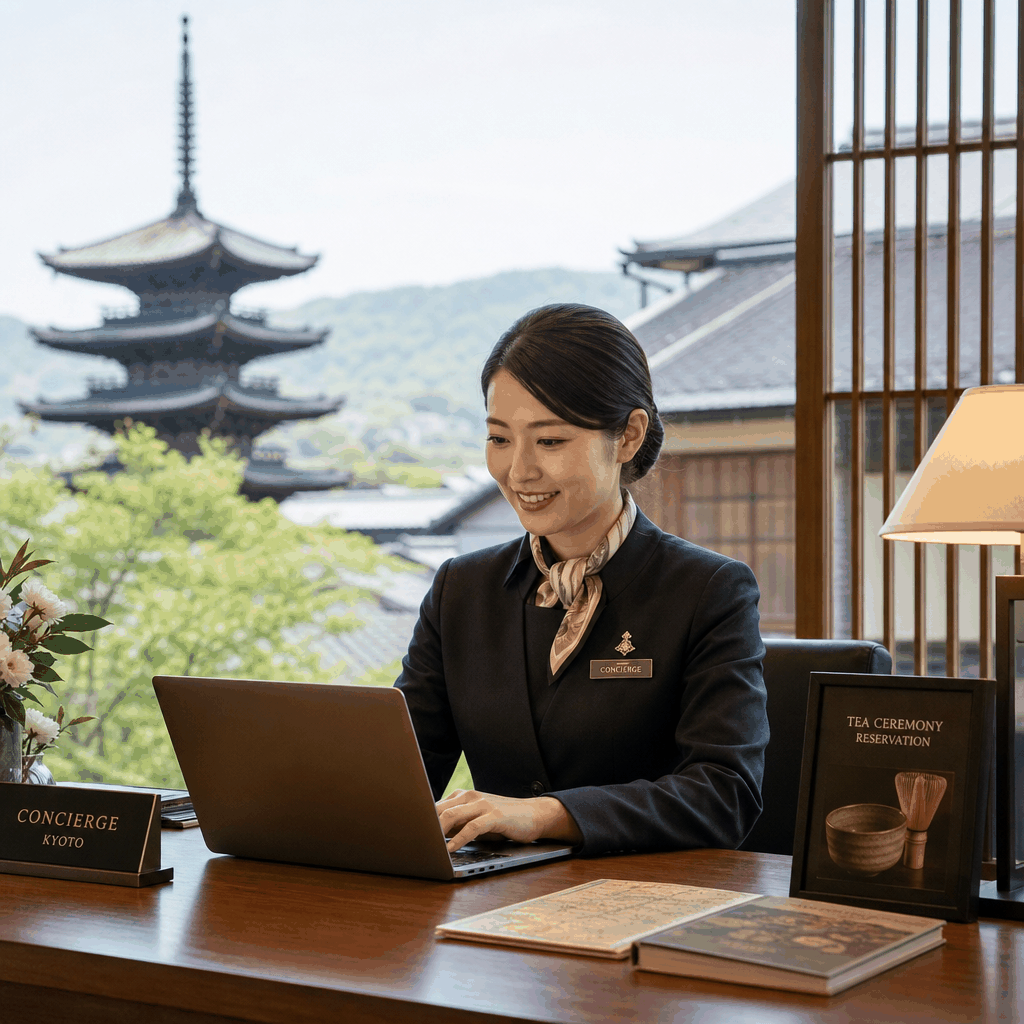
If the guest is staying near Kyoto Station, Gion, or other central sightseeing areas, a concierge can usually prioritize nearby venues with English pages and fixed time slots. That reduces transit time and makes it easier to fit the ceremony into a half-day itinerary that also includes temples, museums, or shopping [1][5].
Before finalizing the booking, a concierge should confirm a few practical points. Kyoto tea experiences can look similar online, but the details can change the guest’s whole experience.
These are not minor details. A guest with limited mobility may need to avoid floor seating, and a family with a tight sightseeing schedule may need a fixed start time rather than a flexible walk-in option. Kyoto’s visitor-oriented tea venues often publish enough information online to make these checks possible before the guest arrives [1][2][3][4].
For travelers, the best result usually comes from booking in advance and being specific about expectations. Tell the concierge whether the goal is cultural atmosphere, hands-on matcha practice, or a more traditional tea ceremony. Those goals may point to different venues, even within the same city [1][4].
A few practical habits make the booking smoother:
In short, a concierge can often book an English-friendly tea ceremony in Kyoto, but success depends on confirming the venue’s language support and the exact style of experience. Kyoto’s official tourism resources and venue pages show that English booking options are common, especially for tourist-facing tea experiences in central areas [1][2][3][4][5].
CallButler is a multilingual concierge service that handles research, coordination, and bookings so you do not have to navigate language barriers or unfamiliar systems alone. If you need help related to Can a concierge book an English-friendly tea ceremony in Kyoto? or the tasks around it, our team can step in to manage the details and keep things moving smoothly.
Find English-friendly yakitori in Osaka after work by targeting Umeda, Namba, and Honmachi, plus booking sites and multilingual menus.
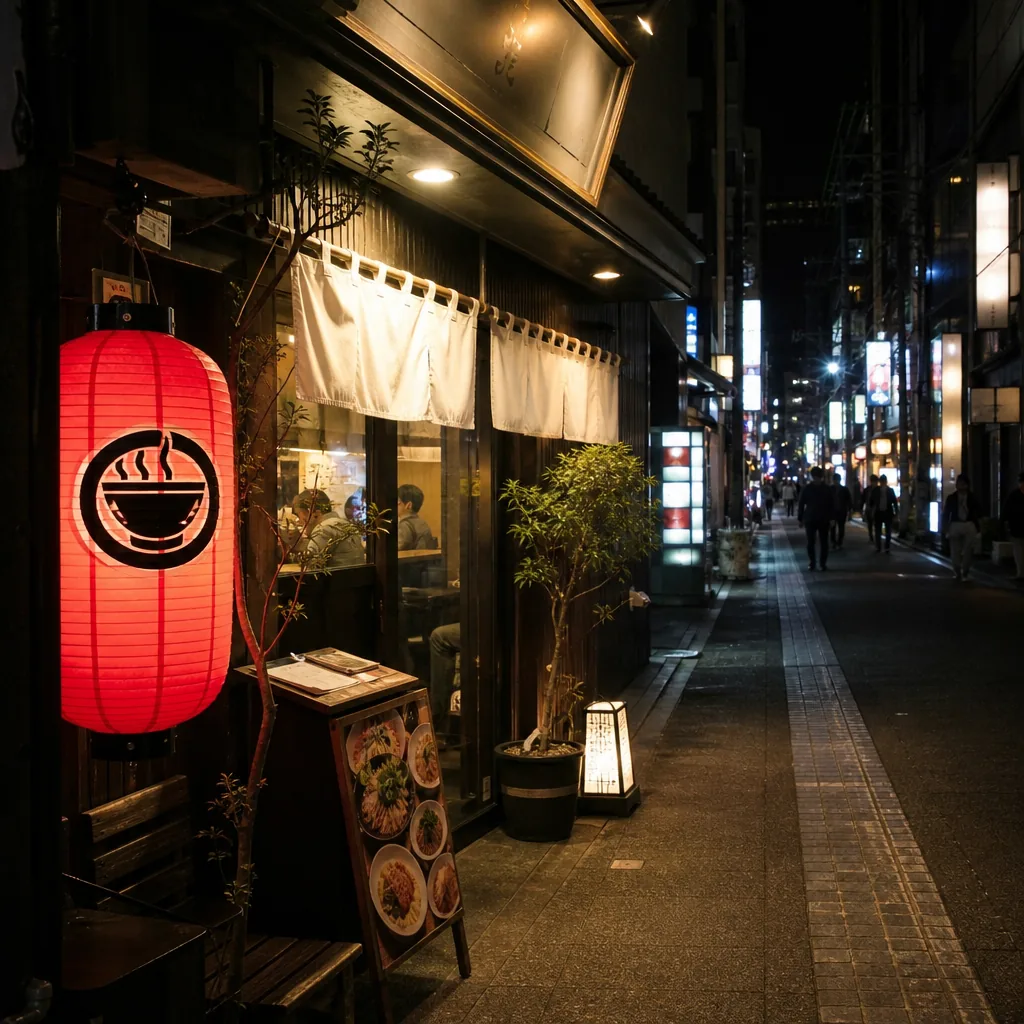
Looking for halal ramen in Kyoto after 10 p.m.? Here’s where to check, which areas are most practical, and how to verify hours and halal status.
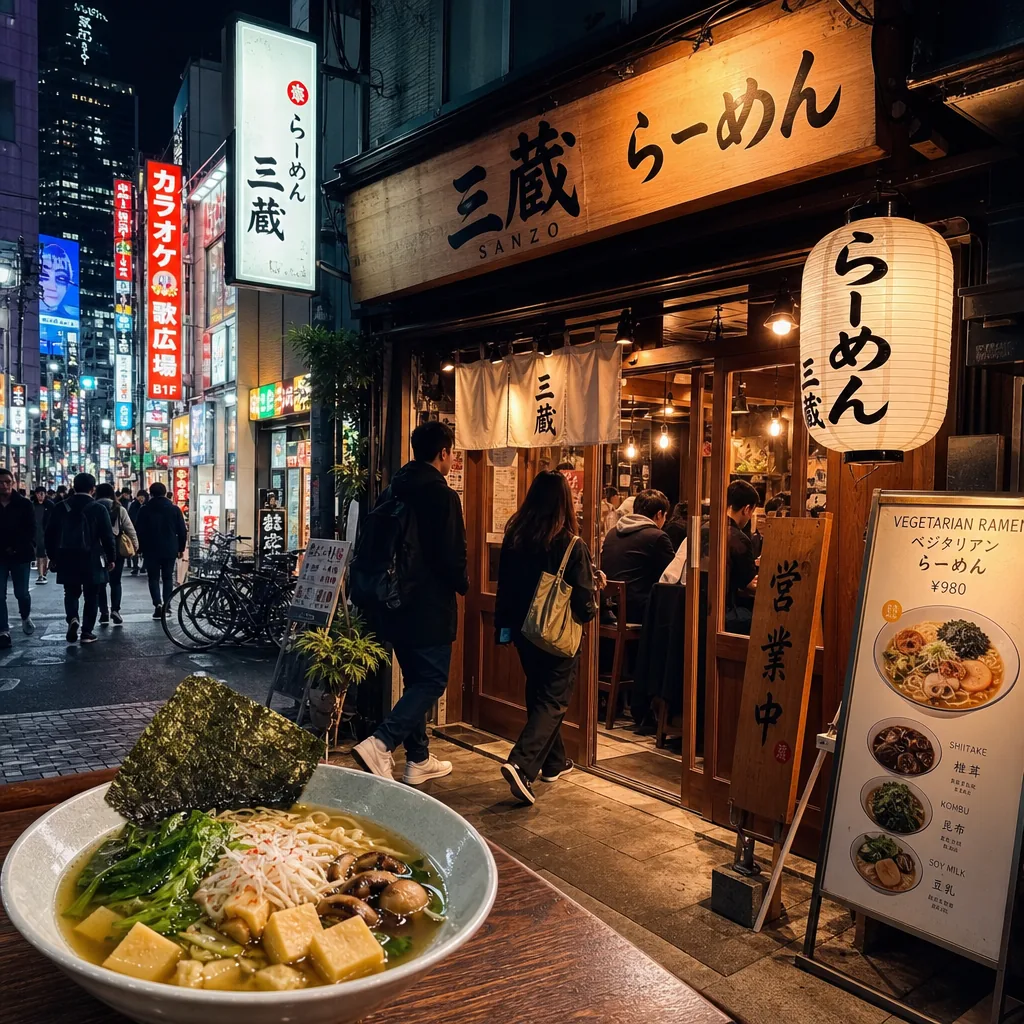
Find late-night vegetarian ramen in Tokyo by focusing on Shibuya, Shinjuku, and Roppongi, then verify broth, hours, and vegan menu details.