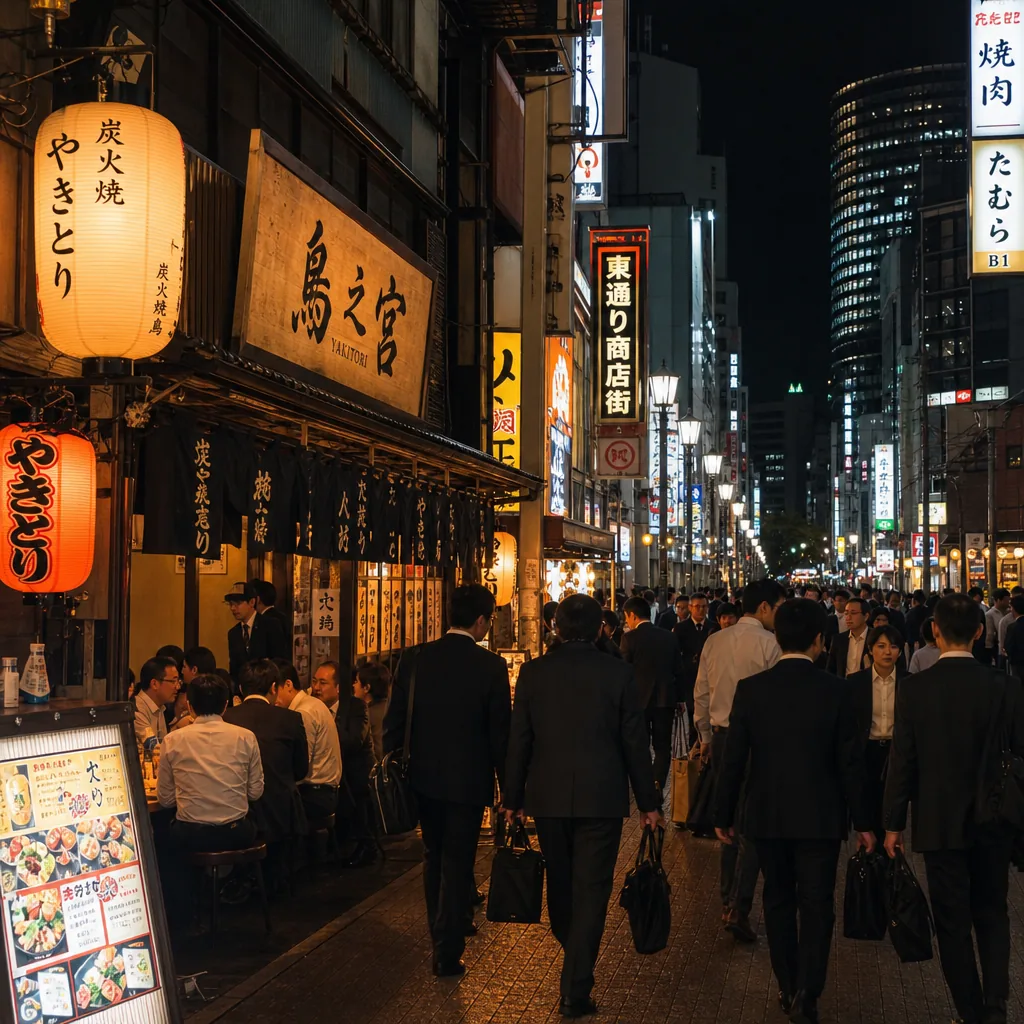
Where can I find english-friendly yakitori in Osaka after work?
Find English-friendly yakitori in Osaka after work by targeting Umeda, Namba, and Honmachi, plus booking sites and multilingual menus.
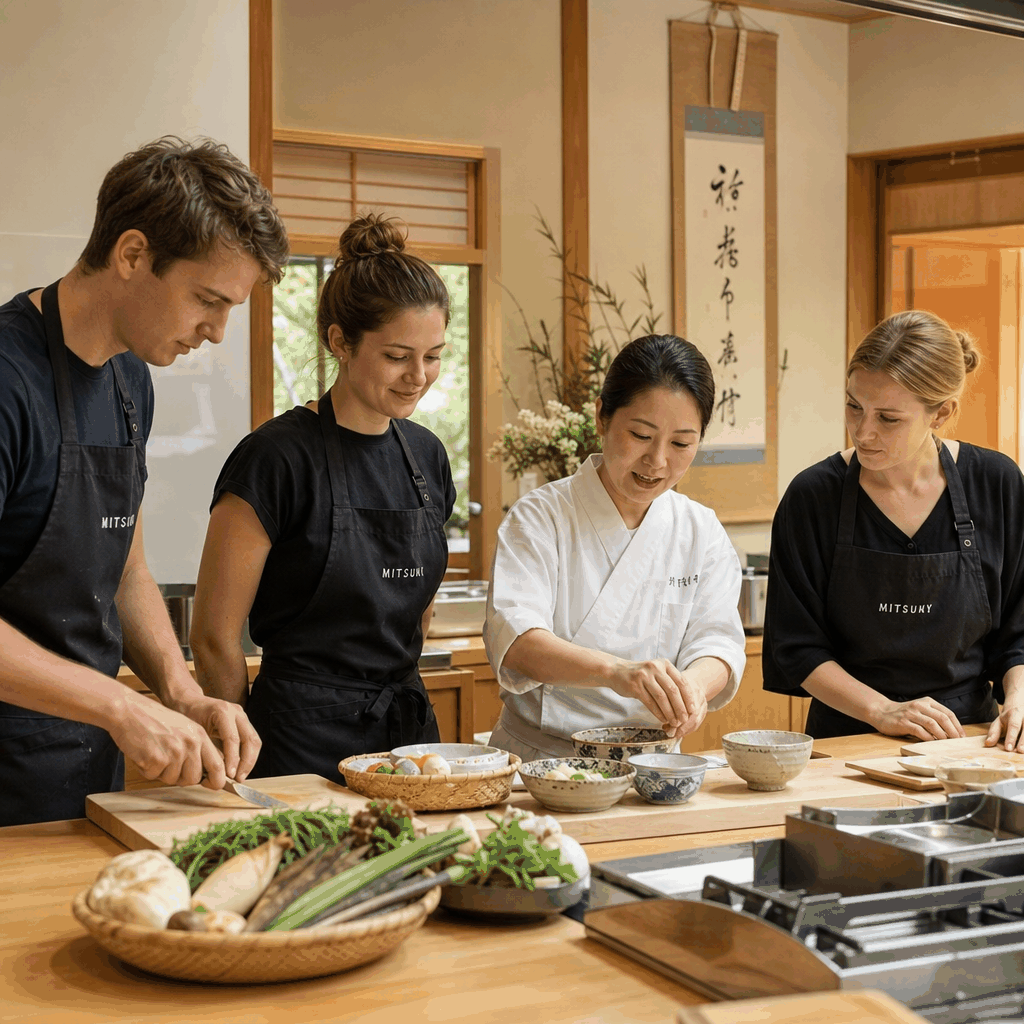
Yes—many Kyoto concierges can help book a washoku cooking class, especially when they work with local hotels, ryokan, or outside experience providers. Kyoto is one of Japan’s best cities for this because its tourism organizations actively promote food-culture experiences, and the city’s culinary scene includes classes centered on Kyoto-style dishes such as obanzai and yuba [1][2].
Kyoto’s food experiences range from short, hands-on cooking lessons to more structured culinary programs. The Kyoto City Tourism Association and Kyoto’s official travel guide both highlight food-culture experiences as part of the city’s tourism offering, which is why travelers can often find classes that focus on traditional Japanese home cooking, seasonal Kyoto ingredients, and local specialties [1][2].
In practical terms, that usually means a concierge may be able to arrange a class in one of these formats:
Some hospitality schools and culinary venues also offer organized classes. For example, Kyoto Culinary Institute is one of the city-based institutions associated with hands-on culinary education, which makes Kyoto especially suitable for structured food experiences [4].
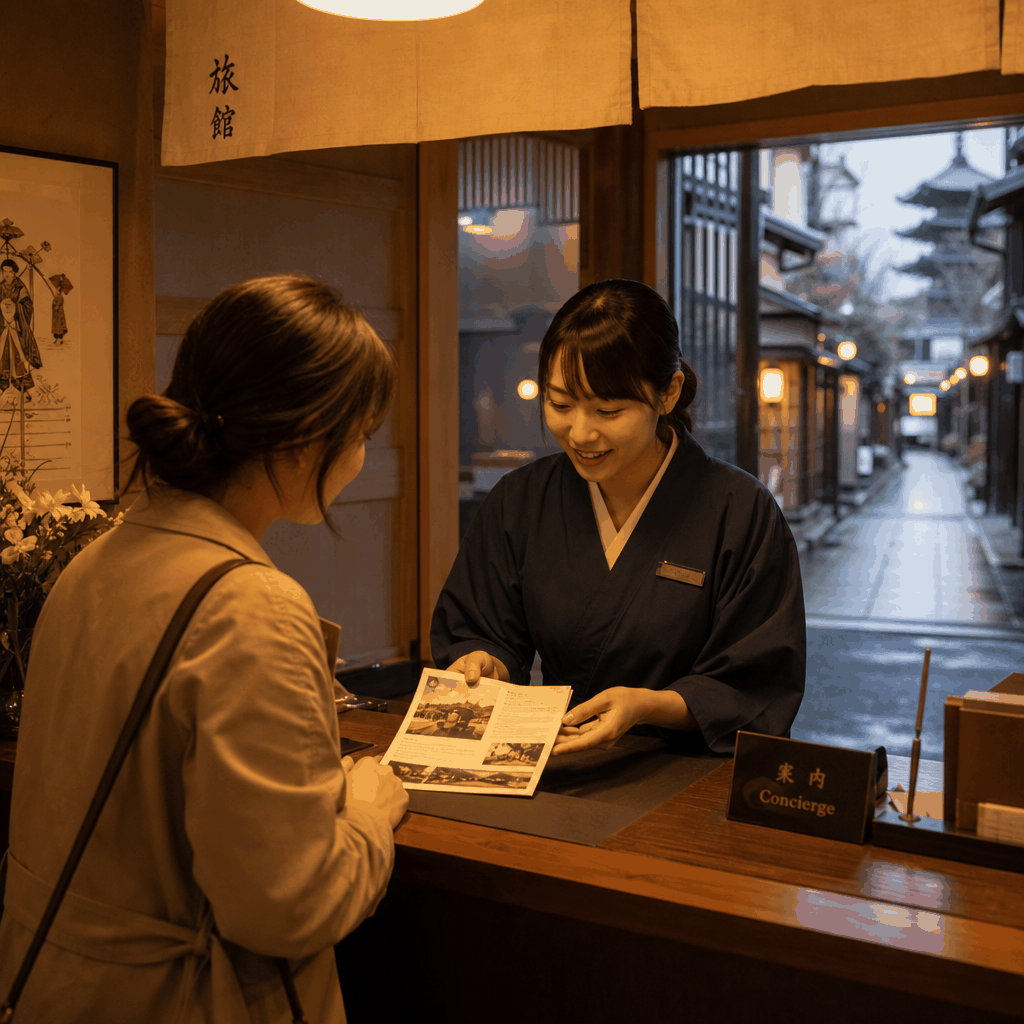
In Kyoto, the booking process usually happens through the hotel or ryokan’s front desk or concierge team. Hotels such as Hotel Granvia Kyoto explicitly advertise concierge services, which is a useful sign that staff can help with outside reservations and itinerary support [5].
The concierge typically does not run the cooking class itself. Instead, they contact the class operator, check availability, and confirm the reservation on your behalf. This is most effective when the property already has working relationships with local tour desks or experience providers, which is common in a tourism-heavy city like Kyoto [2][5].
If you are staying in a ryokan or a full-service hotel, the staff may also be able to suggest an experience closer to your neighborhood, which can save transit time in a city where travel between districts can take planning.
The more specific you are, the better the result. Booking success depends on the operator’s capacity, language availability, dietary restrictions, and how far in advance you ask [1][2]. If you only say “a cooking class,” the concierge may have to come back with several options. If you provide details, they can narrow it down faster.
Useful details include:
Because Kyoto is a major international destination, English-friendly arrangements are often available, but they are not guaranteed for every class. That is one reason a concierge can be valuable: they can screen providers before you commit [2][3].
Prices vary by operator, group size, and whether the lesson includes a market visit, private instruction, or an extended meal. Kyoto tourism pages promote a broad range of food experiences rather than a single standardized rate, so the best approach is to ask for a current quote rather than assume one price for the city [1][2].
For scheduling, advance notice matters. A concierge usually has a much better chance of confirming a class if you ask several days ahead; the more customized the request, the earlier you should reach out. Last-minute bookings can work, but only if the operator has open seats and enough staff [1][2].
Language support also differs by venue. Some operators are built for international visitors, while smaller workshops may require translation support from the concierge or hotel staff. That is where properties with experienced concierge teams—such as Hotel Granvia Kyoto—are especially helpful [5].
Direct booking is often better if you need speed. If your trip is already underway and you want a class tomorrow or the day after, an online reservation can be faster than waiting for a back-and-forth between hotel staff and the provider. This is especially true for popular lessons in central Kyoto, where open slots can disappear quickly [1][2].
On the other hand, a concierge is the better choice when you want any of the following:
For travelers staying at a ryokan or full-service hotel, concierge booking is also useful because it keeps your plans coordinated. If your accommodation already knows your arrival time and dinner schedule, they can avoid conflicts that might happen when you book separately.
If you want the best chance of success, treat the booking like a restaurant reservation with extra details. Kyoto’s food experiences are popular enough that flexibility helps, but the city also rewards planning because its best classes are often small and focused on local cuisine [1][2][3].
Here are the most practical steps:
In Kyoto, a concierge can absolutely be the right person to book a washoku class, but the best results come when you combine their local network with clear, timely instructions. That is especially true for Kyoto-style food experiences tied to the city’s culinary identity, where local ingredients, traditional techniques, and small-group formats are part of the appeal [1][2][4].
So the short answer is yes: a concierge can often book a washoku cooking class in Kyoto, and in many cases they can make the process easier than booking on your own. If you want something customized, the concierge is usually the best starting point; if you need something fast, direct online booking may be the quicker backup.
CallButler is a multilingual concierge service that handles research, coordination, and bookings so you do not have to navigate language barriers or unfamiliar systems alone. If you need help related to Can a concierge book a washoku cooking class in Kyoto? or the tasks around it, our team can step in to manage the details and keep things moving smoothly.
Find English-friendly yakitori in Osaka after work by targeting Umeda, Namba, and Honmachi, plus booking sites and multilingual menus.
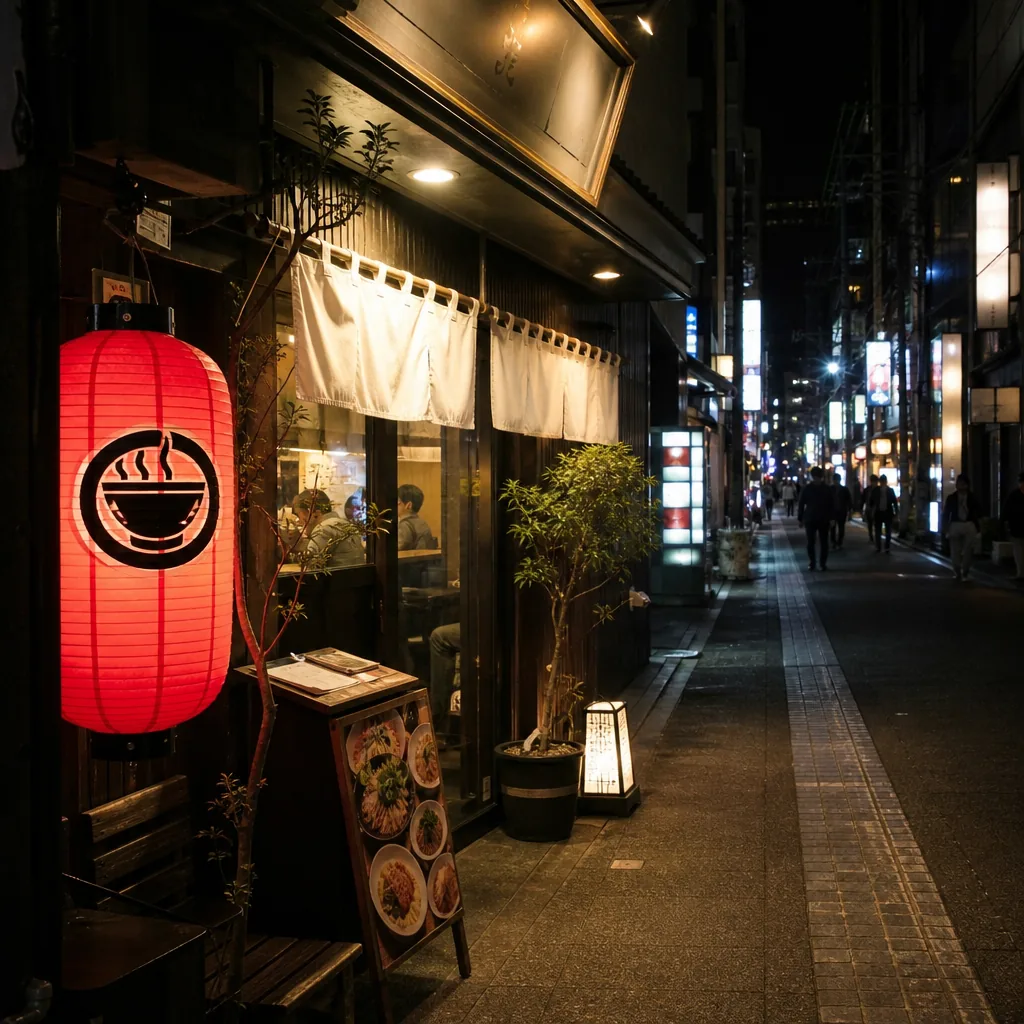
Looking for halal ramen in Kyoto after 10 p.m.? Here’s where to check, which areas are most practical, and how to verify hours and halal status.
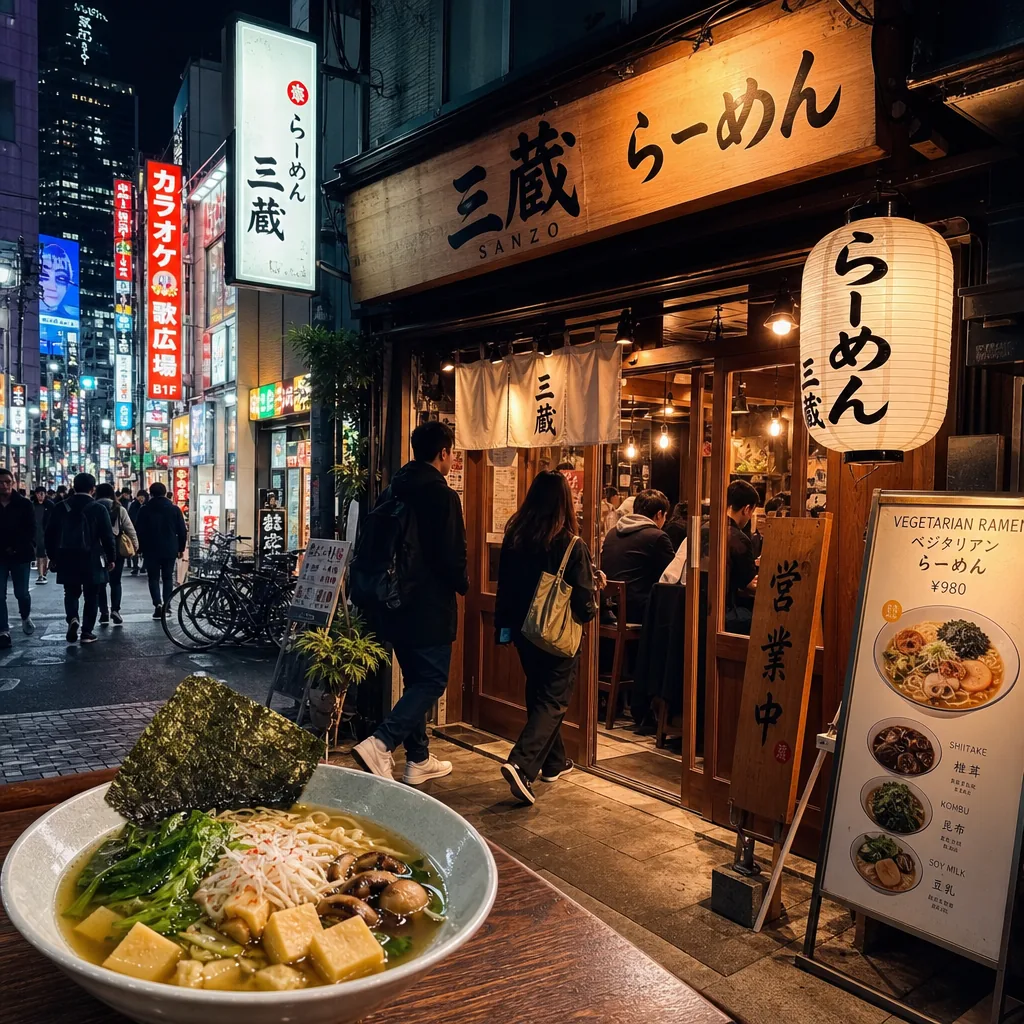
Find late-night vegetarian ramen in Tokyo by focusing on Shibuya, Shinjuku, and Roppongi, then verify broth, hours, and vegan menu details.