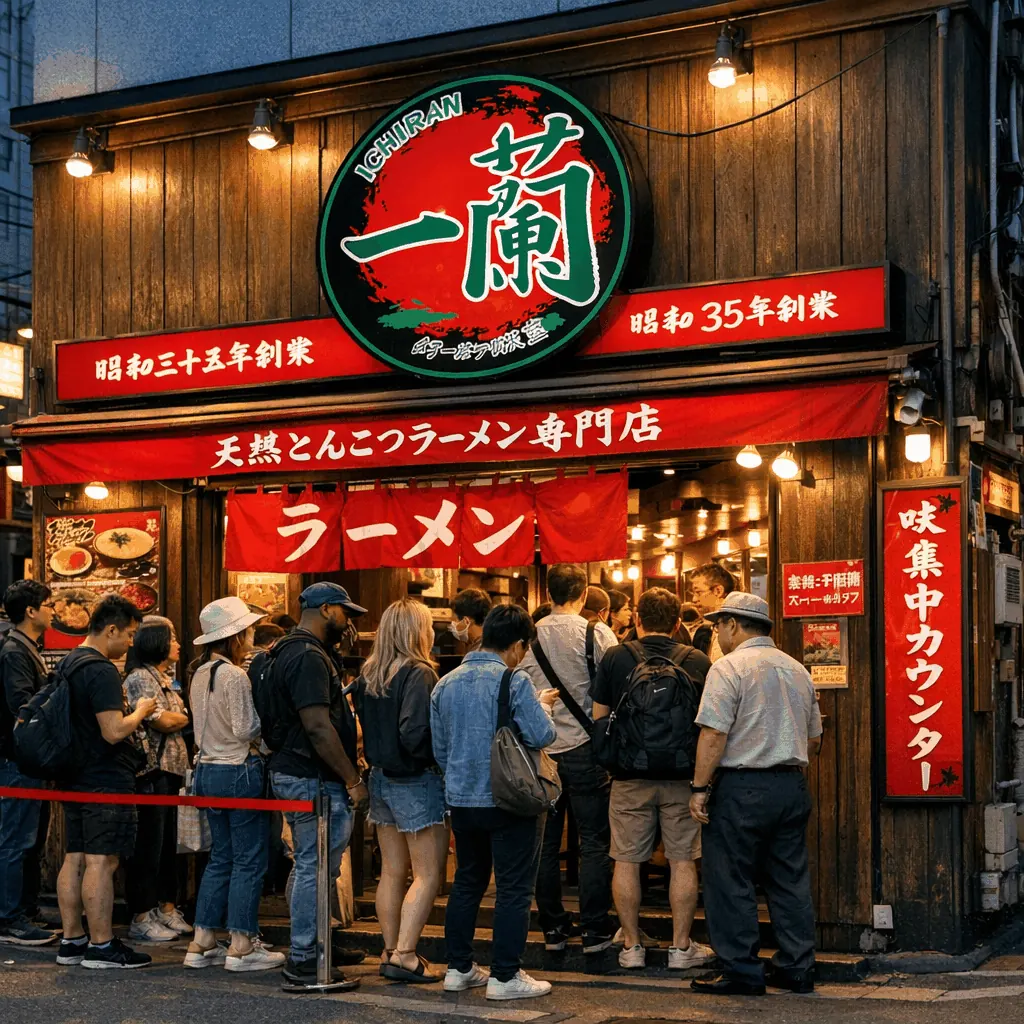
You’ve probably already opened five different tabs trying to figure out where to find an English-speaking doctor in Japan. Maybe you’ve even clicked on a hospital website, only to realize everything—everything—is in Japanese. And now you’re wondering, “What happens if I get sick and can’t explain what’s wrong?”
It’s a stressful feeling, and it’s one most expats don’t talk about until it hits them. You’re in a new country, you don’t know the system yet, and suddenly something as simple as booking a doctor’s appointment starts to feel overwhelming.
I get it. Navigating healthcare in a foreign country is hard, especially when you’re worried about miscommunication. That’s why this guide exists—to show you the easiest, most reliable ways to find English-speaking doctors in Japan so you can stop stressing and start feeling confident about your health.
In this article, you’ll learn exactly where to look, which resources you can trust, and how to prepare for your appointment so nothing gets lost in translation. By the end, you’ll know precisely how to access the care you need—without the language barrier getting in the way.

Understanding Japan’s Healthcare System as a Non-Japanese Speaker
Japan’s healthcare system is excellent. You get high-quality care, efficient service, and doctors who take their time with patients. But here’s the part most expats don’t realize until they’re standing at the reception desk: even though many doctors study medical English, that doesn’t always translate into confident English conversations.
This is where the friction happens. You know you need help. The doctor is qualified. But the language gap sits in the middle, making simple things—like describing pain or understanding test results—feel stressful.
If you’re new to Japan, here’s what you need to know before you start searching:
- English-speaking doctors exist, but they’re not evenly spread across the country. You’ll find more in major cities like Tokyo, Osaka, and Yokohama. Rural areas tend to have fewer.
- Hospitals may offer “international patient services”, but that doesn’t always mean the doctor themselves speaks English. Sometimes the support is only for paperwork.
- Clinics are often easier for English support than large hospitals. Many international clinics cater specifically to foreign residents.
Understanding this upfront saves you time. Instead of clicking through endless Japanese hospital pages, you’ll know exactly where to focus your search—which is what the next section is all about.
Where to Find English-Speaking Doctors in Japan
Finding an English-speaking doctor in Japan isn’t impossible—you just need to know where to look. Here are the most reliable places to start, without wasting hours on outdated information or confusing websites.
1. International Clinics
International clinics are your safest bet. These clinics are built for foreign residents, which means:
- Staff speak English confidently
- Booking is usually simple
- You can get everything from general check-ups to specialized care
They’re more common in cities like Tokyo, Osaka, and Yokohama, but if you’re near a major station, you’ll often find at least one option.
2. Embassy & Consulate Lists
Your embassy or consulate is one of the most trustworthy sources out there. They keep updated lists of:
- Doctors who speak English
- Hospitals familiar with treating foreigners
- Emergency contacts
These lists are curated, verified, and widely used in the expat community—so you’re not relying on guesswork.
3. Online Directories
There are a few sites that make your search easier. Many allow you to filter by:
- Location
- Specialty
- Languages spoken
These are especially helpful if you need a specific type of doctor rather than general care.
4. Expat Groups & Social Media
Never underestimate the power of expat communities. Facebook groups and local expat forums often share:
- Real experiences
- Doctor recommendations
- Warnings about clinics with little English support
These are fast, honest, and often give you the most practical insights.
5. Hospital International Patient Pages
Large hospitals—especially university hospitals—tend to have “International Patient” sections on their websites. These pages usually explain:
- Whether English is available
- How to book appointments
- What services are supported
Just remember: sometimes the support is for administration only, not medical discussions. Always double-check.
6. Personal Recommendations
If you work in Japan, study here, or have local friends, ask them. Expats who’ve lived here longer almost always have at least one clinic or doctor they trust. These recommendations carry weight because they’re based on genuine experiences.

(Source: Freepik.com)
Preparing for Your Appointment
Once you’ve found an English-speaking doctor, a bit of preparation will make your appointment smoother and help you avoid any misunderstandings.
Bring a simple list of your symptoms
Write down what you’re feeling, when it started, and anything that makes it better or worse. This keeps your explanation clear, even if nerves kick in.
Prepare your questions ahead of time
When you’re in the room, it’s easy to forget what you meant to ask—especially if you’re worried about communication. Having your questions written down ensures nothing gets missed.
Bring any medical records you have
If you have documents from your home country—test results, prescriptions, imaging—bring them. Even better, translate the key details into English or Japanese if possible. It doesn’t have to be perfect; clarity is what matters.
Know how you’ll handle insurance
If you’re on Japan’s National Health Insurance or Employee Health Insurance, most clinics will accept it. International clinics sometimes charge higher fees, so it’s good to be prepared.
Expect a different check-in process
Japan’s clinics are efficient but can feel unfamiliar. You’ll often fill out forms, hand over your insurance card, and wait for your number to be called. If the clinic supports English, great. If not, don’t worry—most processes are straightforward once you’ve done it once.
A bit of planning goes a long way. The clearer and more organized you are, the easier the appointment becomes—especially in a country where communication can feel intimidating.
Using Call Butler for Stress-Free Healthcare Access
Even with all the resources out there, finding an English-speaking doctor in Japan can still feel like a full-time job. You’re checking websites, comparing recommendations, hoping the information is up to date… and then there’s the stress of actually booking the appointment.
This is exactly where Call Butler makes your life easier.
It removes the guesswork
Instead of digging through dozens of sites, Call Butler connects you directly with English-speaking healthcare professionals. You don’t have to worry about whether the clinic actually offers English support—you already know they do.
It streamlines the entire process
From finding the right doctor to making the appointment, Call Butler cuts out confusion. No complicated forms. No awkward phone calls. You get clear instructions and reliable options from the start.
It’s built for expats
Call Butler understands the exact challenges you’re dealing with—language barriers, unfamiliar systems, and the fear of miscommunication. Everything is designed around making healthcare accessible, simple, and stress-free for you.
It gives you confidence
When you know the doctor can communicate with you in English, the anxiety melts away. You can focus on your health instead of worrying about whether you’ll be understood.
If you want the easiest, most straightforward way to access English-speaking doctors in Japan, Call Butler is the tool that removes the stress and gives you peace of mind.
Call Butler is Here to Help!
Navigating healthcare in Japan doesn’t have to be stressful. Once you know where to look—international clinics, embassy lists, online directories, expat groups, and hospital international pages—you suddenly have reliable ways to find the support you need. And when you prepare properly for your appointment, you take control of the experience instead of feeling overwhelmed by it.
But if you want the simplest and most reliable way to find an English-speaking doctor, Call Butler is your easiest option. It cuts out all the confusion, points you to trusted healthcare providers, and helps you book appointments without worrying about language barriers.
And it doesn’t stop there. Call Butler can also help with other parts of your trip or new life in Japan—things like reservations, bookings, and everyday tasks that become tricky when you don’t speak the language. It’s like having a local helper who makes everything smoother, so you can focus on enjoying Japan instead of stressing over the details.
If you want a clearer, easier, more confident experience in Japan, start by using Call Butler. It’s the support you need, exactly when you need it.