When is the best time to visit Todaiji Temple in Nara?

Article overview: When is the best time to visit Todaiji Te…

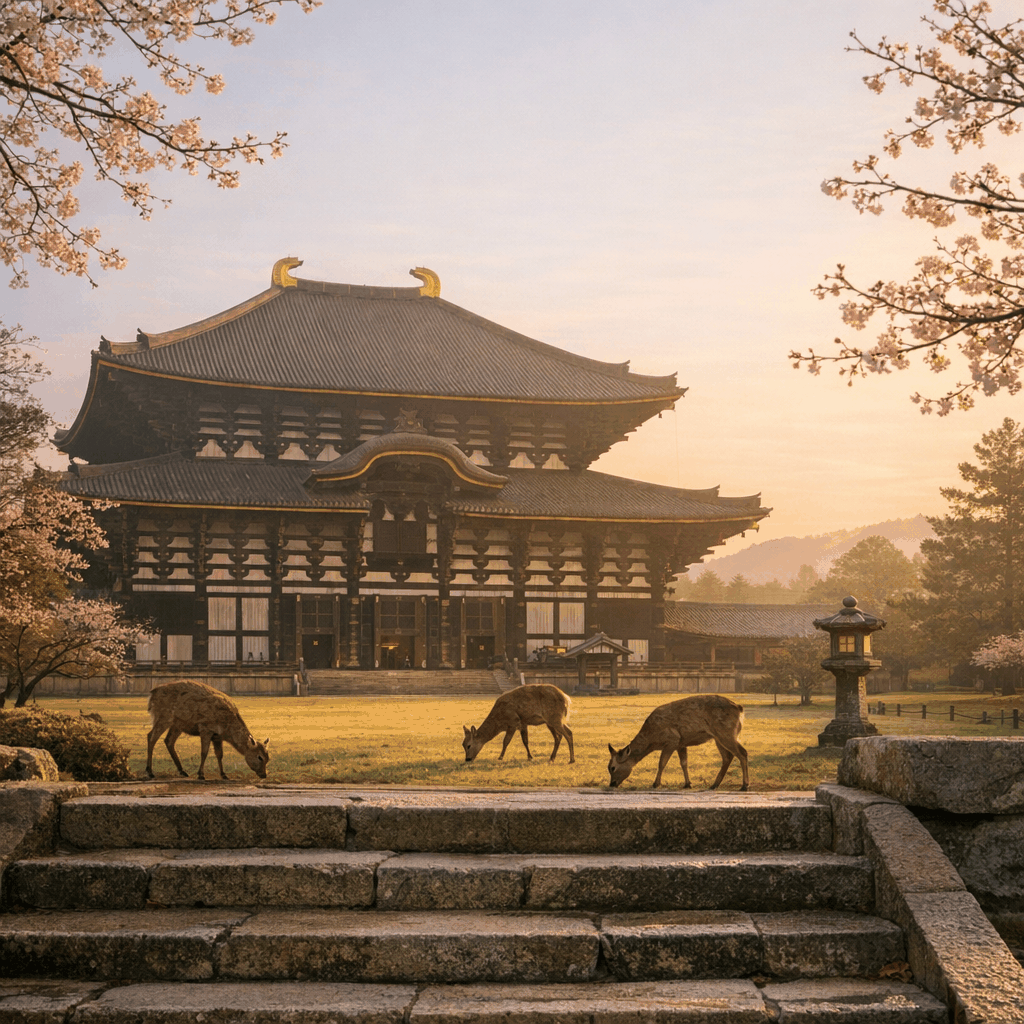
Tōdai‑ji Daibutsuden (Great Buddha Hall) with Nara Park in the foreground in morning light

Yes — the best time to visit Tōdai‑ji in Nara depends on what you want: for the smallest crowds and the best morning light, arrive at opening (typically around 08:00) on a weekday; for seasonal spectacle, plan for cherry blossom season (late March–early April) or mid‑November for autumn foliage. If you want a major cultural event, attend Omizutori (Shuni‑e) at Nigatsu‑dō, held March 1–14 each year, but expect heavy crowds and limited viewing space [1][2][3].

Why timing matters at Tōdai‑ji

Tōdai‑ji is both an active temple complex and one of Nara’s main sights: it includes the Daibutsuden (Great Buddha Hall) and Nigatsu‑dō, sits inside Nara Park, and is part of the Historic Monuments of Ancient Nara UNESCO site. Visitor density affects how close you can get to the Great Buddha, photo opportunities, and the tranquility of the surrounding deer‑filled paths [1][4][5].

Best time of day: early morning and late afternoon

  • Arrive at opening (typically around 08:00) on a weekday to avoid the largest day‑trip waves from Kyoto and Osaka; mornings often have softer light for photos of the Daibutsuden and quieter Nara Park paths [1][2].
  • If you must go later, aim for late afternoon (the hour before closing) when some tour groups have left; check seasonal closing times—hours are roughly 08:00–17:00 but vary by season and building, so confirm on the Tōdai‑ji official site before you go [1].
  • Weekend and holiday mornings can still be busy; consider visiting on a Tuesday–Thursday for fewer visitors [2].

Seasonal highlights and when crowds peak

Seasons change both the visual experience and crowd levels at Tōdai‑ji and Nara Park:

  • Spring — Cherry blossoms peak in late March–early April in Nara city; this is one of the busiest times as people combine temple visits with hanami. Expect packed paths near the Daibutsuden and Kasuga Taisha approaches [2][5].
  • Summer — Green foliage makes the park very lush; daytime humidity increases and school groups are common, so early morning visits are still best [2].
  • Autumn — Mid to late November is peak autumn foliage in Nara; the trees around Nigatsu‑dō and the hill above the Great Buddha give strong colors, but crowds rise sharply on clear weekends [2][5].
  • Winter — Fewer tourists and crisper light make winter mornings a calm option; some halls may have slightly different hours in winter, so check ahead [1].

Special events: Omizutori (Shuni‑e), March 1–14

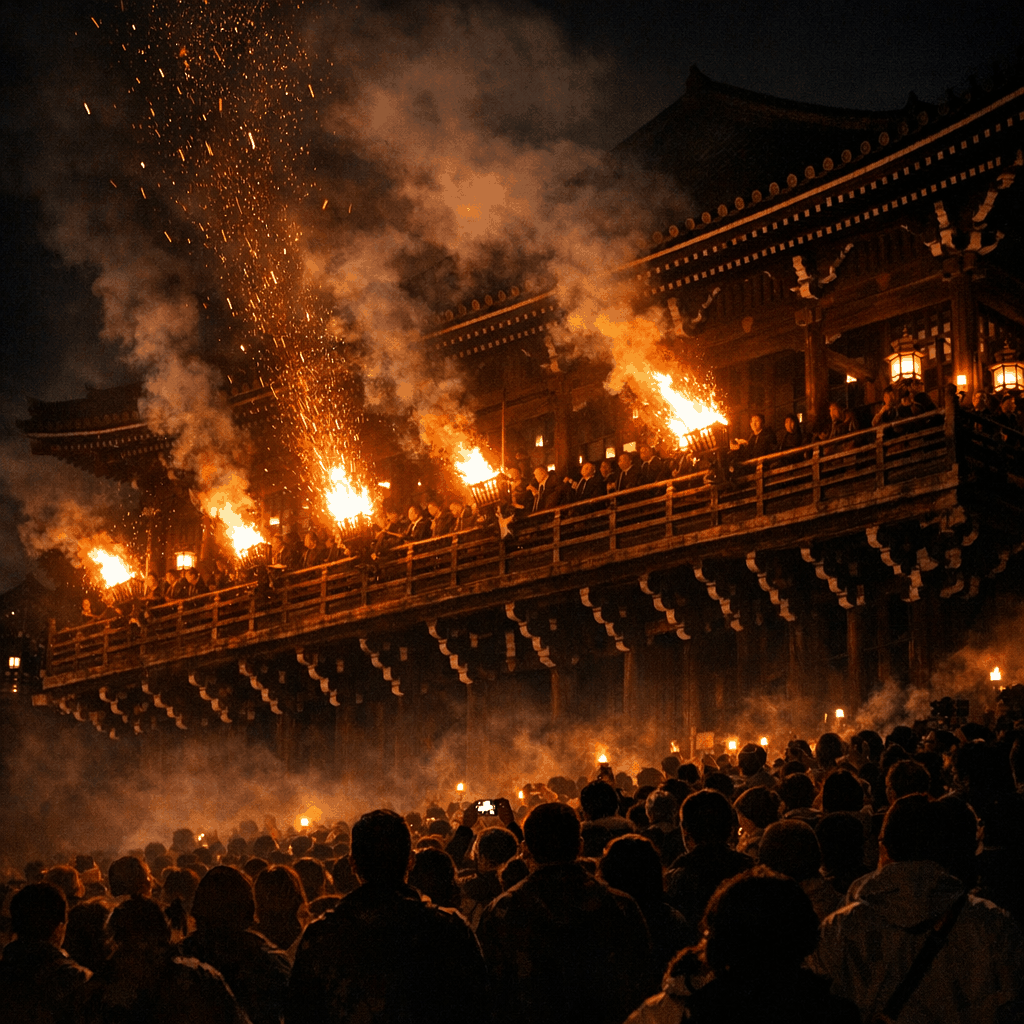
Omizutori (Shuni‑e) at Nigatsu‑dō is the single most important annual event tied to Tōdai‑ji for many visitors. The ceremony runs March 1–14 and culminates in night‑time torch events whose flying embers are believed to bring good luck; these programs are historic and draw large crowds, especially for the evening torch processions [3]. If you plan to attend Omizutori, book accommodation in Nara early and arrive well before the evening ceremonies to secure a viewing position; the official event schedule and any visitor guidance are posted by Tōdai‑ji and Nara tourist information [1][3].
Crowd patterns and how to avoid them

  1. Weekdays beat weekends: Many visitors are day‑trippers from Kyoto and Osaka, so weekdays (especially midweek) are noticeably quieter [2].
  2. Open‑time advantage: The first hour after opening is the best window for photos of the Daibutsuden and for walking the deer‑filled lawns of Nara Park without tour groups [1][2].
  3. Avoid peak seasonal weekends: During cherry blossom and autumn leaf peaks, try the weekday before or after the predicted peak bloom or color dates listed by Visit Nara and check forecasts to time your visit [5].
Night view of Nigatsu‑dō during Omizutori torch ceremonies with smoke and crowds

Practical tips: hours, admissions, access, and nearby spots

  • Hours and admissions — The Great Buddha Hall and surrounding museum spaces are open during daytime hours (roughly 08:00–17:00), but specific halls, seasonal hours, and ticket prices change; always confirm current hours and admission on the Tōdai‑ji official visitor page before you go [1].
  • Getting there — Tōdai‑ji sits inside central Nara Park and is a short walk from major points in central Nara; many visitors approach from Kintetsu Nara Station or JR Nara Station and then walk through the park to the temple precincts [2][5].
  • Combine nearby sites — Pair Tōdai‑ji with visits to Nigatsu‑dō for hillside views, Kasuga Taisha for its lantern‑lined approach, and the Nara National Museum if you want curated Buddhist art; all are walkable within the central Nara area and make for a full half‑day or day itinerary [2][5].
  • Photography and deer — Early morning gives the best light and fewer tourists; be mindful around the free‑roaming deer in Nara Park and follow local guidance on feeding and interacting with them [5].
  • Plan for Omizutori — If attending Omizutori, read the detailed schedule on Japan Guide and the Tōdai‑ji site and arrive early for evening events, as viewing areas fill quickly and access routes can be controlled during ceremonies [1][3].

Final recommendations

For the quietest, most photogenic visit: aim for opening time (around 08:00) on a weekday and enter the Daibutsuden first. For seasonal spectacle: target late March–early April for cherry blossoms or mid‑November for fall color, but plan for much larger crowds. For a cultural highlight: experience Omizutori at Nigatsu‑dō (March 1–14) with the expectation of heavy attendance and earlier arrival times. In all cases, verify current hours and event dates on the Tōdai‑ji official site and local Visit Nara pages before you travel [1][2][3][5].

How CallButler Can Help

CallButler is a multilingual concierge service that handles research, coordination, and bookings so you do not have to navigate language barriers or unfamiliar systems alone. If you need help related to When is the best time to visit Todaiji Temple in Nara? or the tasks around it, our team can step in to manage the details and keep things moving smoothly.

Sources

  1. Tōdai-ji Official Website (English) — Visitor Information
  2. Todaiji Temple — Japan Guide
  3. Omizutori (Shuni-e) — Japan Guide
  4. Historic Monuments of Ancient Nara — UNESCO World Heritage Centre
  5. Visit Nara — Todaiji Temple