Where can I find respectful kaiseki dining in Gion Kyoto?

Article overview: Where can I find respectful kaiseki dinin…

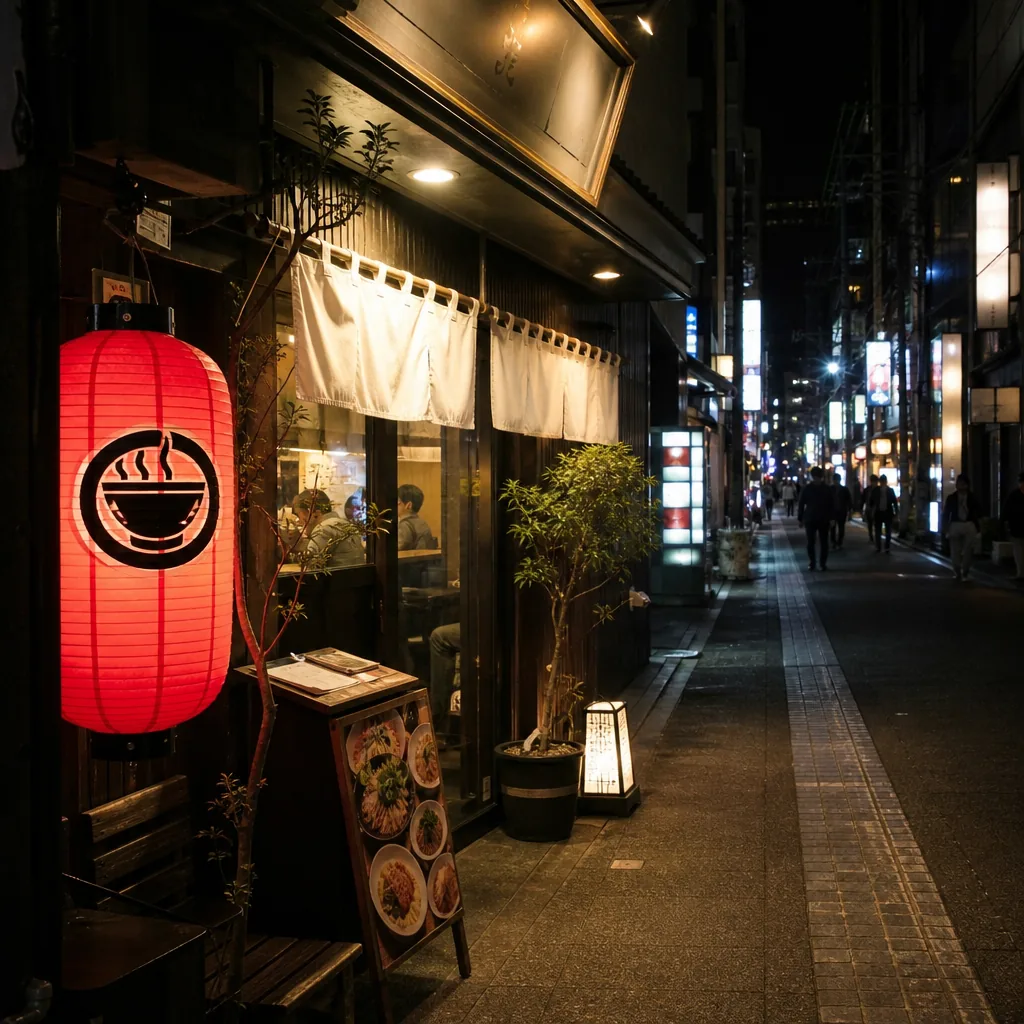
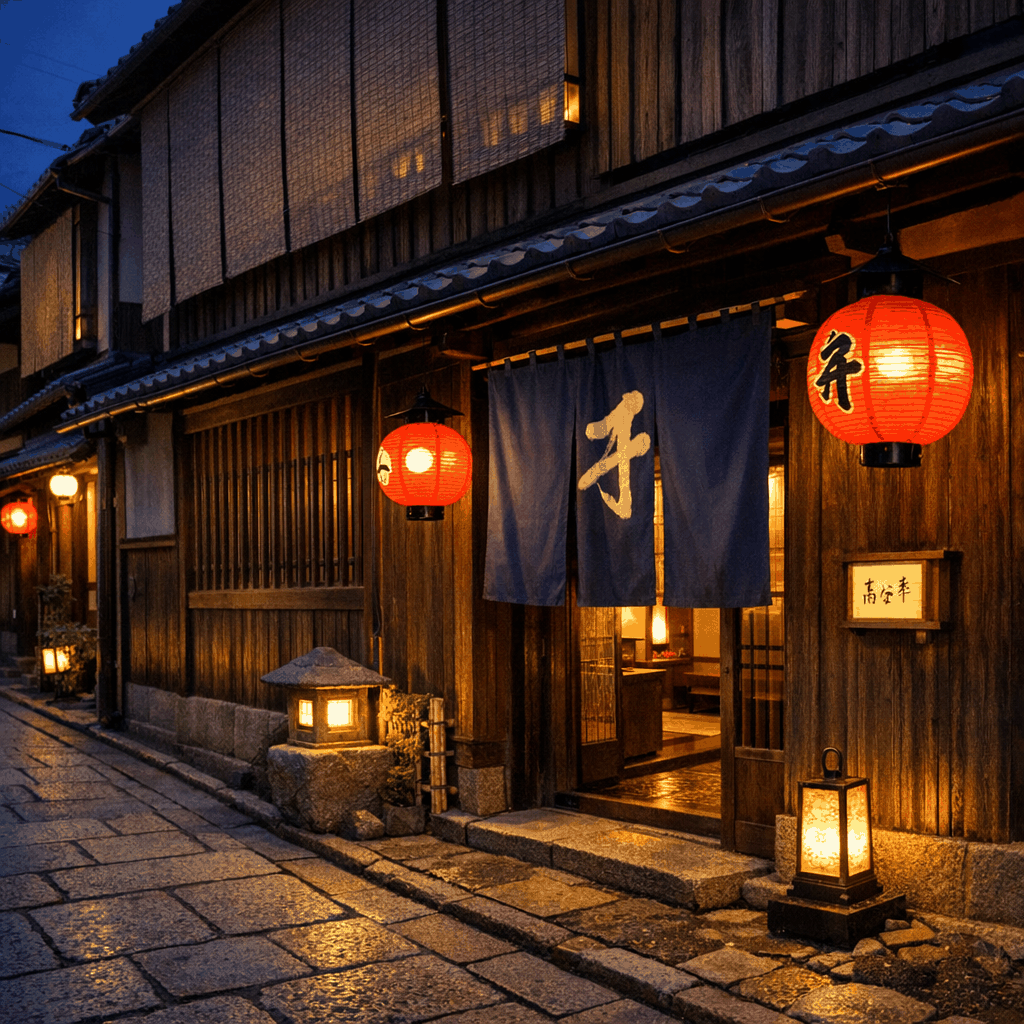
Entrance of a traditional Gion street at dusk with lanterns and wooden shopfronts

Yes — you can find respectful kaiseki dining in Gion by booking at traditional ryotei and established kaiseki restaurants such as Kikunoi and chef-led venues like Gion Sasaki, both of which operate in the Kyoto city and Gion area. Reservations and adherence to local etiquette make these visits smooth and respectful for both guests and staff [2][3][1].

What kaiseki is and why Gion (Kyoto) is special

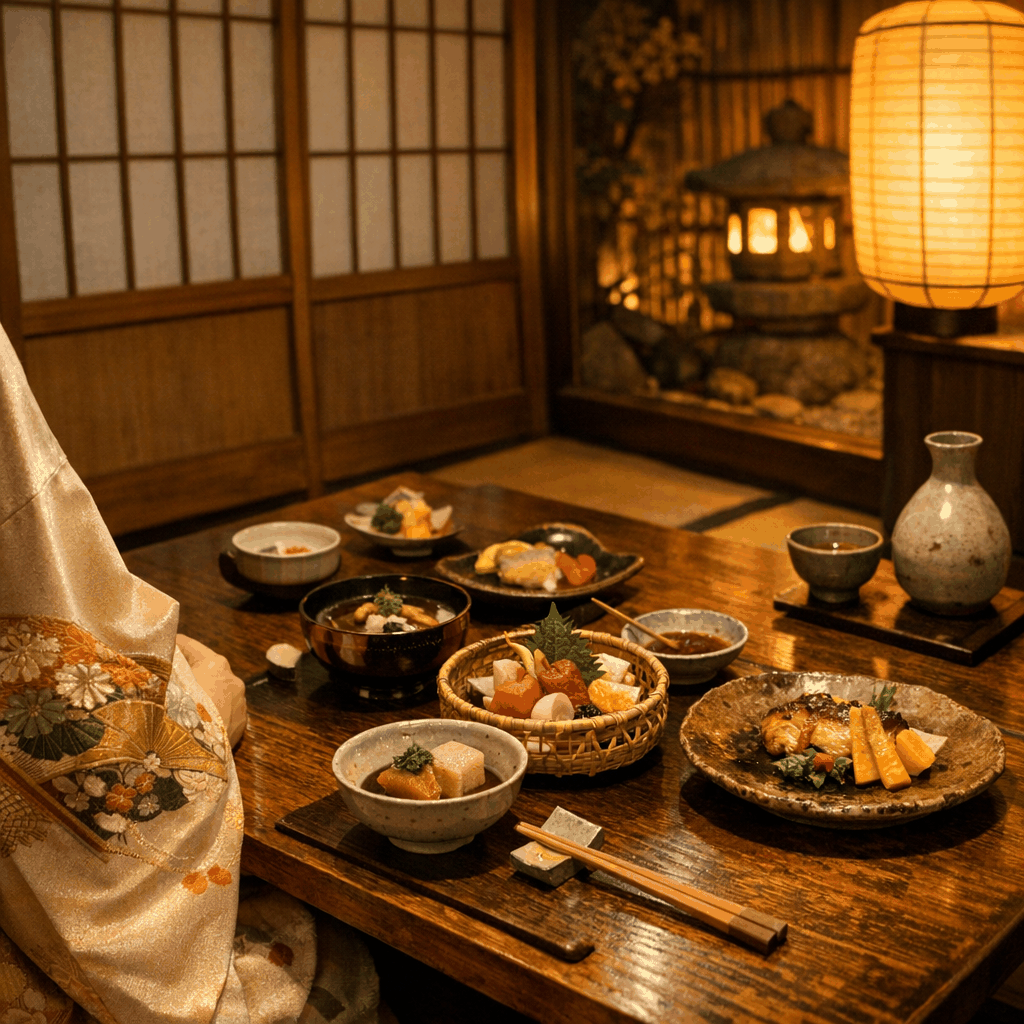
Kaiseki is a seasonal, multi-course Japanese haute cuisine rooted in the tea-ceremony tradition and developed in Kyoto; it emphasizes seasonal ingredients, small courses, and aesthetic presentation [4]. Kyoto — and Gion in particular — retains many of the historical forms of kaiseki service, including ryotei (private restaurants) and ochaya (tea-houses associated with geisha entertainment), so the experience is not just food but a cultural setting closely tied to the city's history and neighborhoods [1][4].

Types of kaiseki venues you’ll find in Gion

  • Ryotei: private, often intimate establishments that may require introductions or help from a hotel concierge; they emphasize formal service and private rooms [1].
  • Ochaya (tea houses): historically linked to geisha entertainments and more exclusive; some are invitation-only while others work with introducers or trusted agencies [1].
  • Modern chef-driven kaiseki restaurants: open to the public with online or phone reservations (examples below), offering a clearer reservation path for visitors [2][3].

Notable Gion kaiseki restaurants and examples

When looking for respectful kaiseki in Gion, prioritize well-documented, long-established venues that publish reservation or menu information. Examples in or very near Gion include:
  • Kikunoi (Gion/Kyoto) — a long-standing kaiseki house with English-language information on its official site; they outline course structure and reservation guidance for visitors [2].
  • Gion Sasaki — a chef-driven kaiseki venue noted in international guides (Michelin listing) and commonly recommended for contemporary Kyoto kaiseki; check their official listing for booking notes [3].
  • Gion district landmarks and streets to orient yourself: Hanamikoji Street and the Shirakawa area near Yasaka Shrine and the traditional machiya houses are the core of the Gion experience; many ryotei and restaurants are located in these streets and alleys [1].
An arranged multi-course kaiseki plate showing seasonal garnishes and small dishes

How to make reservations — step-by-step practical channels

  1. Decide whether you want a public restaurant or a private ryotei/ochaya. Public chef-driven kaiseki (like Kikunoi or Gion Sasaki) generally allow direct booking; ryotei/ochaya may need an introducer or hotel help [1][2][3].
  2. Check the restaurant’s official site first for reservation policies and sample menus (Kikunoi provides English pages; Gion Sasaki appears in international guides) and note required lead time [2][3].
  3. Use a Kyoto hotel concierge: concierges at reputable hotels in Kyoto routinely make reservations with ryotei or arrange introductions to ochaya; this is the most reliable channel for invitation-only places [1].
  4. For public kaiseki, book directly by phone or through the restaurant’s online reservation form. If the site offers English pages or reservation email (Kikunoi has English information), use those first [2].
  5. When direct booking isn’t possible, use trusted booking platforms or travel agents that specialize in Japanese dining reservations — confirm cancellation and prepayment policies in advance.

Etiquette and what to expect during a kaiseki meal in Gion

  • Arrival and timing: arrive on time. Many courses are served at a measured pace and late arrival can disrupt service.
  • Shoes and seating: follow staff directions about removing shoes or sitting in tatami rooms; some ryotei provide Western seating if needed — inquire when booking [1][2].
  • Photography and privacy: always ask before photographing private rooms, performances, or geisha/maiko; some ochaya and ryotei have strict privacy rules [1].
  • Conversation and behavior: keep voices low and follow the flow of the meal; kaiseki is meant to be contemplative and seasonal, matching the tea-ceremony roots [4].
  • Introductions: some ochaya require formal introductions; if you’re attending a geisha-hosted evening, rely on your introducer or concierge for protocol [1].

Price ranges, seasonal timing, and dietary requests

Kaiseki pricing in Kyoto varies by venue and season. Simpler lunches at local kaiseki-style restaurants often start around the lower tens of thousands of yen for a set (roughly JPY 10,000), while top multi-course dinners at established houses can be JPY 30,000 and up — prices are venue- and season-dependent and change with ingredient sourcing [4]. Always confirm current menus and prices on the restaurant’s official page or via your concierge before booking [2][3].

Seasonality is central: kaiseki courses change with the seasons, so late-spring, autumn foliage season, and New Year periods may have special menus and require earlier reservations. For dietary restrictions and allergies, contact the restaurant in advance — many Kyoto kaiseki venues can accommodate requests if given enough notice, but substitutions are limited by seasonal sourcing and set-course structure [2][3][4].

Practical local resources and final booking tips

  • Kyoto City official travel pages for the Gion area are useful for orientation (Hanamikoji, Shirakawa, Yasaka Shrine) and to understand neighborhood access and hours [1].
  • Use the restaurant’s official pages for the most accurate reservation and menu details (Kikunoi publishes English guidance; check Gion Sasaki via its Michelin/official listing) [2][3].
  • If you need an introducer: your Kyoto hotel, a reputable travel agency, or a registered tour operator can make introductions to ryotei or ochaya — ask early and confirm any additional fees or deposit requirements [1].

In short: choose the kind of kaiseki experience you want (public chef table vs. private ryotei/ochaya), book early through official channels or your Kyoto hotel concierge, confirm dietary and photography policies ahead of time, and respect the measured, seasonal rhythm that makes Gion kaiseki both refined and culturally significant [1][2][3][4].

How CallButler Can Help

CallButler is a multilingual concierge service that handles research, coordination, and bookings so you do not have to navigate language barriers or unfamiliar systems alone. If you need help related to Where can I find respectful kaiseki dining in Gion Kyoto? or the tasks around it, our team can step in to manage the details and keep things moving smoothly.

Sources

  1. Gion area — Kyoto City Official Travel Guide
  2. Kikunoi — Official site (Kyoto kaiseki restaurant)
  3. Gion Sasaki — Official restaurant information (listed by guides)
  4. Kaiseki Ryori — japan-guide.com (overview of kaiseki cuisine)