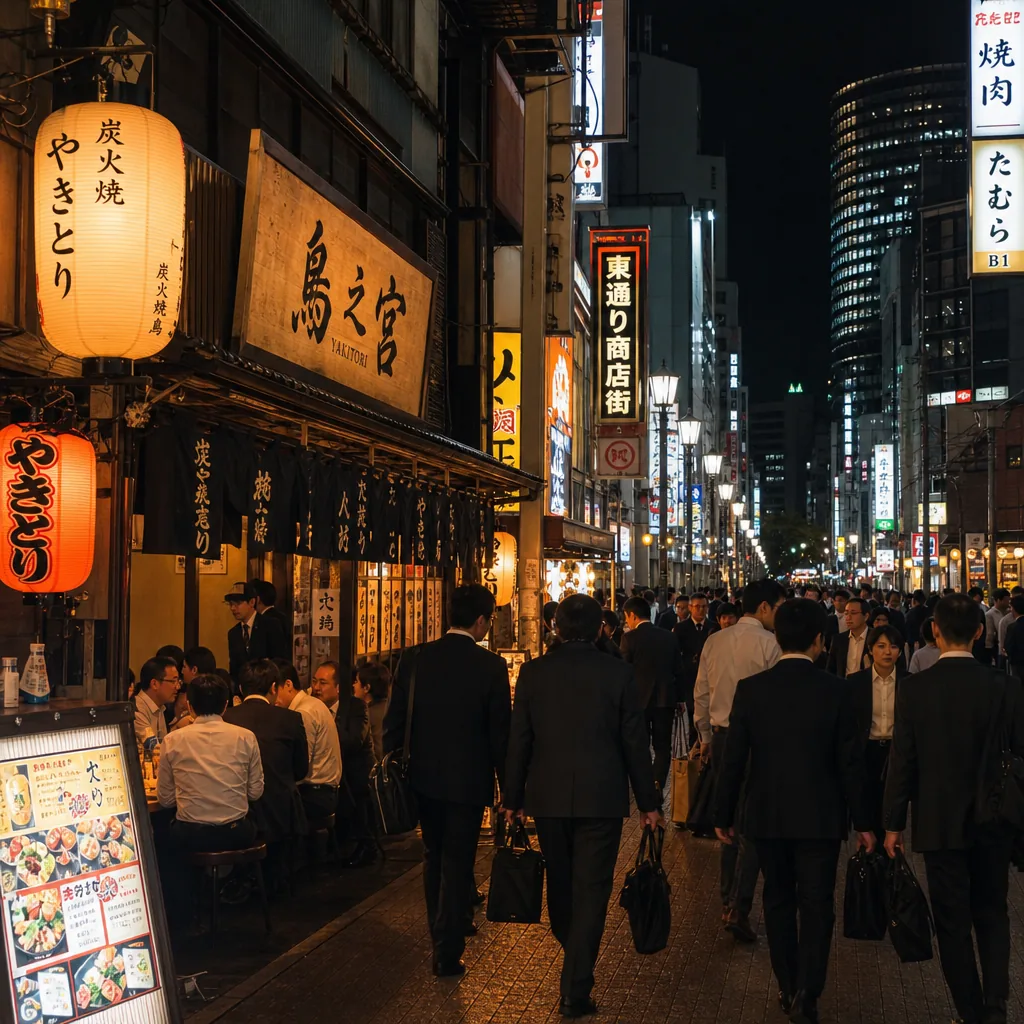
Where can I find english-friendly yakitori in Osaka after work?
Find English-friendly yakitori in Osaka after work by targeting Umeda, Namba, and Honmachi, plus booking sites and multilingual menus.
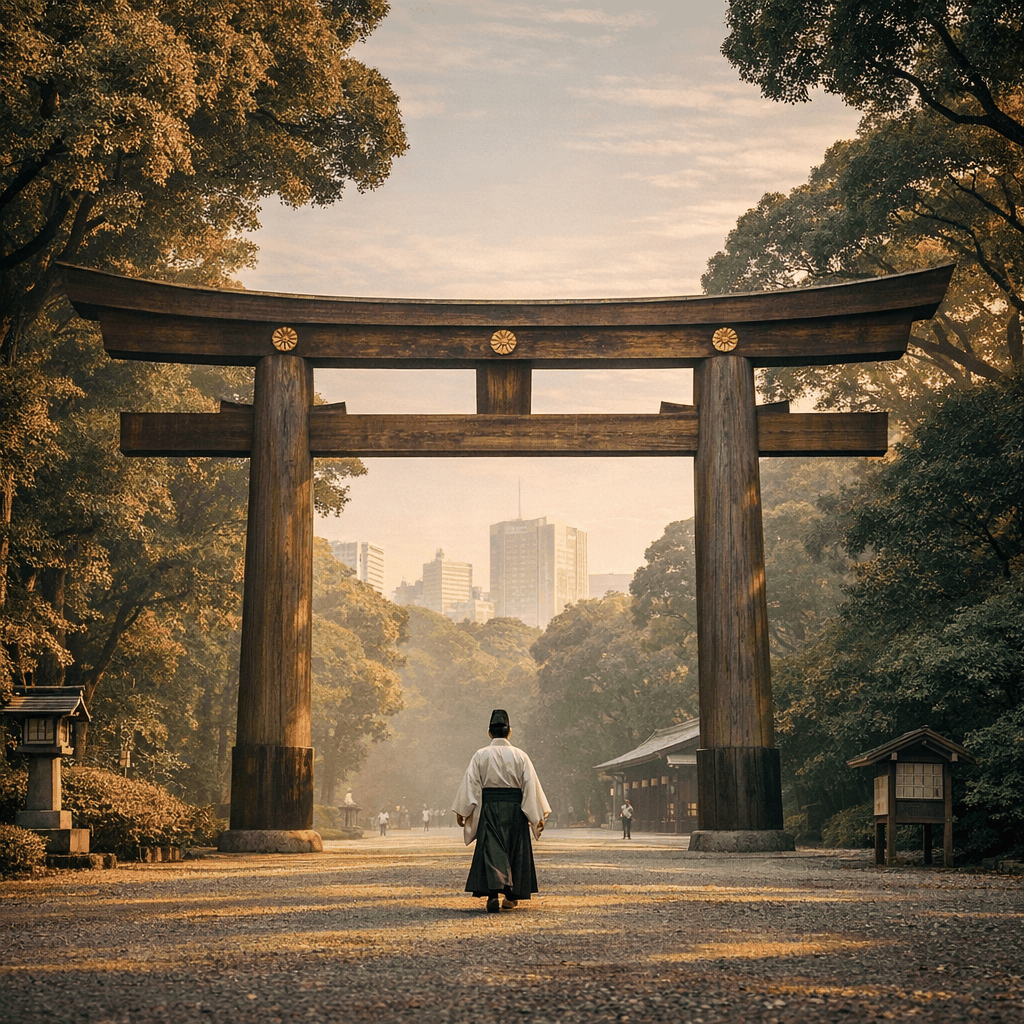
The best time to visit Meiji Shrine in Tokyo is early on a weekday, shortly after the gates open, or late on a weekday an hour or two before closing; these windows typically have the fewest visitors and offer softer light for photos. Avoid weekends, national holidays and the New Year Hatsumode period when the shrine draws very large crowds [1][4].
Meiji Jingu sits in a large wooded precinct that is free to enter and popular both with commuters and visitors exploring Harajuku and Yoyogi Park. Because the shrine is adjacent to busy areas such as Harajuku and Omotesando, visitor flows change quickly: mornings bring worshippers and local commuters, midday draws tourists from nearby Takeshita-dori, and weekends can be very crowded [1][3][4]. Planning when you arrive changes whether you experience a quiet walk under the torii and sugi forest or a bustling cultural hub.
The shrine’s precincts follow daylight-based opening and closing times that vary by season; Meiji Jingu asks visitors to check the official site for the current daily hours and any special-event closures [1][2]. The inner shrine and facilities sometimes have additional schedules for events, exhibitions or ceremonies, so confirm on the Meiji Jingu website before you travel, especially if you plan to attend a ritual, museum exhibit, or garden visit [1].
Early weekday mornings (shortly after the gates open) are the most reliable quiet window. Arriving at opening time gives you the forested approach, the main torii, and the honden area with far fewer people — ideal for contemplative visits and unobstructed photography [4][5].
Late afternoons on weekdays, roughly an hour or two before closing, are often quieter as well, though light levels fall and some areas may be shadowed under the trees. If you want softer, directional light for portrait or architecture photos, target a morning visit; if you prefer a calmer end-of-day atmosphere and are okay with lower light, choose late afternoon [4][5].
Weekdays are best: Tuesday–Thursday mornings usually have the fewest visitors. Avoid weekends and national holidays when Harajuku Station (JR Yamanote Line) and Meiji-jingumae Station (Tokyo Metro Chiyoda/Fukutoshin Lines) become congested and queues form along the main paths [3][4].
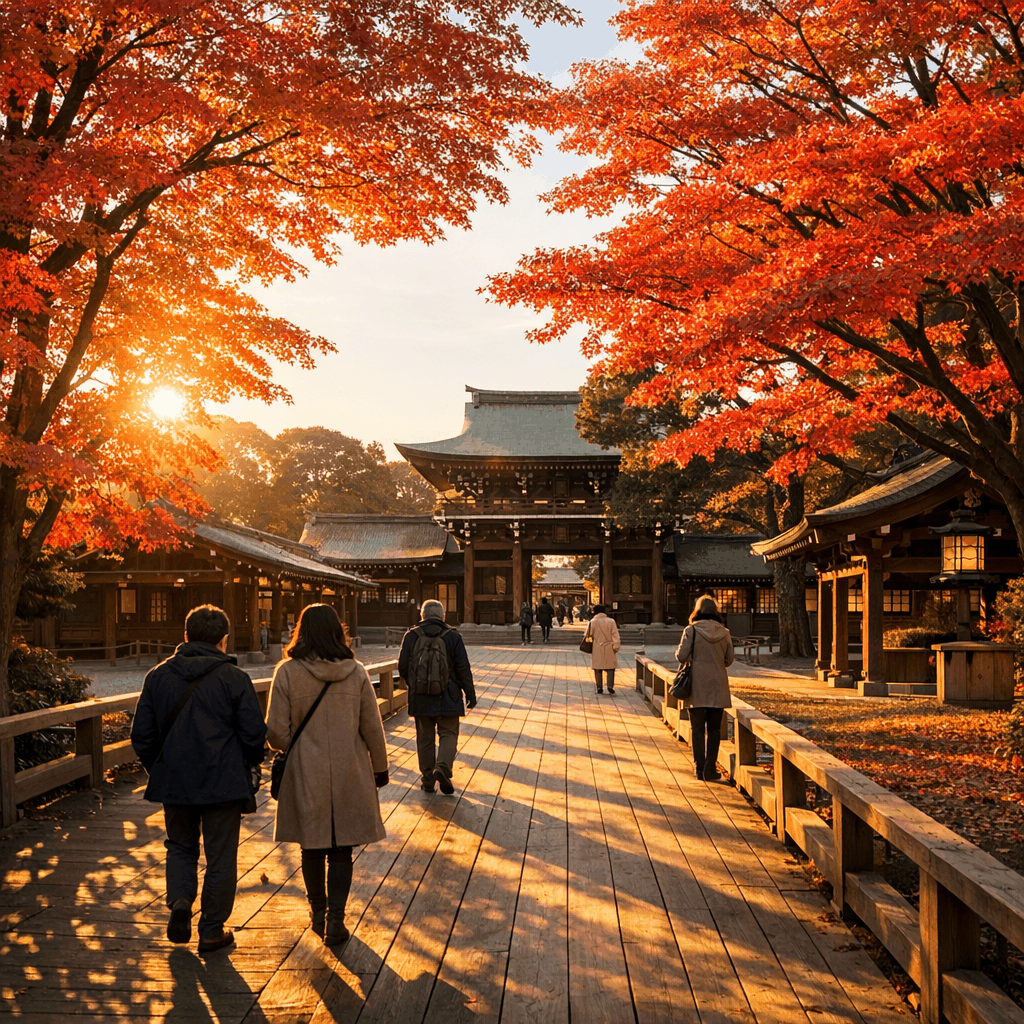
Seasonal attractions change crowd patterns: cherry blossom season (generally late March–early April in Tokyo) brings additional visitors to the shrine precincts and nearby Yoyogi Park, while autumn foliage (typically late November in Tokyo) draws extra photographers and weekend strollers [3][4]. If you want blossoms or fall colors with fewer people, aim for weekday mornings and be prepared for variable light under the tree canopy.
New Year (Hatsumode) is an exception: Meiji Jingu’s New Year period is extremely busy and often sees lines and temporary crowd-management measures. If you need to visit early in January, plan for long queues, limited parking and altered public-transport flows; otherwise schedule your shrine visit for other months [1][4].
Meiji Jingu hosts seasonal festivals, weddings and public rituals that can temporarily change visitor access and create short-term crowd spikes. Bridal processions and Shinto ceremonies are common sights around the shrine and can briefly pause visitor traffic — they’re culturally interesting but may interrupt a planned photo or a quiet path through the grounds [5].
Check the Meiji Jingu event calendar before your visit to avoid festival days if you want solitude, or plan to arrive early on those days if you wish to observe ceremonies with smaller crowds [1].
Follow these timing and access tips to maximize the quiet, cultural and photographic potential of Meiji Shrine in Tokyo: weekdays (especially mornings) are your best bet, with late weekday afternoons a useful second choice. Avoid weekends, national holidays and the Jan 1–3 Hatsumode period if your goal is a calm visit [1][3][4][5].
CallButler is a multilingual concierge service that handles research, coordination, and bookings so you do not have to navigate language barriers or unfamiliar systems alone. If you need help related to When is the best time to visit Meiji Shrine in Tokyo? or the tasks around it, our team can step in to manage the details and keep things moving smoothly.
Find English-friendly yakitori in Osaka after work by targeting Umeda, Namba, and Honmachi, plus booking sites and multilingual menus.
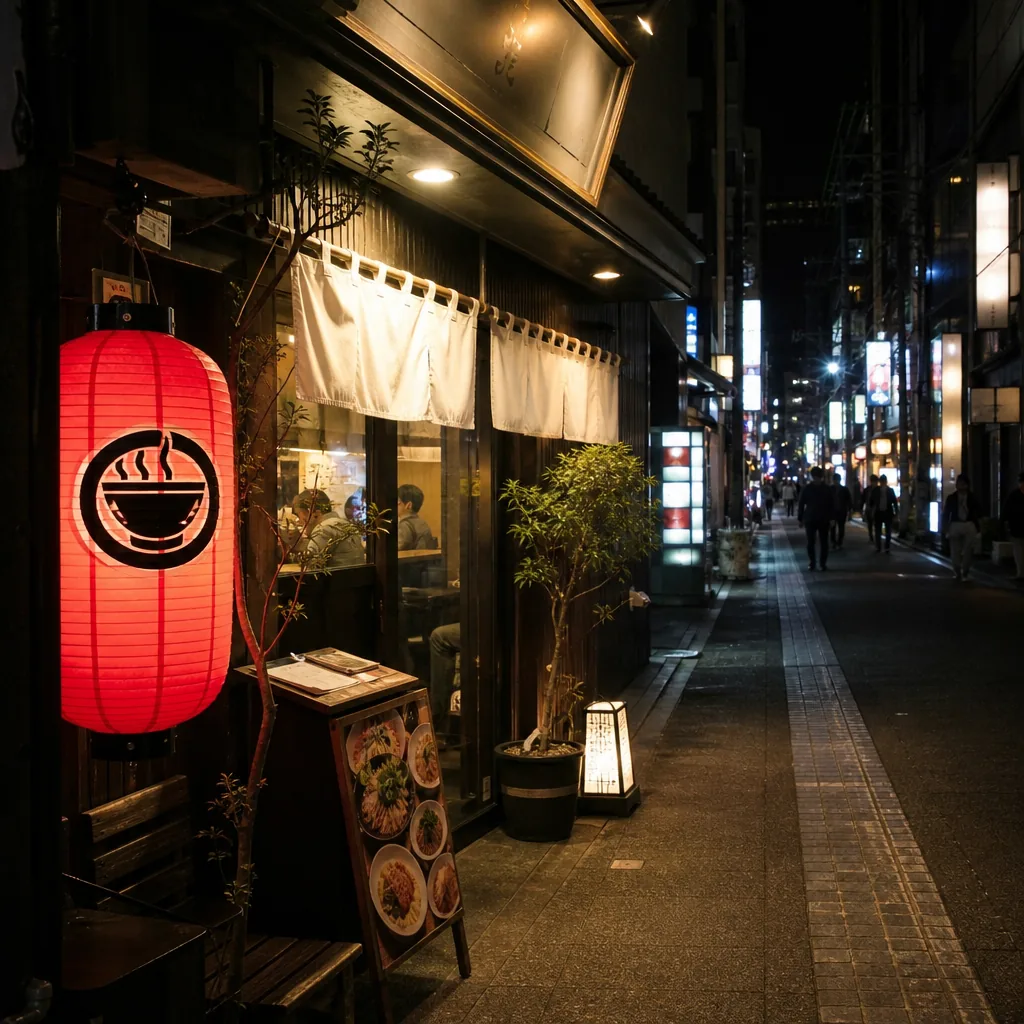
Looking for halal ramen in Kyoto after 10 p.m.? Here’s where to check, which areas are most practical, and how to verify hours and halal status.
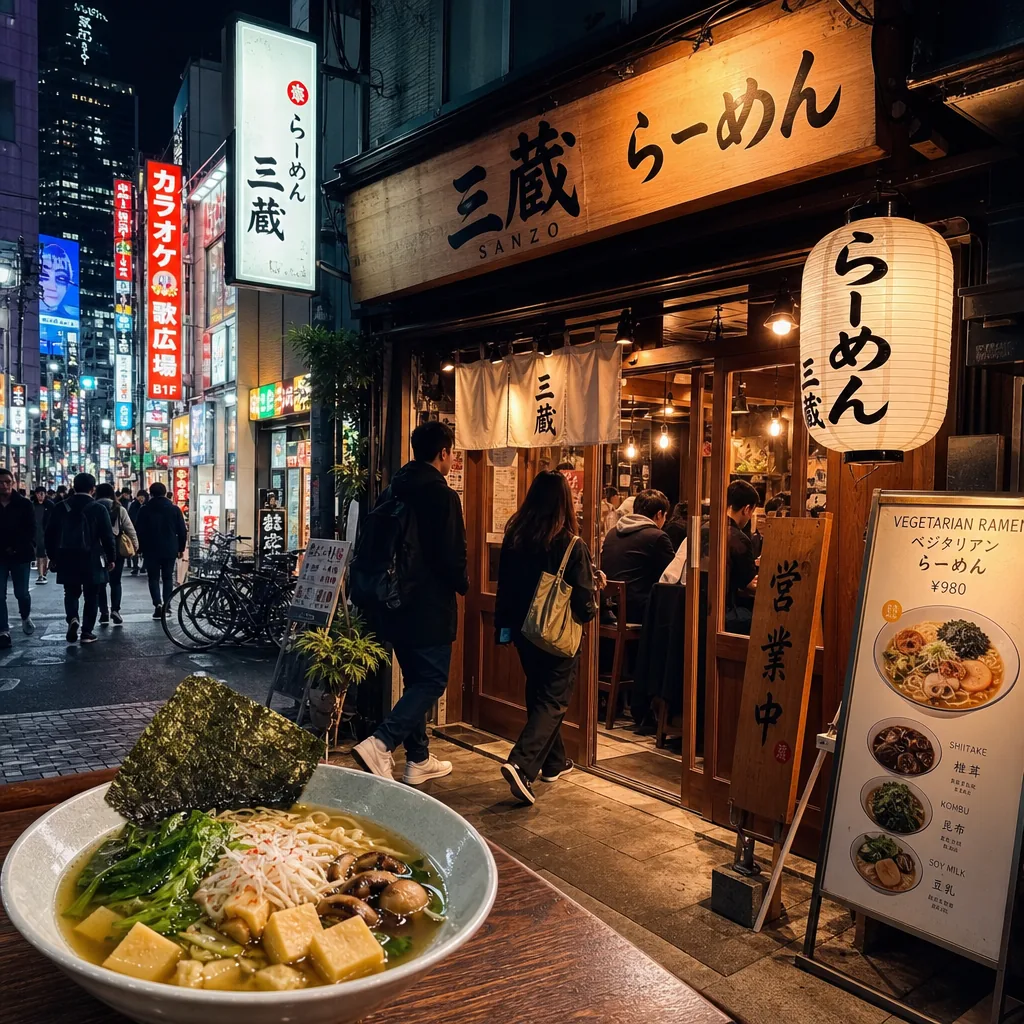
Find late-night vegetarian ramen in Tokyo by focusing on Shibuya, Shinjuku, and Roppongi, then verify broth, hours, and vegan menu details.