When is the best time to visit Kinkaku Ji in Kyoto?

Article overview: When is the best time to visit Kinkaku Ji…

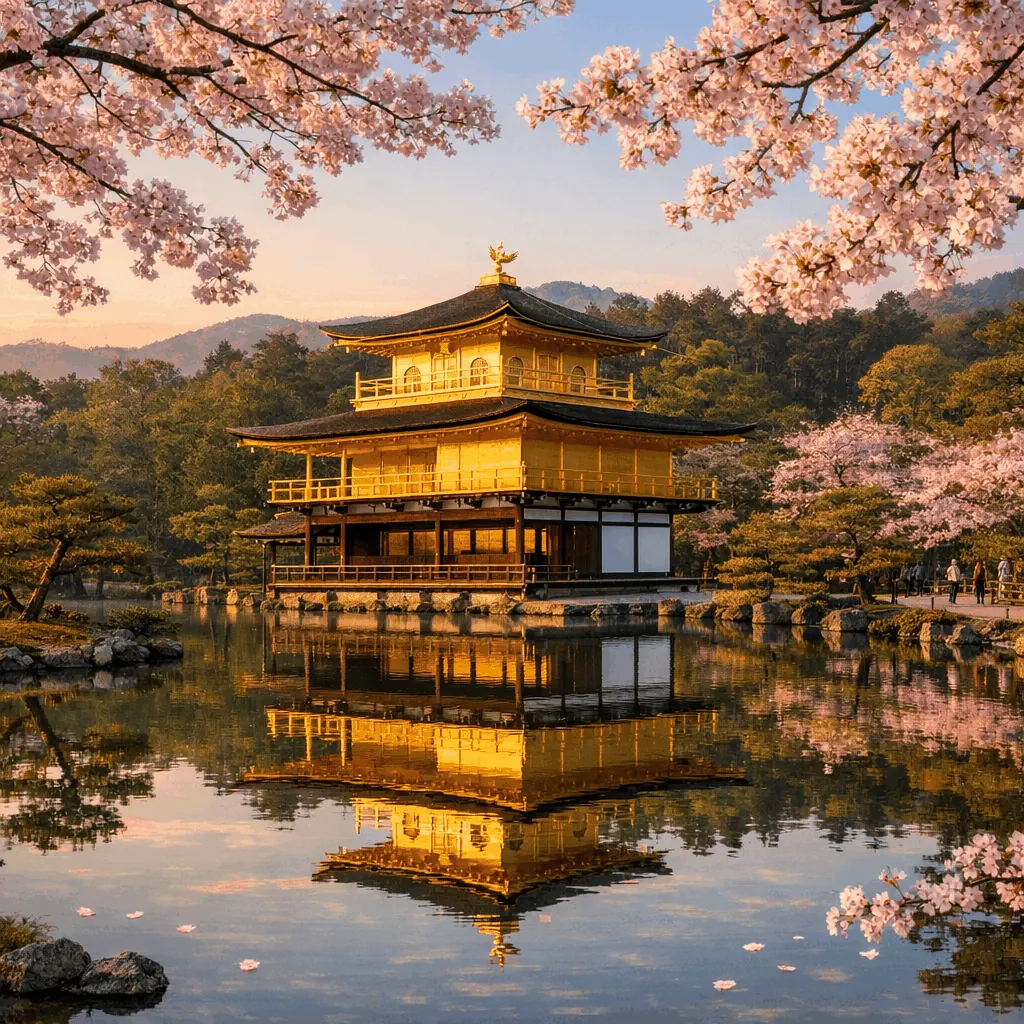
Kinkaku-ji (Golden Pavilion) reflected in Kyōko-chi pond under clear light

The best time to visit Kinkaku-ji (Rokuon-ji) is at opening on a weekday morning to avoid crowds and capture clean photos; seasonally, late March–early April (cherry blossom) and mid-November (autumn foliage) are the most dramatic, while winter snow (Dec–Feb) can produce the iconic gold-on-white scene [1][2]. Confirm current opening hours and fees before you go—Kinkaku-ji typically opens around 9:00 and charges about ¥400 admission [1][2].

Overview: What Kinkaku-ji is and visitor basics

Kinkaku-ji, the Golden Pavilion, is part of the Rokuon-ji temple complex and a UNESCO World Heritage component of the "Historic Monuments of Ancient Kyoto" [5]. The site is built around a central pond (Kyōko-chi) with a designed strolling path that directs visitors past staged viewpoints of the pavilion; because the main circuit is short, most people spend 30–60 minutes on a typical visit [2]. Official visitor information and maps are available from the Kyoto City tourism site and Kinkaku-ji’s entry on Japan Guide [1][2].

Seasonal highlights

Each season has a distinct visual appeal and trade-offs between scenery and crowd levels:
  • Spring: Late March to early April is best for cherry blossoms around the temple pond and surrounding gardens. This is one of the most-photographed times but also one of the busiest—plan to arrive at opening on a weekday to avoid the peak [1][2].
  • Summer: June–August includes the rainy season (tsuyu) in June–July and hot, humid weather in July–August; foliage is lush but lighting can be flat and many domestic travelers are on school break [4][2].
  • Autumn: Mid-November produces peak autumn color at Kinkaku-ji and nearby sites like Ryoan-ji and Ninna-ji, with striking reds and golds—expect heavy visitor numbers during this window [1][2].
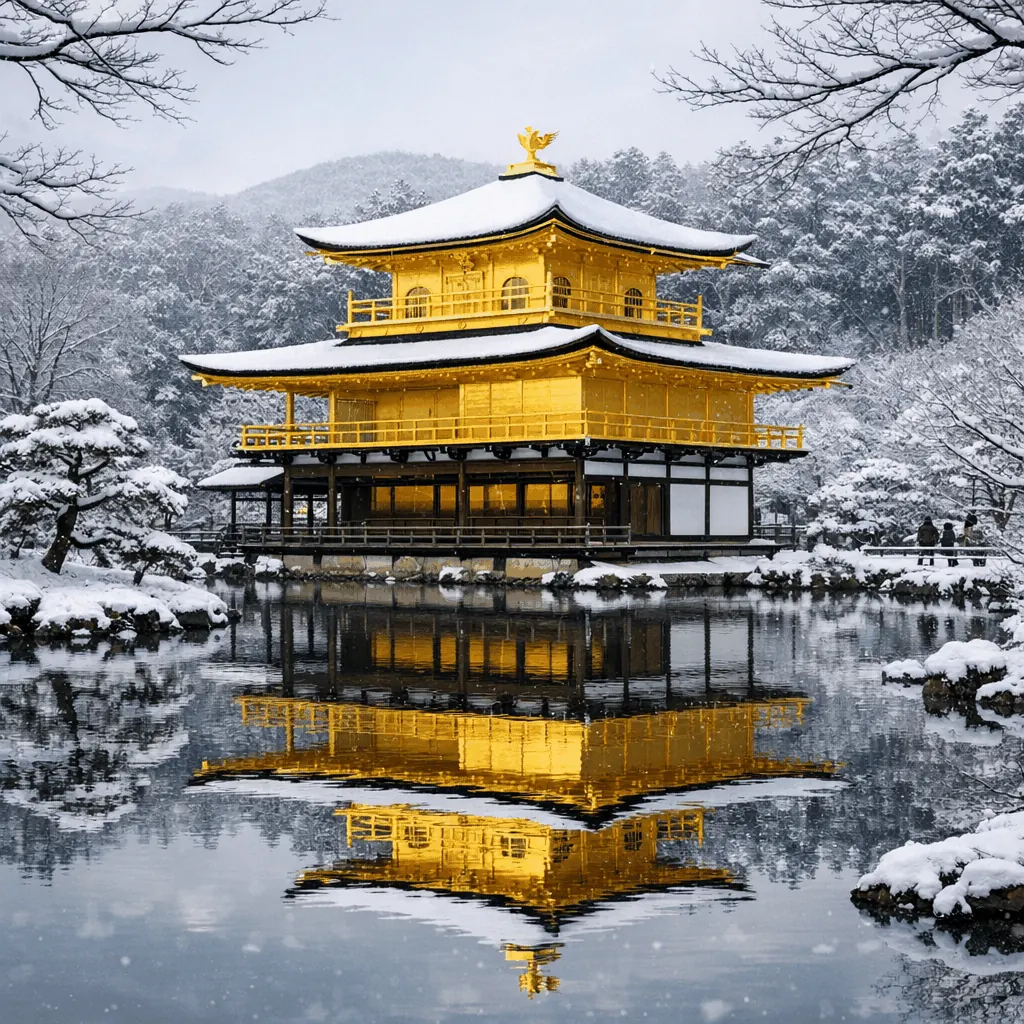
  • Winter: December–February has the fewest visitors; when snow falls (not guaranteed), the contrast of the gilt pavilion against white snow is iconic and highly prized by photographers [2][4].
Kinkaku-ji framed by autumn foliage along the main visitor path

Crowd patterns and peak periods to avoid

Kinkaku-ji attracts steady traffic year-round because of its world-heritage status. Expect the heaviest crowds during major domestic holidays: Golden Week (late April–early May), Obon (mid-August), and the New Year period (late December–early January) [3]. Weekends are busier than weekdays; late mornings through mid-afternoon are typically the busiest daily windows [1][2]. For the smallest crowds and best photographic opportunities, arrive right at opening on a weekday.

Weather and photography tips by season

Use seasonal weather patterns to plan lighting and comfort:

  • Spring (late Mar–early Apr): Mornings often offer soft light on blossom-lined viewpoints—openings through 10:00 are best before tour groups arrive [2].
  • Summer (Jun–Aug): Expect humid conditions and intermittent rain; bring a lightweight rain jacket and plan shade breaks. Early morning still gives the clearest shots before haze increases [4].
  • Autumn (mid-Nov): Aim for the first hour after opening or the last hour before closing for warm low-angle light and fewer crowds; try the north-side viewpoint for broad reflections [1][2].
  • Winter (Dec–Feb): Snow is rare but possible—check JMA forecasts and local Kyoto tourism notices; a snow morning before the sun melts the snow yields the classic gold-on-white image [4].

Best visiting windows by traveler type

  1. Day-trippers with morning flexibility: Arrive at opening (typically ~9:00) on a weekday, spend 30–60 minutes, then walk or bus to nearby Ryoan-ji or Ninna-ji to avoid mid-day crowds at each site [1][2].
  2. Photographers seeking dramatic color: Target mid-November for foliage or a confirmed snow morning in Dec–Feb; plan for multiple mornings in Kyoto to increase the chance of ideal conditions and consult JMA forecasts [4].
  3. Travelers avoiding crowds and heat: Visit in winter on weekdays for the calmest experience; if you must travel in peak blossom/autumn, prioritize the earliest opening time slot and purchase tickets promptly on arrival [2].

Practical tips: hours, admission, access and pacing

Key practical facts and planning tips:

  • Hours and fee: Kinkaku-ji’s public visiting hours are commonly listed as 9:00–17:00 and the standard admission fee is about ¥400—always check the official Kyoto tourism page or the Japan Guide entry before you go for updates [1][2].
  • Access: Kinkaku-ji is in northern Kyoto (Kita-ku). It is commonly reached by Kyoto City Bus from central Kyoto (routes such as 101/205 serve the area); travel times vary by origin—confirm schedules on the day [2].
  • Pacing and nearby sites: Because the main circuit is short (30–60 minutes typical), combine an early Kinkaku-ji visit with nearby Ryoan-ji (famous rock garden) and Ninna-ji (Omuro-style temple and gardens) to use the cooler, less-crowded morning hours efficiently [1][2].
  • Holiday planning: Avoid Golden Week, Obon, and New Year if you want fewer crowds; when travel dates fall within those ranges, consider very early starts or reserve alternative days [3].
  • Stay informed: Refer to Kyoto Official Travel Guide and Japan Guide for on-the-ground notices (temporary closures, event days) and check the Japan Meteorological Agency for weather and snowfall forecasts when planning winter visits [1][2][4].

In short: for the quietest, cleanest views of Kinkaku-ji, go at opening on a weekday; for the best seasonal drama, aim for late March–early April (cherry blossom) or mid-November (autumn), and plan winter mornings if you hope for snow—always confirm hours, fees, and local advisories before travel [1][2][3][4][5].

How CallButler Can Help

CallButler is a multilingual concierge service that handles research, coordination, and bookings so you do not have to navigate language barriers or unfamiliar systems alone. If you need help related to When is the best time to visit Kinkaku Ji in Kyoto? or the tasks around it, our team can step in to manage the details and keep things moving smoothly.

Sources

  1. Kinkaku-ji (Rokuon-ji) — Kyoto Official Travel Guide
  2. Kinkaku-ji (Golden Pavilion) — Japan Guide
  3. Kyoto — Japan National Tourism Organization (JNTO)
  4. Japan Meteorological Agency (JMA) — Japan Weather and Climate (English)
  5. Historic Monuments of Ancient Kyoto (UNESCO World Heritage List)