
Can a concierge find gluten free restaurants in Tokyo?
Tokyo concierges can find gluten‑free restaurants using Tabelog, Gluten Free Japan, and MHLW allergen rules. Success depends on clear communication and celiac r
Read Article
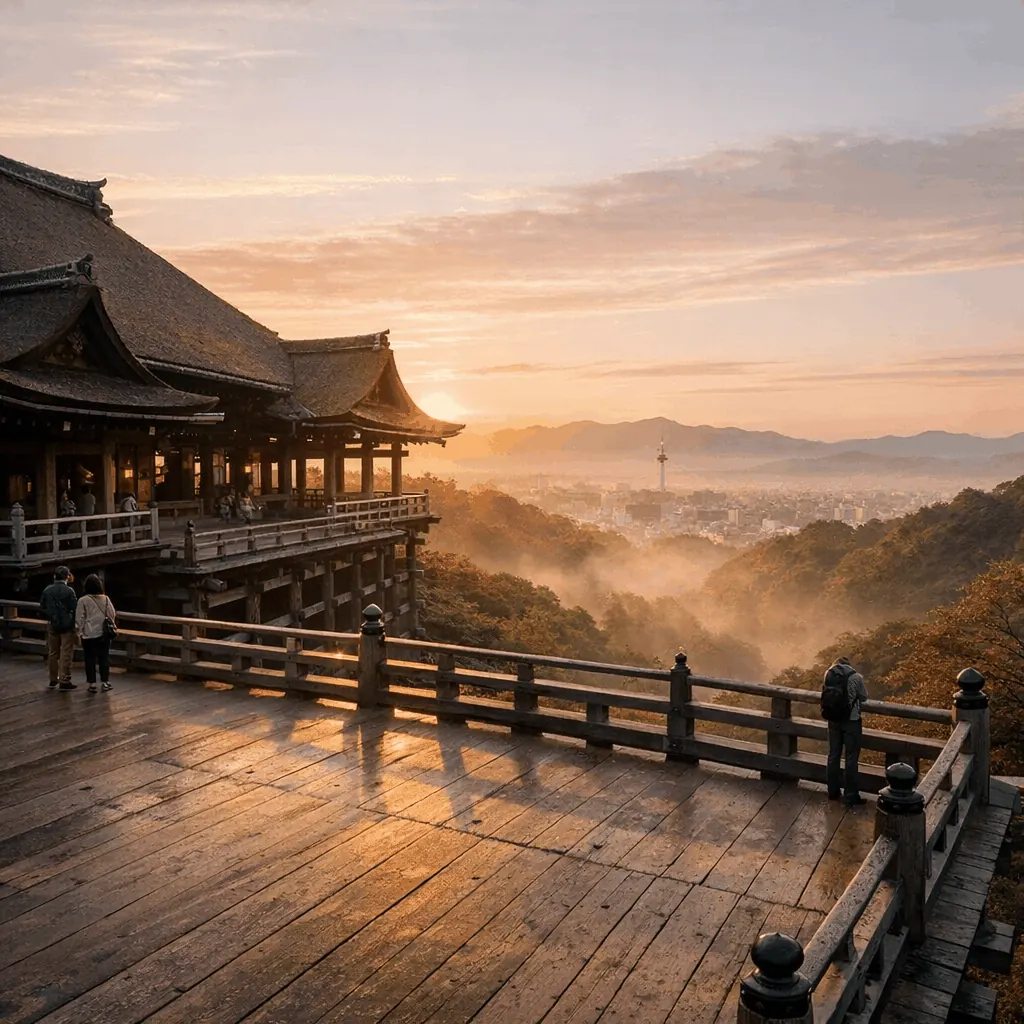
Go early and go on a weekday: arrive at Kiyomizu-dera around opening (roughly 6:00–8:00) to experience the wooden stage and hillside views with the fewest people. Primary access is by Kyoto City Bus (100 or 206) to Gojo-zaka/Kiyomizu-michi or by Keihan Railway to Kiyomizu-Gojo Station, each followed by a 10–20 minute uphill walk [1][3].
Kiyomizu-dera typically opens around 6:00 and closes around 18:00, though hours vary by season and for special events. The temple runs extended-night openings and illuminations in spring and autumn: these special hours are announced on the official site, so check before you go [1]. Kiyomizu-dera is also part of the Historic Monuments of Ancient Kyoto (a UNESCO World Heritage site), and those seasonal programs draw especially large evening crowds [4].
For the clearest, calmest experience, arrive right at opening. Between roughly 6:00 and 8:00 on a weekday you will see far fewer visitors on the famous wooden stage and along the main approach. By mid-morning the site fills quickly, and mid-day to late afternoon are the busiest times. If you want illuminated night views during spring or autumn, plan for an evening visit but expect heavy queues; arrive earlier than the illumination start time or combine an early daytime visit with an evening return [1][3].
There are three practical ways to reach Kiyomizu-dera depending on where you start in Kyoto:
Choose your approach based on pace and scenery:
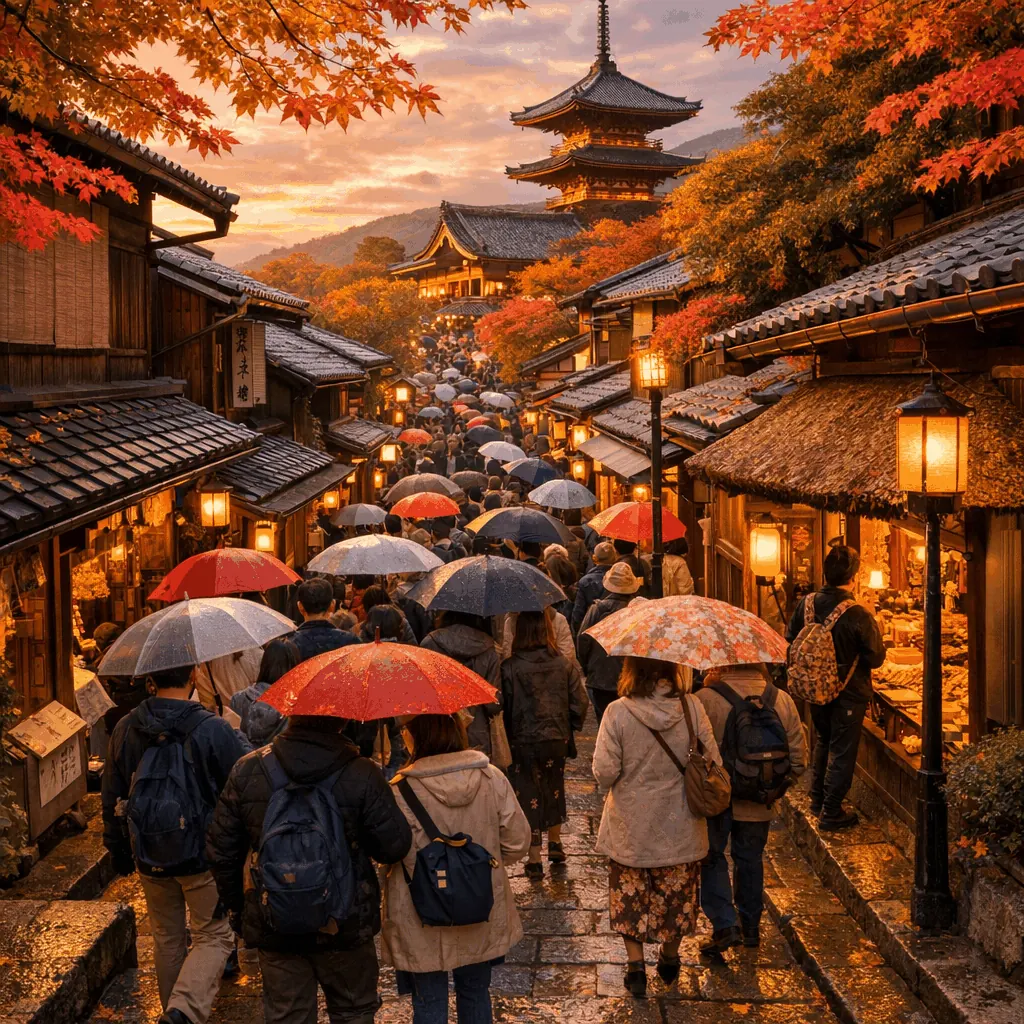
Weekdays in the early morning are consistently the least crowded times. Weekends, national holidays, and Golden Week bring heavy local and international crowds. The two predictable peak seasons are cherry blossom season (late March–April) and autumn foliage (mid-November); during these windows the approaches, stairways and the wooden stage can be extremely congested and walking times lengthen considerably [3].
Kiyomizu-dera schedules special night illuminations in spring (cherry blossom) and autumn (foliage) when the temple grounds stay open later and the buildings and trees are lit for viewing. These events are popular and bring large crowds; if you prefer an illuminated photograph without long lines, consider arriving before dusk and then staying through the opening, or attend a weekday illumination night and expect heavy traffic nonetheless. Always confirm dates and hours on the official site before travel [1].
In short: for the clearest experience at Kiyomizu-dera in Kyoto, go at opening (roughly 6:00–8:00) on a weekday and use the Gojo-zaka or Sannenzaka approaches depending on whether you prefer the shortest route (from the 100/206 bus or Kiyomizu-Gojo Station) or the more atmospheric walk through traditional lanes [1][3][4]. Always verify seasonal hours and illumination dates on the official site before you go [1].
CallButler is a multilingual concierge service that handles research, coordination, and bookings so you do not have to navigate language barriers or unfamiliar systems alone. If you need help related to What's the best route and timing to visit Kiyomizu-dera in Kyoto? or the tasks around it, our team can step in to manage the details and keep things moving smoothly.
Tokyo concierges can find gluten‑free restaurants using Tabelog, Gluten Free Japan, and MHLW allergen rules. Success depends on clear communication and celiac r
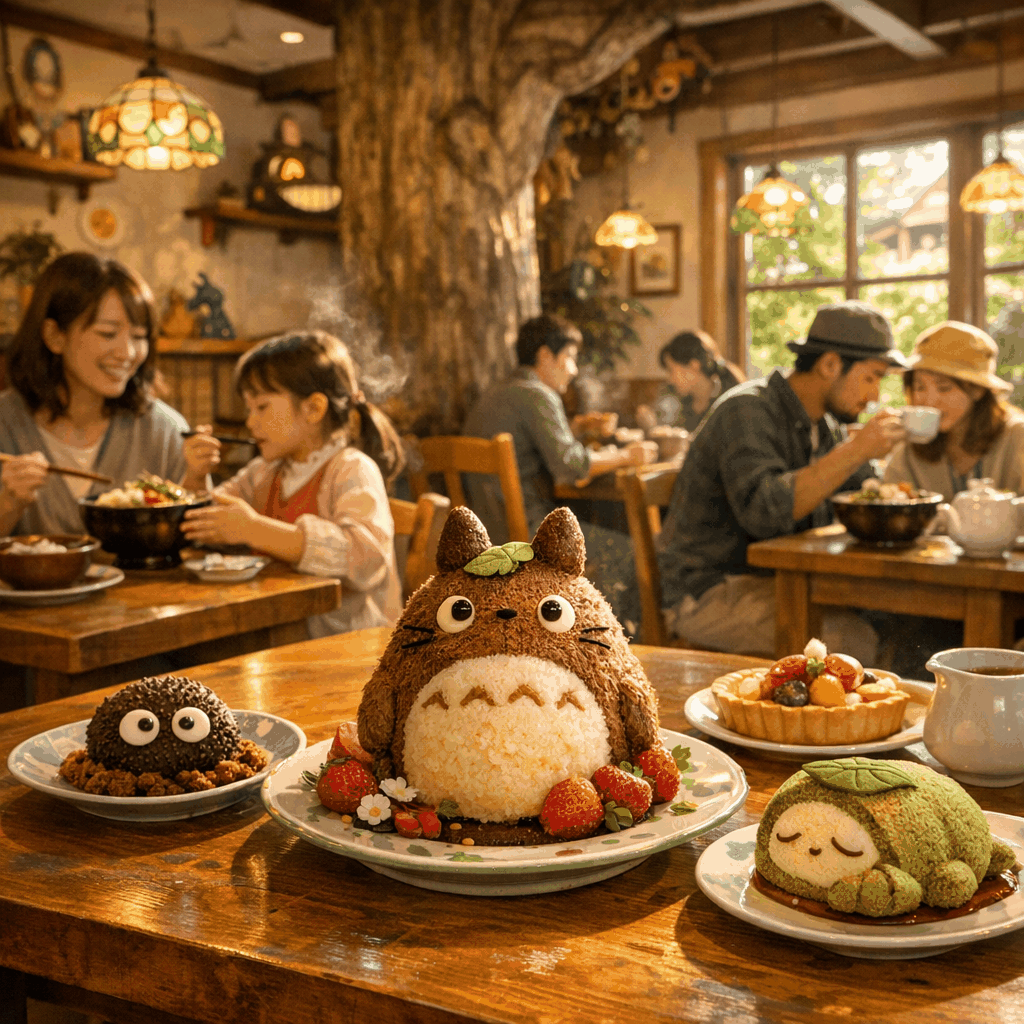
A practical guide to food options inside Studio Ghibli Park near Nagoya: where to eat by area, what to expect, dietary notes, payment, and nearby Nagoya alterna
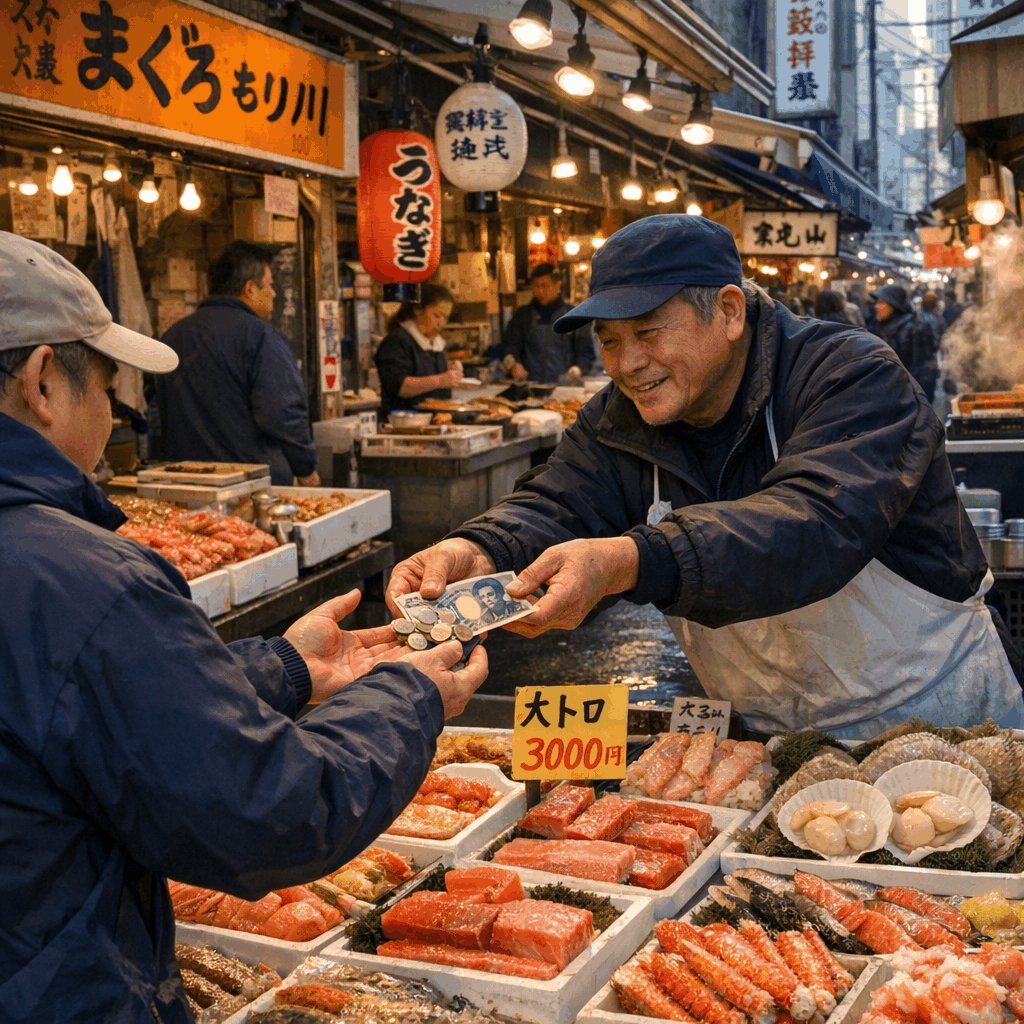
Cash is still the norm at Tokyo's Tsukiji Outer Market; some sushi restaurants and shops accept cards, Suica/Pasmo or PayPay. Bring small yen and use 7‑Eleven A