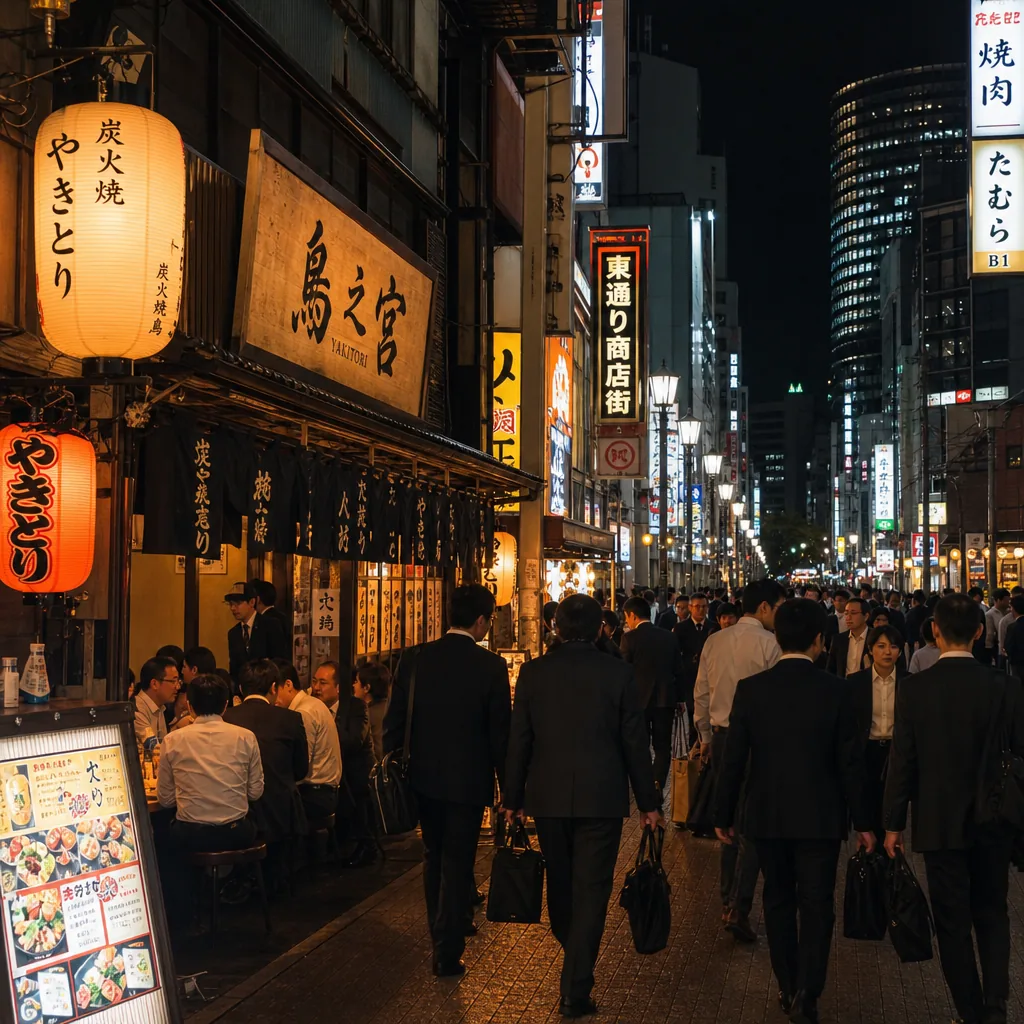
Where can I find english-friendly yakitori in Osaka after work?
Find English-friendly yakitori in Osaka after work by targeting Umeda, Namba, and Honmachi, plus booking sites and multilingual menus.
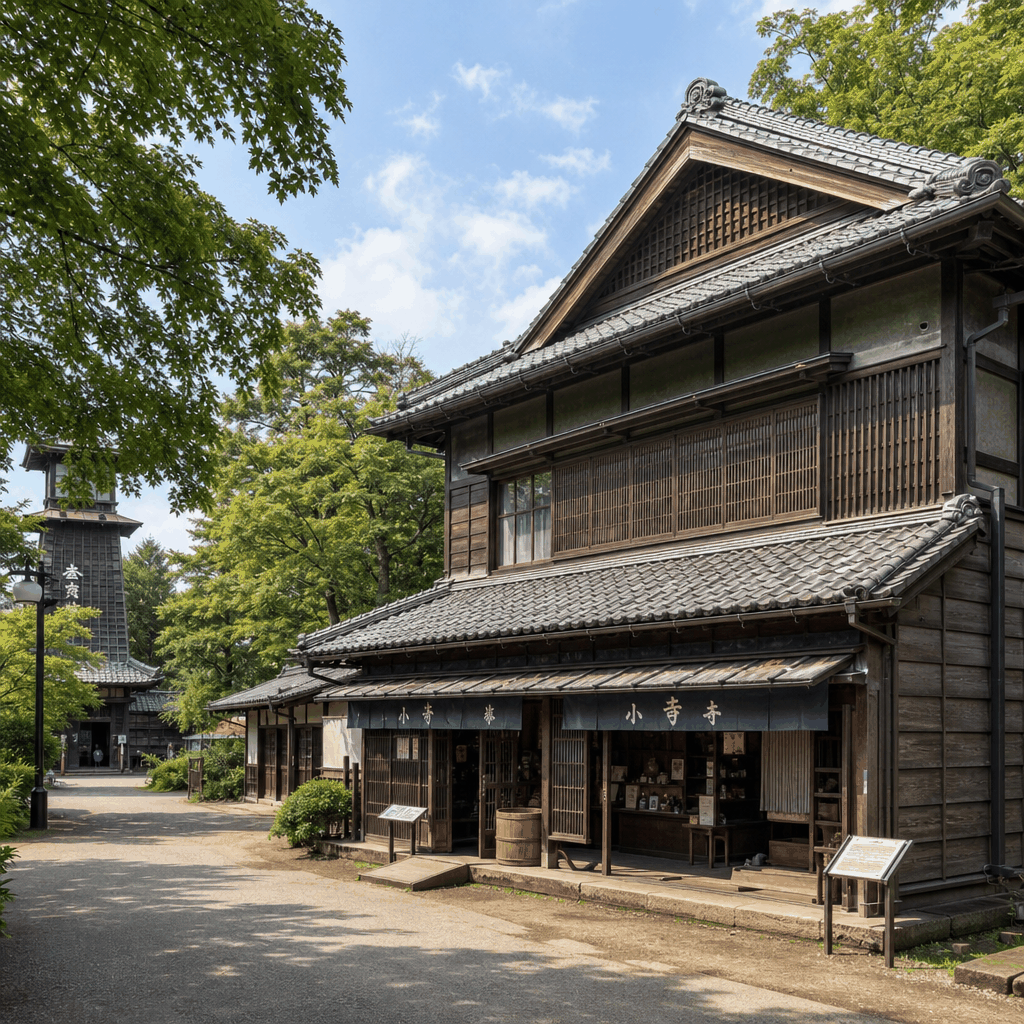
The Edo-Tokyo Open Air Architectural Museum is one of the best places in Tokyo to see how the city’s everyday architecture changed from the late Edo period through the Showa era. Yes—you should prioritize it if you want a concentrated look at old Tokyo life, because the museum preserves relocated buildings that could not stay at their original sites and lets you walk through them in a single open-air park in Koganei, western Tokyo [1][2].
Unlike a conventional indoor museum, this site is a landscape of preserved buildings. The official museum explains that it collects and exhibits historic structures from Tokyo so they can be experienced in context, rather than as isolated artifacts [1]. That makes it especially useful for understanding how Tokyo’s streets, homes, and public spaces evolved across the Edo, Meiji, Taisho, and Showa periods [1][3].
If you are interested in urban history, this is not just a list of old houses. It is a practical, walkable lesson in how Tokyo grew from wooden merchant districts to early modern neighborhoods and then to 20th-century architecture. Tokyo tourism guidance also recommends allowing several hours, which is realistic if you want to see more than the headline buildings [2].
The strongest part of the museum is how ordinary life is represented. Begin with the traditional farmhouse, merchant houses, and neighborhood structures, because these buildings show how people actually lived, shopped, and bathed in old Tokyo [1][4]. The open-air layout makes it easy to compare building types side by side, which is exactly why the museum is so effective for first-time visitors [1].
One of the clearest examples is the public bathhouse, which helps explain a basic part of urban life in prewar Tokyo. The museum also preserves a townscape of small shops and residential buildings, so you can move from domestic spaces to commercial spaces without leaving the grounds [1][4]. For a city as large and fast-changing as Tokyo, that kind of comparison is rare.
If you only have time for a few buildings, focus on the structures that best show different social classes and time periods. The museum’s relocated merchant houses and early modern residences are especially valuable because they reveal how architecture changed as Tokyo modernized [1][2]. A farmhouse also adds a rural contrast, reminding visitors that not all “Tokyo history” looks like dense city blocks [1].
Inside these buildings, look closely at the materials, room layouts, and thresholds between inside and outside. Even without a guide, the differences are easy to see: narrow front spaces for business, tatami rooms for family life, and simpler plans in older houses [1]. That is the museum’s main strength—it helps you understand form through direct observation.
Many visitors come for Edo-period atmosphere, but the museum also includes notable 20th-century buildings and works associated with prominent Japanese designers and architects [1][2]. That matters because Tokyo’s architectural story did not stop with historic wooden buildings. The collection shows how modern materials, new functions, and changing lifestyles entered the city in the Meiji, Taisho, and Showa eras [1][3].
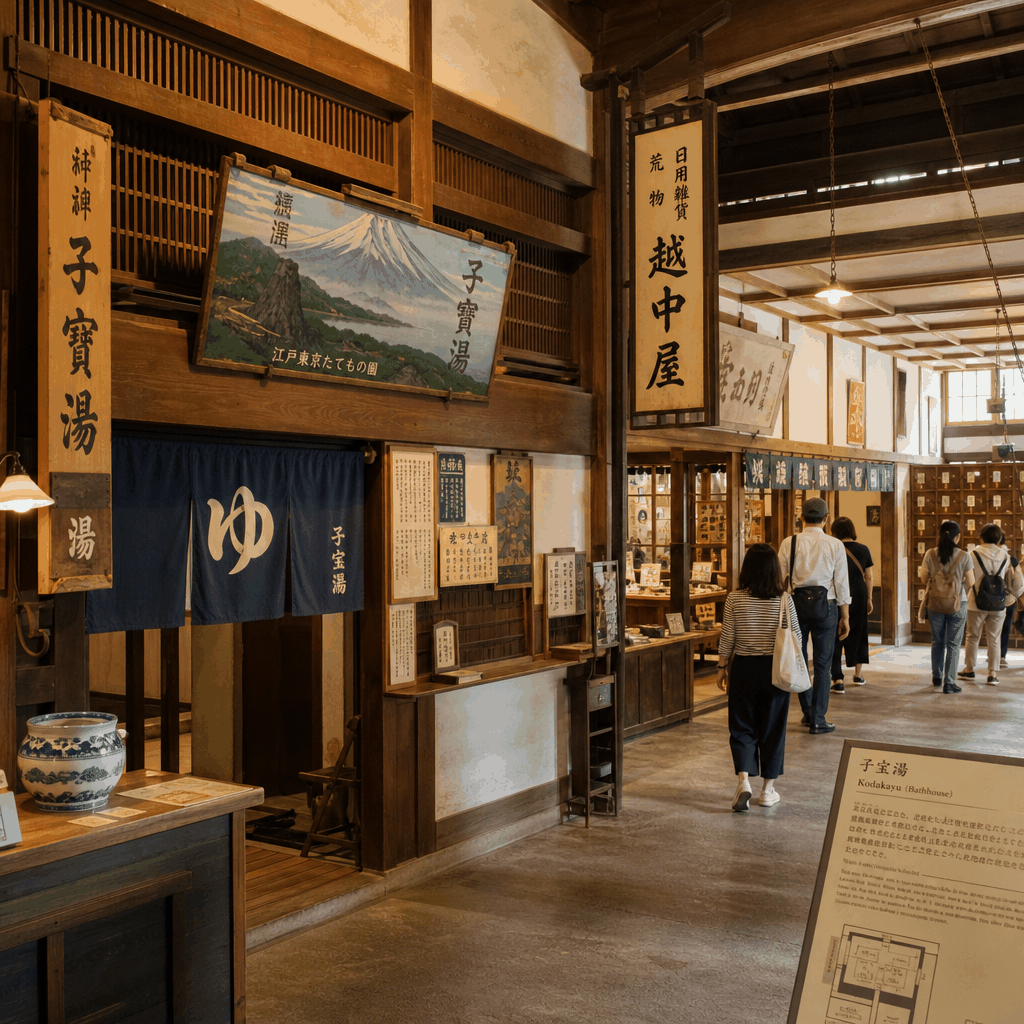
This is where the museum becomes more than nostalgic. You can see how Tokyo moved toward modern urban life while still retaining traces of earlier building traditions. For architecture fans, that mix is one of the biggest reasons to visit [1][2].
Tokyo Metropolitan and tourism sources both indicate that the museum should be explored at a relaxed pace, so plan for at least half a day if possible [2][5]. Because the buildings are spread across an open site, rushing through will make it harder to notice the details that distinguish one era from another [1].
A practical approach is to divide your visit into three parts:
If you like taking photos, the museum works well because the buildings are not crowded into a single indoor hall. The open setting also gives you space to read signs, step back, and compare details without feeling rushed [1].
The museum is in Koganei, in western Tokyo, which means it is not part of the central sightseeing circuit—but that is also part of its appeal [1][4]. It gives you a quieter, more immersive look at Tokyo history than you would get in a busy downtown district. For visitors who already know the city’s modern skyline, the museum fills in the missing story of how Tokyo looked and functioned before high-rises and dense transit hubs dominated the landscape.
Named places and highlights worth prioritizing include the Edo-Tokyo Open Air Architectural Museum itself, the traditional farmhouse area, the public bathhouse, and the townscape of small shops and neighborhood buildings [1][2][4]. Together they make the museum a strong, concrete introduction to Tokyo’s architectural memory. If your goal is to understand the city beyond its modern image, this is one of the most useful stops you can make.
CallButler is a multilingual concierge service that handles research, coordination, and bookings so you do not have to navigate language barriers or unfamiliar systems alone. If you need help related to What should I see at Edo-Tokyo Open Air Museum in Tokyo? or the tasks around it, our team can step in to manage the details and keep things moving smoothly.
Find English-friendly yakitori in Osaka after work by targeting Umeda, Namba, and Honmachi, plus booking sites and multilingual menus.
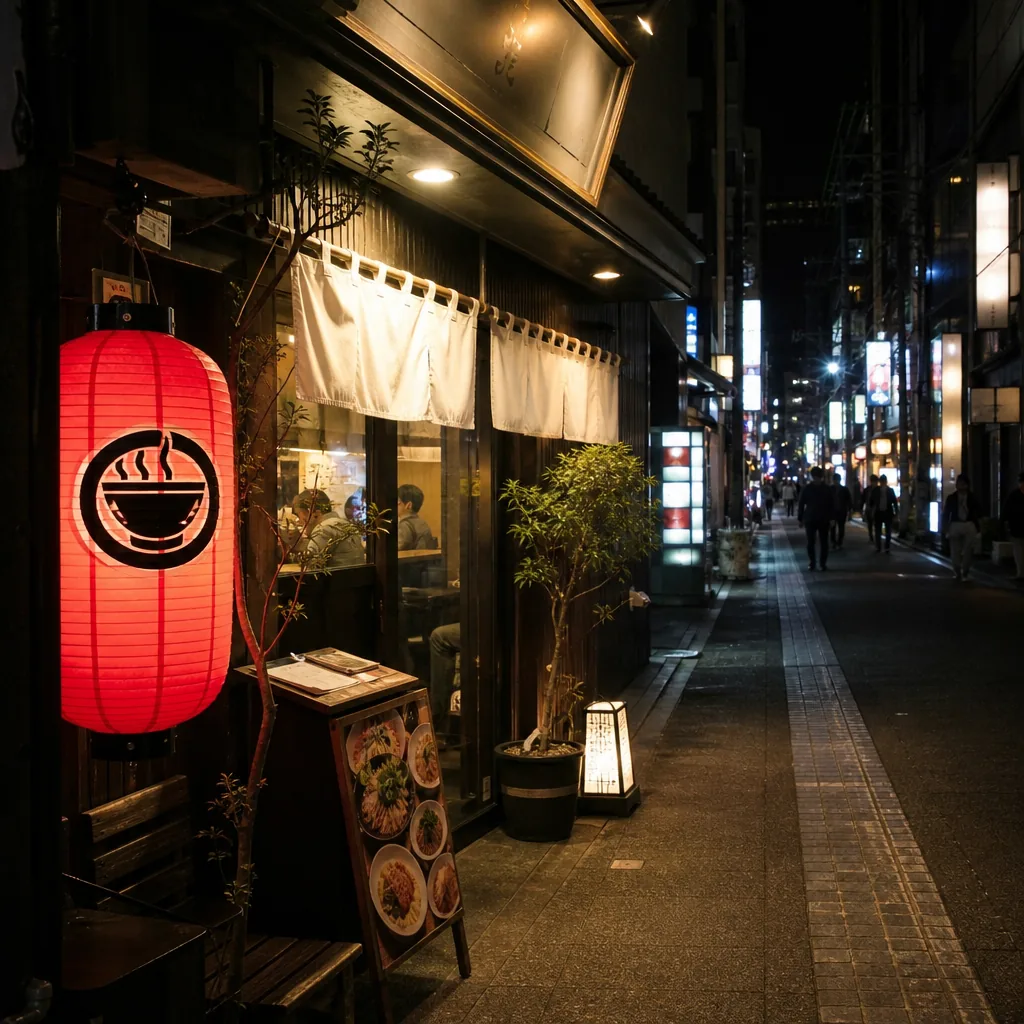
Looking for halal ramen in Kyoto after 10 p.m.? Here’s where to check, which areas are most practical, and how to verify hours and halal status.
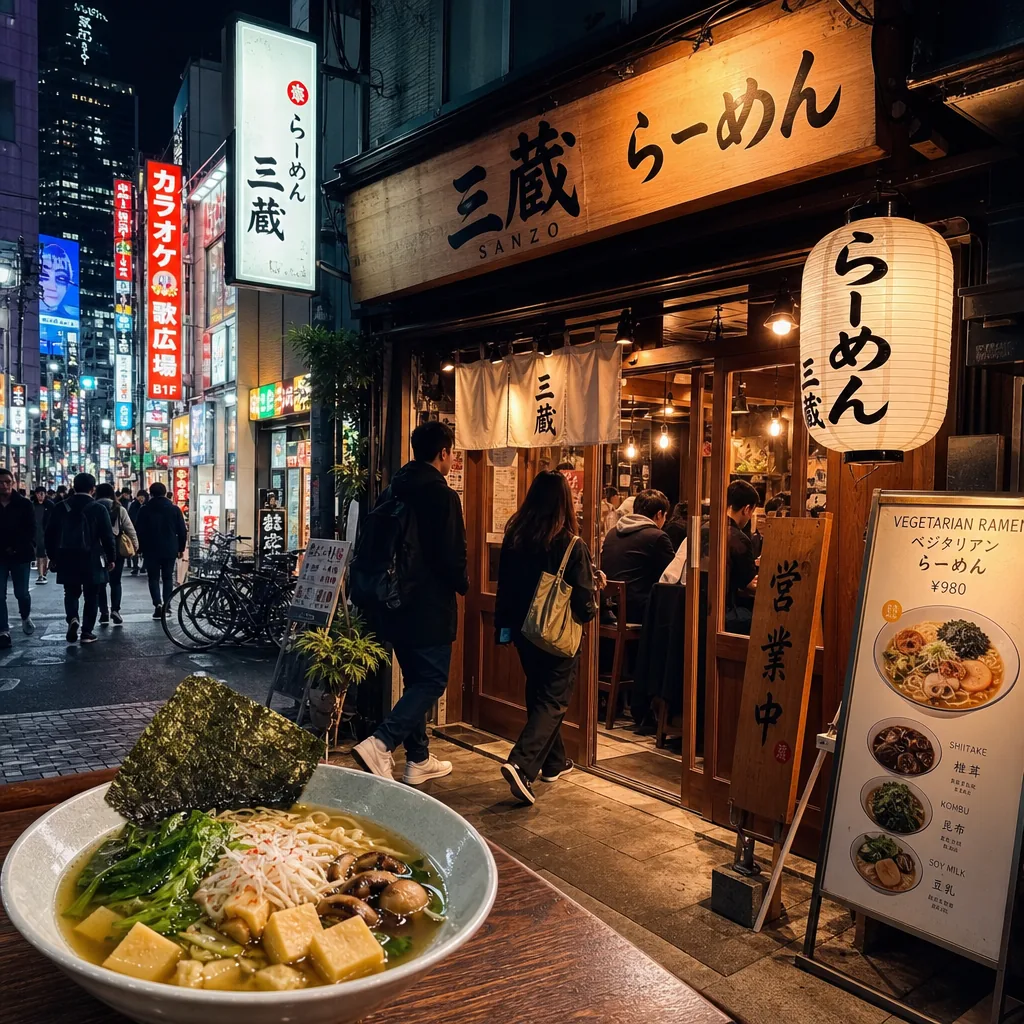
Find late-night vegetarian ramen in Tokyo by focusing on Shibuya, Shinjuku, and Roppongi, then verify broth, hours, and vegan menu details.