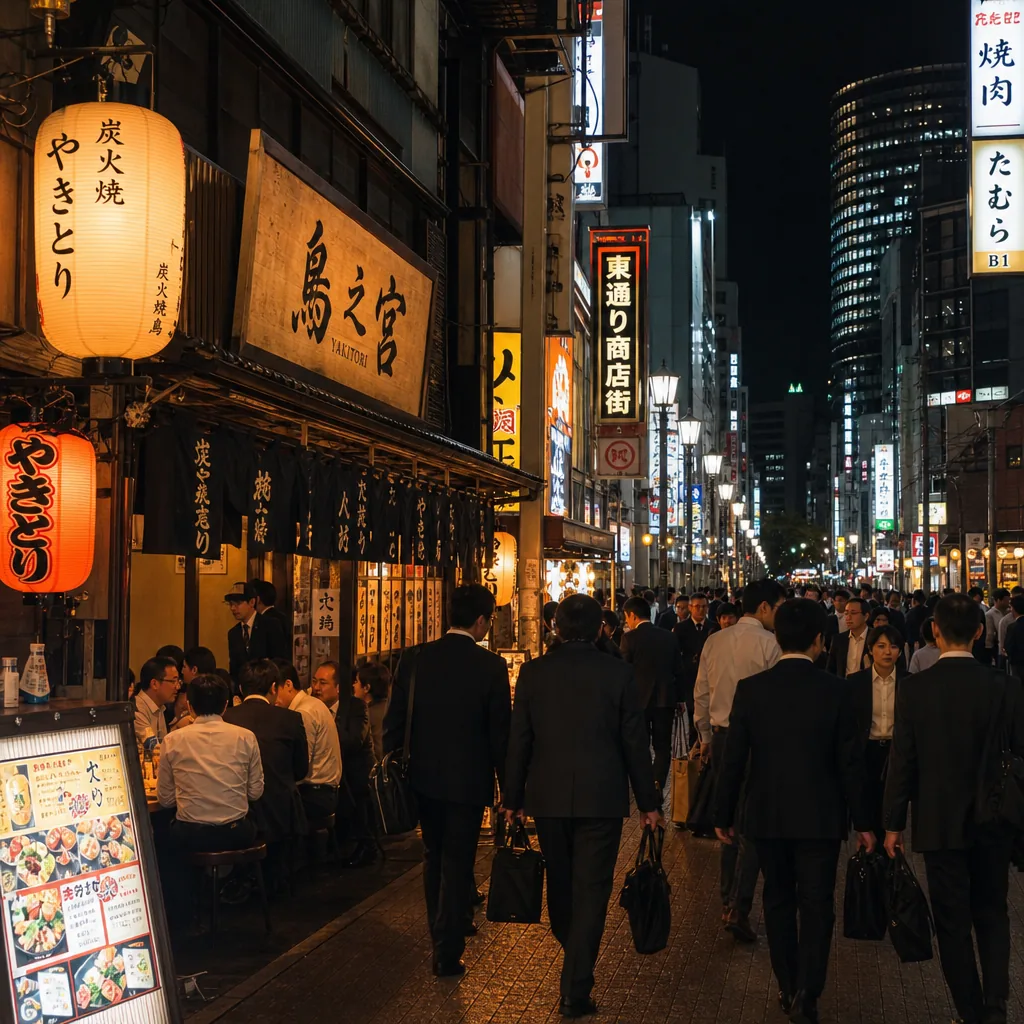
Where can I find english-friendly yakitori in Osaka after work?
Find English-friendly yakitori in Osaka after work by targeting Umeda, Namba, and Honmachi, plus booking sites and multilingual menus.
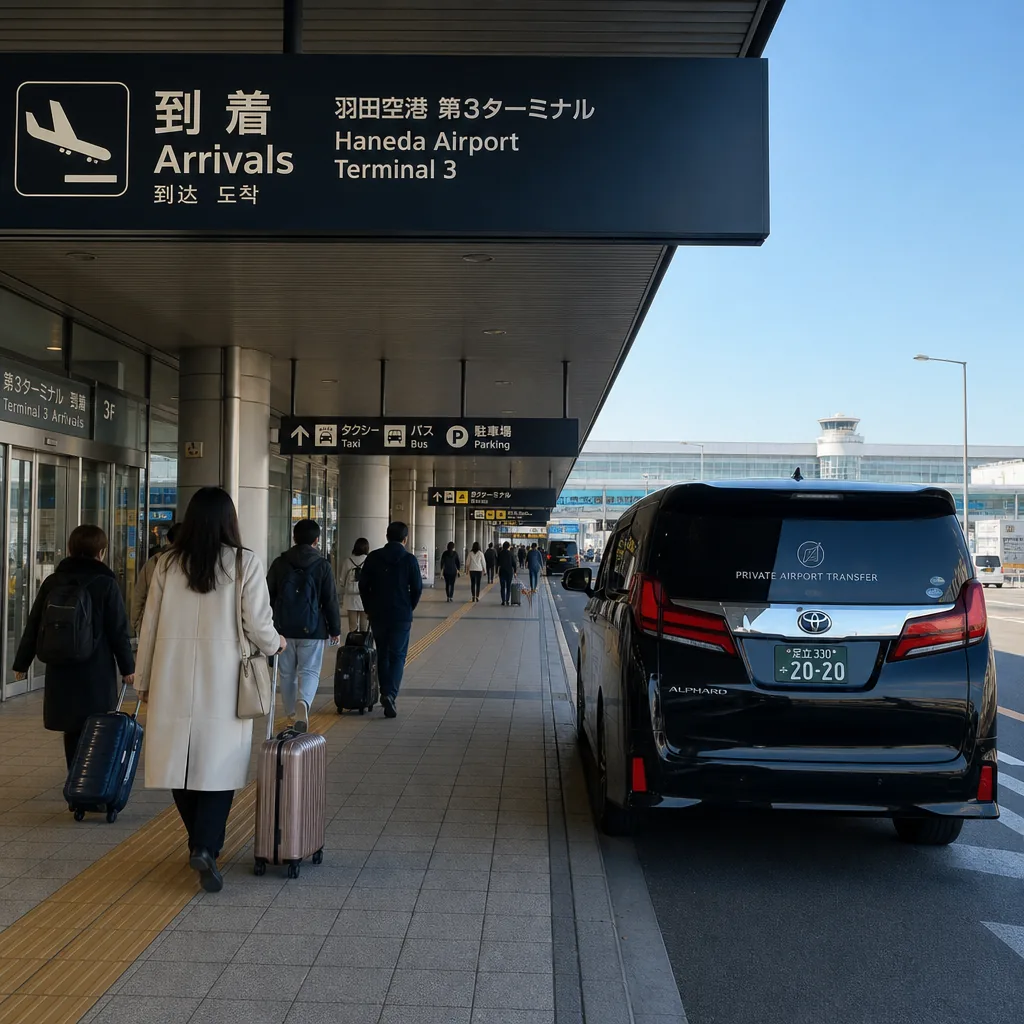
The best Tokyo airport transfer depends on which airport you land at, where in the city you are staying, and how much luggage you have. In most cases, Haneda is the easier and faster airport for central Tokyo, while Narita usually means a longer, costlier ride into the city [1][2].
Tokyo has two major airports for international travelers, and they are not interchangeable. Haneda Airport is much closer to central Tokyo, which often makes transfer time shorter and reduces the need for an expensive long-haul ride across the city [1][4]. Narita International Airport is farther away, so even a simple transfer to downtown usually takes more planning and more budget [2][5].
If you are staying in neighborhoods such as Shinjuku, Shibuya, or Tokyo Station, the difference is practical, not theoretical: a Haneda arrival can be straightforward by train, while a Narita arrival may justify a bus or private car if you do not want to manage multiple rail changes with bags [4][5].
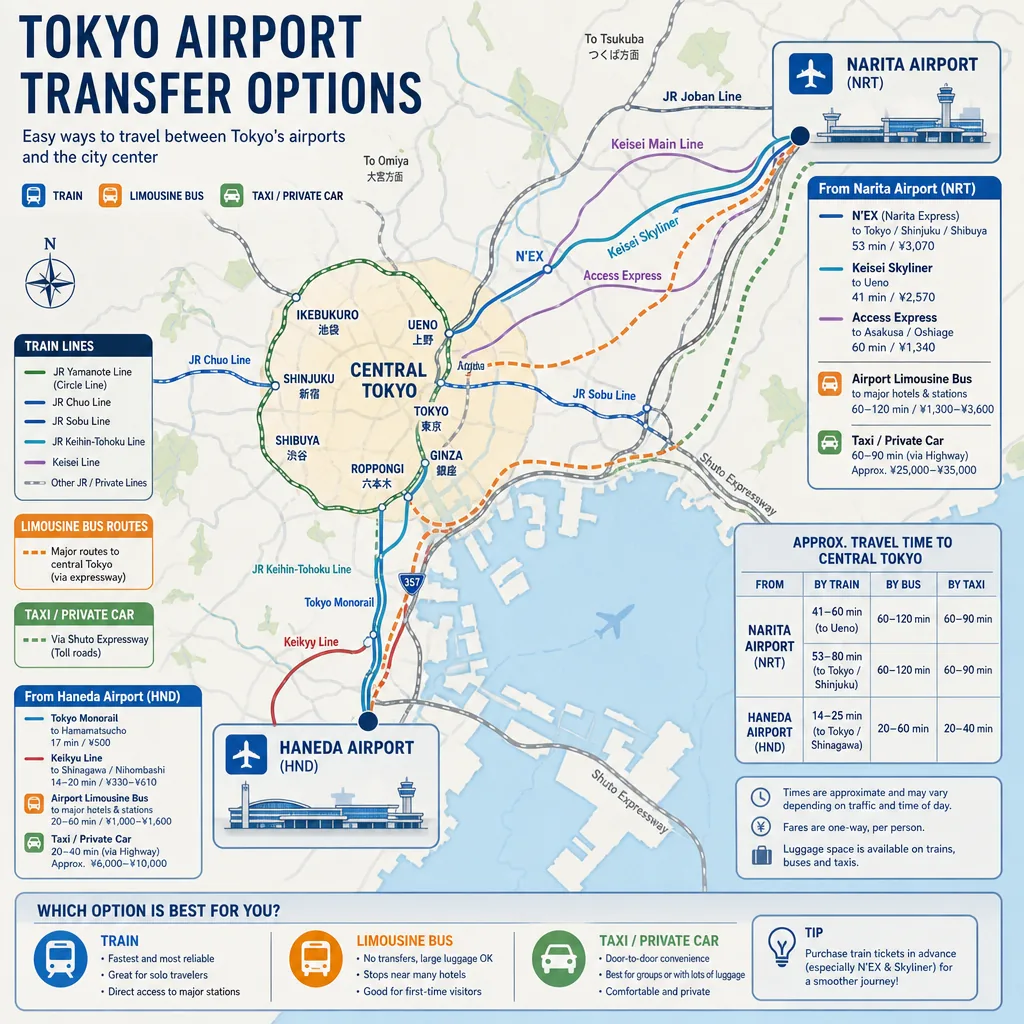
Tokyo’s airport transfer options fall into four main buckets: train, airport limousine bus, taxi, and private transfer. The best choice depends on whether speed, convenience, or luggage handling matters most [1][2][3].
For many travelers, the train is the most efficient daytime option, but it is not always the most comfortable. If you are arriving jet-lagged, traveling with ski bags or multiple suitcases, or landing after the last easy rail connection, the convenience of a bus or pre-booked car can outweigh a slightly lower fare [4][5].
Large bags change the value of every transfer choice. Trains can be efficient, but they require you to move luggage through stations, ticket gates, and transfers, which can be tiring at busy hubs like Tokyo Station or Shinjuku Station [4].
The Airport Limousine Bus is often more appealing if you are staying at a hotel that has a direct stop, because you can keep bags with you instead of carrying them through a rail network [3]. This is especially helpful for families or small groups where paying for a bigger vehicle may be less stressful than splitting up on different train cars.
Private cars and taxis also become easier to justify as group size rises. If several passengers would each pay a train or bus fare plus a local taxi from the station to the hotel, a fixed-price private transfer may be simpler to compare. The key is to check whether the quoted price includes tolls, meet-and-greet, and waiting time before you book [1][2][3].
Late-night arrivals are one of the most common reasons travelers regret booking the cheapest option. Tokyo’s rail network is excellent, but if your flight lands after easy public transport hours, you may be forced into a taxi or pre-booked car anyway [4][5].
Haneda is especially convenient for late arrivals because it sits closer to central Tokyo, so a taxi or private transfer can be noticeably less burdensome than the same choice from Narita [1][4]. Narita, by contrast, usually demands more buffer time and a backup plan because the airport is farther from the city and the journey is less forgiving if your flight is delayed [2][5].
If your arrival is uncertain, confirm whether your transfer booking allows for flight delays, how long the driver will wait, and whether the pickup point is inside the terminal or outside at a curbside location [3][5]. Those details matter more than marketing language about “premium service.”
Before paying, verify the transfer details against the airport and route information published by Tokyo’s main transport providers [1][2][3][4][5]. That helps you avoid the most common surprises.
For example, a traveler staying near Shibuya may find a direct limousine bus or taxi simpler than navigating transfers with luggage, while someone going to Tokyo Station may prefer a rail-based arrival if the flight lands during the day [3][4].
Tokyo Station is a strong target for train-based arrivals because it is a major rail hub and a logical endpoint for many travelers [4][5]. Shinjuku and Shibuya are also common choices, but the best transfer depends on whether your hotel is closer to a station exit or a limousine bus stop [3][4].
If you are heading to a hotel in central Tokyo and value simplicity over saving every yen, the Airport Limousine Bus can be a good middle ground because it serves major hotels and transport hubs directly [3]. If you are arriving at Haneda and want the fastest city entry, the airport’s access information shows why it is generally easier to reach central Tokyo than Narita [1][4]. If you are arriving at Narita, plan for the longer distance and compare rail, bus, and car options before you choose [2][5].
In short, the smartest booking is the one that matches your airport, arrival time, luggage, and hotel location. Tokyo offers excellent options, but the “best” transfer is usually the one that avoids unnecessary transfers and fits your arrival conditions [1][2][3][4][5].
CallButler is a multilingual concierge service that handles research, coordination, and bookings so you do not have to navigate language barriers or unfamiliar systems alone. If you need help related to What should I know before booking a Tokyo airport transfer? or the tasks around it, our team can step in to manage the details and keep things moving smoothly.
Find English-friendly yakitori in Osaka after work by targeting Umeda, Namba, and Honmachi, plus booking sites and multilingual menus.
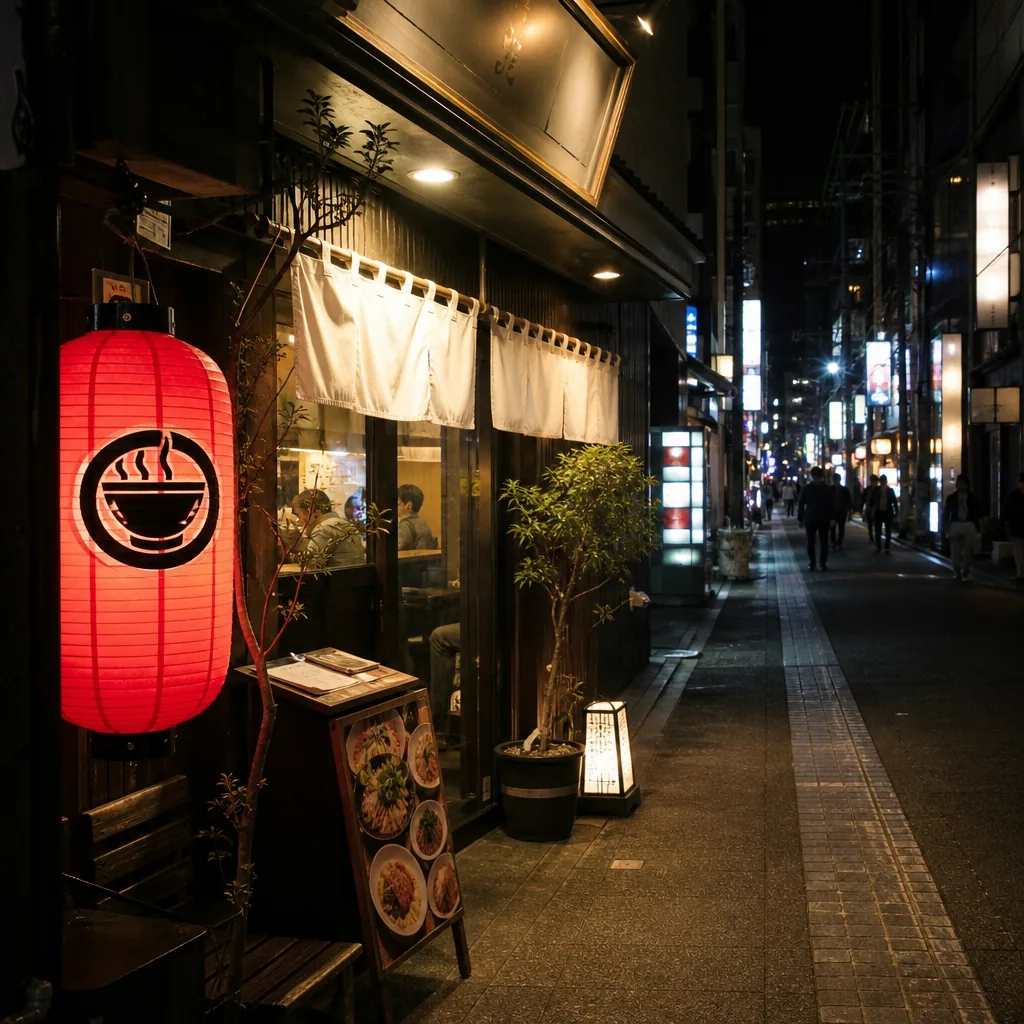
Looking for halal ramen in Kyoto after 10 p.m.? Here’s where to check, which areas are most practical, and how to verify hours and halal status.
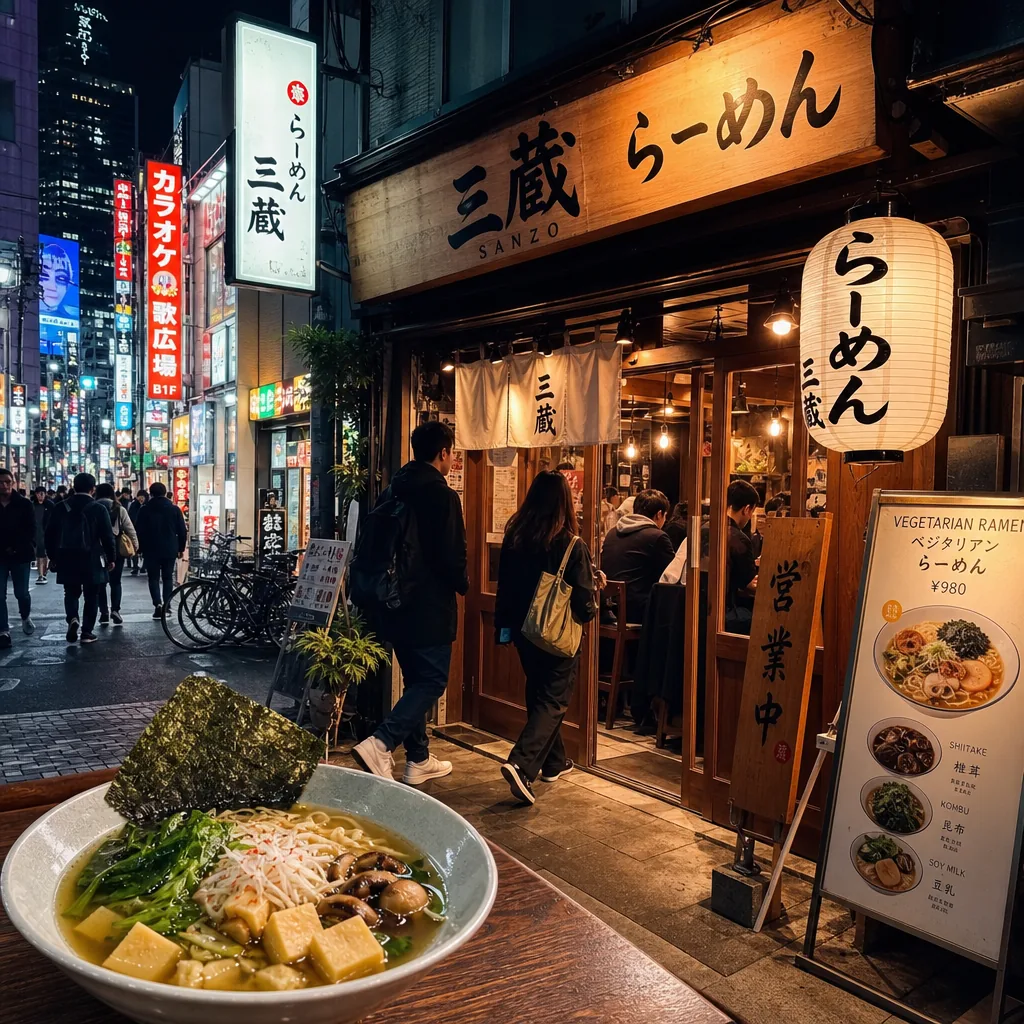
Find late-night vegetarian ramen in Tokyo by focusing on Shibuya, Shinjuku, and Roppongi, then verify broth, hours, and vegan menu details.