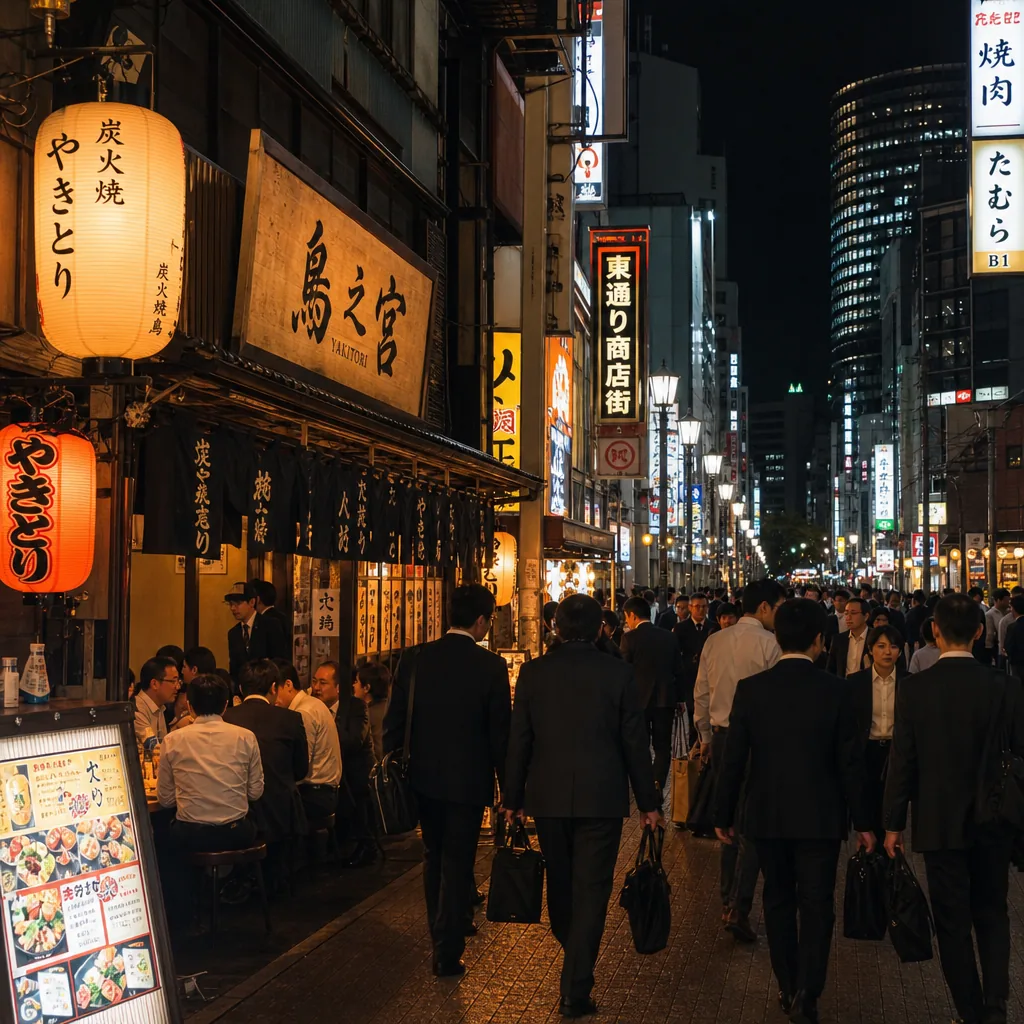
Where can I find english-friendly yakitori in Osaka after work?
Find English-friendly yakitori in Osaka after work by targeting Umeda, Namba, and Honmachi, plus booking sites and multilingual menus.
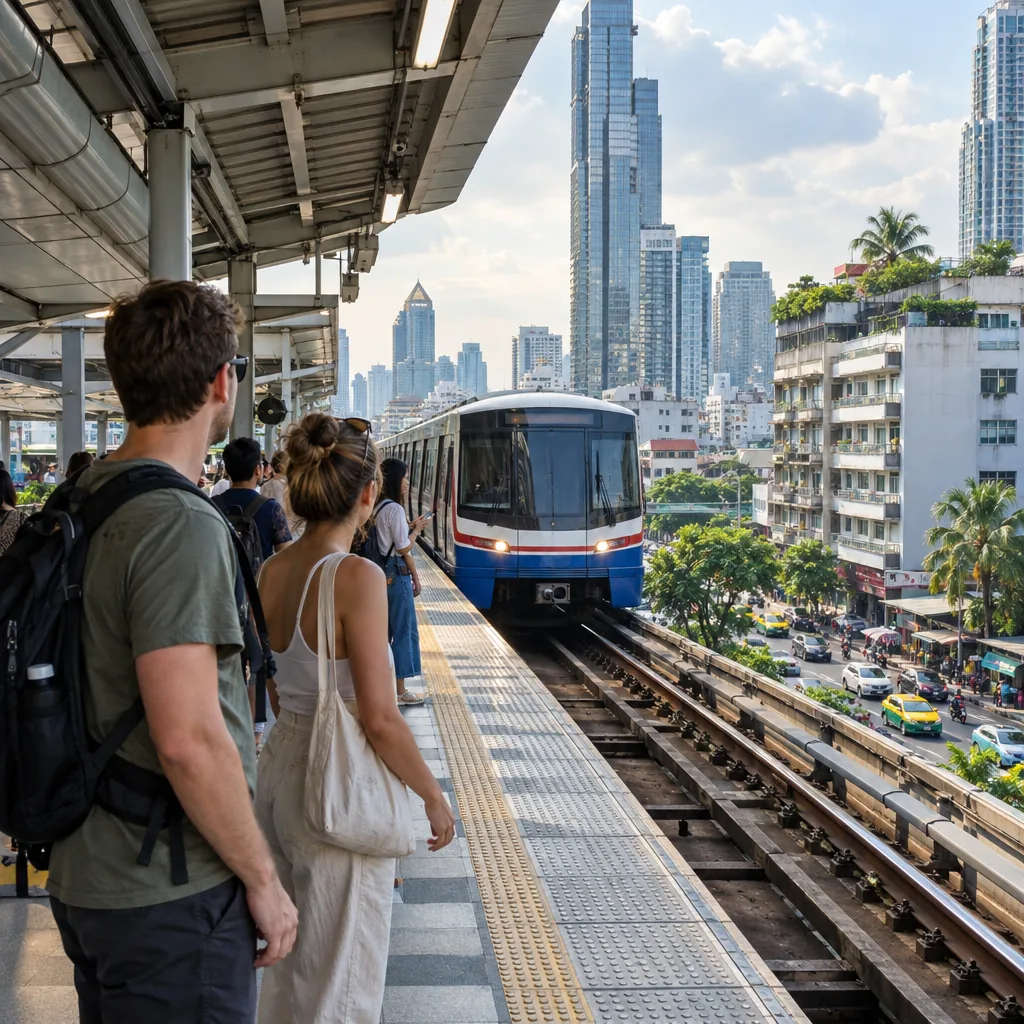
First-time travelers to Bangkok should check entry requirements, complete the free arrival card if required, and choose accommodation near rail connections that suit their itinerary. Plan around heat, rain, and traffic; pack temple-appropriate clothing, carry some Thai baht, and save the Tourist Police number before exploring. [1–6]
Most non-Thai travelers entering Thailand must complete the Thailand Digital Arrival Card, or TDAC, online within the three-day window before arrival, including the arrival date. Submission through the official Immigration Bureau website is free. Exceptions include certain passengers transiting without passing through immigration and travelers entering with a border pass; check the official manual for the conditions. [1]
The TDAC is not a visa and does not replace the entry requirements applicable to your passport. Check your nationality’s immigration requirements separately before booking a nonrefundable trip. For the arrival card, have your passport, travel details, and Bangkok accommodation address ready, and follow the official instructions rather than paying an intermediary. [1]
Bangkok is hot throughout the year. November through February is generally the cooler period, while the rainy season typically runs from May through October. Neither season removes the need to plan for heat, and wet-season travel benefits from a flexible schedule rather than tightly timed outdoor stops. [2]
Put your most demanding outdoor visit early in the day, then leave space for lunch and an indoor break. Carry drinking water, sun protection, and a compact umbrella. Avoid scheduling a temple visit, a cross-city transfer, and a prepaid activity back-to-back: a heavy shower or traffic delay can make that sequence stressful.
Keep your arrival day light, too. Reaching your hotel, eating nearby, and identifying the nearest station is a more useful first-day goal than completing several major sights.
For a first visit, proximity to the right station matters more than a hotel’s claim to be “central.” Bangkok’s attractions are spread across different districts, so compare hotel locations against your actual destinations using the official BTS and MRT maps. [2–4]
Before booking, check the walking route from the station exit to the hotel, not just the straight-line distance. A slightly less glamorous room with a straightforward station connection can be the more practical choice.
The BTS Skytrain and MRT are separate systems. Consult their official route maps, ticket information, and operating notices; do not assume that one ticket, travel card, or payment method works across every line. At an interchange, allow time to follow signs and pass through separate fare gates where required. [3–4]
Use rail where it fits your route to reduce exposure to road congestion. Save the destination station’s name and your hotel address on your phone before leaving. For taxis, request the meter; for a tuk-tuk, agree on the price before boarding. Do not treat a tuk-tuk as automatically cheaper than a metered taxi. [2]
For a first independent journey, choose one straightforward destination and check both the outward and return route. Learning the station layout without luggage is easier than figuring it out while rushing to a reservation.
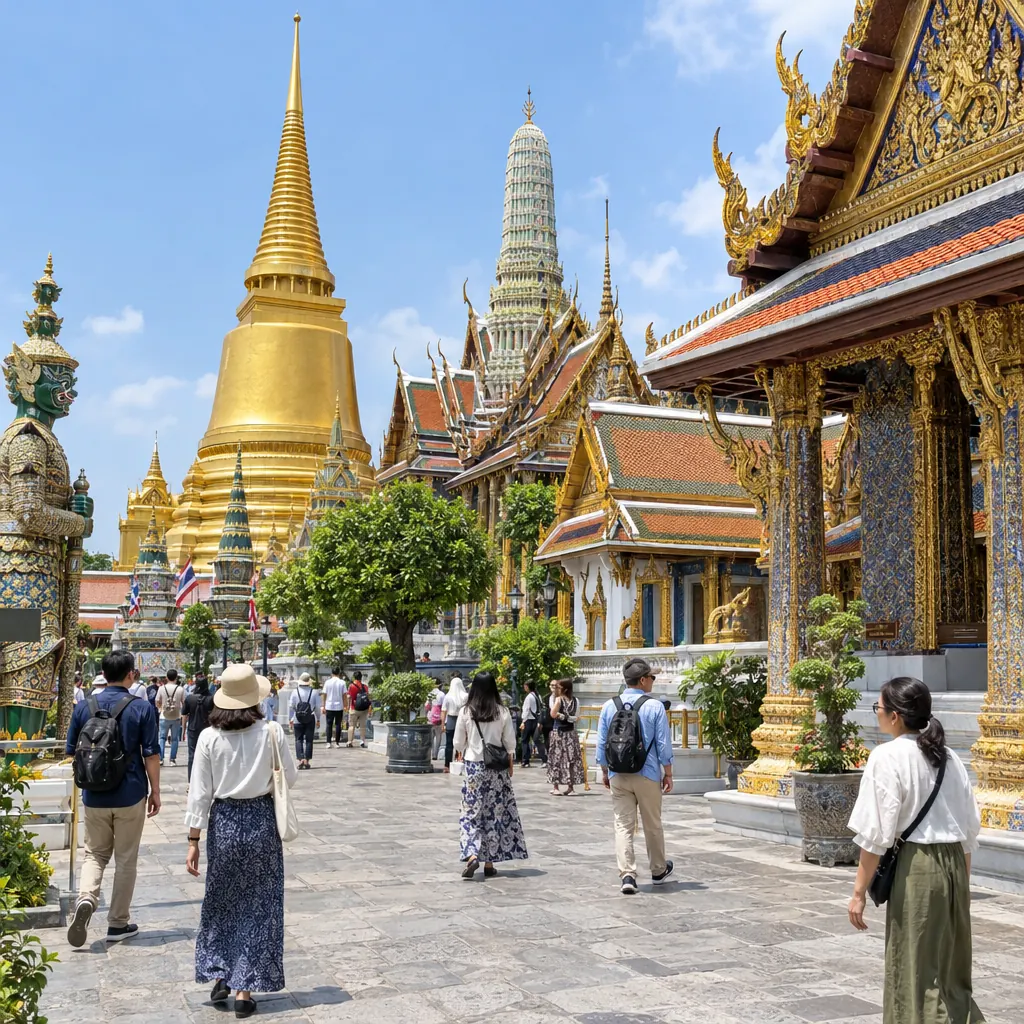
The Grand Palace enforces a strict dress code. Its official guidance prohibits clothing including sleeveless tops, shorts, short skirts, and other revealing or unsuitable items. Check the complete rules before visiting rather than assuming your usual sightseeing clothes will qualify. [5]
A practical outfit is a sleeved shirt with full-length trousers or a long skirt. Bring suitable coverage when visiting religious sites elsewhere in Bangkok, and follow posted instructions about footwear and access. For the Grand Palace specifically, dress appropriately from the outset rather than relying on a scarf to solve every clothing issue. [5]
Carry some Thai baht for small purchases and transport instead of relying entirely on cards. Keep smaller notes accessible so that buying a snack or paying a modest fare does not depend on someone changing a large banknote. [2]
For street food, prioritize dishes cooked freshly and stalls with steady customer turnover. Start with a manageable order, ask about ingredients if you have dietary restrictions, and avoid assuming a busy stall can accommodate a serious allergy. [2]
If someone says the Grand Palace or another major attraction is closed and redirects you toward a tour or shopping stop, verify the claim through the attraction’s official website or entrance staff. Do not let an unsolicited approach replace your own itinerary. [5–6]
Save Thailand’s Tourist Police hotline, 1155, along with your accommodation address and copies of important travel documents. Tourist Police provide assistance to visitors; having these details available before a problem occurs makes asking for help simpler. [6]
CallButler is a multilingual concierge service that handles research, coordination, and bookings so you do not have to navigate language barriers or unfamiliar systems alone. If you need help related to What should first-time travelers know before visiting Bangkok? or the tasks around it, our team can step in to manage the details and keep things moving smoothly.
Find English-friendly yakitori in Osaka after work by targeting Umeda, Namba, and Honmachi, plus booking sites and multilingual menus.
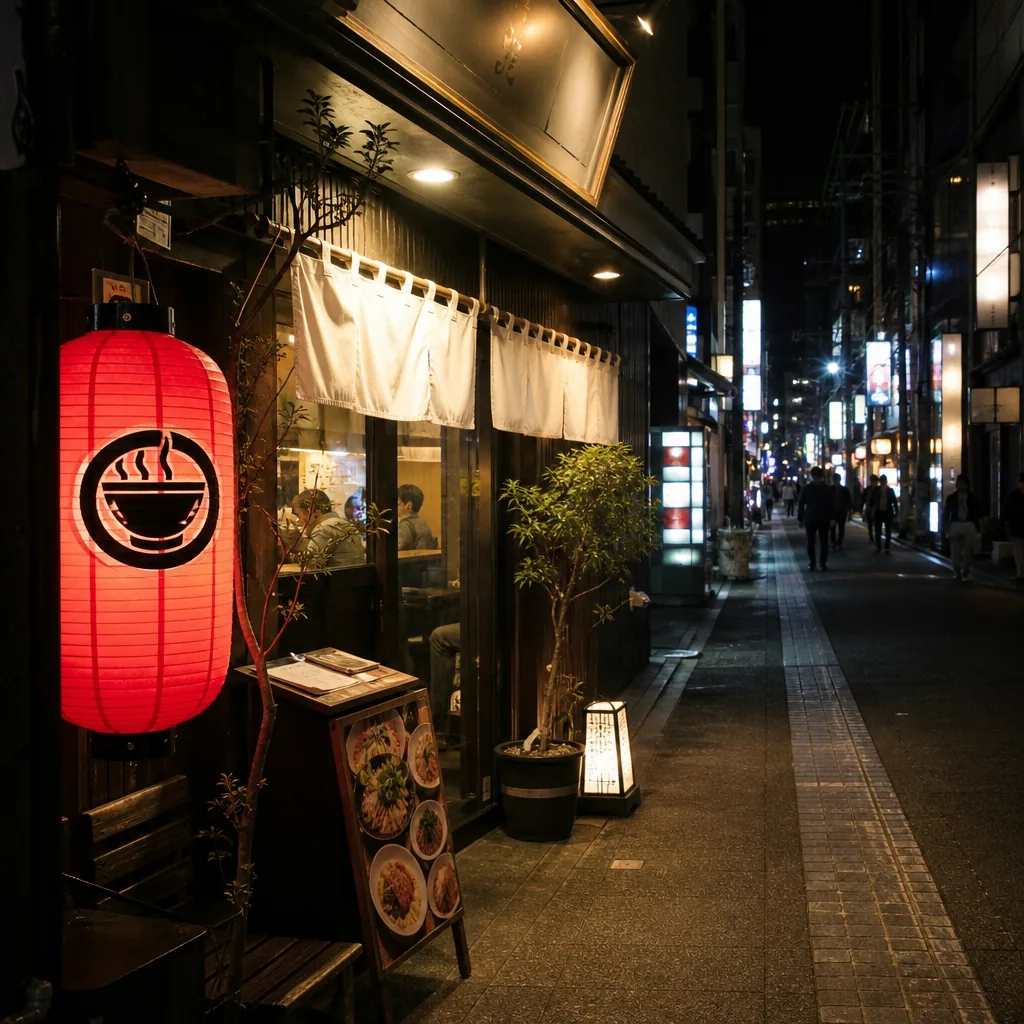
Looking for halal ramen in Kyoto after 10 p.m.? Here’s where to check, which areas are most practical, and how to verify hours and halal status.
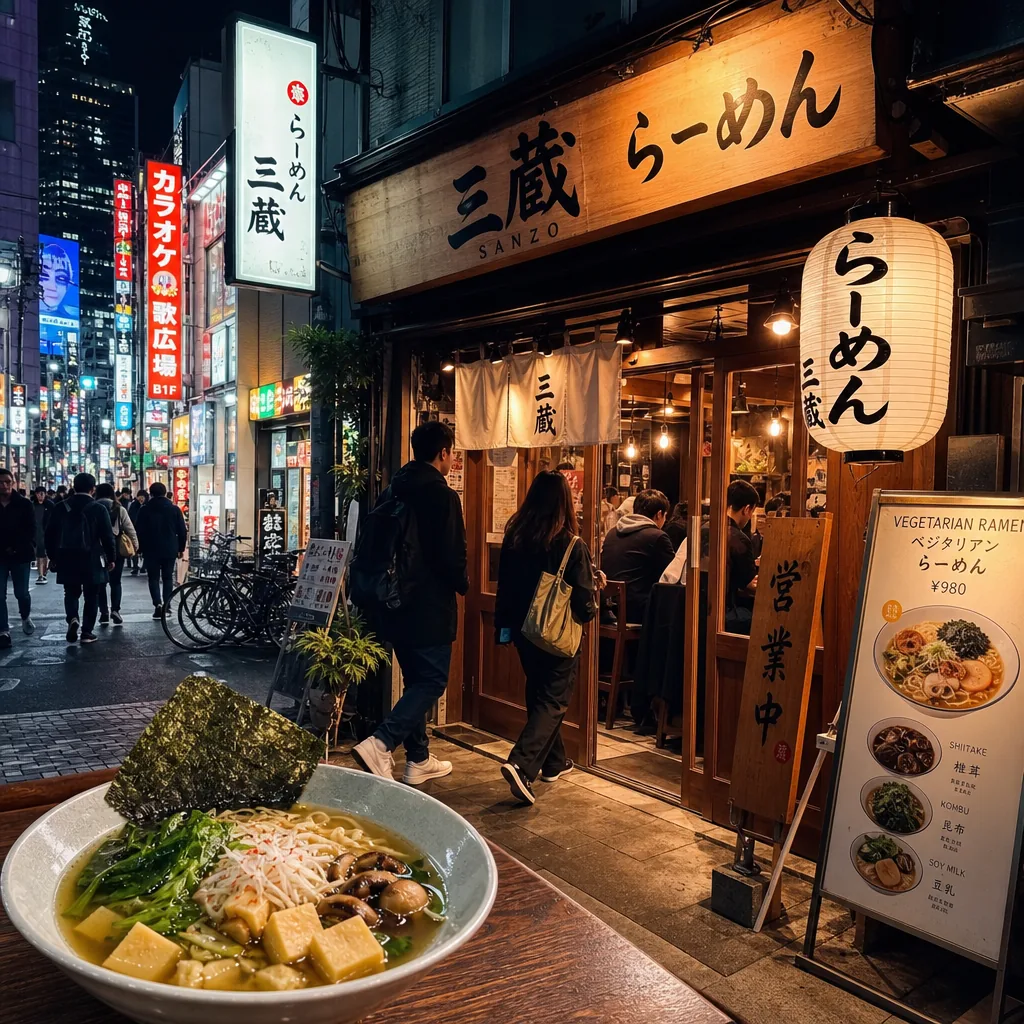
Find late-night vegetarian ramen in Tokyo by focusing on Shibuya, Shinjuku, and Roppongi, then verify broth, hours, and vegan menu details.