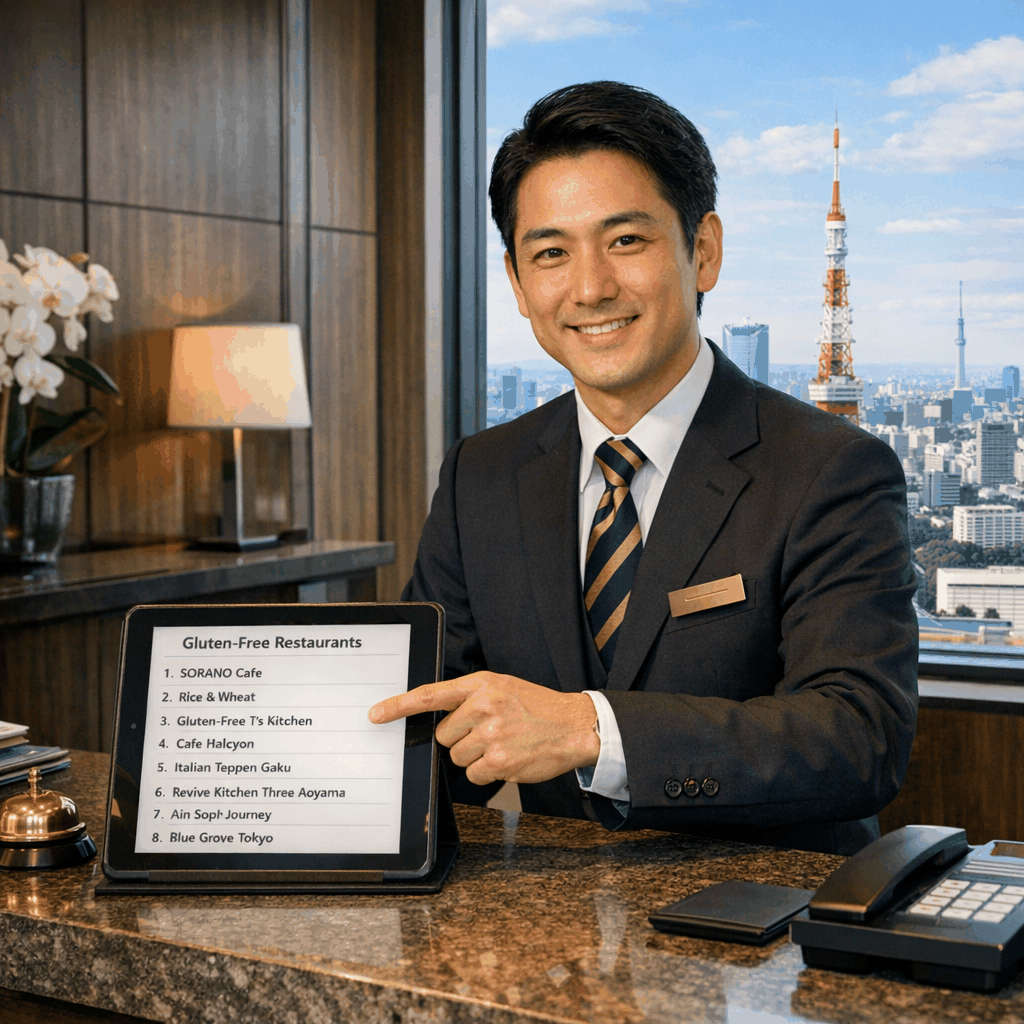
Can a concierge find gluten free restaurants in Tokyo?
Tokyo concierges can find gluten‑free restaurants using Tabelog, Gluten Free Japan, and MHLW allergen rules. Success depends on clear communication and celiac r
Read Article
Visiting Tokyo and ordering sushi as an English speaker can feel daunting, but the city’s wide range of formats—from conveyor-belt chains to intimate omakase counters—means there are clear, repeatable steps you can use to read menus, order, and stay safe if you have allergies. This guide focuses on Tokyo specifics and practical examples you can use the moment you walk into a shop.
Tokyo’s sushi scene ranges from mass-market kaiten (conveyor) chains to standing bars and high-end omakase counters. Large national conveyor chains such as Akindo Sushiro and Kura Sushi operate many Tokyo branches and combine photos, touch-panel ordering, and English interfaces at some locations—useful when you don’t read Japanese [4][5]. The city’s visitor resources also highlight districts like Ginza and the Tsukiji Outer Market for a range of sushi experiences, from casual stalls to refined counters [6].
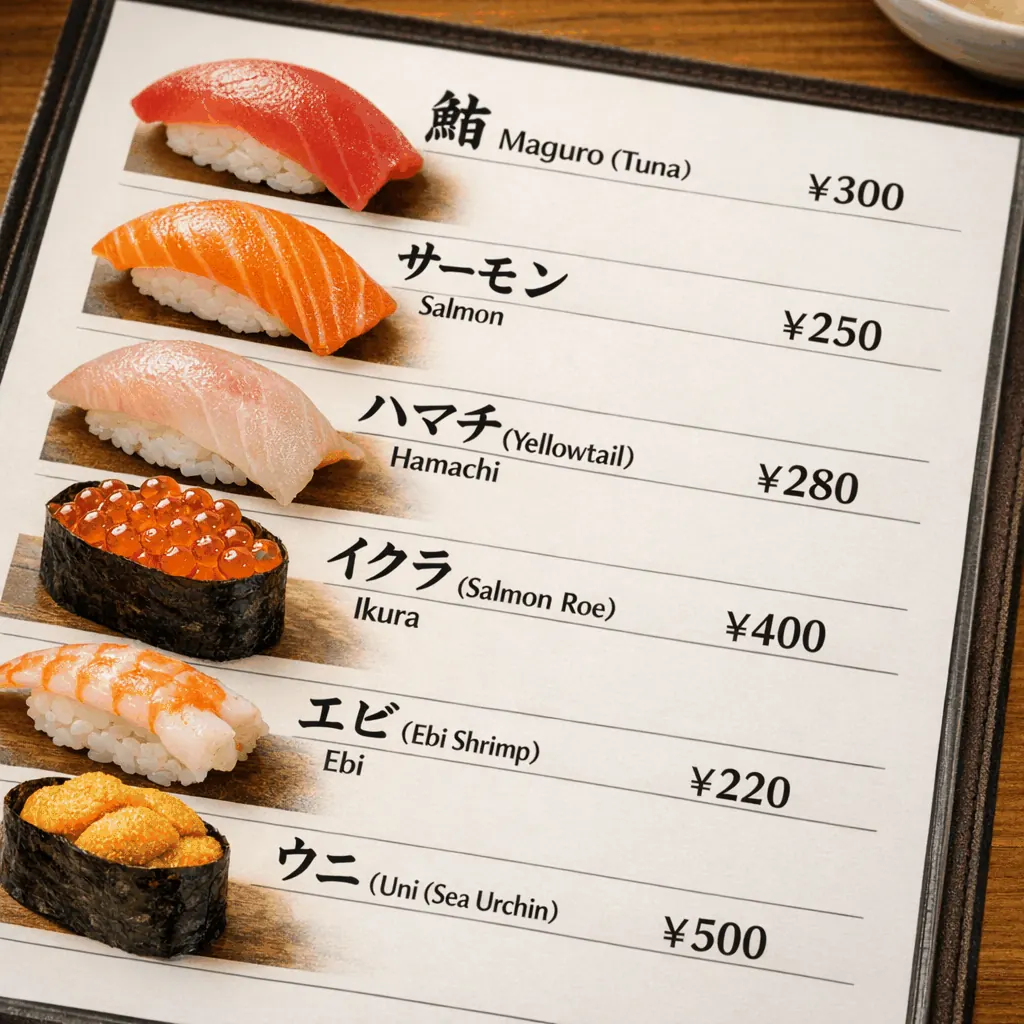
Tokyo menus often combine photos, katakana, and kanji. Photographs and plastic models help a great deal in casual and conveyor places [4][5]. Key visual cues:
Recognizing a few characters and words speeds ordering in Tokyo. Examples based on common sushi terminology:
In Tokyo you’ll commonly meet these ordering methods:
Short phrases from NHK and language resources work well in Tokyo sushi shops; pronounced slowly, they’re usually understood even in small counters [3]:
Tokyo sushi etiquette emphasizes respect and tidiness: dip the fish (not the rice) into soy sauce when eating nigiri and use gari (pickled ginger) between pieces. Many guide resources for sushi etiquette recommend eating nigiri in one bite when possible [1]. Tipping is not customary in Japan; pay at the register or by handing your shokken ticket; major conveyor chains tally plates or use digital checkout [1][4][5].
If you have allergies, name the allergen clearly: e.g., 甲殻類アレルギーがあります (Koukakurui arerugī ga arimasu) = "I have a shellfish allergy". Confirm staff understanding and, for high-risk allergies, avoid raw items unless the chef confirms cross-contact procedures. Smaller Tokyo shops may use shared knives and cutting boards, so explicit confirmation is necessary; use simple Japanese or an English-speaking staff member when possible [3][1].
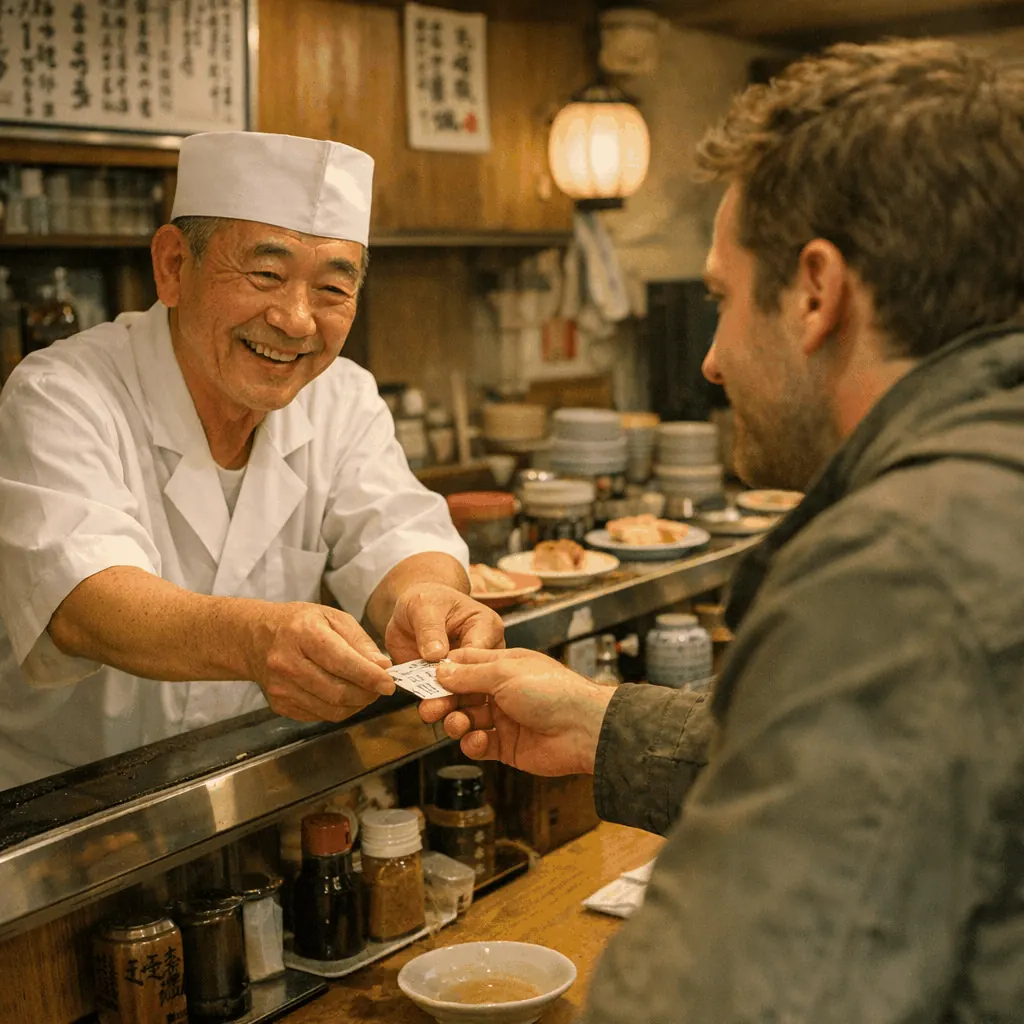
Kaiten example: enter a chain like Akindo Sushiro or Kura Sushi, take a seat, and use the touchscreen or take plates from the belt; if there’s a shokken machine outside, buy the ticket first and give it to staff—many Tokyo branches present photos and English options on screens to confirm your choice [4][5].
Omakase counter example: at a small Ginza or neighborhood counter, say "Omakase onegaishimasu" and let the chef pick seasonal pieces. If you need to avoid shellfish or raw items, state "Arerugī ga arimasu" before the meal and confirm alternatives; the personal service of Tokyo omakase counters makes this practical when staff understand your request [2][3][6].
CallButler is a multilingual concierge service that handles research, coordination, and bookings so you do not have to navigate language barriers or unfamiliar systems alone. If you need help related to Tokyo: how to order sushi and read menus for English speakers or the tasks around it, our team can step in to manage the details and keep things moving smoothly.
Tokyo concierges can find gluten‑free restaurants using Tabelog, Gluten Free Japan, and MHLW allergen rules. Success depends on clear communication and celiac r
A practical guide to food options inside Studio Ghibli Park near Nagoya: where to eat by area, what to expect, dietary notes, payment, and nearby Nagoya alterna
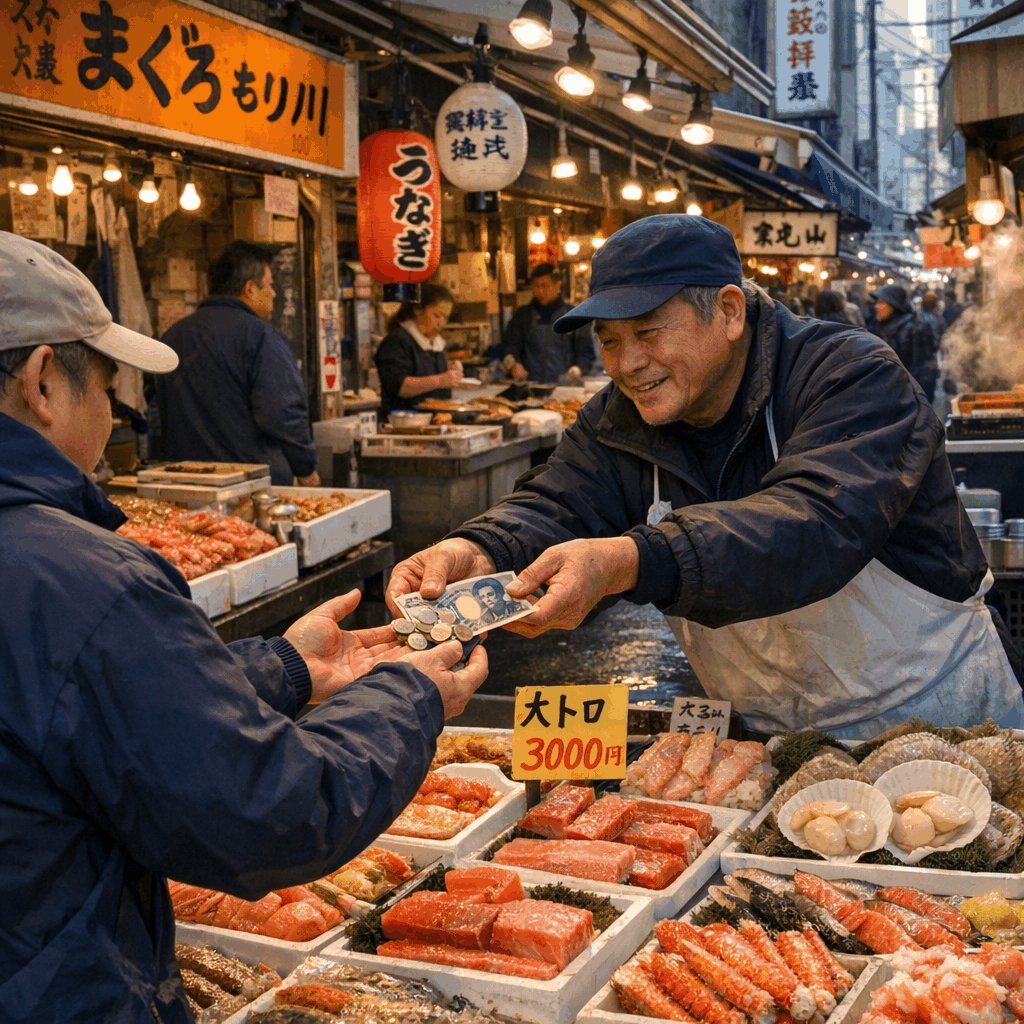
Cash is still the norm at Tokyo's Tsukiji Outer Market; some sushi restaurants and shops accept cards, Suica/Pasmo or PayPay. Bring small yen and use 7‑Eleven A