Article overview: Pokémon Center Shibuya: complete guide to…
Yes — Pokémon Center Shibuya is a branded Pokémon retail store in the Shibuya shopping district carrying plush, apparel, Trading Card Game (TCG) products, stationery and location‑exclusive items; it sits in the Shibuya area and is commonly visited on foot from Shibuya Station or inside nearby Shibuya PARCO [2][3]. This post gives concrete directions, buying and tax‑free shopping steps, crowd timing, and practical tips to make your visit smooth and efficient.
Overview
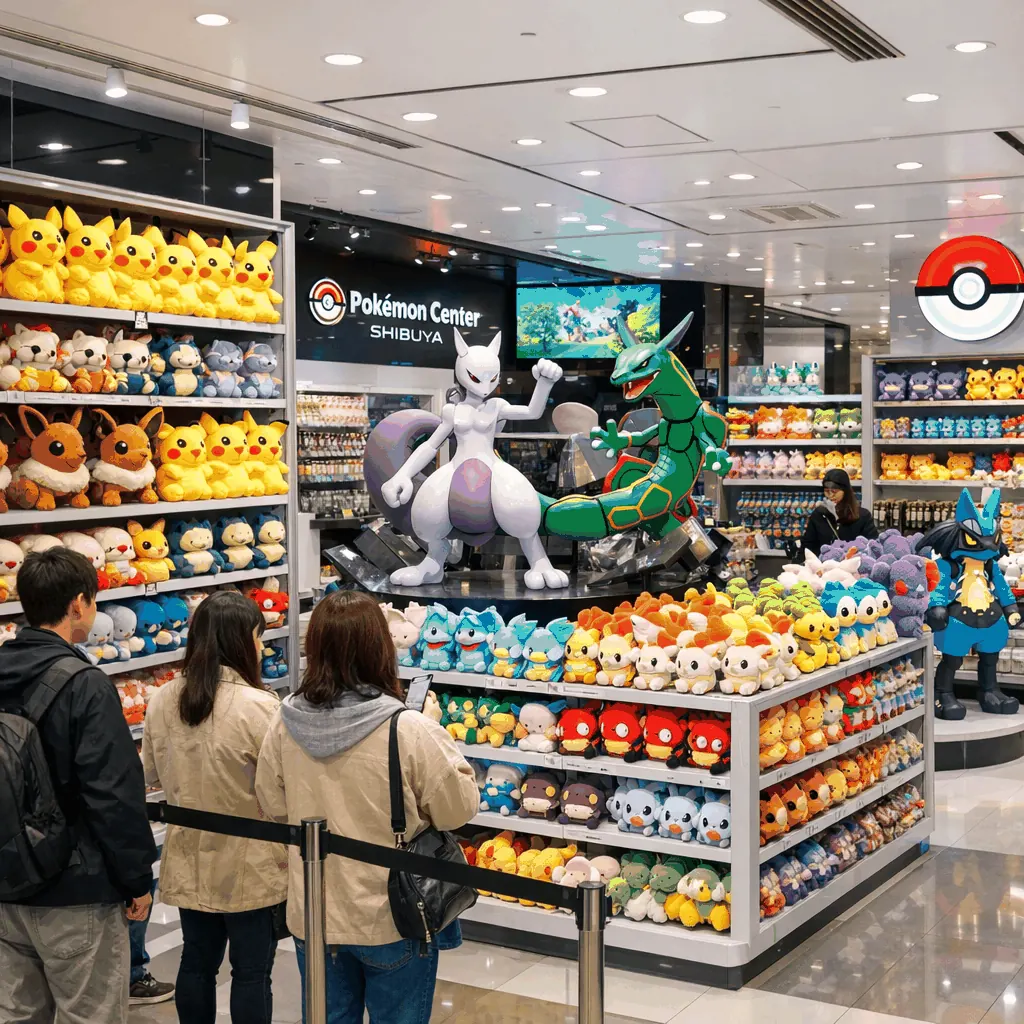
Pokémon Center stores are a chain of official retail locations that sell character goods and host product releases and events [1]. Pokémon Center Shibuya serves both tourists and locals with standard Pokémon merchandise — plush, apparel, TCG decks and accessories, stationery, and occasional Shibuya or Parco exclusive items that are only sold at this location [3][5].
Location & access (from Shibuya Station)
The most convenient approach is from Shibuya Station (the Hachiko exit / Center‑gai area). Shibuya PARCO is the shopping complex where Pokémon Center Shibuya is located or closely associated with listings for the store; check the PARCO shop list and the Time Out Tokyo listing for the store’s current floor and entrance details before you go [2][3].
Walk from Shibuya Station (Hachiko exit): head toward Shibuya Crossing and the Hachiko statue, then follow signs to Shibuya PARCO — the walk is typically 5–10 minutes depending on which exit you use [3].
If you arrive by subway (Tokyo Metro Ginza, Hanzomon, Fukutoshin lines) you’ll still exit toward the Hachiko/Center‑gai area and follow wayfinding to PARCO [3].
Use the official Shibuya PARCO directory on the PARCO site to confirm exact in‑building access and elevator/stair guidance on the day you visit [2].
Hours, peak times & best visiting windows
Pokémon Centers in Tokyo commonly operate around 10:00–20:00, but hours vary by location, holiday, and special events — always verify the current opening hours on the store listing before you travel [3][5].
Best quiet window: weekday mornings shortly after opening or weekday late afternoons (avoids lunch and after‑work/after‑school peaks) [5].
Peak times: weekends, Japanese public holidays (Golden Week, Obon, New Year), and major product release days see significant queues; arrive early for limited drops [3][5].
What you can buy — highlights & exclusives
[[photo2]]
Expect the standard Pokémon Center assortment: plush of current popular Pokémon, apparel collaborations, TCG singles and booster products, stationery, and rotating limited items. Time Out Tokyo specifically highlights the Shibuya location as a major retail spot for fans, and Tokyo Cheapo notes that location‑exclusive goods and collaboration items often appear at the larger Tokyo centers, including Shibuya [3][5].
Plush and figures — often restocked but special collabs may be limited.
Apparel and accessories — seasonal collaborations and Parco tie‑ins can be exclusive to the Shibuya store [2][3].
TCG products and play accessories — booster boxes, starter decks, and playmats; new set release days commonly increase foot traffic [3][5].
Payments, tax-free shopping & receipts
Major credit cards and contactless payments are generally accepted at Pokémon Centers, but carrying some yen cash can help with small purchases or specific lanes on busy days [5]. For tax-free shopping, eligible foreign visitors should bring their passport and follow Japan’s tax‑free procedure: declare purchases at the time of sale and complete the tax‑free form; staff will attach documentation to your passport or provide the required receipts according to the Japan National Tourism Organization rules [4].
Bring your passport (not a photocopy) for the tax‑free transaction; the store will prepare the tax‑free paperwork at purchase [4].
Keep receipts and the completed tax forms; customs rules require showing the items at the airport if asked [4].
Events, new releases & how to handle lines
Pokémon Center Shibuya hosts product releases and occasional events; check the Pokémon Center or PARCO social channels and Time Out Tokyo for announcements and live updates [2][3]. On major release days Tokyo Cheapo recommends arriving early and lining up in the designated queue — staff will often manage separate lines for preorder pickups, release purchases, and general shopping [5].
Follow PARCO and Pokémon Center social feeds for release times and queue instructions [2][3].
If a release is announced, plan to be near the store before opening; staff instructions determine exact queue placement on the day [5].
Practical tips for shoppers
Check Shibuya PARCO’s shop directory and the Time Out Tokyo listing the morning of your visit for hours and floor changes [2][3].
Bring your passport for tax‑free purchases and expect to spend a few extra minutes at checkout for the paperwork [4].
Combine your visit with quick nearby stops: Shibuya Crossing and the Hachiko statue are immediate landmarks if you’re navigating from the station [3].
If you’re collecting TCG singles or event items, ask staff about preorder or pickup policies to avoid repeated trips [5].
Nearby attractions and combining your visit
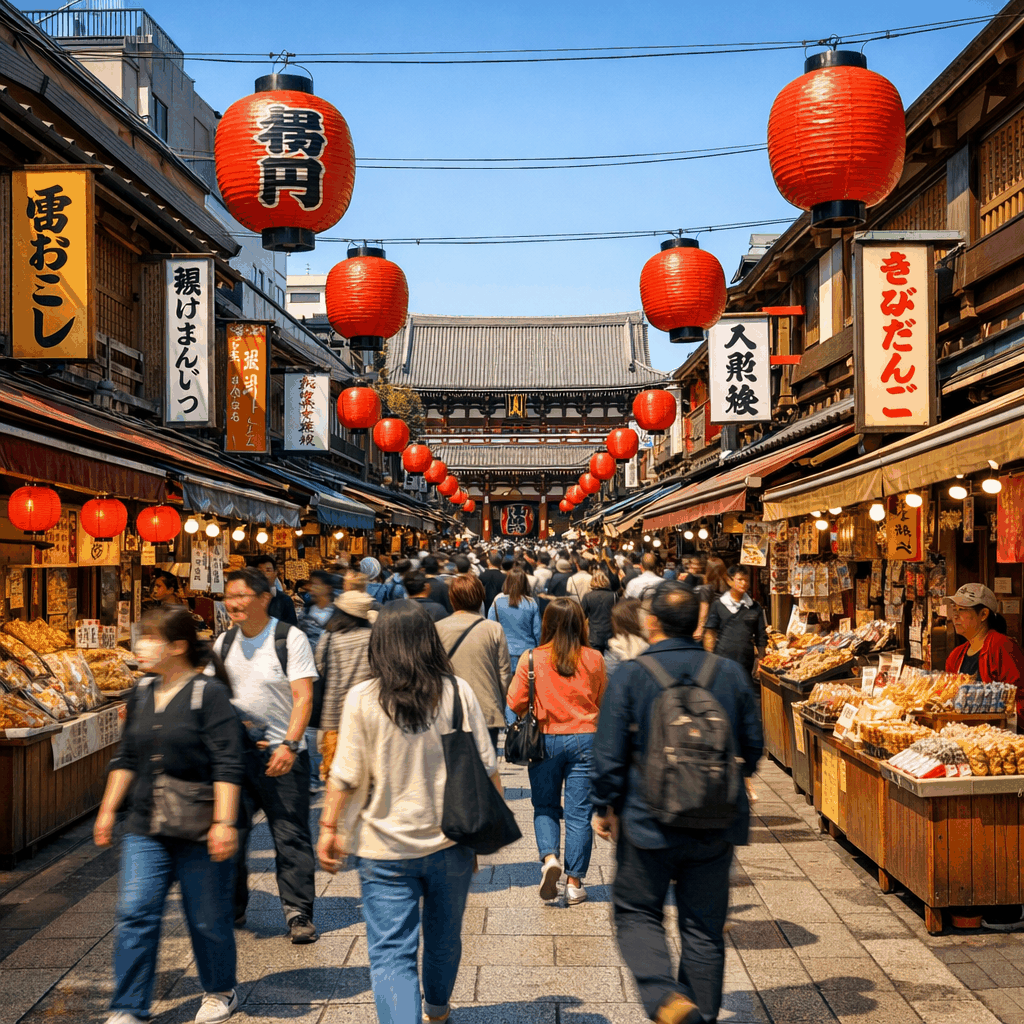
Make a half‑day of it: after Pokémon Center Shibuya, visit Shibuya Crossing and the Hachiko statue for iconic photo spots, and explore Shibuya PARCO’s other stores and exhibitions — PARCO often hosts pop‑up collaborations that pair well with a Pokémon Center stop [2][3]. For budget‑minded shopping around Tokyo, Tokyo Cheapo’s guide to Pokémon Centers provides comparisons across Tokyo locations if you plan multiple store visits in the city [5].
With a little planning (check hours on the PARCO site, bring your passport for tax‑free, and time your visit on a weekday morning), your trip to Pokémon Center Shibuya can be efficient and enjoyable even on busy days [2][3][4][5].
How CallButler Can Help
CallButler is a multilingual concierge service that handles research, coordination, and bookings so you do not have to navigate language barriers or unfamiliar systems alone. If you need help related to Pokémon Center Shibuya: complete guide to shopping, access or the tasks around it, our team can step in to manage the details and keep things moving smoothly.