Article overview: Is the jr pass worth it for multiple day …
Short answer: usually no — the nationwide JR Pass is not cost-effective for multiple short, Kanto-area day trips from Tokyo, but it can be worth buying if your 7/14/21-day activation window contains several long-distance shinkansen round-trips (for example Tokyo–Nagano, Tokyo–Kanazawa, Tokyo–Sendai). Check the official JR Pass coverage and compare the fixed pass price to the sum of individual fares for your exact itinerary before deciding [1][4].
What the national Japan Rail (JR) Pass covers (and doesn't)
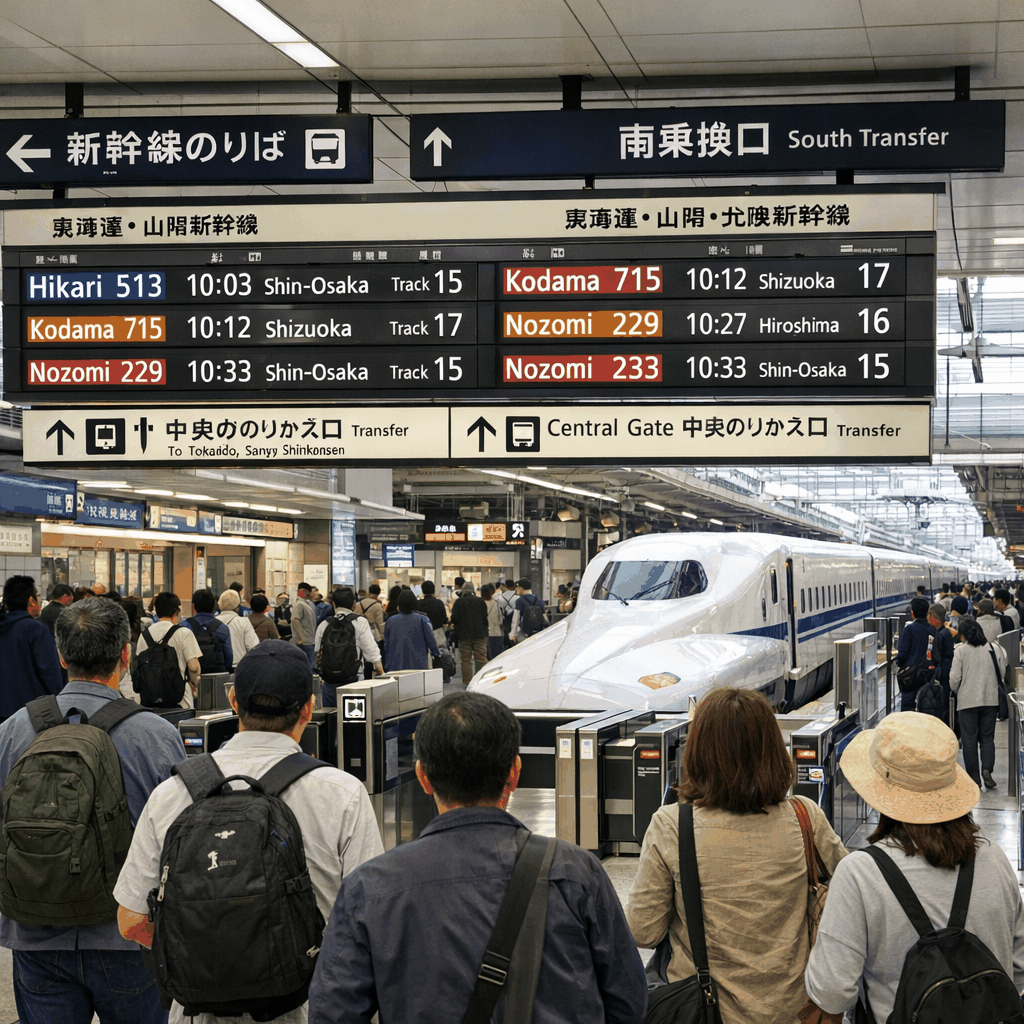
The JR Pass gives unlimited rides on most JR services — local, rapid, limited express and most shinkansen — for 7, 14 or 21 consecutive days, but it does not cover the fastest Nozomi and Mizuho shinkansen services; you can use Hikari, Kodama, Sakura and other covered services instead [1]. The pass is a single fixed-price product sold for foreign visitors; current purchase and activation rules are on the official site [1]. For route and timetable specifics inside the JR East area (which covers Tokyo and much of Tohoku/Hokuriku access from Tokyo), see JR East guidance [2].
Current pass prices and basic math
Do not rely on memory: check the official JR Pass page for up-to-date 7/14/21-day prices and the JR East site for regional pass pricing [1][2]. The basic math is simple: total the standard single-ticket fares (and any planned express seat reservations) for every train trip you will make during the pass window, then compare that sum to the fixed JR Pass price. If the sum of individual fares is higher, the pass pays off; if not, buy tickets or regional passes instead [1][4].
Typical Tokyo-origin day trips and their transport profiles
Many of Tokyo’s popular day trips are either short JR rides or use non-JR private lines and local passes, so the nationwide pass rarely saves money for these:
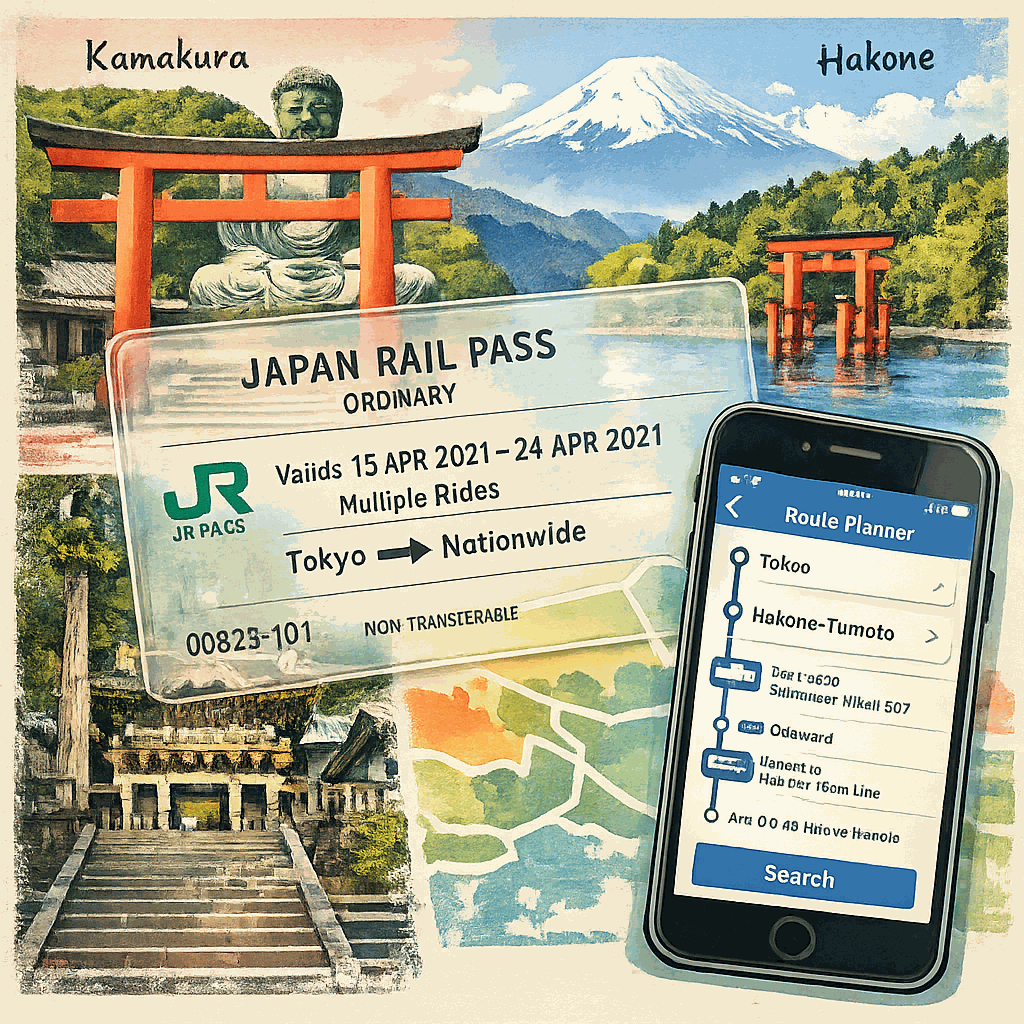
Kamakura — mainly a direct JR Yokosuka Line ride from Tokyo/Shinagawa to Kamakura Station; short and inexpensive, often cheaper to buy single tickets [3].
Hakone — the usual tourist route is Odakyu from Shinjuku (Odakyu Romancecar) or JR shinkansen to Odawara + Odakyu/Hakone Tozan/transport inside Hakone; the Odakyu Hakone Freepass commonly offers better value for Hakone day trips than the nationwide JR Pass [6].
Nikko — two common access patterns: Tobu Railway from Asakusa (non-JR) or JR Tohoku Shinkansen to Utsunomiya then the JR Nikko Line; many Nikko packages on JNTO emphasize Tobu options that are not covered by the JR Pass [3].
Yokohama — a quick JR Keihin-Tohoku/Tokyo–Yokohama corridor ride; short fares make a national pass an unlikely bargain [3].
Kawaguchiko (Mt. Fuji area) — usually JR Chuo Line to Otsuki then non-JR Fujikyu Railway to Kawaguchiko; not fully covered by JR alone [3].
These examples show why short Kanto trips are usually cheaper per-trip than the fixed cost of the nationwide pass [3][6].
When a JR Pass will pay off for Tokyo-based travelers
If your Tokyo base includes several long-distance shinkansen trips within the activation period, the nationwide JR Pass can be worthwhile. Typical single-day or multi-day long-round-trips that push toward break-even include Tokyo–Nagano (via Hokuriku/Joetsu/Hokuriku Shinkansen connections), Tokyo–Kanazawa (Hokuriku Shinkansen), and Tokyo–Sendai (Tohoku Shinkansen). These single-ticket shinkansen fares are comparatively high, so two or three long shinkansen round trips in a 7-day window can justify the pass [2][4].
Regional and local alternatives useful from Tokyo
Rather than the nationwide JR Pass, consider these Tokyo-focused options:
JR EAST PASS / JR TOKYO Wide Pass — covers JR East areas and selected shinkansen and limited express services within set regions and may be cheaper if you stay within JR East coverage [2].
Odakyu Hakone Freepass — covers round-trip from Shinjuku plus unlimited transport inside Hakone (Odakyu, Hakone Tozan, cablecar, ropeway) and often undercuts the nationwide JR Pass for Hakone day trips [6].
Local combo tickets and regional passes recommended by JNTO for Kamakura, Yokohama and Kawaguchiko — these can bundle local buses, private railways and attractions more cheaply than buying JR singles or a nationwide pass [3].
How to calculate break-even for your specific trip
List every train trip you plan to take during the intended activation days (include transfers and return trips).
Use a route and fare planner such as Jorudan World or NAVITIME to get exact fares and travel times for your dates [5].
Include seat reservations where relevant — reserveable shinkansen seats are available and reservations for JR Pass holders are done at JR ticket offices; account for availability and any reservation rules [1][2].
Sum the single-ticket costs and compare to the official JR Pass price. Also price applicable regional passes (JR East, JR TOKYO Wide, Odakyu Hakone Freepass) and compare coverage vs. your destinations [1][2][6].
Practical tips for buying, activating and using passes from Tokyo
Buy before arrival (or use available e-vouchers) if you plan multiple long-distance trips — the official JR Pass site lists purchase/activation rules and where to exchange vouchers on arrival [1].
Activate at a JR Exchange Office at major stations (for example Tokyo Station) or at major airports; after activation you can make seat reservations at Midori no Madoguchi (JR ticket offices) without additional reservation fees for pass holders [1][2].
If most of your plans are Kamakura, Yokohama, Hakone or Kawaguchiko, price local passes (Odakyu Hakone Freepass, Tobu Nikko passes, Kawaguchiko combos) first — they often beat the nationwide pass for Kanto-focused travel [3][6].
When in doubt, run the numbers on Jorudan for each travel day and compare to the JR Pass and any regional pass options; that objective comparison is the best way to avoid overspending [5].
Bottom line: for Tokyo-centered travel concentrated on Kanto day trips, buy single tickets or regional passes (Odakyu, JR Tokyo-area passes) in most cases. If your planned days include multiple long shinkansen round-trips out of Tokyo within the pass window, then the nationwide JR Pass may be the right buy — but verify with current fares and regional pass options before purchasing [1][2][3][4][5][6].
How CallButler Can Help
CallButler is a multilingual concierge service that handles research, coordination, and bookings so you do not have to navigate language barriers or unfamiliar systems alone. If you need help related to Is the jr pass worth it for multiple day trips from Tokyo? or the tasks around it, our team can step in to manage the details and keep things moving smoothly.