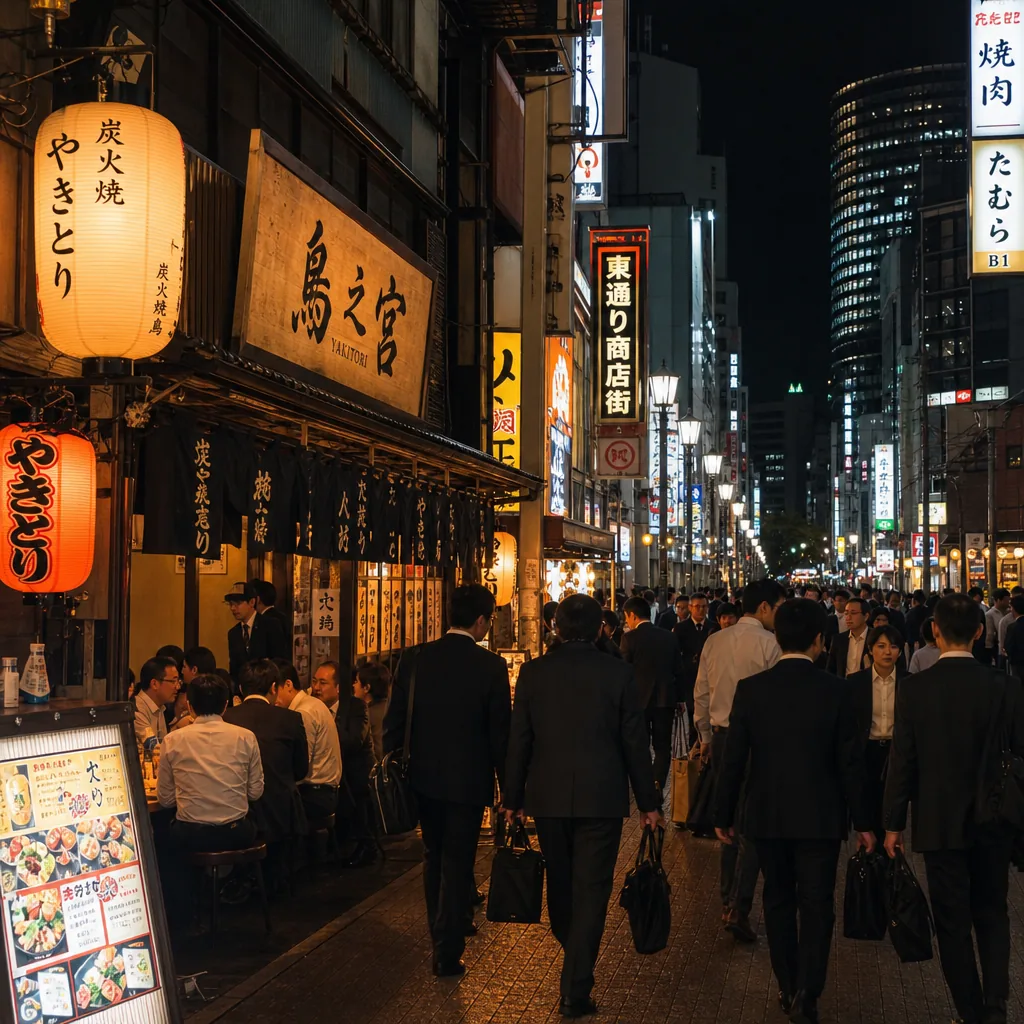
Where can I find english-friendly yakitori in Osaka after work?
Find English-friendly yakitori in Osaka after work by targeting Umeda, Namba, and Honmachi, plus booking sites and multilingual menus.
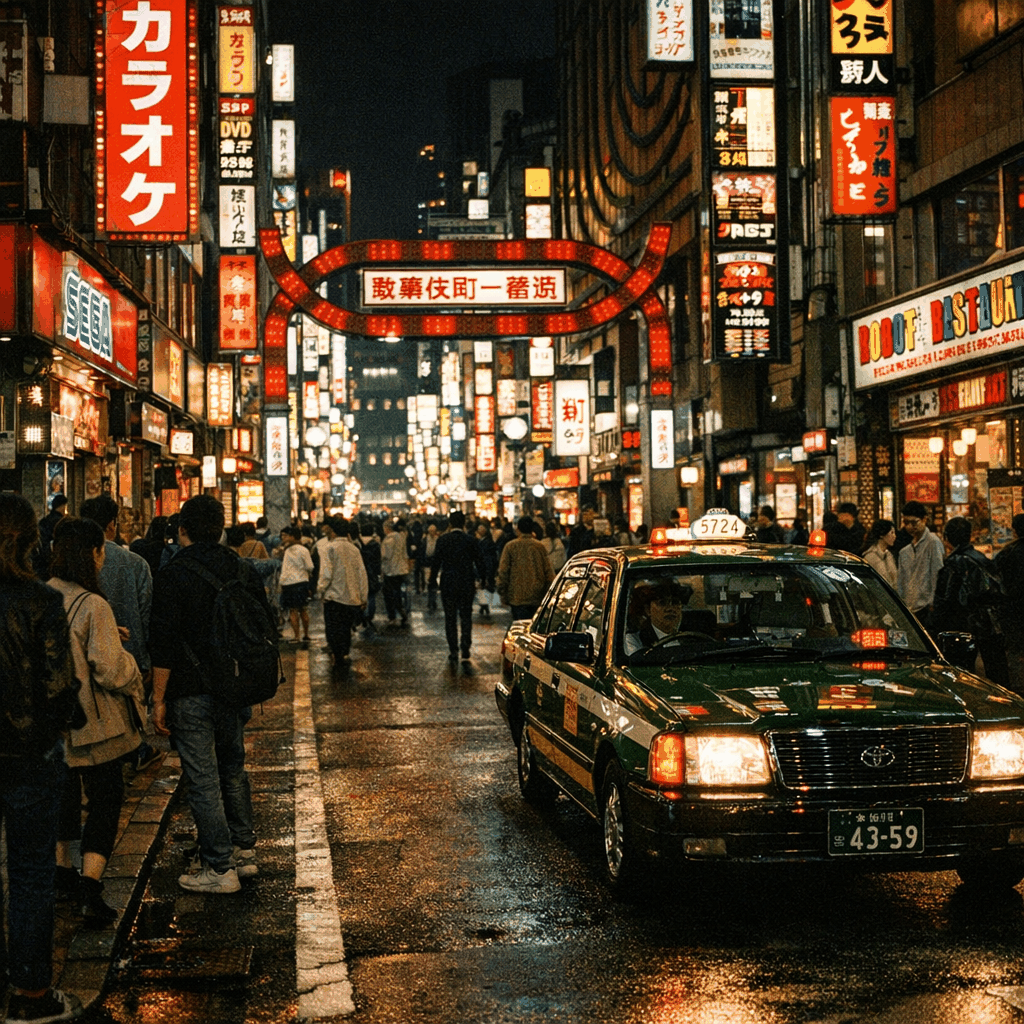
Yes. For most visitors Kabukicho in Shinjuku is generally safe at night thanks to visible police patrols, local crime‑prevention efforts and extensive CCTV, but low‑level problems such as aggressive touting, overcharging at some adult venues, and occasional drink‑related disputes do occur, so use common‑sense precautions and know emergency contacts like 110 for police and 119 for fire/ambulance [1][2][4].
Kabukicho is Tokyo’s largest nightlife and red‑light district inside Shinjuku Ward, packed with bars, izakaya, host/hostess venues, restaurants and adult entertainment. The Go Tokyo page describes Kabukicho as a concentrated entertainment area within walking distance of Shinjuku Station and notes its reputation as a place to find late‑night food and nightlife options [1]. Popular nearby micro‑areas include Golden Gai (narrow alleys of small bars) and the commercial zones around Shinjuku Station; these names are commonly used by visitors navigating the district [1].
National and metropolitan police statistics and guidance show that Japan — and central Tokyo in particular — has lower levels of street violent crime than many global cities. The National Police Agency provides overall crime reporting and crime‑prevention information for the public [3]. The Tokyo Metropolitan Police Department maintains specific information and resources for foreign visitors, and publishes safety guidance and patrol activity in busy districts including Shinjuku [2]. Serious street violence in central Tokyo is uncommon; however, isolated incidents can and do occur.
While violent crime is rare, these are the most frequently reported problems for visitors to Kabukicho:
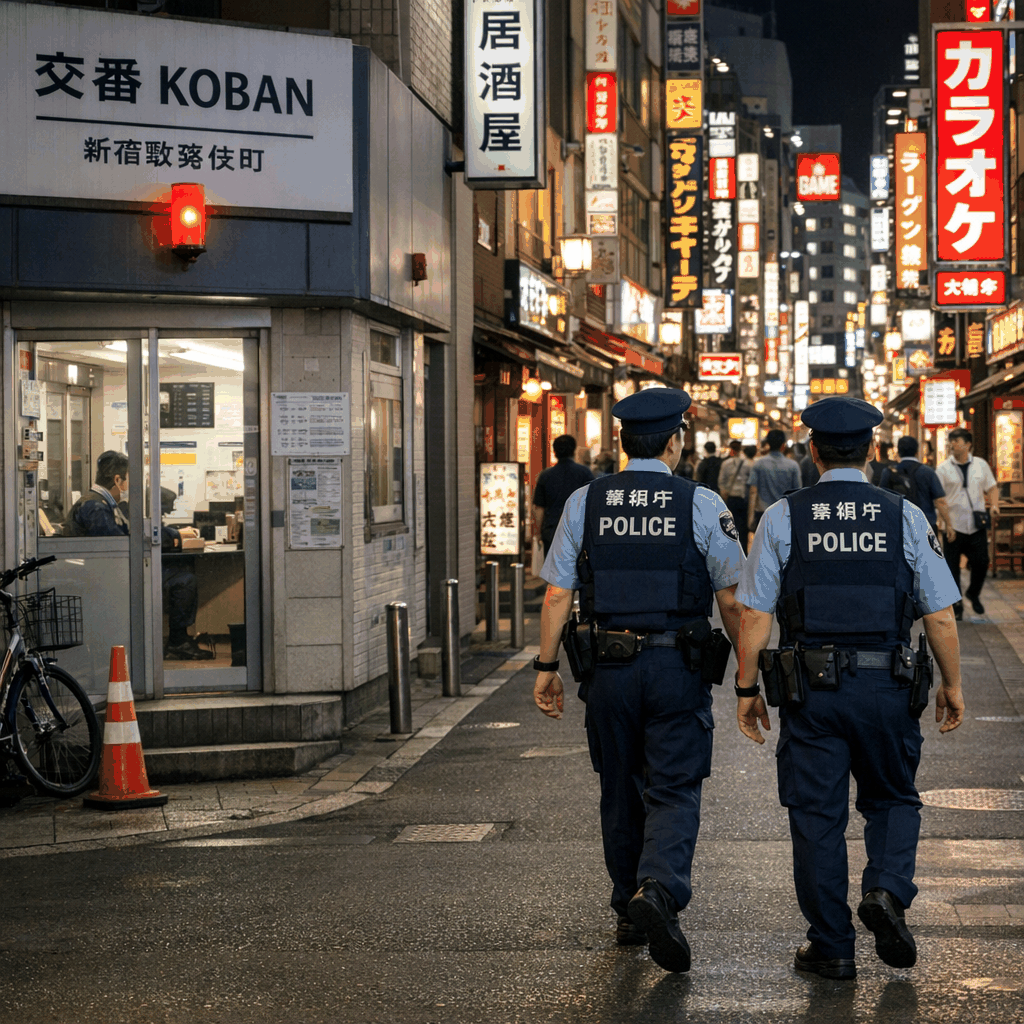
Shinjuku benefits from active local policing and community safety measures. The Tokyo Metropolitan Police Department runs information services for foreign visitors and maintains police boxes (koban) and patrols in busy areas, including the Shinjuku area, to deter crime and assist tourists [2]. The visibility of koban and patrols, combined with CCTV coverage and local business cooperation, helps reduce serious incidents in Kabukicho compared with many entertainment districts overseas [2][3].
Follow these concrete steps to reduce risk while enjoying Kabukicho:
If you encounter a problem, follow these steps:
Kabukicho in Shinjuku is a lively, late‑night area that most visitors experience without serious incident thanks to active police presence, koban services and public crime‑prevention measures [1][2]. Nevertheless, the area’s mix of nightlife and adult entertainment means you should expect and guard against low‑level risks such as touting, overcharging and pickpocketing. Use the practical tips above, rely on official resources (Tokyo Metropolitan Police and JNTO) for immediate help, and you can enjoy Kabukicho’s nightlife with a reasonable degree of safety [1][2][3][4].
CallButler is a multilingual concierge service that handles research, coordination, and bookings so you do not have to navigate language barriers or unfamiliar systems alone. If you need help related to Is Shinjuku Kabukicho in Tokyo safe at night for visitors? or the tasks around it, our team can step in to manage the details and keep things moving smoothly.
Find English-friendly yakitori in Osaka after work by targeting Umeda, Namba, and Honmachi, plus booking sites and multilingual menus.
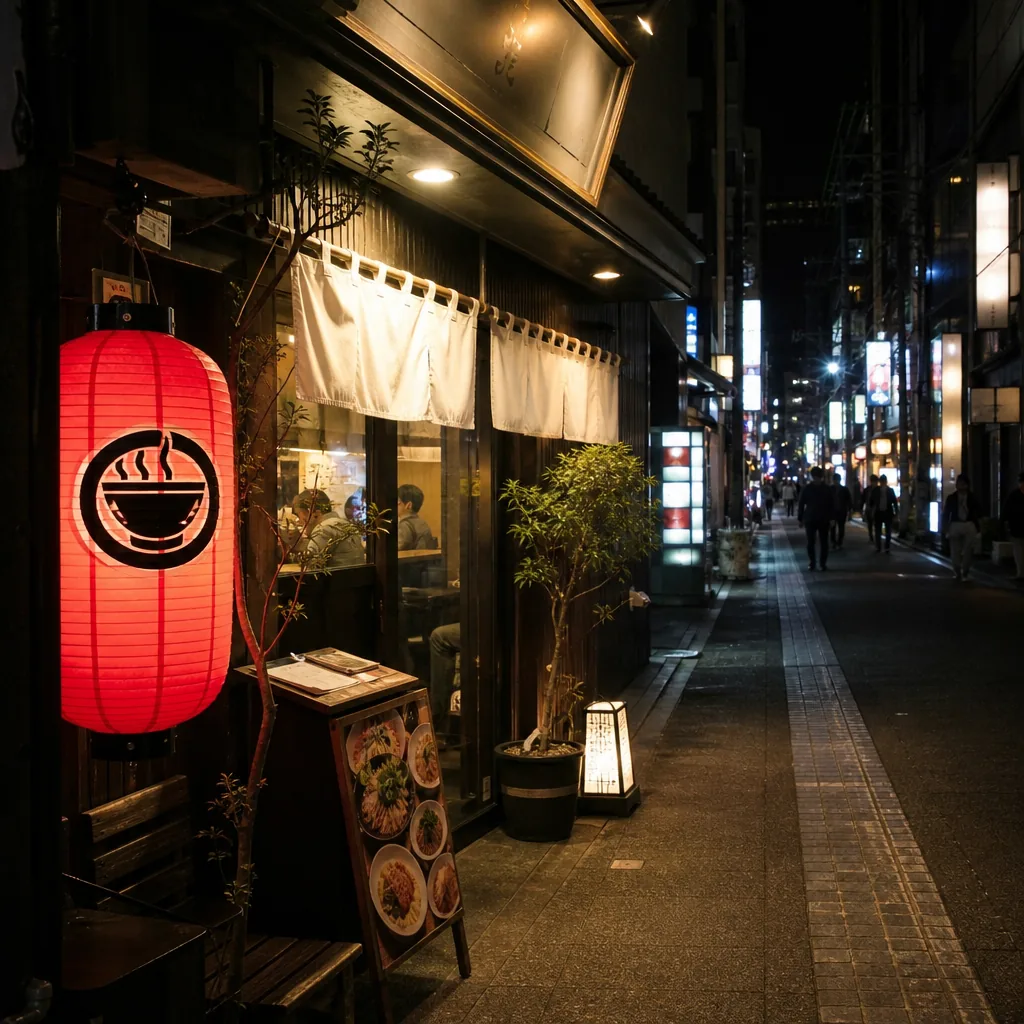
Looking for halal ramen in Kyoto after 10 p.m.? Here’s where to check, which areas are most practical, and how to verify hours and halal status.
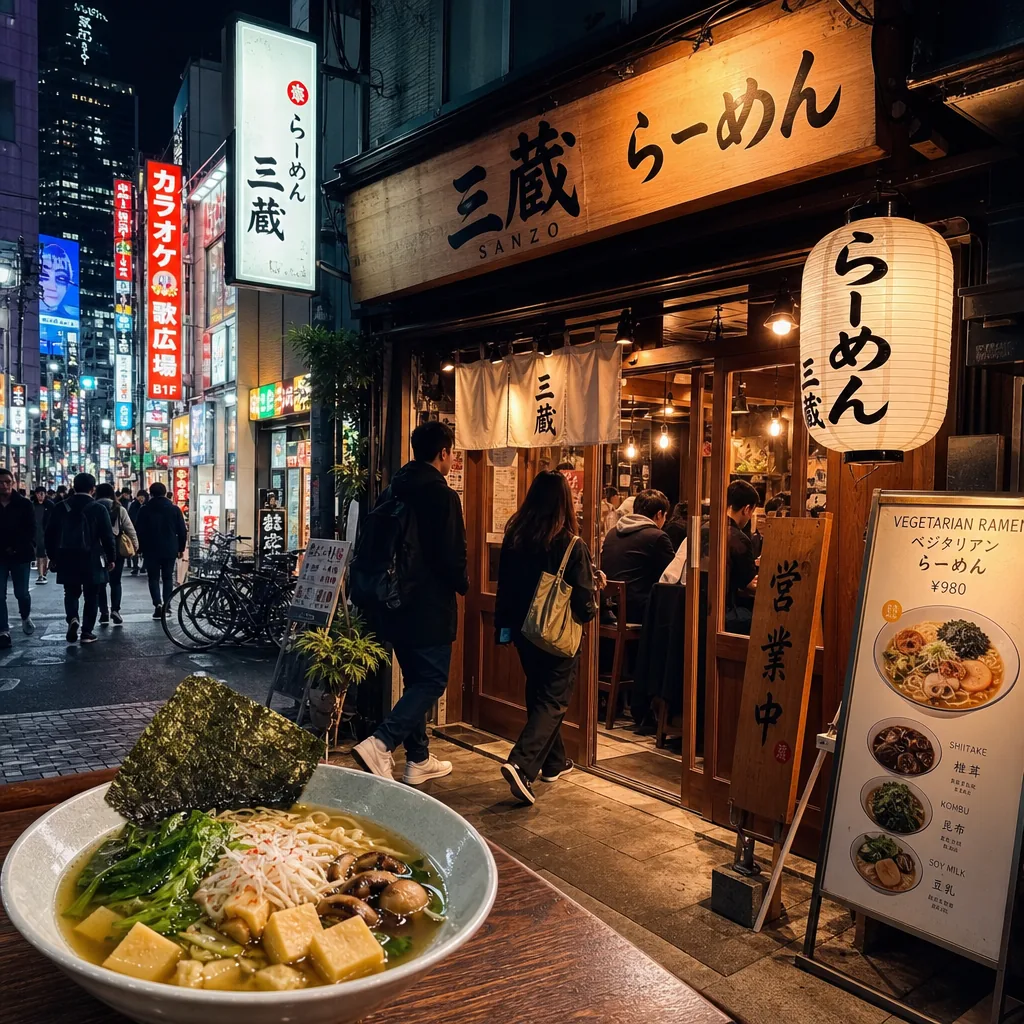
Find late-night vegetarian ramen in Tokyo by focusing on Shibuya, Shinjuku, and Roppongi, then verify broth, hours, and vegan menu details.