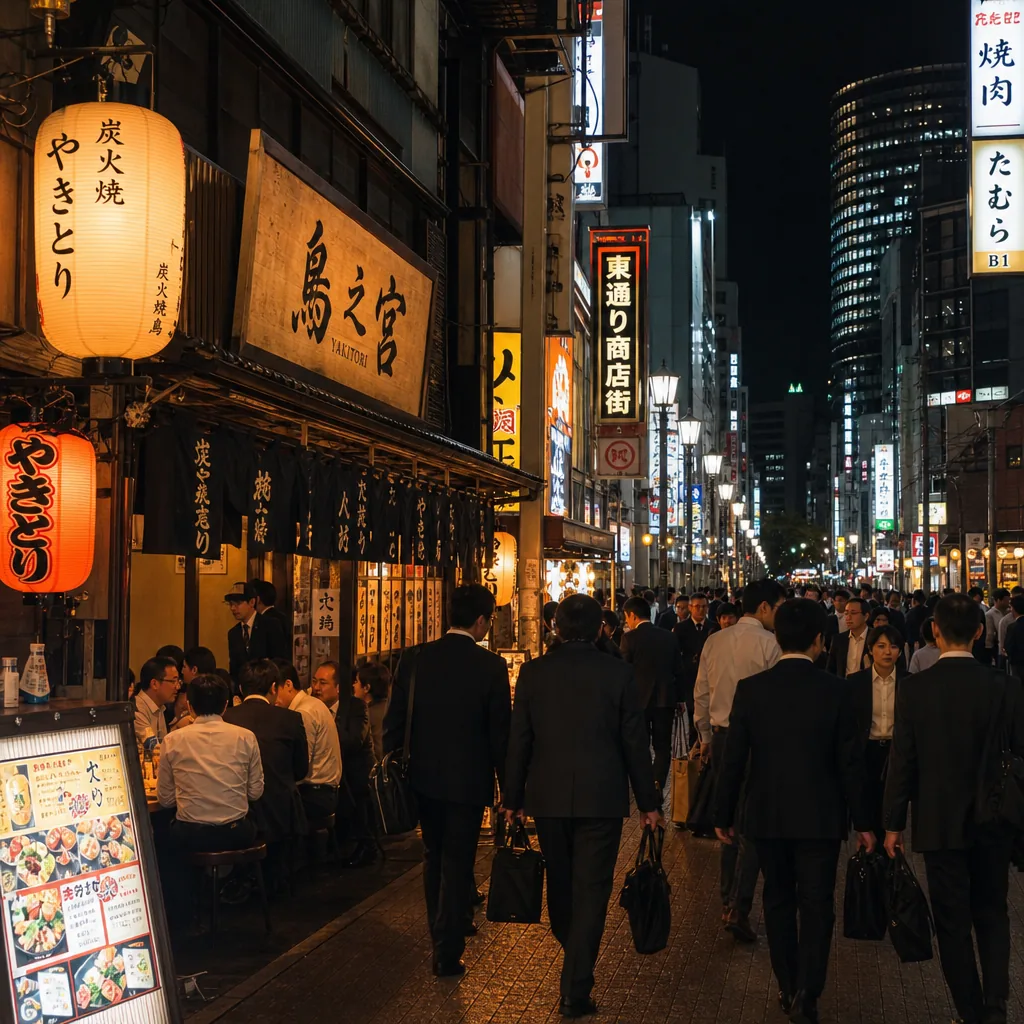
Where can I find english-friendly yakitori in Osaka after work?
Find English-friendly yakitori in Osaka after work by targeting Umeda, Namba, and Honmachi, plus booking sites and multilingual menus.
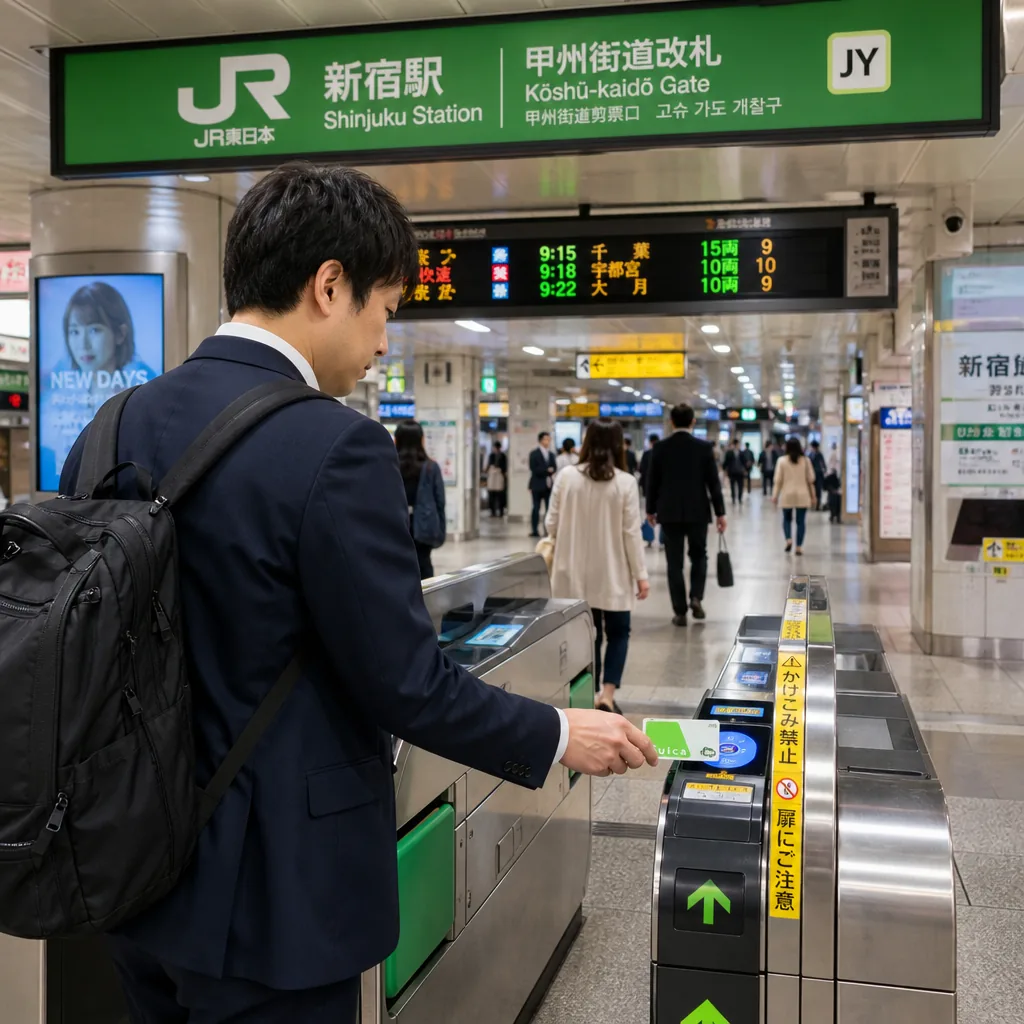
Suica is still one of the easiest ways to pay for trains, buses, and small purchases in Tokyo, and existing cards, Mobile Suica, and other compatible IC cards continue to work normally across most of the city [1][3][5]. The main change is not how you use it, but how easy it is to buy a new physical card: JR East has limited sales of some Suica products because of semiconductor-related supply issues [2].
Suica is JR East’s rechargeable contactless IC card, designed for everyday transport and simple purchases [1]. In Tokyo, it is useful because you can tap in and tap out at railway gates instead of buying a paper ticket every time, and many buses and shops also accept it [1][3].
For a visitor, the practical value is speed. If you are moving through busy stations such as Tokyo Station, Shinjuku Station, or Shibuya Station, tapping a card is much faster than handling single-journey tickets during peak hours [3].
JR East announced restrictions on sales of some physical Suica cards in 2023 because of semiconductor shortages [2]. That means you may not be able to walk up and buy every type of new card in the same way you could before. Importantly, cards already issued still work, and Mobile Suica remains available as an alternative [1][2].
JR East also notes that Suica is part of a wider interoperable IC system, so you are not limited to JR East services alone [1]. In practical terms, a working Suica or other compatible IC card can be used across much of Tokyo’s transport network when the operator accepts IC payments [3][5].
The basic rule is simple: tap in when you enter the station and tap out when you leave [1][3]. At the gate, place the card or phone on the reader until it beeps and the barrier opens. If your balance is too low, the gate may reject the tap, so it is smart to keep a small buffer on the card [1].
Tokyo Metro explains that its stations support contactless IC ticketing, so you can use IC cards on the network in the normal way [4]. This is especially convenient for moving between central neighborhoods such as Ginza, Ueno, and Ikebukuro without needing separate tickets for each trip [4].
In Tokyo, many buses also accept IC cards, and the Tokyo Metropolitan Government’s transport guide points travelers toward IC card use as part of getting around the city efficiently [3]. On most IC-enabled buses, you tap when boarding, and on some routes you may also tap when getting off, depending on the operator’s system [3][5].
This is useful in neighborhoods where a bus can be the easiest last-mile option, such as when traveling around Asakusa after a temple visit or when connecting from a station to a hotel in Shinjuku [3]. If a bus or local service does not accept IC cards, you will need a paper ticket or another payment method [3][5].
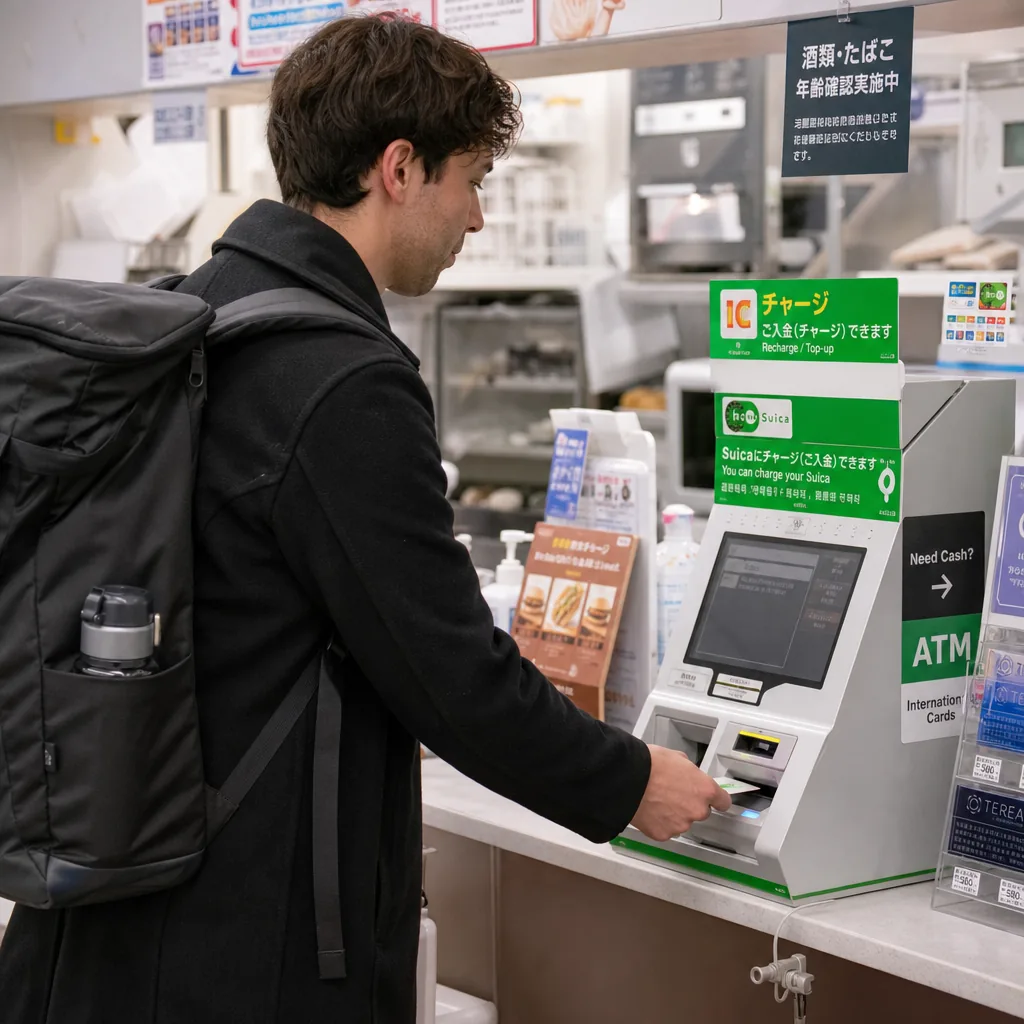
You can add value to Suica at station ticket machines and dedicated recharge machines in many Tokyo stations [1][3]. Convenience stores are also a practical backup for top-ups in daily life, which is helpful if you realize your balance is low after leaving the platform [1].
For tourists, the easiest habit is to top up before your balance gets too low. A small buffer keeps you from getting stuck at a gate during a busy transfer at stations such as Shinjuku or Tokyo [1][3].
Suica is part of Japan’s nationwide IC interoperability network, which is why it works across many rail and bus operators in greater Tokyo when IC acceptance is enabled [1][5]. PASMO, Tokyo Metro, and Tokyo-area bus systems are all part of the same practical tap-and-go culture for daily movement around the city [3][4][5].
That said, interoperability is not the same as universal acceptance. If you are at a small station, a private local line, or an operator that is temporarily not accepting IC cards, you may still need a paper ticket [3][5].
If you cannot get a new physical Suica because of current sales limits, the first alternative is Mobile Suica [1][2]. JR East continues to support it, and it is often the most convenient option if you are comfortable setting up the card on your phone [1].
If Mobile Suica is not practical for your device, consider asking for an alternative interoperable IC card where available, or use paper tickets for individual trips [1][5]. The important thing is that Tokyo transport still works well without a newly issued physical Suica card, because existing cards and other IC options remain usable [1][3][5].
The most common issue is a low balance at a gate. Because Tokyo travel often involves quick transfers, it is easy to forget to top up until the card fails at the reader [1][3]. Another common problem is assuming every line or bus will accept IC, when some smaller services still require another payment method [3][5].
For smooth travel, treat Suica like a daily-use tool rather than a one-time ticket. If you are sightseeing around Tokyo Station, Shibuya, and Asakusa in one day, keeping the card charged means fewer delays and less time standing in line for machines [1][3][4].
In short, the latest changes affect buying some new physical cards, not the usefulness of Suica itself. If you already have a card, you can still rely on it across most of Tokyo; if you do not, Mobile Suica and other IC options are the practical backup [1][2][5].
CallButler is a multilingual concierge service that handles research, coordination, and bookings so you do not have to navigate language barriers or unfamiliar systems alone. If you need help related to How do you use a Suica card in Tokyo after the latest changes? or the tasks around it, our team can step in to manage the details and keep things moving smoothly.
Find English-friendly yakitori in Osaka after work by targeting Umeda, Namba, and Honmachi, plus booking sites and multilingual menus.
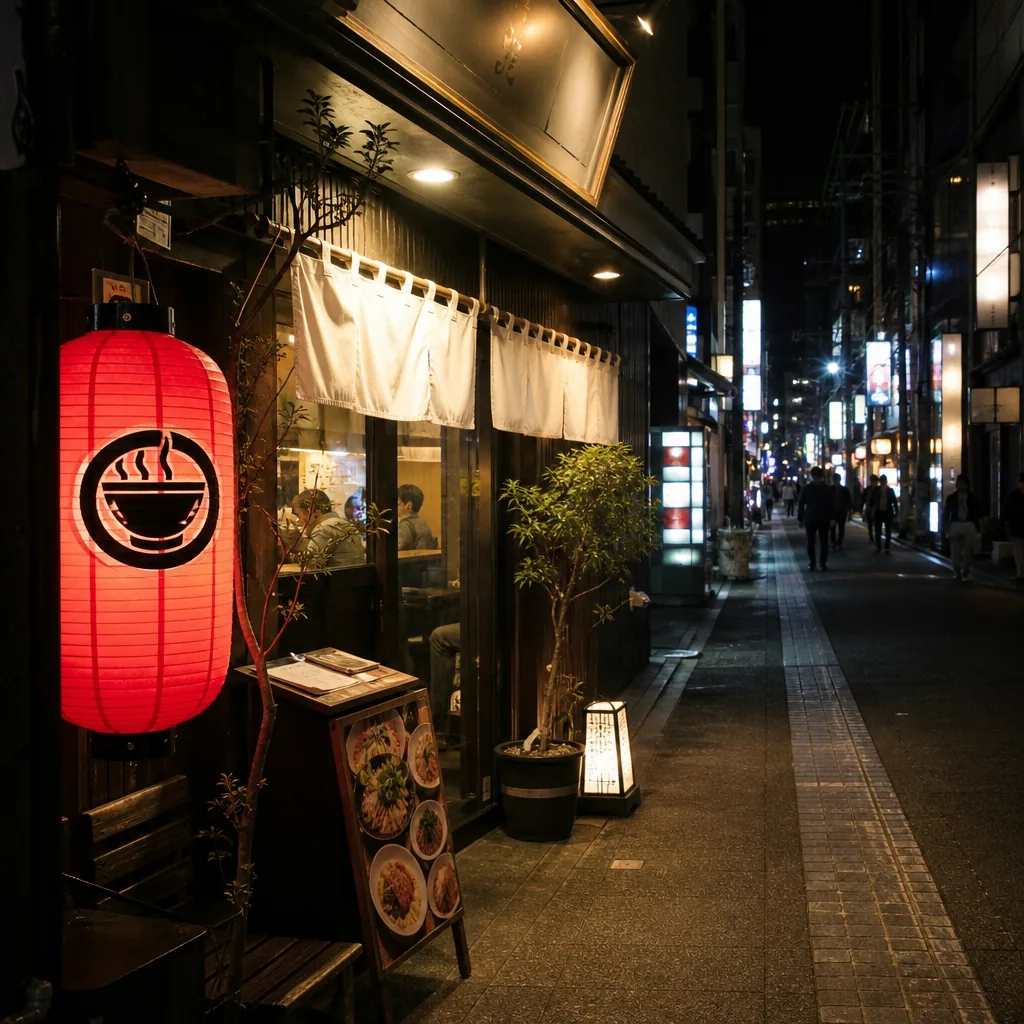
Looking for halal ramen in Kyoto after 10 p.m.? Here’s where to check, which areas are most practical, and how to verify hours and halal status.
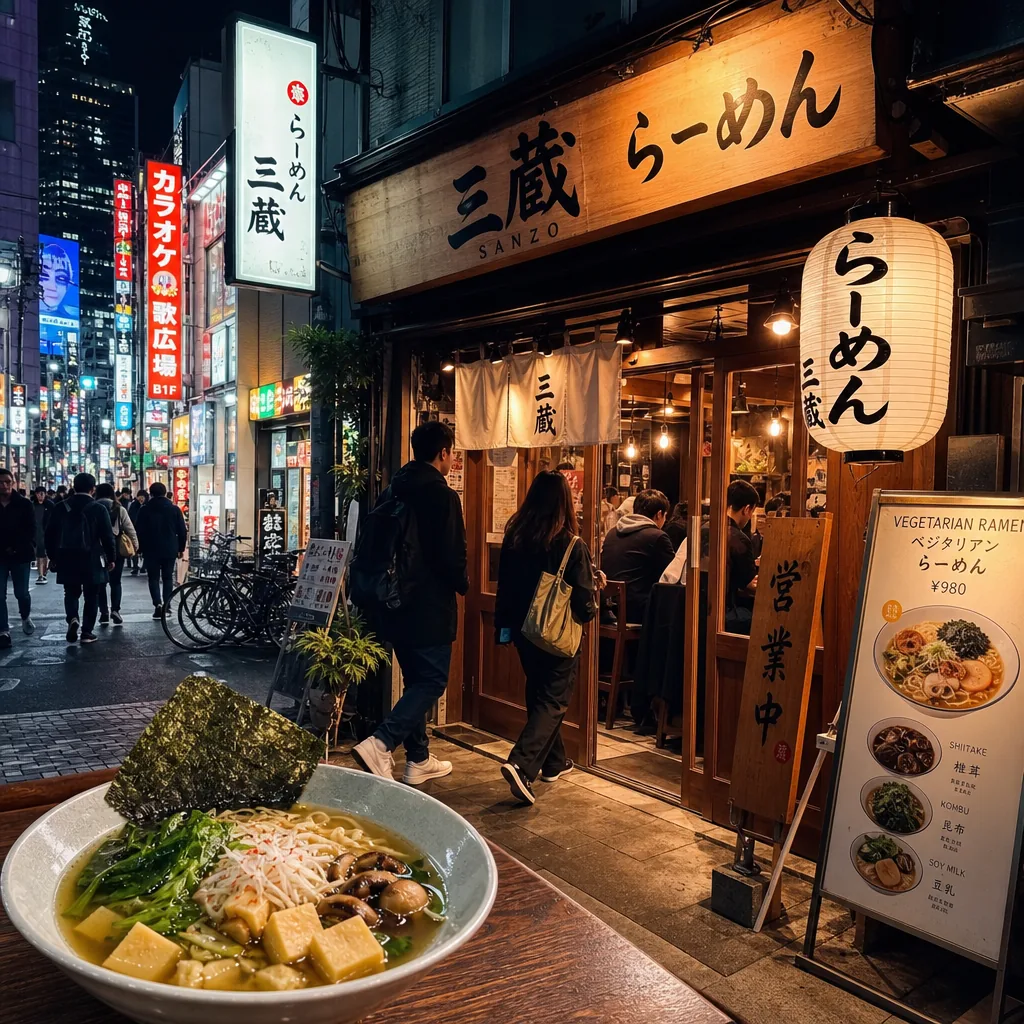
Find late-night vegetarian ramen in Tokyo by focusing on Shibuya, Shinjuku, and Roppongi, then verify broth, hours, and vegan menu details.