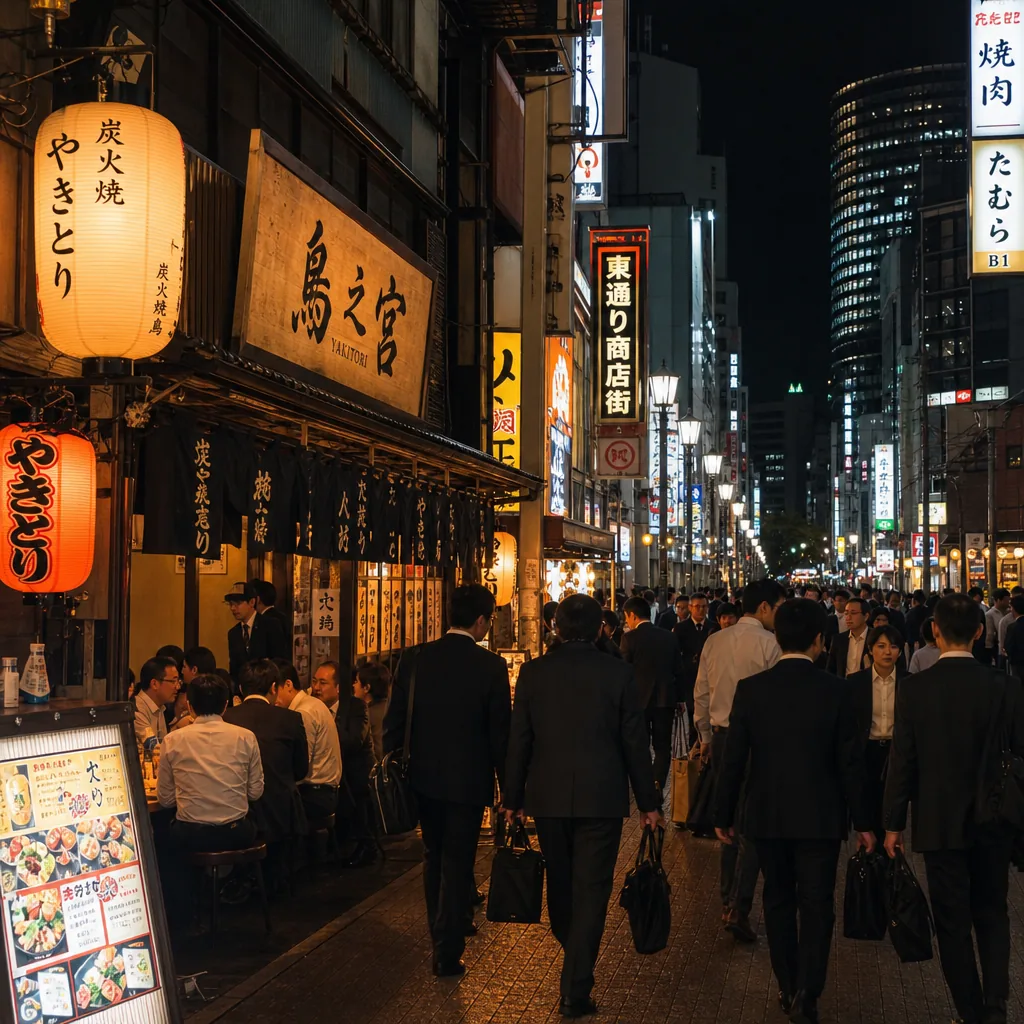
Where can I find english-friendly yakitori in Osaka after work?
Find English-friendly yakitori in Osaka after work by targeting Umeda, Namba, and Honmachi, plus booking sites and multilingual menus.
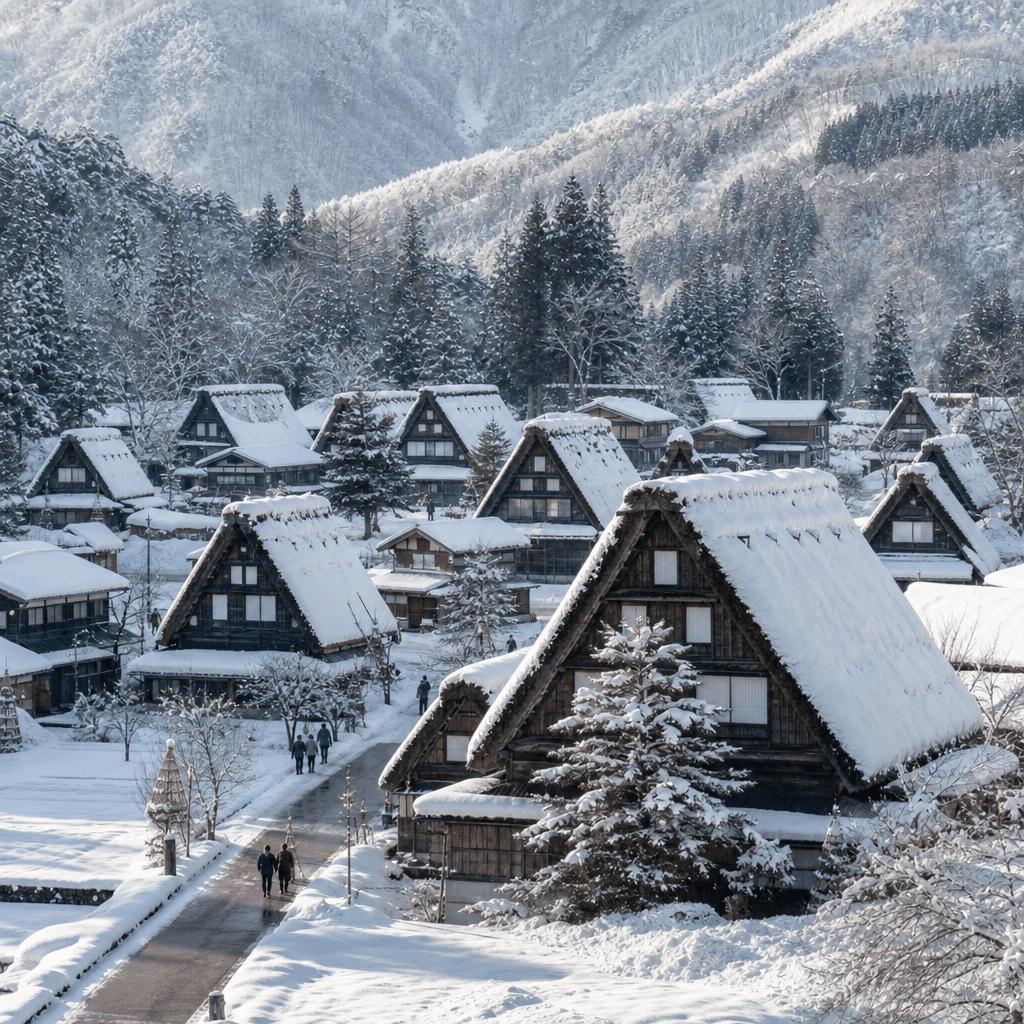
Yes—Shirakawa-go is one of the easiest countryside day trips from Kanazawa, especially if you use the direct highway bus from Kanazawa Station to Ogimachi village. With an early departure and a late-afternoon return, you can comfortably see the UNESCO-listed thatched-roof farmhouses, walk the main village lanes, and still be back in Kanazawa the same day [1][2][3].
Shirakawa-go is practical from Kanazawa because the main sightseeing area, Ogimachi, is already set up for short visits. The village is part of the UNESCO World Heritage listing for the Historic Villages of Shirakawa-go and Gokayama, and it is known for gassho-zukuri farmhouses with steep thatched roofs designed for heavy snow [3].
For first-time visitors, that means you do not need to build a complicated itinerary around multiple villages to get a rewarding experience. One village center, one main transport route, and a compact walking area make it easy to visit in a single day [1][2].
The most straightforward option is the highway bus from Kanazawa Station to Shirakawa-go. Hokutetsu Bus operates a direct service, and the official access page shows the route as a standard way to reach Shirakawa-go from the Kanazawa Station area [2]. Kanazawa Station is the city’s main rail hub, so it is the natural starting point for most travelers [5].
According to the official Shirakawa-go and Gokayama site, bus service and connections can vary by season, and some buses continue onward to other destinations depending on the timetable [1]. That is useful if you are combining Shirakawa-go with another stop, but for a simple day trip, round-trip service between Kanazawa and Shirakawa-go is usually the cleanest plan [1][2].
Book ahead when possible during busy travel periods. The bus operator notes that reservations are recommended for certain highway bus services, which is especially important on weekends, holiday periods, and winter tourism peaks [2].
The easiest way to make the trip work is to leave Kanazawa early, spend most of the day in Ogimachi, and return in the late afternoon or evening. That keeps the day relaxed and leaves enough time for slow walking, a meal, and a museum or observatory stop without rushing [1][2].
A practical structure looks like this:
If you prefer a slower pace, build in extra time for winter conditions. Snow and icy roads can affect walking comfort, so checking weather, road, and bus updates before departure is important [1].
Ogimachi is the best-known part of Shirakawa-go and the best choice for a first visit. The village is compact enough that you can get a strong overview on foot, and the iconic gassho-zukuri houses are the main reason travelers come here [1][3].
Start with the village streets themselves, because the setting is the attraction: steep-roofed farmhouses, narrow lanes, and mountain scenery. Then add a few named stops to make the visit more concrete.
Those three stops are enough to give your trip structure without overloading the day. If you have limited time, prioritize the village walk and one elevated viewpoint first, because the landscape and rooflines are what make Shirakawa-go distinctive [1][3].
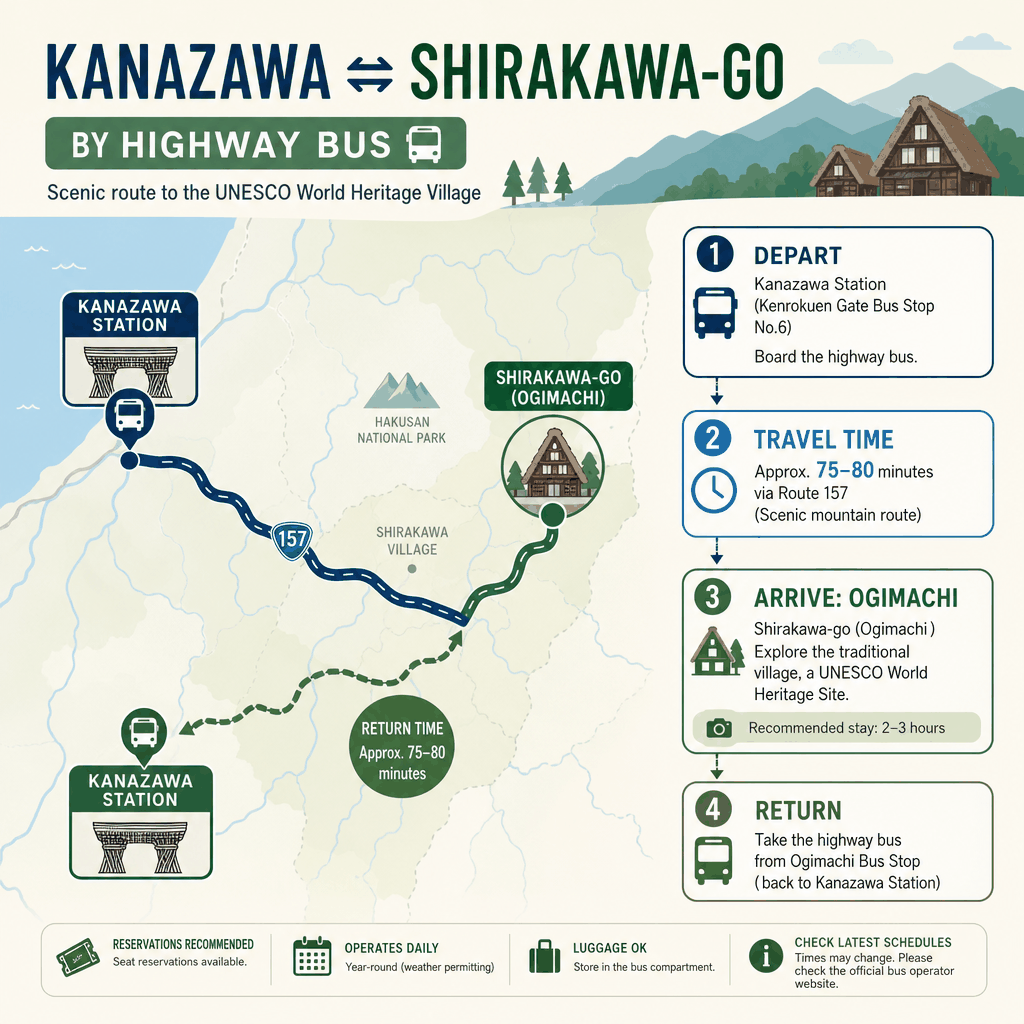
Reserve your bus seats early if your trip falls in a busy season. The official bus page specifically advises advance reservations for some highway bus services, and that is the safest way to avoid losing your preferred departure time [2].
Keep luggage simple. A day bag is ideal, because you will be walking in a compact village area, and carrying a large suitcase through bus boarding and village lanes adds unnecessary hassle. If you are arriving in Kanazawa by rail, Kanazawa Station’s role as the city’s main transport node makes it easy to start the day from one central point rather than moving between multiple stations [5].
Weather matters more here than in a city day trip. Shirakawa-go’s mountain setting means winter conditions can change how easy it is to walk, and the official site recommends checking updates before you go [1]. If snow is heavy, plan for slower movement between stops and allow extra time at the bus terminal and viewpoints [1][2].
A short checklist helps:
If you want to go beyond the standard day trip, the UNESCO listing also includes Gokayama villages such as Ainokura [3]. Japan National Tourism Organization materials describe Shirakawa-go and Gokayama together as a broader heritage area, which is helpful if your schedule is flexible [4].
That said, adding Gokayama usually means giving up the relaxed pace that makes Shirakawa-go easy from Kanazawa. For most travelers, the best approach is to do Ogimachi as a dedicated day trip first, then save Gokayama for a separate, longer countryside plan [1][3][4].
In short, the smartest Kanazawa-to-Shirakawa-go trip is simple: start early, take the direct highway bus, focus on Ogimachi, and keep one eye on the weather and return schedule. That gives you a smooth, realistic day trip without trying to force too much into one outing [1][2][3].
CallButler is a multilingual concierge service that handles research, coordination, and bookings so you do not have to navigate language barriers or unfamiliar systems alone. If you need help related to How do I plan a Shirakawa-go day trip from Kanazawa? or the tasks around it, our team can step in to manage the details and keep things moving smoothly.
Find English-friendly yakitori in Osaka after work by targeting Umeda, Namba, and Honmachi, plus booking sites and multilingual menus.
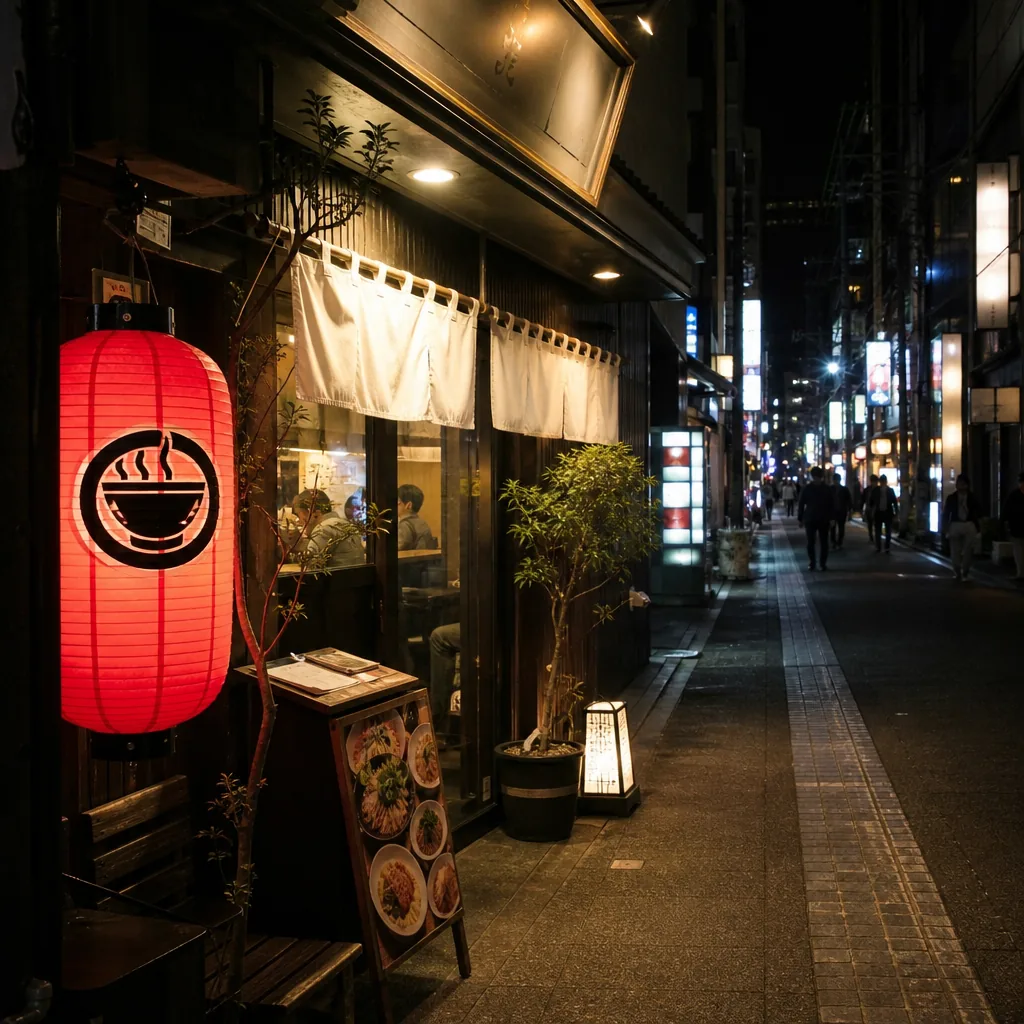
Looking for halal ramen in Kyoto after 10 p.m.? Here’s where to check, which areas are most practical, and how to verify hours and halal status.
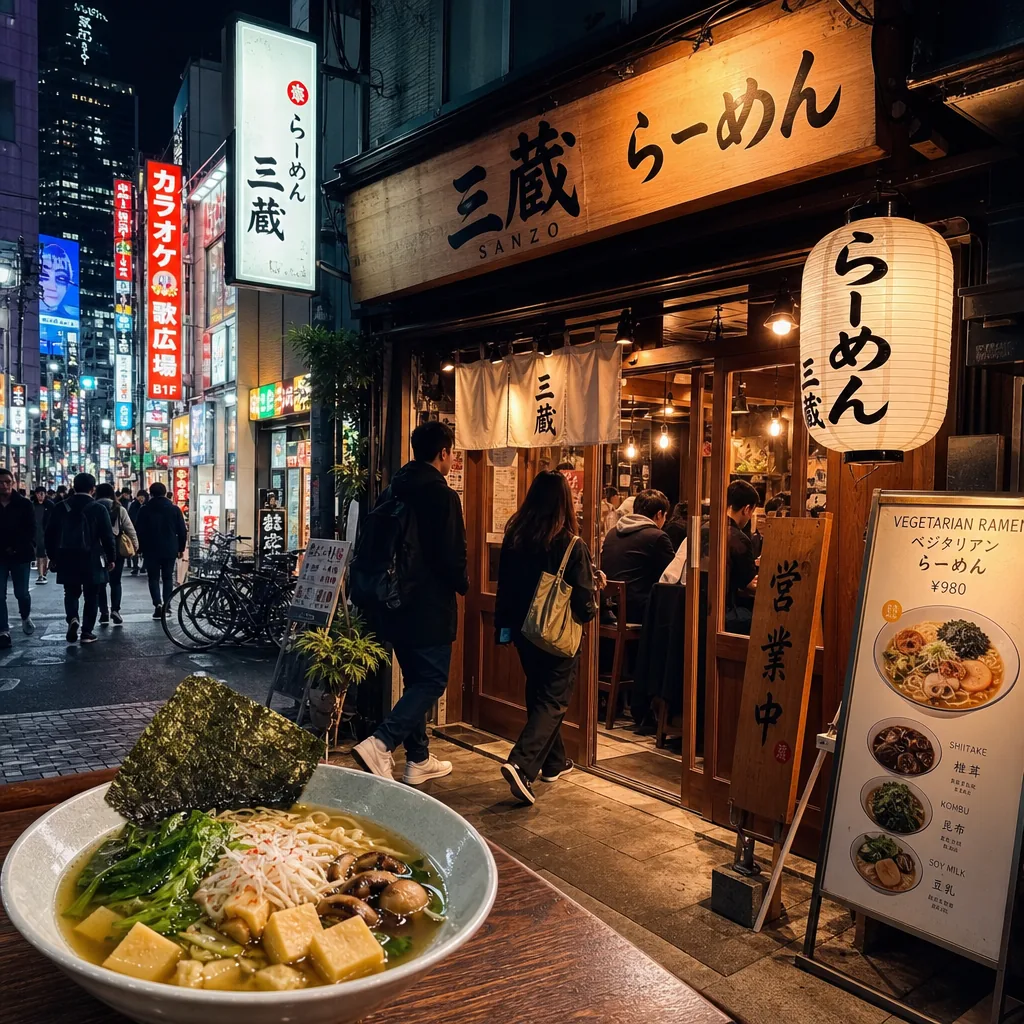
Find late-night vegetarian ramen in Tokyo by focusing on Shibuya, Shinjuku, and Roppongi, then verify broth, hours, and vegan menu details.