Article overview: How can I get allergy medicine in Japan w…
If you need allergy medicine in Tokyo, you can usually buy second‑generation antihistamines, eye drops, and many nasal sprays over the counter at drugstores; for prescription‑only or stronger treatments you must visit a clinic so a doctor can write a prescription that a pharmacy will fill [1][5]. For help finding English‑friendly clinics or emergency care, use Tokyo Metropolitan Government resources such as the Himawari Medical Information Center and official JNTO guidance [2][1].
Overview: allergy medicines available in Tokyo
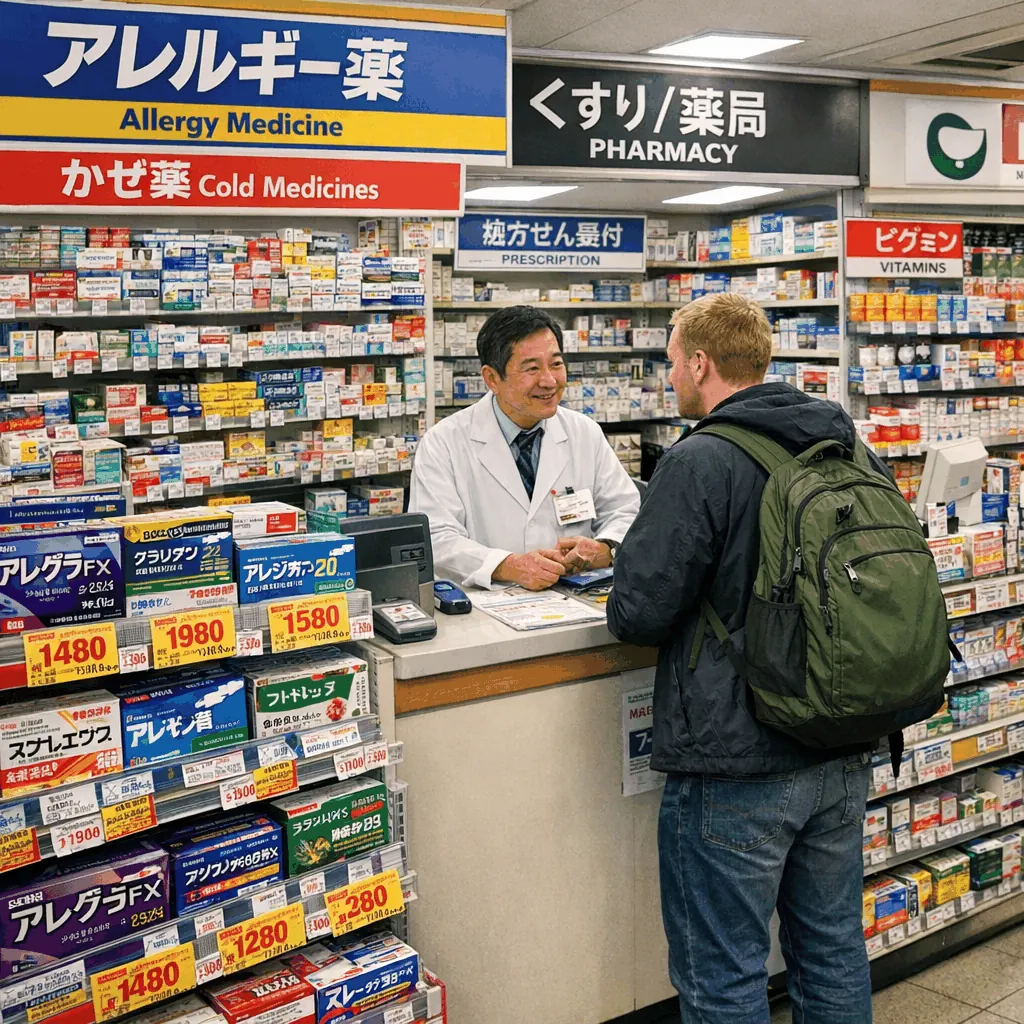
Common, non‑prescription allergy treatments are widely available in Tokyo drugstores (ドラッグストア) and pharmacies. Typical OTC options include non‑sedating second‑generation oral antihistamines (look for active ingredients such as cetirizine, loratadine, or fexofenadine), antihistamine or lubricating eye drops, and saline or some medicated nasal sprays [4][5]. Professional societies and travel health pages note that stronger topical nasal steroids or certain systemic medicines may be prescription‑only in Japan [4][1].
Where to buy in Tokyo: pharmacies, drugstores and convenience stores
Large drugstore chains and local pharmacies in central neighborhoods (Shinjuku, Shibuya, Ginza, Ikebukuro) sell OTC antihistamines, eye drops and nasal sprays; for example, major drugstores often found across Tokyo are listed in travel health guides as the main places to buy over‑the‑counter medicines [5]. For English help or broader product selection, visit drugstores near major stations or tourist hubs.
Drugstores: widely available in shopping districts; travel guides note chains like major pharmacy/drugstore outlets as primary sources for OTC meds [5].
Hospital pharmacies: if you get a prescription, most hospital outpatient pharmacies will fill it on site—Tokyo hospitals handle this routinely and are listed in Tokyo Metropolitan Government directories [2].
Convenience stores: sell basic medical supplies (eye drops, saline) but not prescription medicines [5].
When you need a prescription and how to get one (clinics/hospitals)
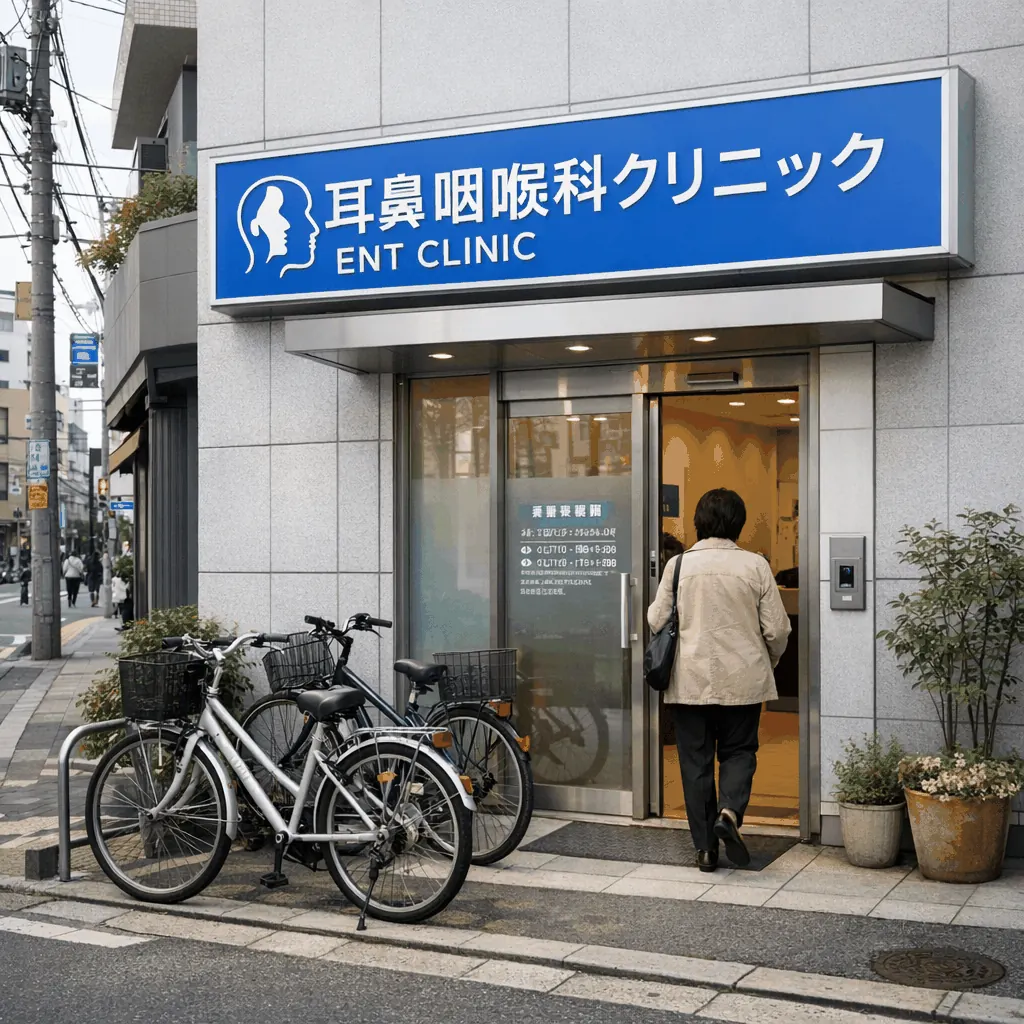
If OTC medicine doesn’t control symptoms, or if you need a medicine that is prescription‑only in Japan (stronger topical steroids, certain antihistamines), book a visit to an ear–nose–throat clinic (耳鼻咽喉科) or an internal medicine clinic (内科). Tokyo Metropolitan Government provides a medical institutions guide and the Himawari Medical Information Center to help find clinics that can accept foreign patients or provide English support [2]. JNTO’s healthcare page also explains how to access care and where to find English information for visitors [1].
Search Himawari or Tokyo’s medical institution directories to locate an ENT or internal medicine clinic in your ward and check for English support [2].
At the clinic you’ll be seen, the doctor will examine you and can write a prescription (処方箋). Hospital outpatient pharmacies or neighborhood pharmacies will fill that prescription the same day in most cases [2][1].
If you need urgent care, follow JNTO guidance for emergency medical services and use the Tokyo Metropolitan emergency contacts listed on the city site [1][2].
Bringing medication into Japan: customs rules and yakkan shoumei
If you bring allergy medication from home, Japan Customs permits small quantities for personal use but requires prior documentation for certain controlled substances. Medicines containing narcotics or controlled stimulants may need a “yakkan shoumei” import certificate issued in advance; check Japan Customs guidance for the exact rules, allowed quantities, and the application process before you travel [3]. Keep medicines in their original packaging and carry a copy of the prescription or a doctor’s letter when possible.
Practical tips for foreigners in Tokyo (language, reading labels,...
Bring or write down active ingredient names rather than brand names — cetirizine (セチリジン), loratadine (ロラタジン), fexofenadine (フェキソフェナジン) — to match Japanese product labels and pharmacist recommendations [4].
Use Tokyo resources for English help: call the Himawari Medical Information Center to find clinics that accept foreigners or have language support; the Tokyo Metropolitan Government page explains how to use medical services as a foreigner [2].
If you don’t speak Japanese, bring a printed list of symptoms and any current medicines, use translation apps at the pharmacy, or go to larger drugstores near major stations where staff are more likely to understand basic English [1][5].
Keep customs documentation handy if you brought medicines with you; follow the Japan Customs online guidance to avoid delays at the airport [3].
Quick next steps and resources
1) For immediate purchases, visit a nearby drugstore listed in travel guides to buy OTC antihistamines and eye drops [5]. 2) If OTCs are insufficient, contact the Himawari Medical Information Center or use the Tokyo Metropolitan Government directory to find an ENT or internal medicine clinic that can issue a prescription [2]. 3) If you brought medicine from home, verify quantities and controlled‑substance rules with Japan Customs and apply for a yakkan shoumei if required before traveling [3].
Use the Japan National Tourism Organization guidance on healthcare access in Japan for visitor‑friendly steps and emergency information, and consult the Japanese Society of Allergology for details on drug classes and recommended active ingredients when comparing products [1][4]. With these local resources (Himawari, Tokyo medical directories, and major drugstores) you can manage seasonal or chronic allergies reliably while in Tokyo [2][5].
How CallButler Can Help
CallButler is a multilingual concierge service that handles research, coordination, and bookings so you do not have to navigate language barriers or unfamiliar systems alone. If you need help related to How can I get allergy medicine in Japan while in Tokyo? or the tasks around it, our team can step in to manage the details and keep things moving smoothly.