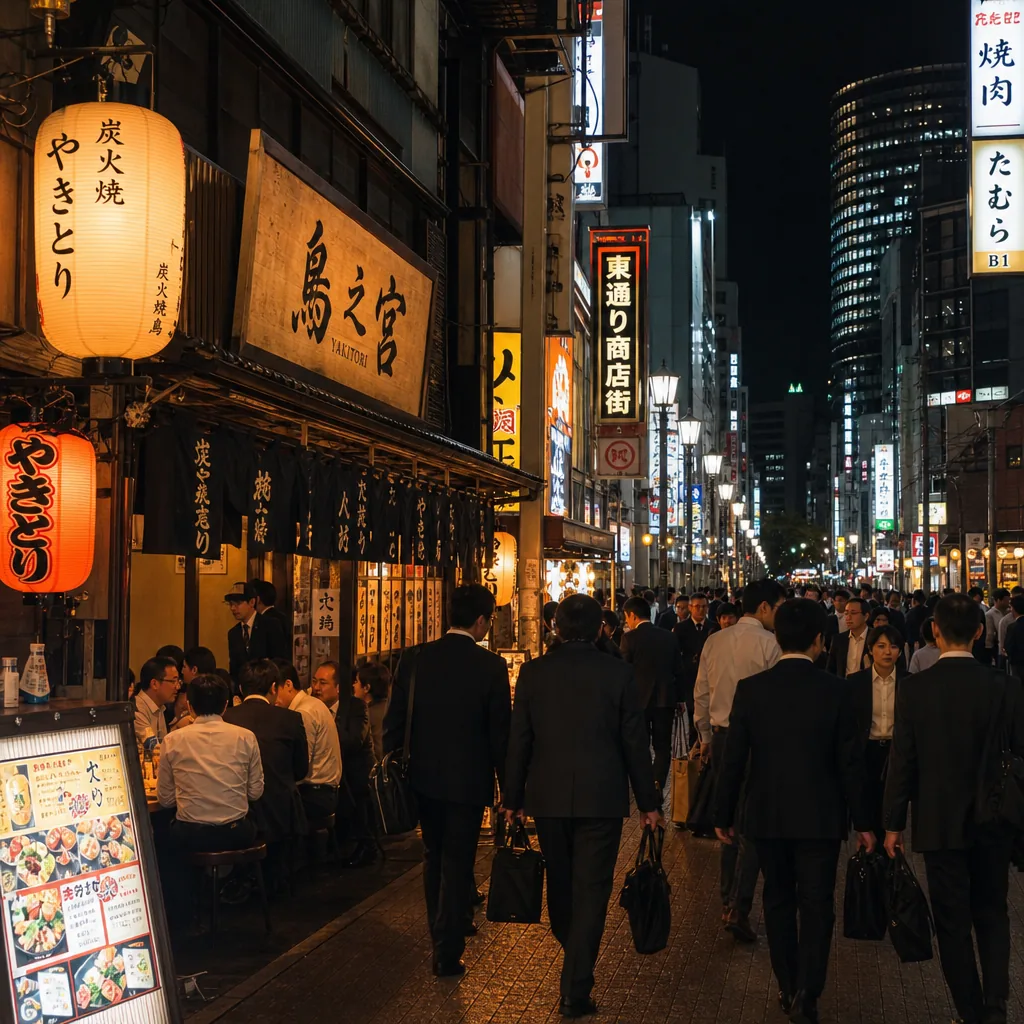
Where can I find english-friendly yakitori in Osaka after work?
Find English-friendly yakitori in Osaka after work by targeting Umeda, Namba, and Honmachi, plus booking sites and multilingual menus.
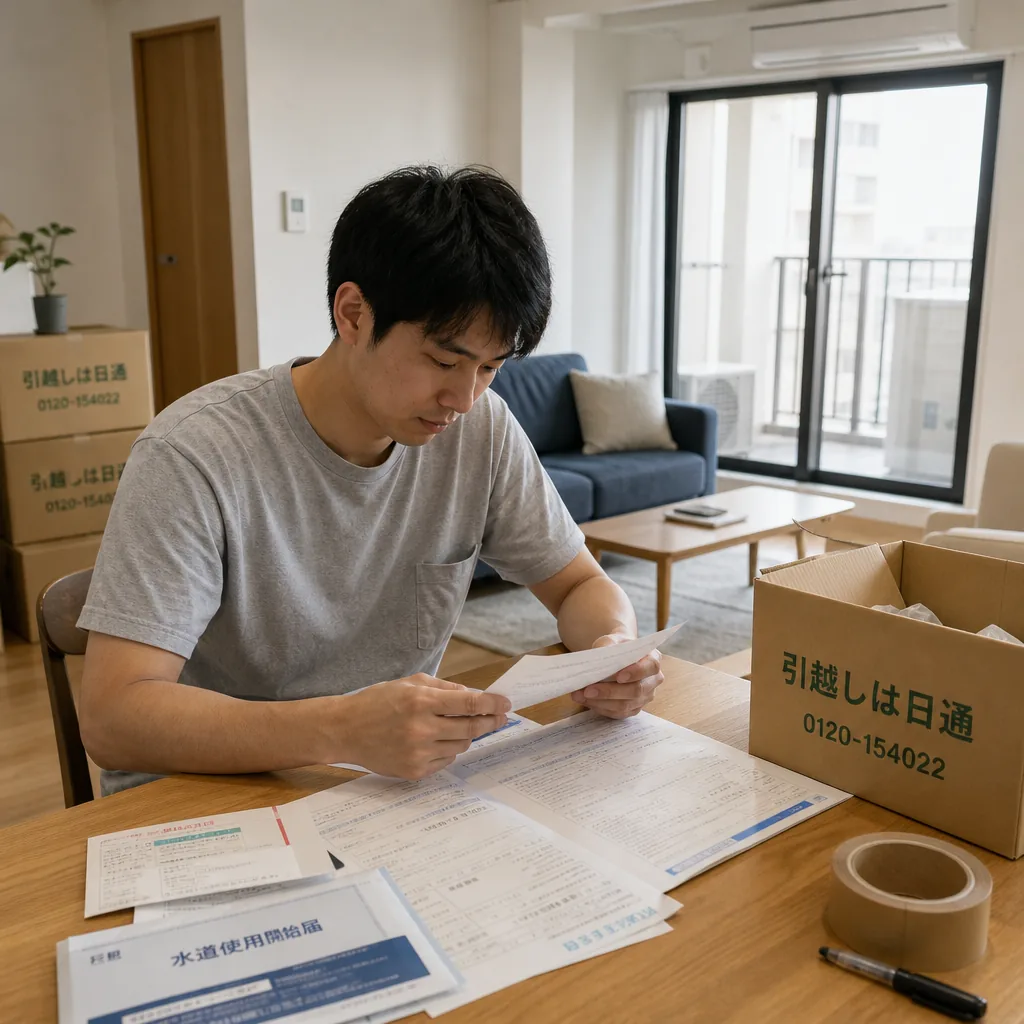
Yes—expats in Tokyo usually need to set up electricity, gas, water, and internet themselves after moving in, unless the landlord or management company handles part of it. The fastest approach is to start electricity and water as soon as you have your move-in date, then book gas activation immediately because it often requires an in-person safety check before you can use the stove or hot water [1][2][3].
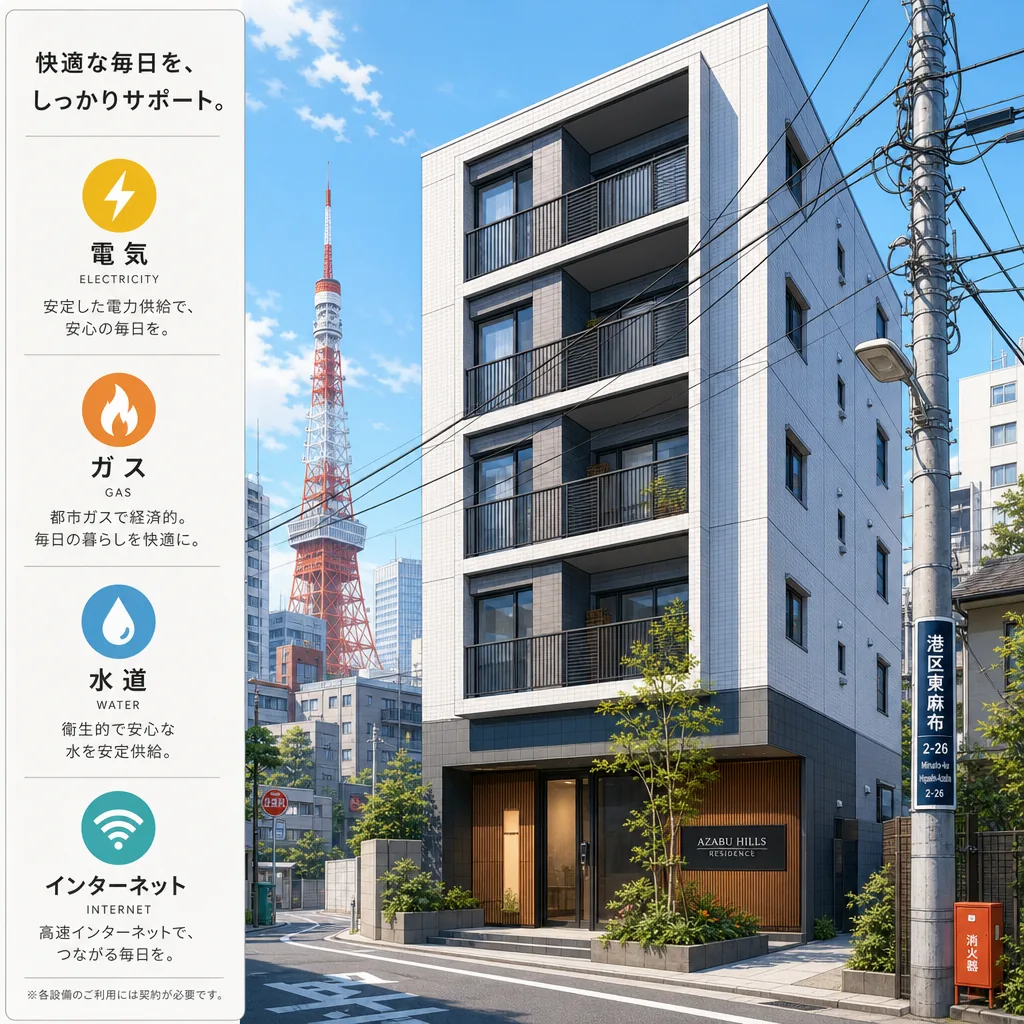
In a typical Tokyo apartment, the essentials are electricity, gas, and water; internet is separate and often takes longer to install [1][2][3]. The order matters because electricity can usually be started remotely, while gas in Tokyo usually cannot be fully opened until a technician visits the unit for a safety inspection [2].
If you are moving into a managed apartment in neighborhoods like Shinjuku, Shibuya, or Setagaya, ask the landlord or real estate agent whether any utility steps were already handled. Some move-in packets only explain the final customer-side signup, but they may also include the building’s provider details and meter locations.
TEPCO Energy Partner is one of the major electricity providers in the Tokyo area, and its English pages explain how to start service online or by phone [1]. In many cases, you can submit your address, move-in date, and contact details without waiting for an in-person visit. Electricity is usually the easiest utility to activate first because it is typically remote and fast.
Before your move-in day, check the breaker panel in the apartment and confirm that the power is off until your start date. Once the start request is accepted, the meter and breaker setup are usually enough for service to begin; if the unit uses a smart meter, the process may be even smoother [1].
Tokyo Gas serves much of the city, and its English service page shows that gas start/stop requests can be arranged online or by phone [2]. The important difference from electricity is that Tokyo gas service usually requires an on-site opening appointment, where a technician checks safety and confirms the appliance setup before full activation [2].
That inspection is the step that often causes delays. If you are moving into a place in Ikebukuro, Kichijoji, or Shinagawa, book the appointment as early as possible so you are not stuck without hot water on your first night. Tokyo Gas makes this process clear on its service pages, and the company notes that customers should arrange the opening visit in advance [2].
Also check your appliances before the appointment. Gas stoves, water heaters, and flexible connectors must be compatible with the local supply; if you are using a secondhand appliance, bring the model information to the technician or ask your agent to confirm compatibility first [2].
Tokyo’s water service is managed by the Tokyo Metropolitan Government Bureau of Waterworks, which provides English guidance for new water use procedures [3]. Compared with gas, water is usually simpler to start because the process is administrative rather than inspection-based. You typically submit the service start request with your name, address, move-in date, and contact information [3].
For many apartments, the water meter and shutoff valve are already in place, so once your start date arrives, service can begin without a technician visit. If your building is older or your move-in paperwork is confusing, the Bureau of Waterworks’ customer channels can help you confirm the correct procedure [3].
If you are moving into a building in areas such as Ueno, Nakano, or Meguro, ask whether water charges are billed directly by the Bureau or bundled through the landlord. The answer affects which form you need to submit and where future bills will go.
Internet usually takes the longest, so apply as early as you can. The Japan National Tourism Organization’s living guide and the Ministry of Internal Affairs and Communications both note that foreign residents may need extra support when navigating Japanese-language procedures, which often applies to telecom contracts as well [4][5].
In Tokyo apartments, internet setup can depend on whether the building already has wiring or a contracted line. If the building is eligible and wiring is already installed, activation can be relatively quick; if not, installation may require a scheduled technician visit and additional contract verification. That is why expats moving into dense areas like Minato or Bunkyo should not wait until the end of the month to apply.
When comparing providers, look for English-language pages or call-center support, and confirm whether the service is fiber, home internet, or a mobile router. For short-term convenience, some newcomers choose a router while waiting for a full fixed-line installation. For long-term living, check whether the apartment association allows the equipment you want to use [4][5].
Most utility providers in Japan request the same basic information: your full name, Tokyo address, move-in date, phone number, and payment method [1][2][3][4]. Depending on the provider and contract type, payment may be arranged by bank transfer, credit card, or convenience store slip [4].
Language is another common issue. TEPCO, Tokyo Gas, and the Bureau of Waterworks all provide English pages, but not every form or phone menu is fully bilingual [1][2][3]. If you are not comfortable with Japanese, ask your landlord, real estate agent, or a Japanese-speaking friend to help confirm the address format, building name, and move-in date before you submit anything.
Start with the utility that can block daily life the most: gas. Without the opening appointment, you may have electricity but still no hot shower or stovetop use [2]. Second, keep your move-in packet together so you do not waste time searching for the meter number, building name, or management office contact.
Tokyo moves fast, but utility setup rewards early action. In practical terms, the best sequence is: electricity and water first, gas appointment second, internet third. That order matches how quickly each service can usually be activated and helps you settle into your new Tokyo neighborhood with fewer surprises [1][2][3][4].
CallButler is a multilingual concierge service that handles research, coordination, and bookings so you do not have to navigate language barriers or unfamiliar systems alone. If you need help related to How can expats set up utilities in Tokyo after moving in? or the tasks around it, our team can step in to manage the details and keep things moving smoothly.
Find English-friendly yakitori in Osaka after work by targeting Umeda, Namba, and Honmachi, plus booking sites and multilingual menus.
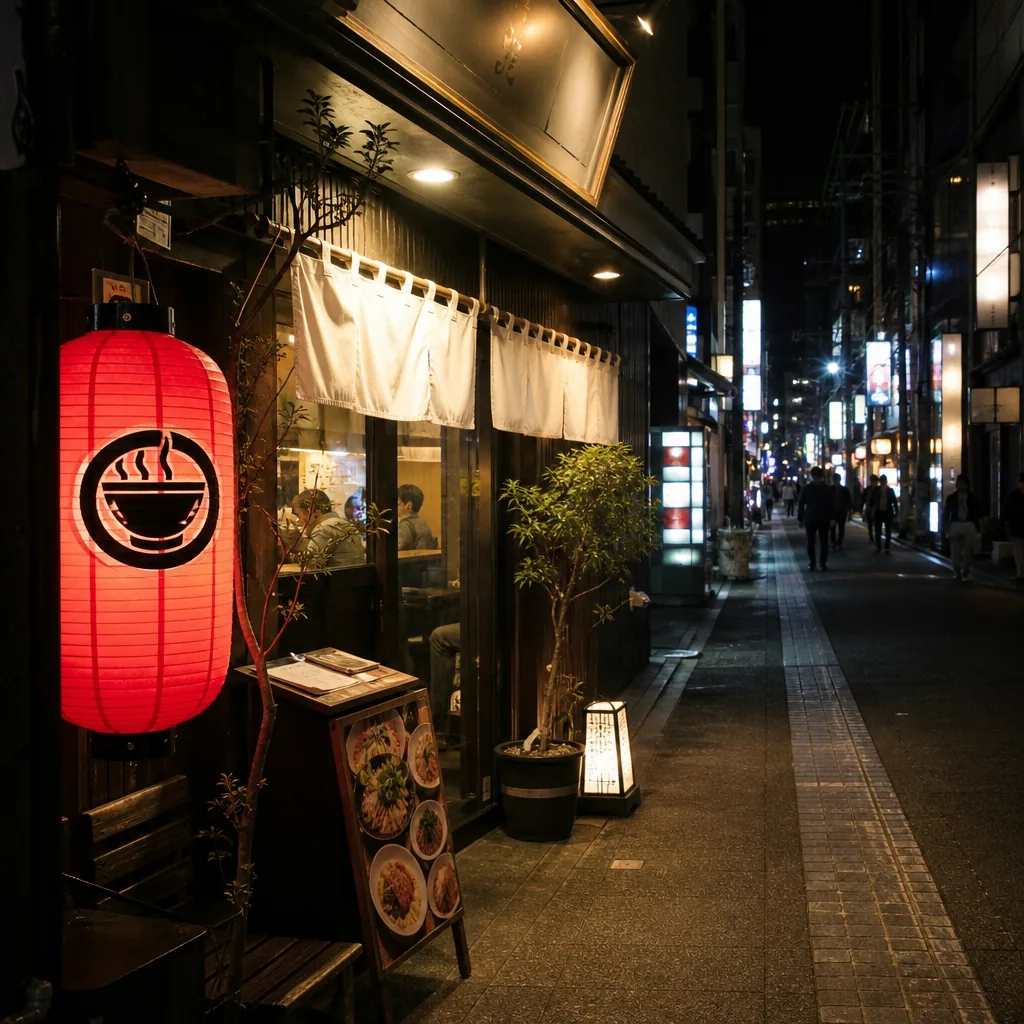
Looking for halal ramen in Kyoto after 10 p.m.? Here’s where to check, which areas are most practical, and how to verify hours and halal status.
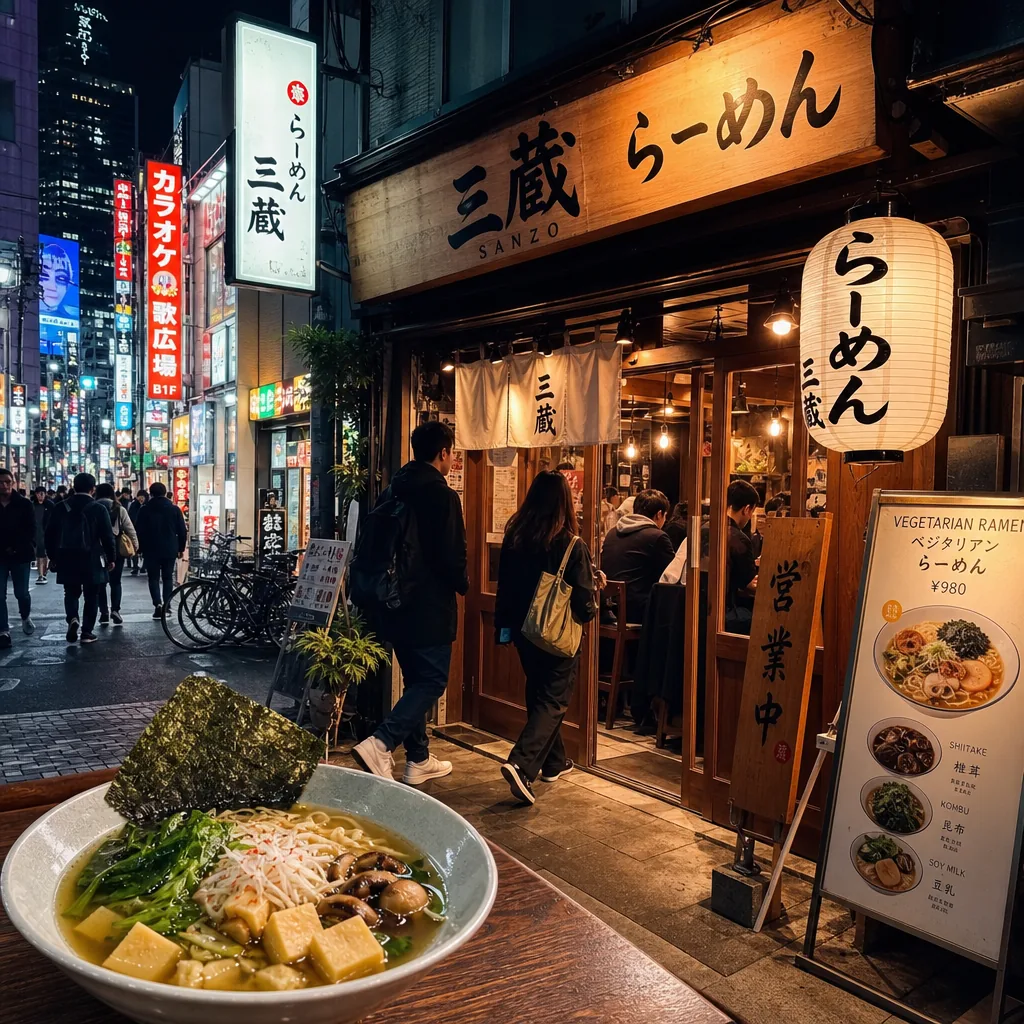
Find late-night vegetarian ramen in Tokyo by focusing on Shibuya, Shinjuku, and Roppongi, then verify broth, hours, and vegan menu details.