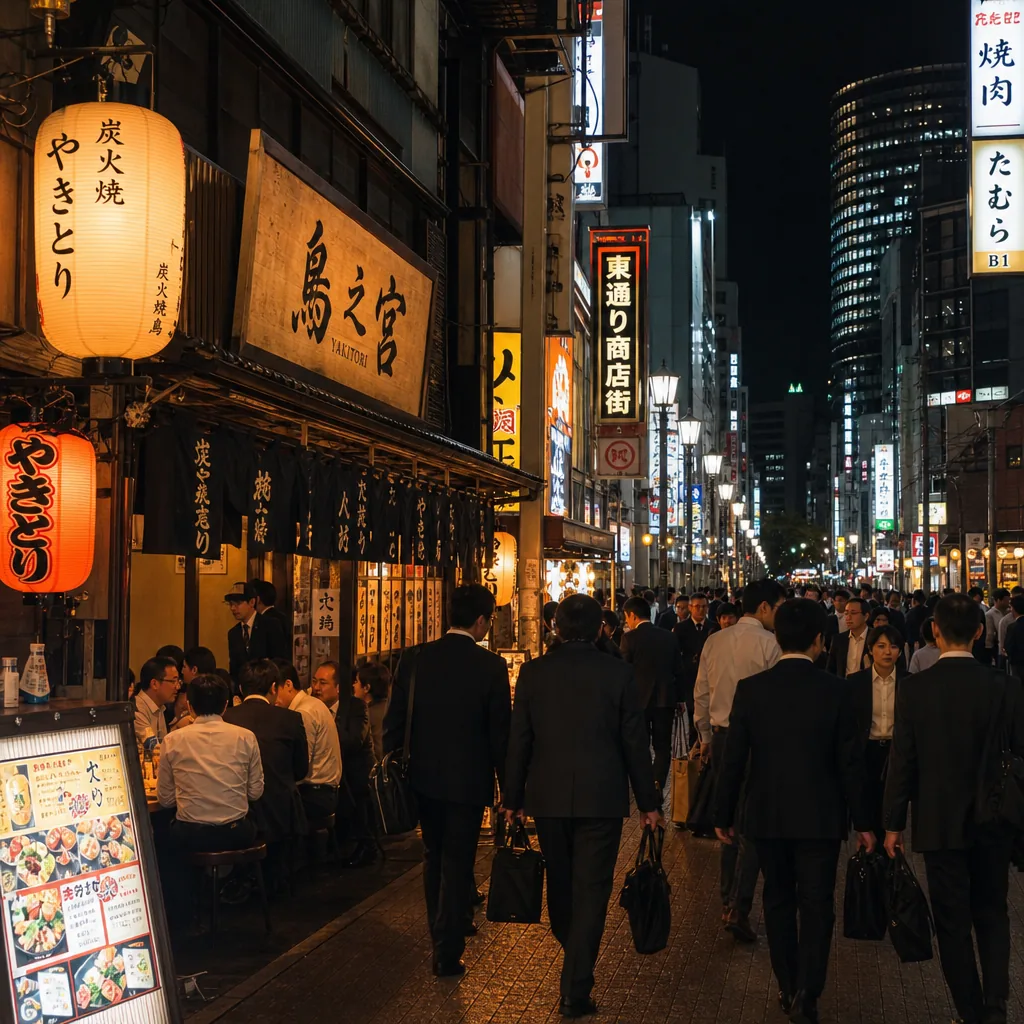
Where can I find english-friendly yakitori in Osaka after work?
Find English-friendly yakitori in Osaka after work by targeting Umeda, Namba, and Honmachi, plus booking sites and multilingual menus.
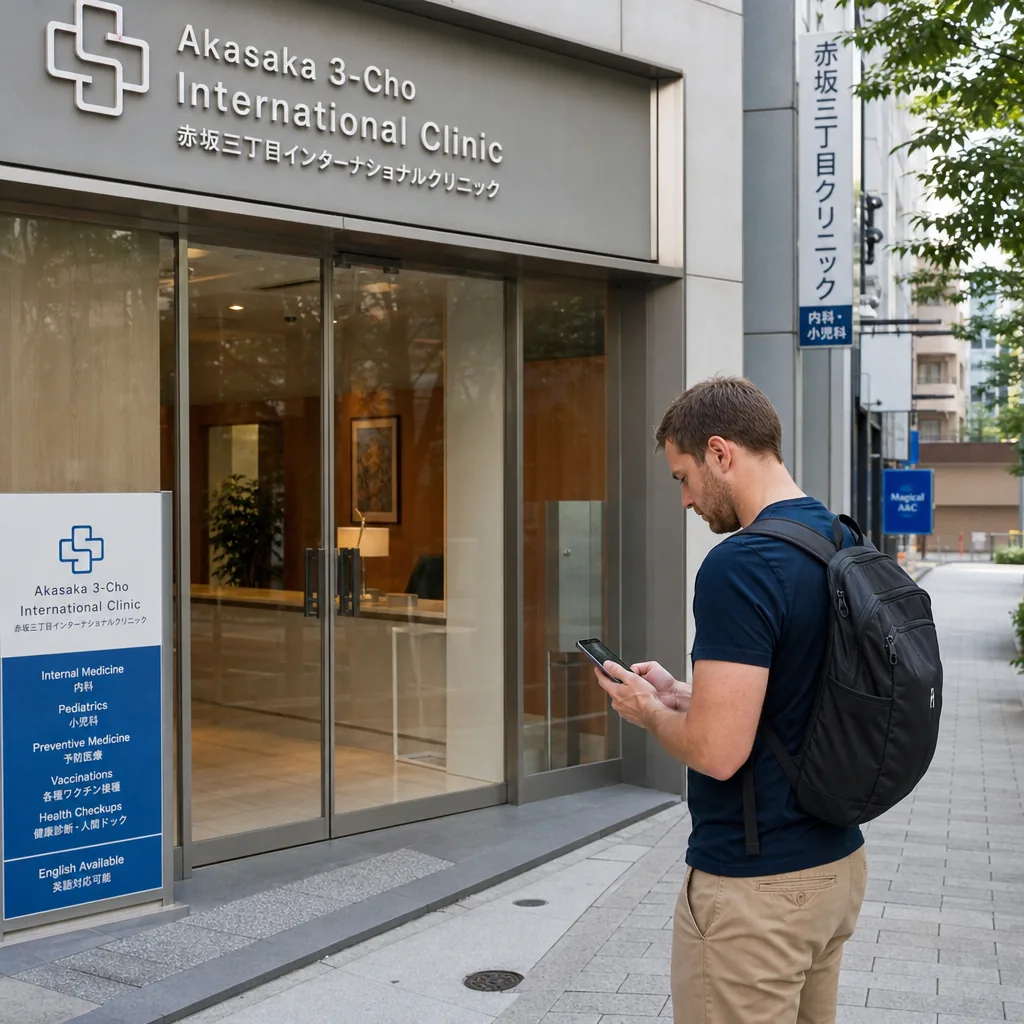
Yes—expats can find an English-speaking clinic in Tokyo quickly if they start with official Tokyo and Japan medical directories instead of searching randomly online. The fastest route is usually to check a public list, call the clinic to confirm language support, and have your insurance details ready before you leave home.
If you need care soon but it is not a life-threatening emergency, begin with the Tokyo Metropolitan Government’s medical information pages for foreign residents, which explain where to seek care and how to find medical institutions [1][5]. Tokyo also operates the Tokyo Metropolitan Health and Medical Information Center, which provides consultation and medical institution information support for people trying to find the right place to go [2].
For a broader search, the JNTO Japan Medical Institution Search lets you filter facilities by foreign-language support, which is helpful if you need English and a specific specialty such as internal medicine, pediatrics, or dentistry [3]. The Tokyo Metropolitan Medical Institution Information Network, commonly used as the Himawari search portal, is another official directory for clinics and hospitals in Tokyo [4].
Tokyo’s official medical pages are especially useful because they are written for foreign residents and point you toward the right kind of care rather than just listing random clinics [1][5]. The Tokyo Metropolitan Health and Medical Information Center can help when you are unsure whether your symptom needs a clinic, a hospital, or another service [2].
JNTO’s Japan Medical Institution Search is a practical second step because it is designed for travelers and residents who need facilities with foreign-language support [3]. In Tokyo, the Metropolitan Medical Institution Information Network is useful for checking hours, department names, and other basic clinic information before you go [4].
Two large Tokyo hospitals that often come up in expat searches are St. Luke’s International Hospital in Chuo City and Keio University Hospital in Shinjuku, both of which are known for international-facing services and are the kind of institutions where English support is more likely than at a small neighborhood practice. In central Tokyo, that often makes them better options for complex cases or when you need help navigating a specialist appointment. 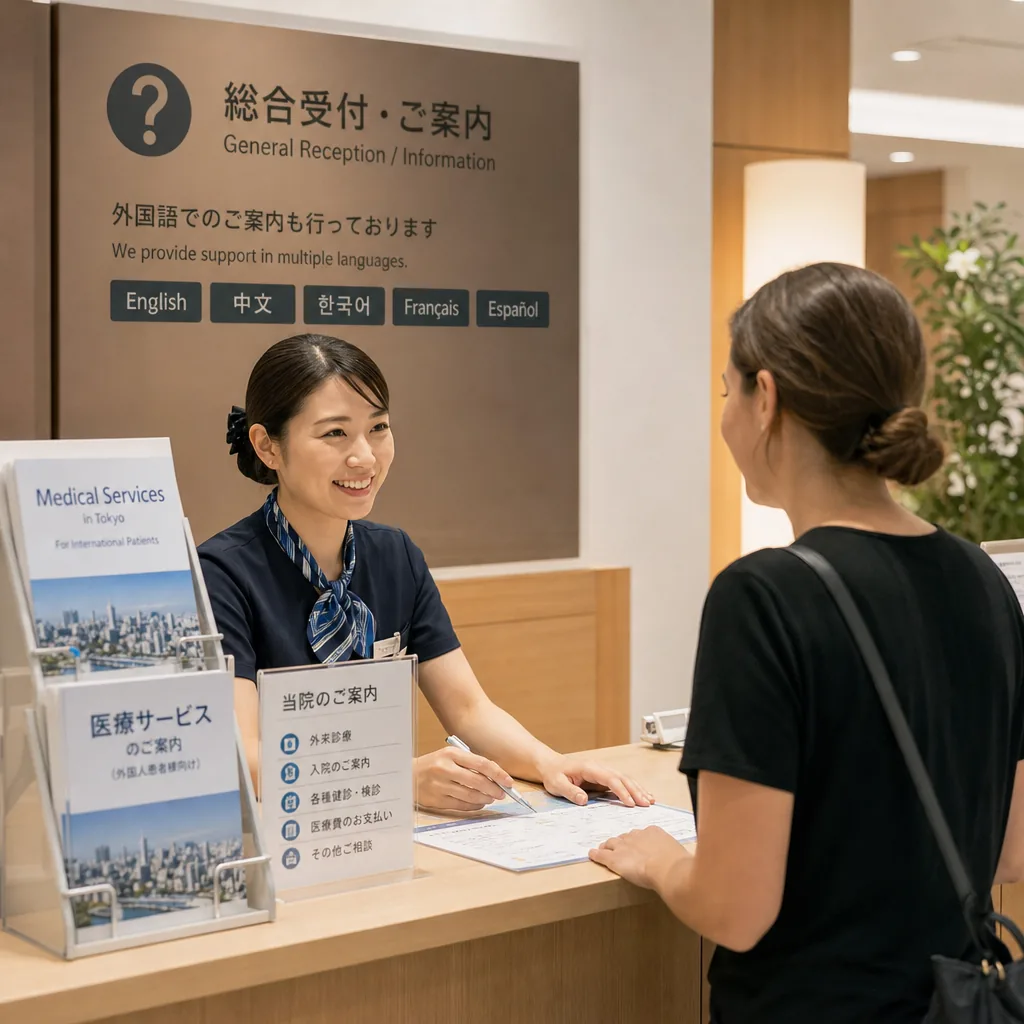
Do not assume a clinic is English-friendly just because it appears in a directory. Language support can vary by doctor, department, and even time of day, so you should confirm directly on the official website or by phone before traveling there [1][4].
Look for a clear statement such as “English available,” “foreign language support,” or “international patient services.” If the website only has a few English pages, that may mean the reception desk can handle basic communication but not a full medical consultation in English.
Before you make the trip, ask four practical questions: Can you see a doctor in English? Do you accept Japanese public health insurance? Do you need an appointment? And what should you bring? Tokyo clinics may differ on insurance acceptance and payment methods, and confirming that in advance can save time at the front desk.
If you are using Japanese public health insurance, ask whether the clinic can process it on the day. If you do not have it, ask about cash payment or card acceptance, because some clinics still prefer payment at the visit. It is also smart to ask how long a first visit usually takes; in Tokyo, hospital outpatient clinics can be slower than neighborhood practices, especially in busy wards like Shinjuku or Chuo.
Large hospitals are often the better choice when symptoms are complicated, when you need a specialist, or when you expect to need several tests. International departments or patient support desks at major Tokyo hospitals can help arrange English communication or interpretation, which is valuable if you need to move between reception, triage, and multiple departments.
If you cannot explain your symptoms well in Japanese, call first and ask whether the hospital can provide interpretation. Tokyo’s official medical resources and consultation services exist to reduce confusion in exactly these situations [1][2]. For urgent but non-emergency issues, that route is often faster than browsing reviews or map apps one by one.
Have a short English summary ready before you call or walk in. Include your main symptoms, when they started, any fever or pain level, allergies, current medications, and your insurance status. If possible, write the same points in simple Japanese or show them on your phone.
It also helps to save the names of a few Tokyo clinics near where you live or work, especially if you are in wards with many offices and hospitals such as Chiyoda, Shinjuku, or Minato. Then, if you feel unwell, you can move straight to a verified option instead of starting from zero.
In short, the quickest way to find an English-speaking clinic in Tokyo is to use official Tokyo and JNTO resources, call ahead to confirm language support, and check insurance and payment details before you go [1][2][3][4][5]. That approach is faster, safer, and much more reliable than relying on generic search results alone.
CallButler is a multilingual concierge service that handles research, coordination, and bookings so you do not have to navigate language barriers or unfamiliar systems alone. If you need help related to How can expats find English-speaking clinics in Tokyo quickly? or the tasks around it, our team can step in to manage the details and keep things moving smoothly.
Find English-friendly yakitori in Osaka after work by targeting Umeda, Namba, and Honmachi, plus booking sites and multilingual menus.
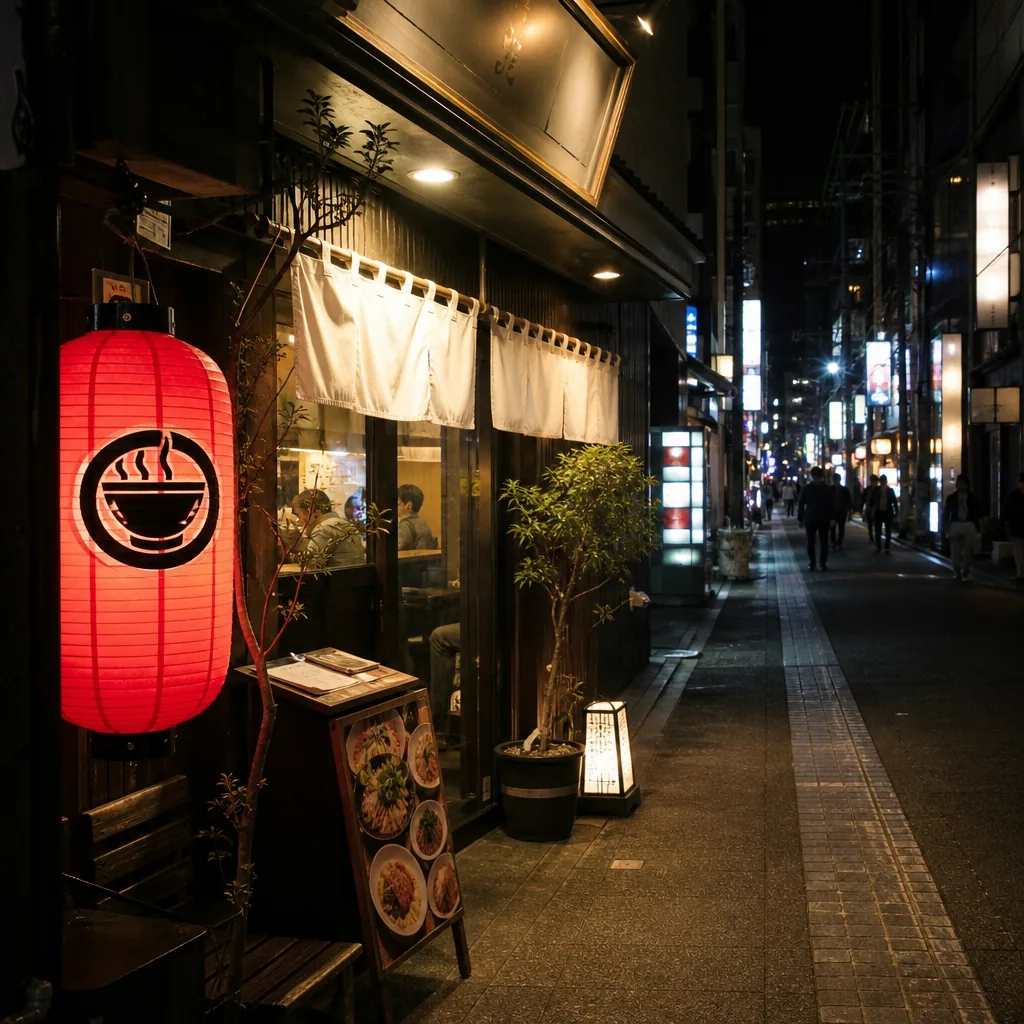
Looking for halal ramen in Kyoto after 10 p.m.? Here’s where to check, which areas are most practical, and how to verify hours and halal status.
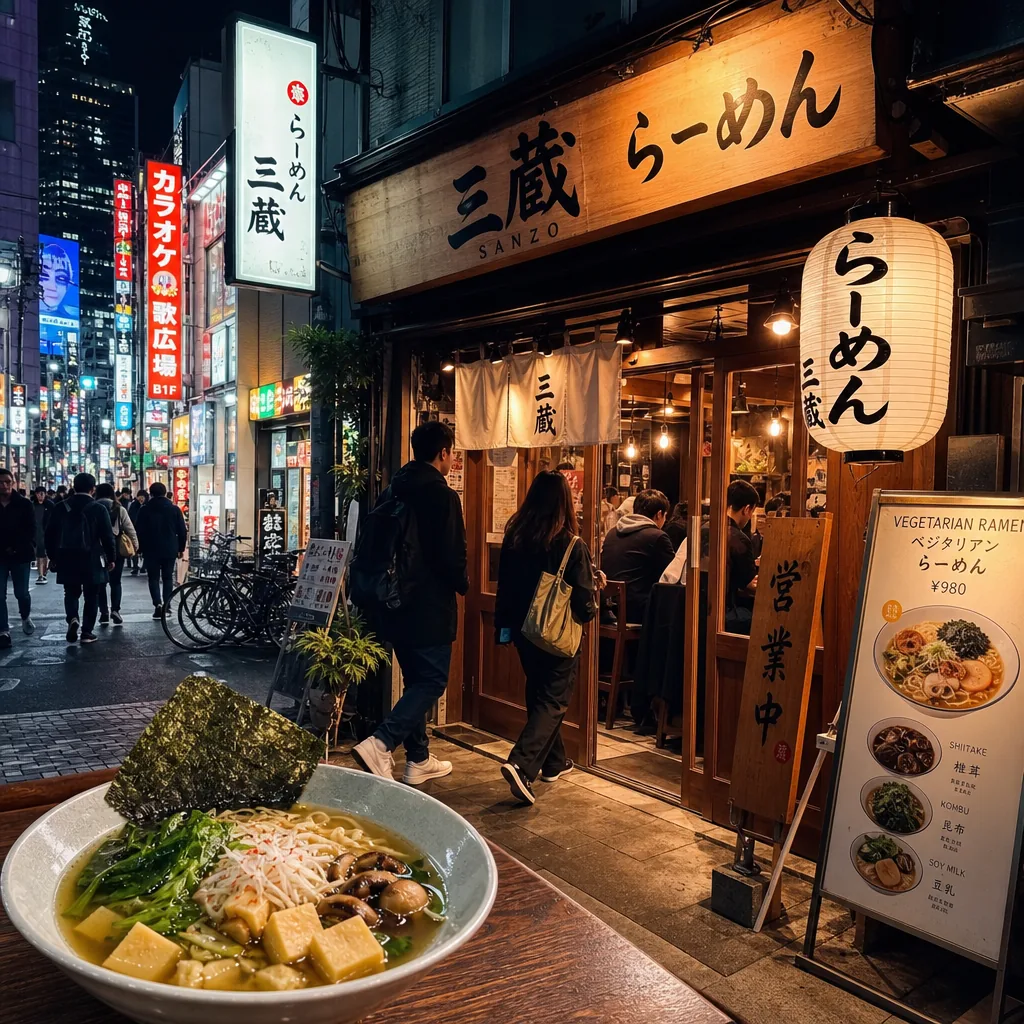
Find late-night vegetarian ramen in Tokyo by focusing on Shibuya, Shinjuku, and Roppongi, then verify broth, hours, and vegan menu details.