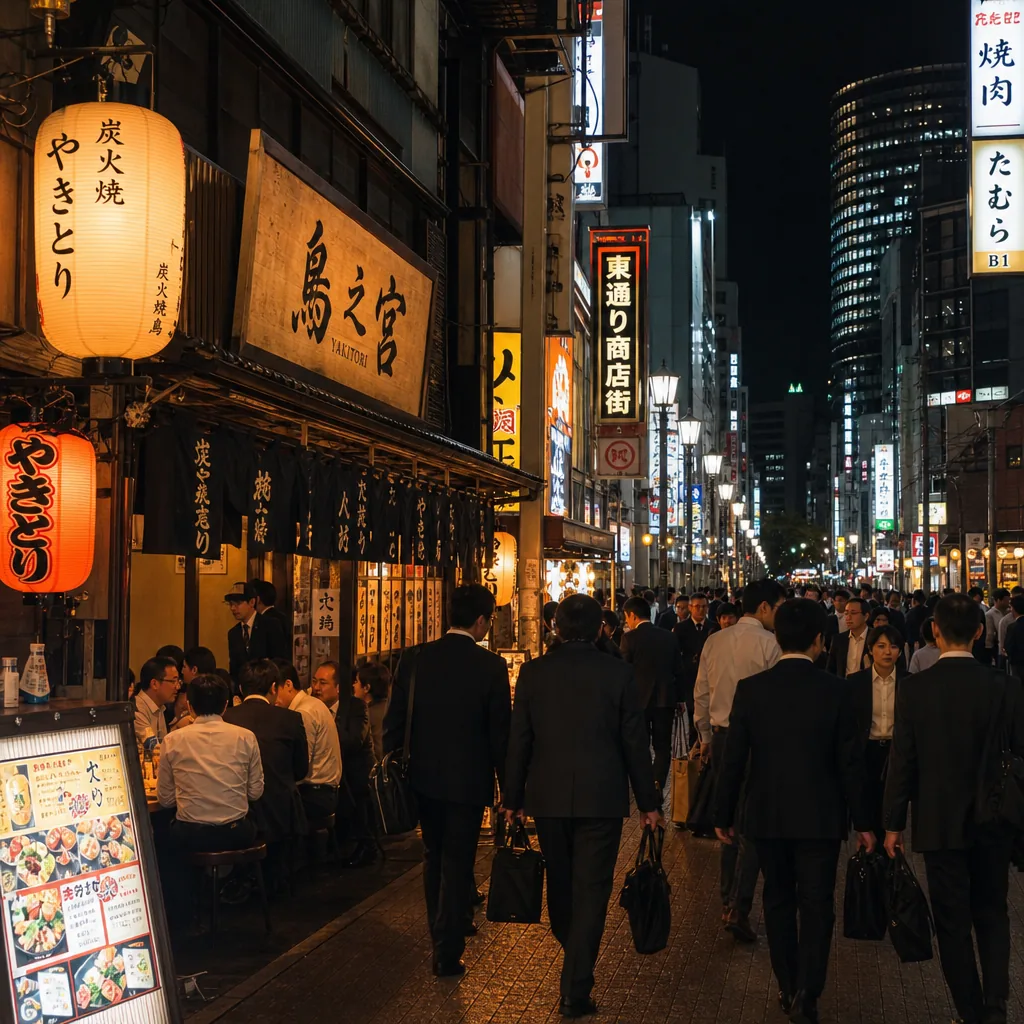
Where can I find english-friendly yakitori in Osaka after work?
Find English-friendly yakitori in Osaka after work by targeting Umeda, Namba, and Honmachi, plus booking sites and multilingual menus.
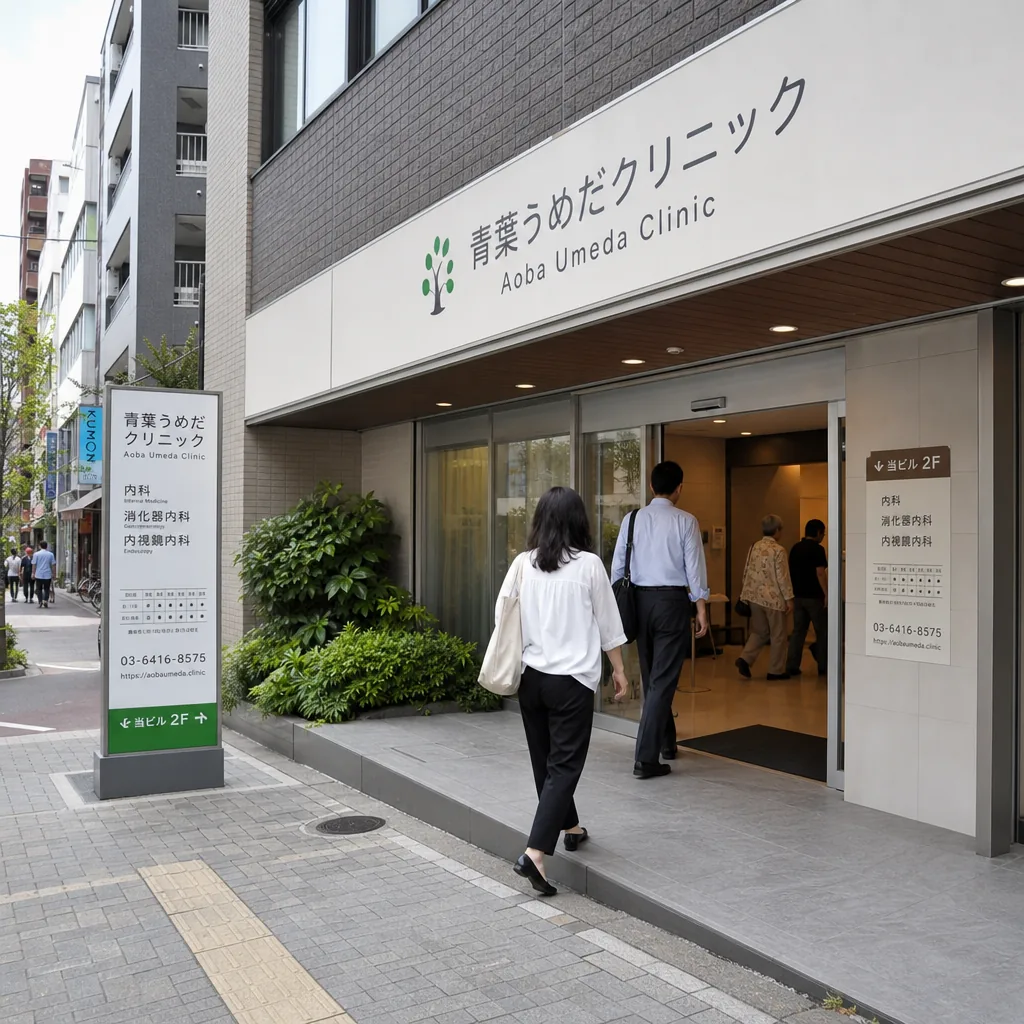
Yes—expats in Tokyo can find English-support clinics, but the safest approach is to start with official Tokyo directories and then call ahead to confirm language support, booking rules, and payment methods. In practice, “English supported” may mean anything from an English-speaking receptionist to a full interpretation desk, so checking details before you go matters.
The best first stop is the Tokyo Metropolitan Government’s medical information portal for foreigners, Himawari, which provides searchable information on medical institutions in Tokyo [1][2]. The site is designed to help non-Japanese speakers find hospitals and clinics, and it is more reliable than random review sites because it is maintained by the prefectural government [1][2].
Use it to search by area, department, and language support. That is especially useful if you are staying in central neighborhoods such as Shinjuku, Shibuya, or Toshima, where you may need a nearby clinic quickly rather than a large hospital across town [1][2].
Toshima City also provides multilingual medical information, which is helpful if you are in Ikebukuro or nearby and want a city-level starting point instead of searching from scratch [5]. For foreign residents who need broader help with daily life in Japan, the Ministry of Justice’s FRESC medical care guidance is another practical reference [3].
In Tokyo clinics, English support is not standardized. A clinic may have one English-speaking doctor, an English-speaking front desk staff member, translated forms, or access to a phone interpreter service. Some facilities only offer English support on certain days or for certain departments, so the label alone does not guarantee a smooth visit [1][2].
That is why a clinic listed as English-supported may still require advance booking, especially for same-day visits or specialist care. If you need dermatology, internal medicine, pediatrics, or gynecology, ask whether the English-speaking staff is available at the exact time of your appointment [1][2].
For mental health needs, Tokyo residents can also look at TELL, which provides mental health and support services in Japan in English [4]. That is not a general clinic directory, but it is a useful option if your concern is stress, anxiety, or other mental health support in English [4].
Before visiting, confirm three things: whether the clinic truly accepts English-speaking patients, whether you need an appointment, and whether they can handle your payment and insurance needs. Many clinics in Japan expect national health insurance, cash payment, or specific card terminals, so it is better to confirm the details than to assume [1][2].
Here is a simple checklist to use when you call or message the clinic:
If you are using a larger hospital, ask whether a referral letter is required. In Japan, many major hospitals prefer or require a referral for non-emergency care, and this can save you time and extra fees [1][2].
For common non-urgent issues, a neighborhood clinic is usually the easiest option because it is faster and closer to where you live. But for more complex symptoms, repeat testing, or care that may need interpretation support, a public or municipal hospital can be a better choice because larger facilities are more likely to have multilingual desks or formal interpretation services [1][2].
In Tokyo, public hospitals and major medical centers are often better equipped for foreigners than smaller private clinics. If you are near central Tokyo, look for institutions listed in Himawari’s foreigner-friendly database first, then compare them with ward-level resources in your area [1][2][5].
For example, if you live or work around Ikebukuro, Toshima City’s multilingual medical information can help you identify nearby options more quickly [5]. If you are closer to Shinjuku and need additional support for foreign residents, FRESC’s guidance can help you understand what type of care you may need and how to access it [3].
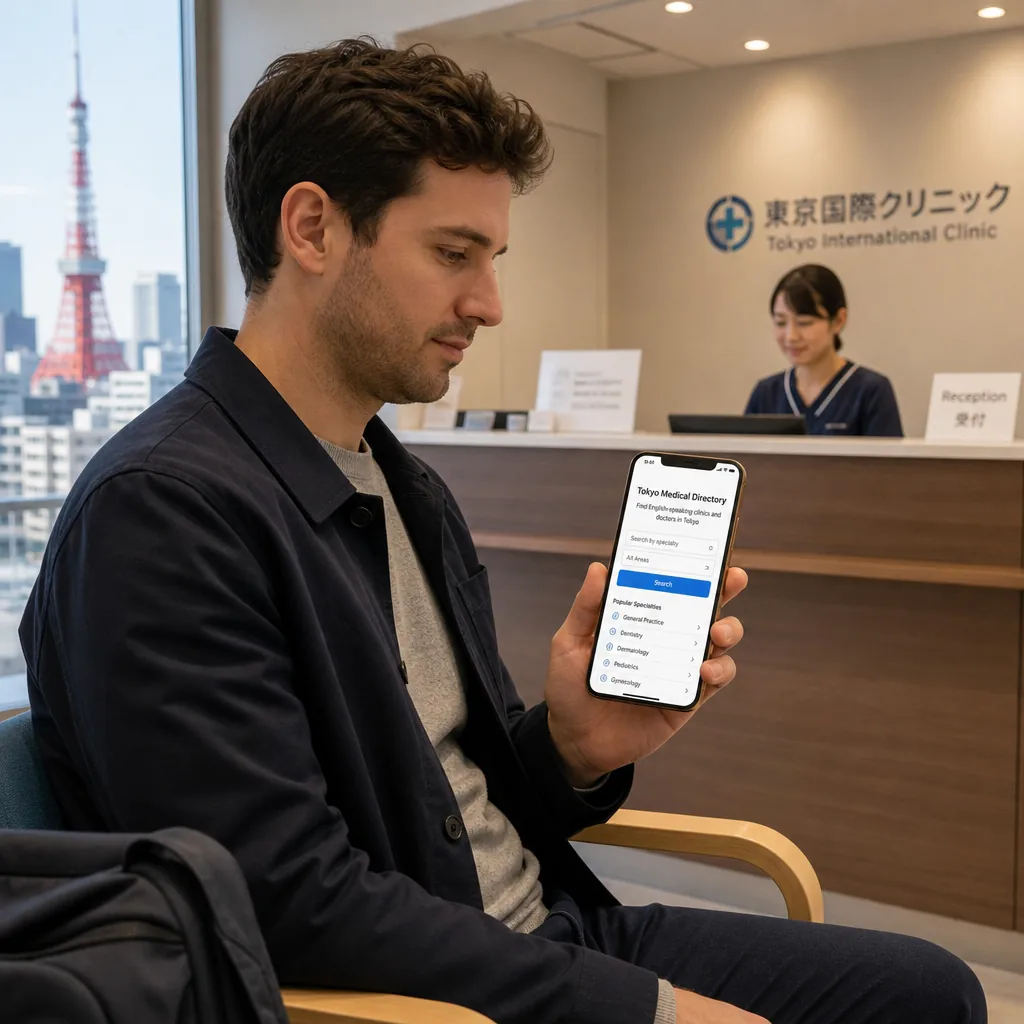
Tokyo is large, so the smartest search is often by ward rather than by the whole city. Start with your immediate area, especially if you need care after work or on a weekend. If you are based in neighborhoods such as Shinjuku, Ikebukuro, or other central train hubs, a nearby clinic can be much easier to reach than a hospital in another part of the metropolis [1][2][5].
This approach is especially helpful if you are new to Tokyo and still learning how local healthcare works. A short call before your visit can prevent a wasted trip, and it can also tell you whether the clinic is comfortable handling English communication or only provides limited support [1][2].
Keep your residence card, insurance card, and a written list of medications with you when you visit any clinic. If you can, save the clinic’s phone number and nearest station in your phone before the day of the appointment, since Tokyo clinic names can be hard to search quickly when you are already feeling unwell.
If your concern is urgent but not life-threatening, a local clinic with verified English support is usually the best first move. If the clinic turns you away because of language, booking, or referral requirements, use Himawari or a ward-level multilingual resource to find the next option rather than guessing [1][2][5].
In short, the easiest way to find an English-support clinic in Tokyo is to use official government directories first, then verify the details directly with the clinic. That combination gives expats the best chance of getting care in English without surprises [1][2][3][5].
CallButler is a multilingual concierge service that handles research, coordination, and bookings so you do not have to navigate language barriers or unfamiliar systems alone. If you need help related to How can expats find a Tokyo clinic with English support? or the tasks around it, our team can step in to manage the details and keep things moving smoothly.
Find English-friendly yakitori in Osaka after work by targeting Umeda, Namba, and Honmachi, plus booking sites and multilingual menus.
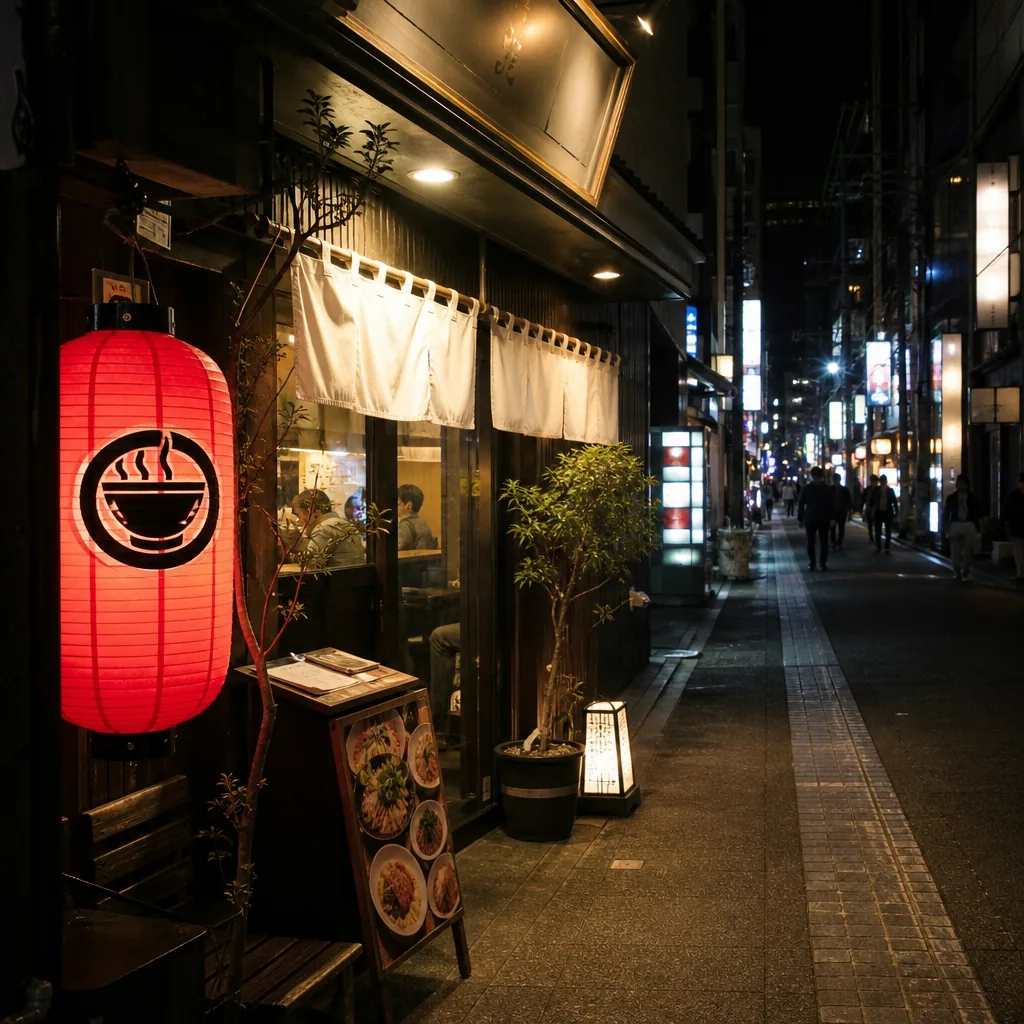
Looking for halal ramen in Kyoto after 10 p.m.? Here’s where to check, which areas are most practical, and how to verify hours and halal status.
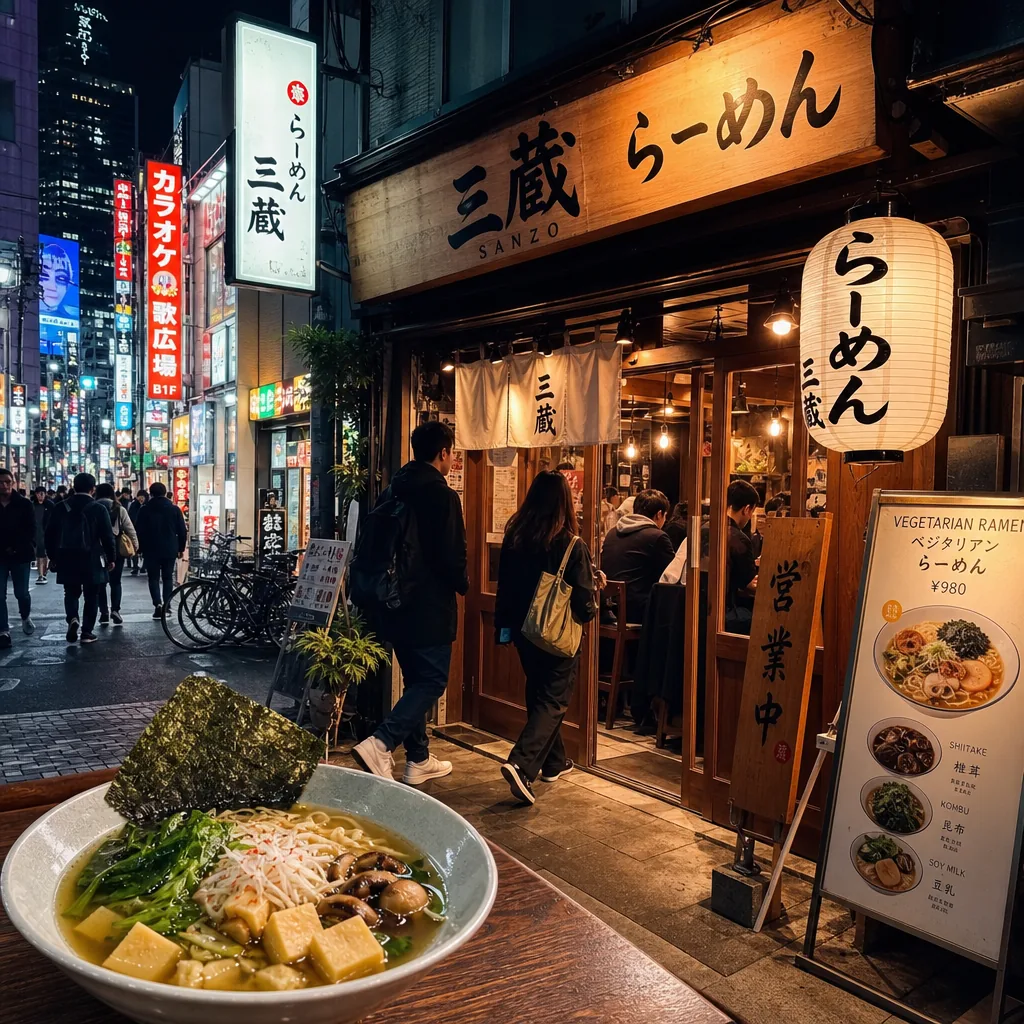
Find late-night vegetarian ramen in Tokyo by focusing on Shibuya, Shinjuku, and Roppongi, then verify broth, hours, and vegan menu details.