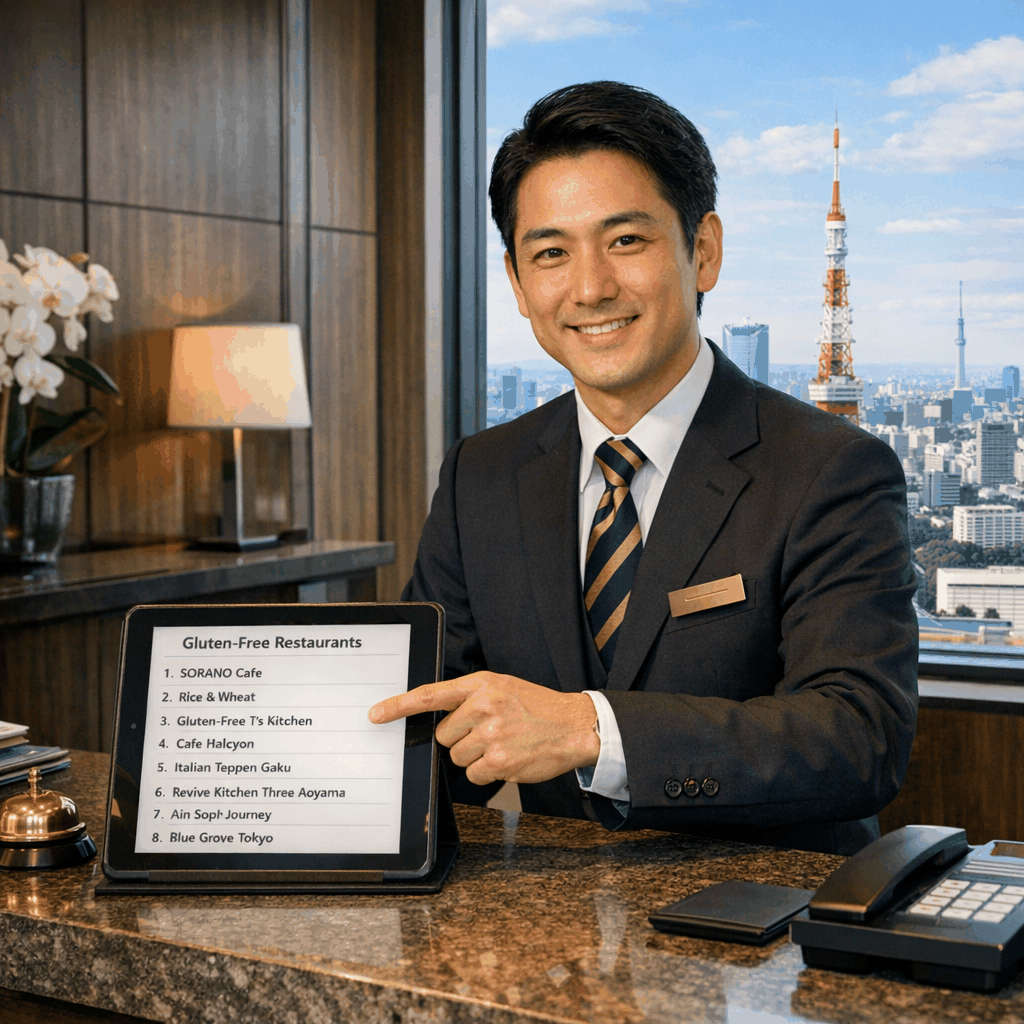
Can a concierge find gluten free restaurants in Tokyo?
Tokyo concierges can find gluten‑free restaurants using Tabelog, Gluten Free Japan, and MHLW allergen rules. Success depends on clear communication and celiac r
Read Article

Moving into a Japanese apartment as an expat involves more than unpacking boxes: you need to register your address, start utility services, and take a few efficiency steps to avoid high bills. This guide gives a practical, day-one checklist plus energy-saving hacks tailored to Japanese housing, with quick contact tips and meter-check habits to keep costs under control [2][3].
Prepare paperwork and confirm lease details so services can be started quickly. Essentials include your passport/ID, lease contract (or landlord contact), move-in date, and a forwarding address if available. Register your address at the city/ward office within 14 days of moving — many municipalities provide English moving-in guides and waste disposal rules which affect water and garbage service procedures [3].
Focus on four core services: electricity, gas, water, and internet/phone. In many regions you must call or sign up online to start service; companies typically need your name, new address, move-in date, and (if possible) meter readings [2][4].
Call centers often have English support lines; online sign-ups are increasingly available. Have these on hand when you contact providers:
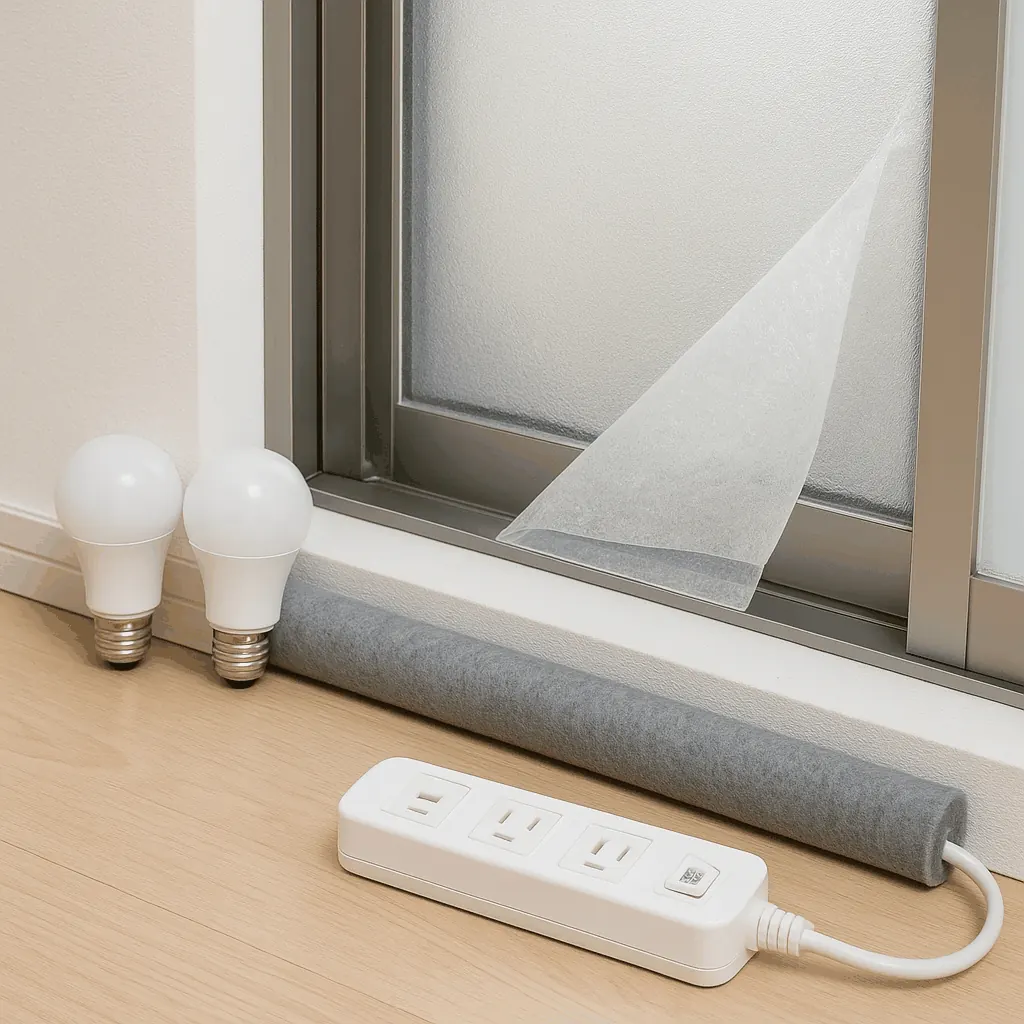
Small, low-cost measures can make a big difference in Japanese apartments, which often have single-pane windows and light insulation.
Modernizing a few appliances or changing habits yields recurring savings.
Air conditioners (AC) in Japan are efficient if used correctly. Start with conservative settings and use ECO or timer modes.
Monitor meters at move-in and monthly. Take clear photos of meter readings on the day you start service and keep a log to confirm your bills. If switching electricity providers, compare tariffs, contract terms, and green energy options — and check for cancellation or service fees [1][2].
Small daily changes reduce energy use significantly over time:
Save local emergency numbers (gas leak, electricity outage) and your municipal office contact. If you smell gas, shut off the supply if safe and call the gas company’s emergency line immediately. Your ward office can help with English resources and specific local waste and recycling rules [3].
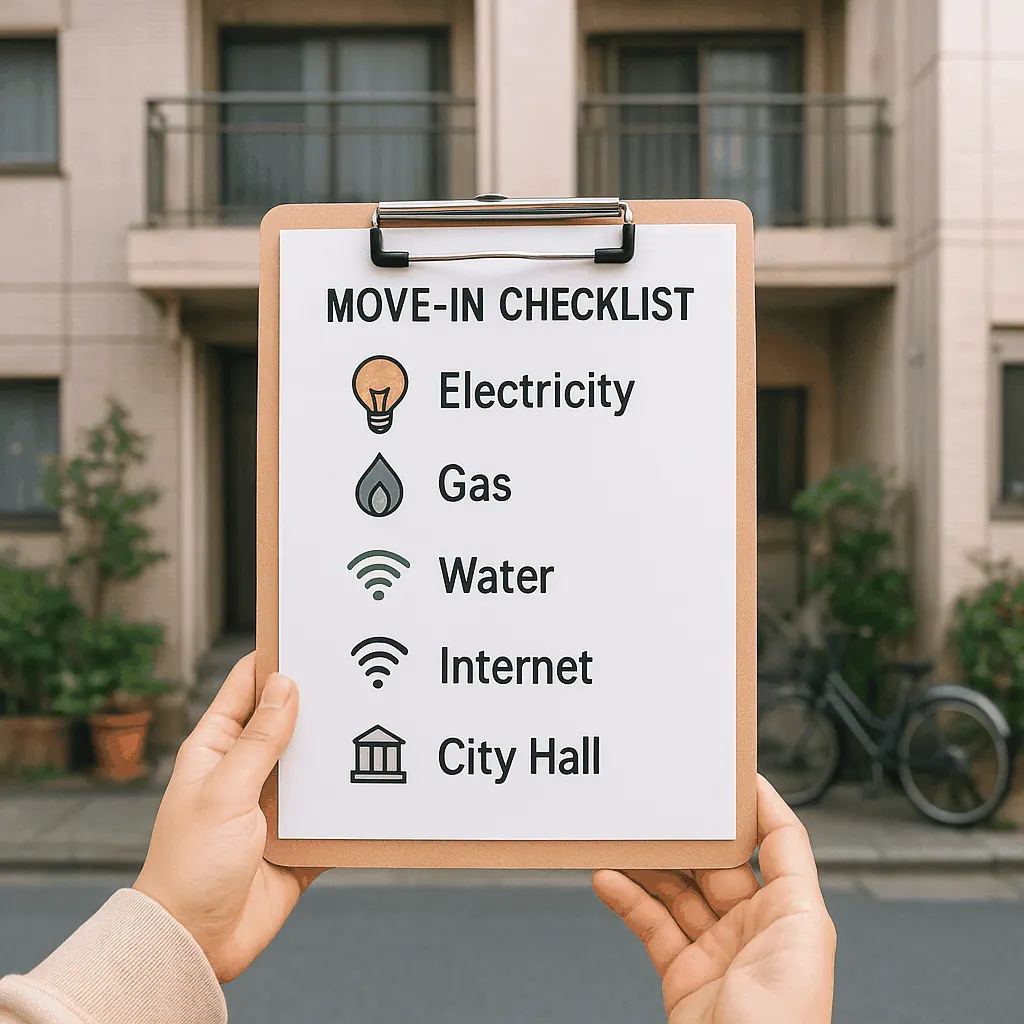
Following these steps will get utilities running smoothly and start you on a path to lower energy bills. For concise official guidance on household energy saving, see national tips and calculators to estimate savings and choose the most effective measures [1].
CallButler is a multilingual concierge service that handles research, coordination, and bookings so you do not have to navigate language barriers or unfamiliar systems alone. If you need help related to Energy-saving hacks and move-in utility checklist for expats in or the tasks around it, our team can step in to manage the details and keep things moving smoothly.
Tokyo concierges can find gluten‑free restaurants using Tabelog, Gluten Free Japan, and MHLW allergen rules. Success depends on clear communication and celiac r

A practical guide to food options inside Studio Ghibli Park near Nagoya: where to eat by area, what to expect, dietary notes, payment, and nearby Nagoya alterna
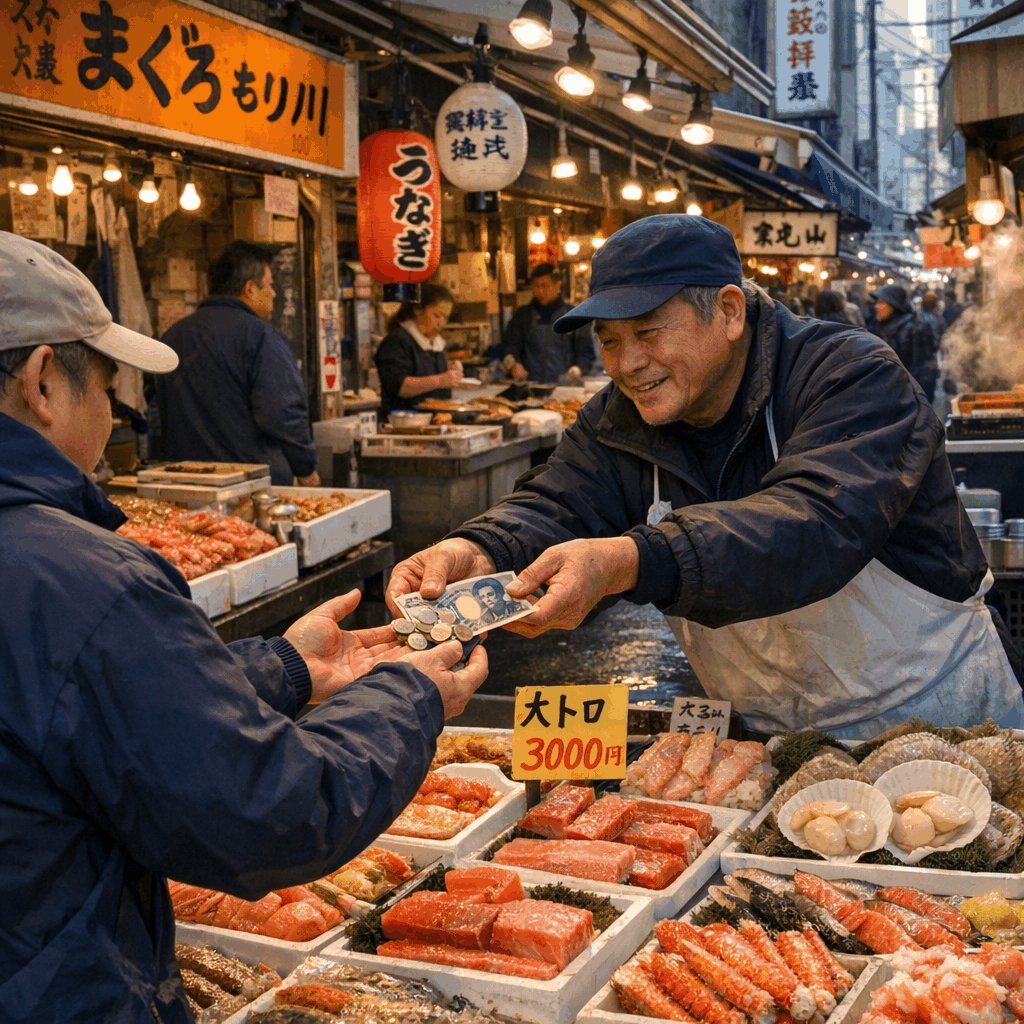
Cash is still the norm at Tokyo's Tsukiji Outer Market; some sushi restaurants and shops accept cards, Suica/Pasmo or PayPay. Bring small yen and use 7‑Eleven A