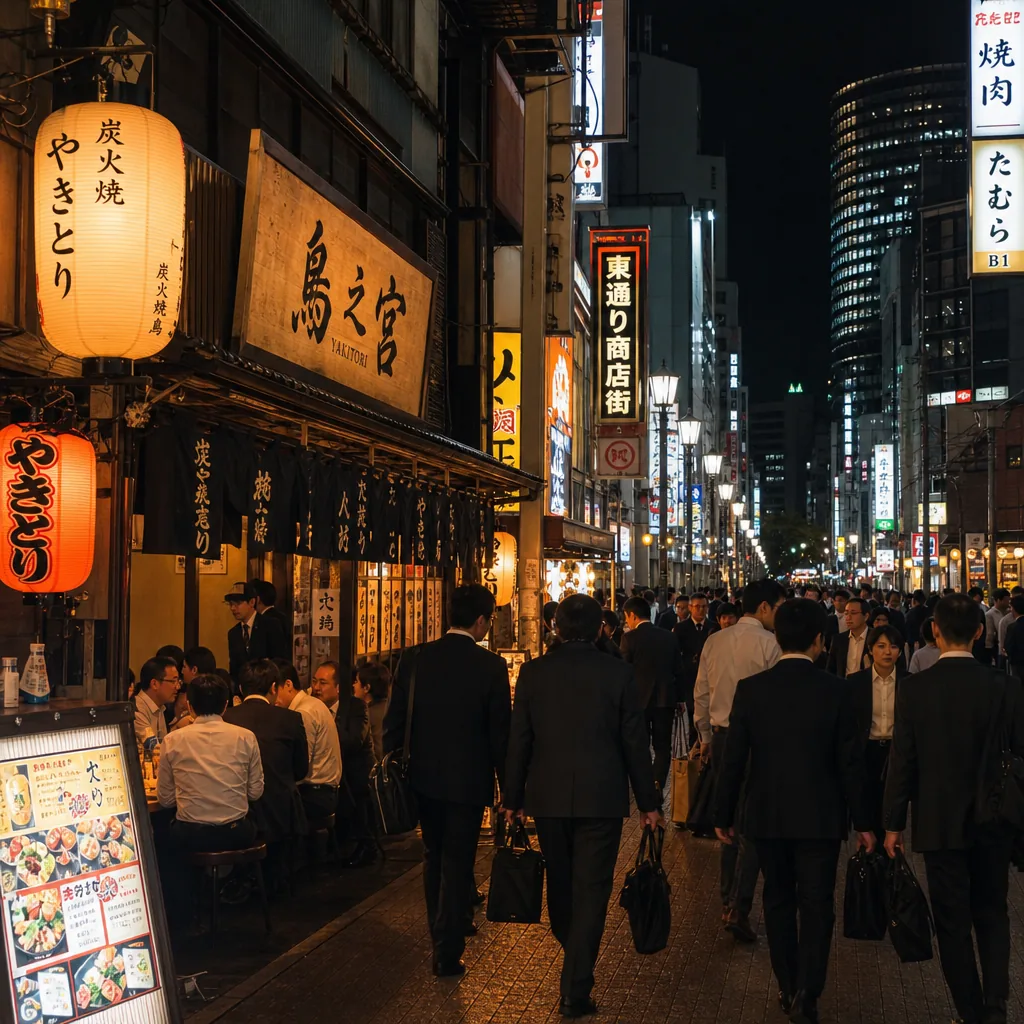
Where can I find english-friendly yakitori in Osaka after work?
Find English-friendly yakitori in Osaka after work by targeting Umeda, Namba, and Honmachi, plus booking sites and multilingual menus.
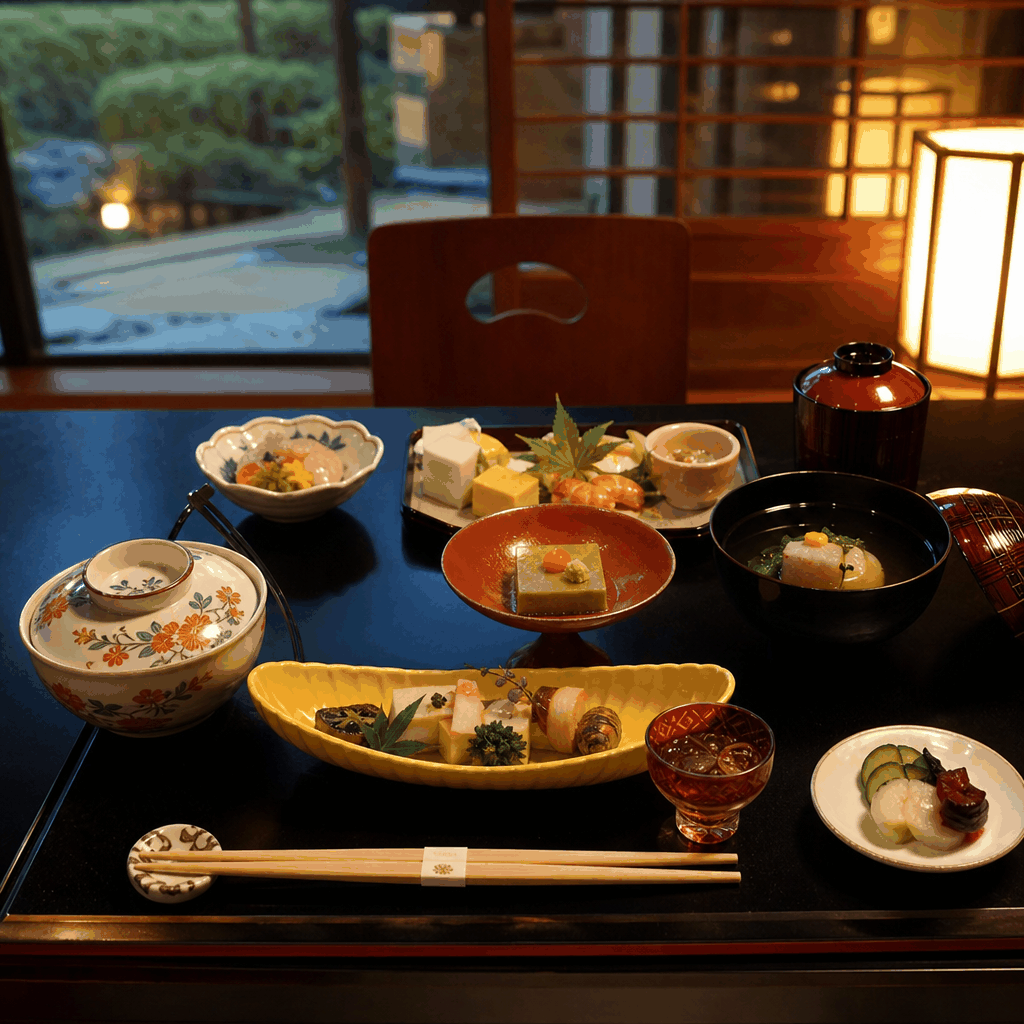
Yes—a Japan travel concierge can often book kaiseki and dinner in Kyoto, but success depends on the restaurant’s reservation rules, seat availability, and whether the venue allows third-party bookings. In Kyoto, many of the most sought-after dinners are small, seasonal, and reservation-only, so the earlier you ask, the better your chances [1][2].
Kyoto is especially known for kaiseki, kyo-ryori (Kyoto cuisine), and other chef-driven dinner experiences that often operate with limited seats and set course menus [2]. The city’s official travel guide highlights Kyoto cuisine as a major dining category, and reservation platforms such as TableCheck list many Kyoto restaurants that expect advance booking rather than walk-ins [1][3].
In practice, the restaurants most likely to require reservations include:
Some venues use online reservation systems, while others prefer phone calls or direct contact. Kyoto’s tourism resources point visitors toward both official guidance and restaurant booking platforms, which is a sign that reservation methods vary widely by venue [1][3][5].
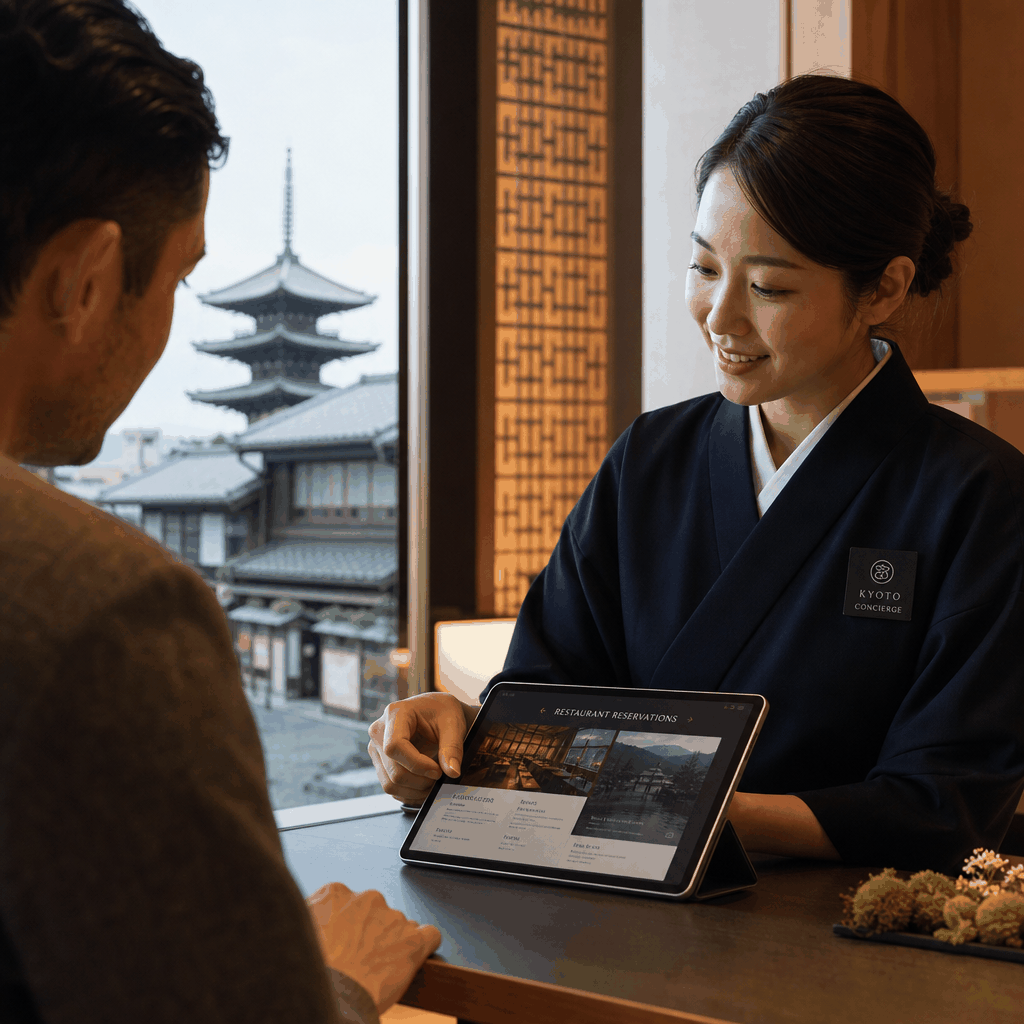
Usually, yes—if the concierge service has access to the restaurant’s accepted booking channel. A concierge can book on your behalf when the restaurant accepts online reservations, phone bookings, or third-party arrangements through a recognized platform such as TableCheck [3].
This is especially useful in Kyoto because language support can be a major barrier. A concierge can handle Japanese-language communication, explain dietary requests, and confirm timing details that may be difficult for international travelers to negotiate directly [1][4].
For example, if you want dinner in Gion or a traditional kaiseki meal near Kyoto’s historic center, a concierge may be able to search reservation listings, call ahead, and secure a table if the venue still has availability [1][3][5].
Even a strong concierge cannot override a restaurant’s policy. Some Kyoto restaurants are extremely small, some open reservations only within a short booking window, and some require direct contact from the diner or a hotel with an established relationship [3][5].
Common limits include:
Kyoto’s dining scene is built around seasonality and limited availability, so advance planning is not optional for many of the city’s best restaurants [2][5]. If you request a table too close to your travel dates, the concierge may simply find that the restaurant is already full.
If you want a concierge to book dinner in Kyoto successfully, give them specific information early. The more exact your request, the easier it is for the concierge to match you to a restaurant that actually accepts outside reservations [1][3].
Use this approach:
A practical timeline is to start several weeks in advance for ordinary fine dining and even earlier for famous kaiseki restaurants. Kyoto’s official dining resources and restaurant directories both make clear that reservation-based dining is normal, not exceptional, especially for premium meals [1][3][5].
If your concierge strikes out, you still have options. Kyoto tourism resources and restaurant platforms point travelers toward multiple booking paths, so failure in one channel does not mean the dinner is impossible [1][3][4].
For travelers who care more about the experience than a single specific restaurant, this flexibility matters. Kyoto has a deep dining culture, and the city’s official resources emphasize both traditional cuisine and the importance of planning ahead for restaurant visits [1][2].
A Japan travel concierge can often book kaiseki and dinner in Kyoto, but only when the restaurant’s policy allows it and the table is still available. The best results come from early planning, clear preferences, and backup options through hotel concierges or reservation platforms [1][3][4].
If you are set on a particular Kyoto kaiseki experience, do not assume a concierge can guarantee it. Instead, treat concierge booking as one useful channel within Kyoto’s reservation-heavy dining system, where the restaurant’s rules always come first [2][5].
CallButler is a multilingual concierge service that handles research, coordination, and bookings so you do not have to navigate language barriers or unfamiliar systems alone. If you need help related to Can a Japan travel concierge book kaiseki and dinner in Kyoto? or the tasks around it, our team can step in to manage the details and keep things moving smoothly.
Find English-friendly yakitori in Osaka after work by targeting Umeda, Namba, and Honmachi, plus booking sites and multilingual menus.
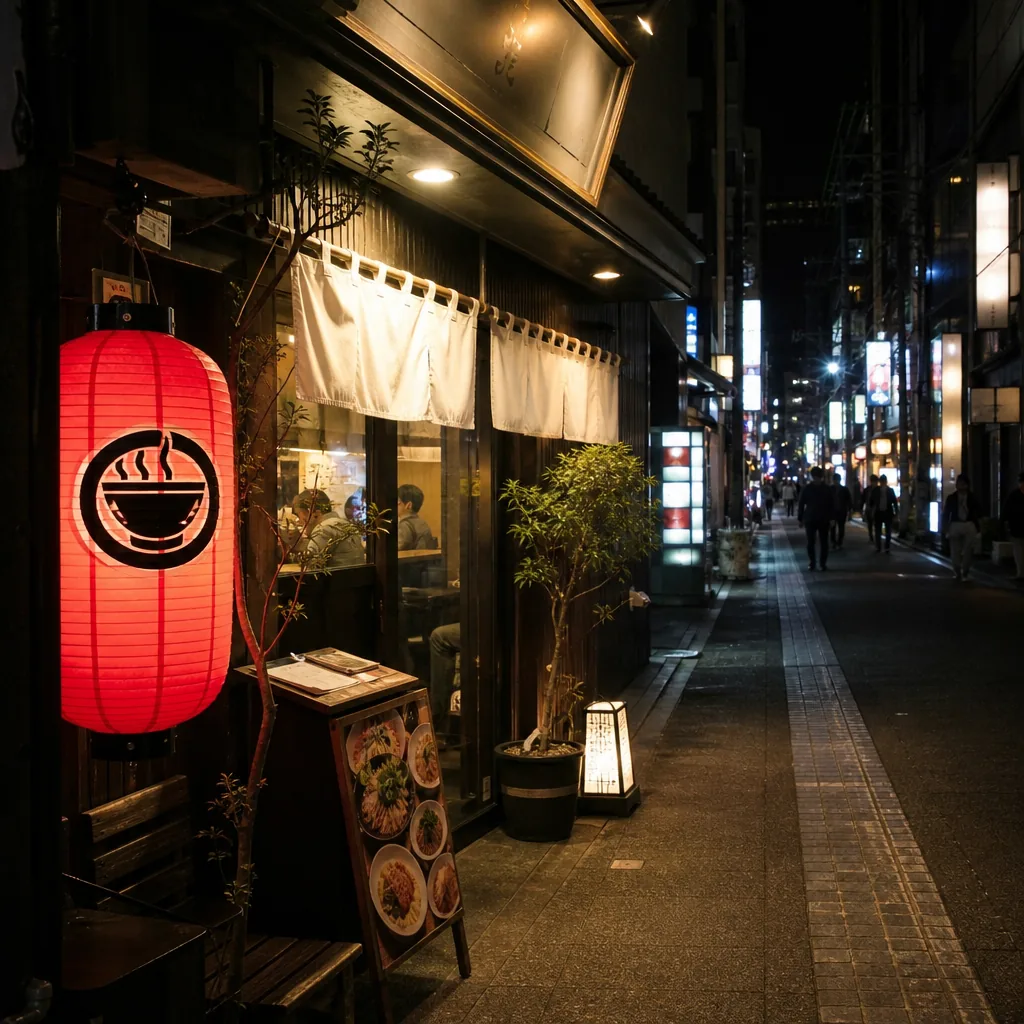
Looking for halal ramen in Kyoto after 10 p.m.? Here’s where to check, which areas are most practical, and how to verify hours and halal status.
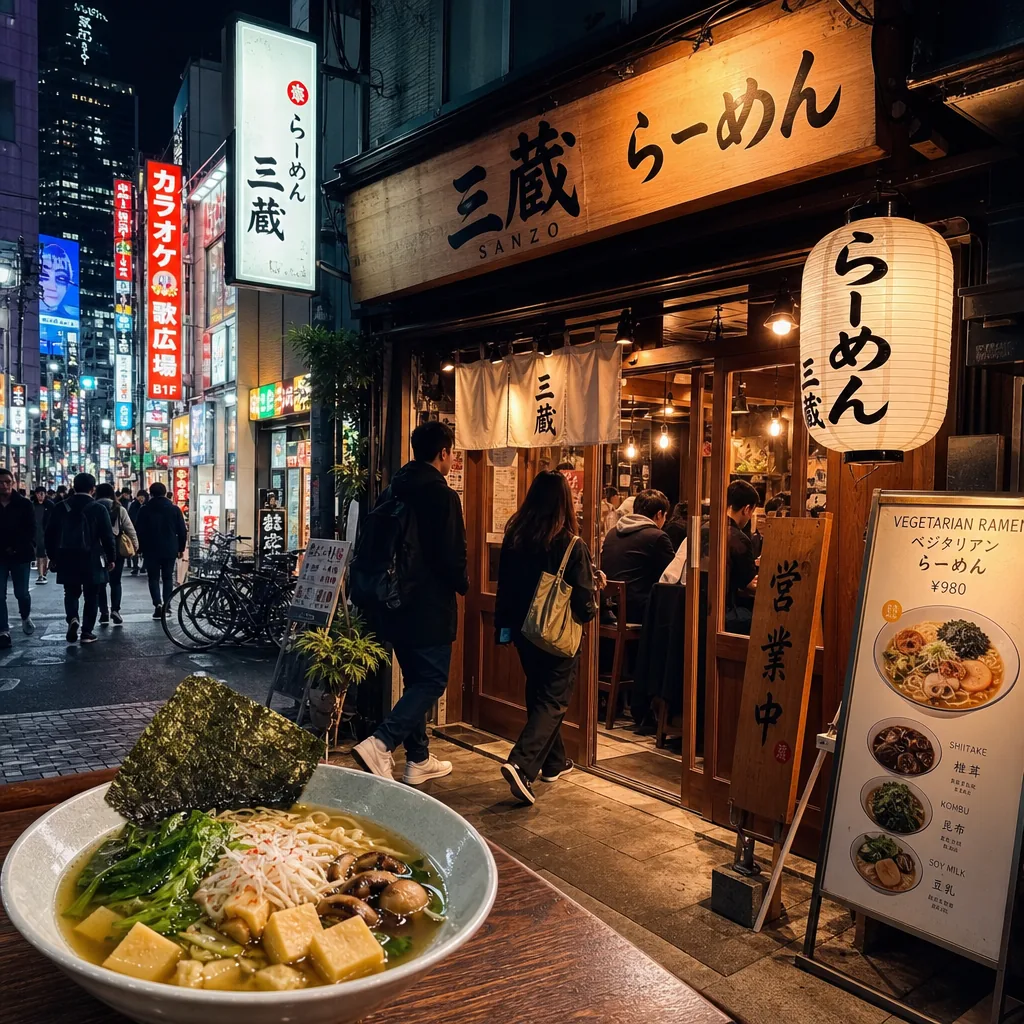
Find late-night vegetarian ramen in Tokyo by focusing on Shibuya, Shinjuku, and Roppongi, then verify broth, hours, and vegan menu details.