Can a concierge book English-speaking doctors in Tokyo?

Article overview: Can a concierge book English-speaking doc…

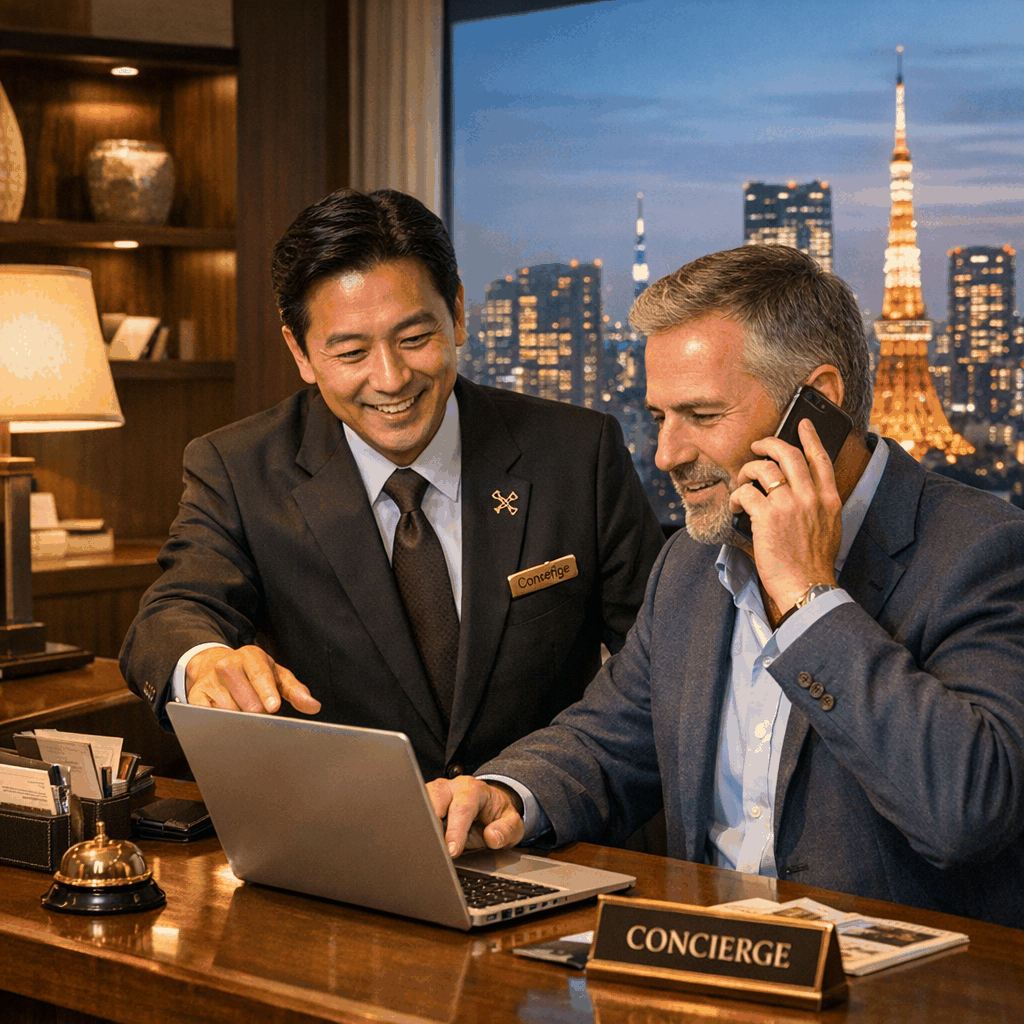
Hotel concierge desk in Tokyo assisting a guest with a medical referral

Yes. In Tokyo, hotel concierges, NGO referral services, and official tourism/municipal resources can locate and book appointments with English-speaking doctors at international hospitals and clinics; they also guide non-emergency care and interpretation options [1][2][3]. Use a concierge for planning non-urgent visits, but call 119 for life-threatening emergencies [1][2].

Overview: concierge role and demand for English-speaking doctors...

Tokyo receives many international visitors and foreign residents, so demand for English-language medical care is handled through multiple channels. The Tokyo Metropolitan Government and Japan National Tourism Organization (JNTO) publish multilingual medical guidance and encourage travelers to consult their accommodation, embassy, or referral services for non-emergency care [1][2]. Many people first ask a hotel concierge or an NGO referral line to find an English-speaking provider rather than navigating Japanese-only listings themselves [1][2][3].

Who can book: hotel concierges, NGOs, and official referral services

Primary channels that will book or arrange appointments in English:

  • Hotel concierges at international hotels — concierges routinely assist with local referrals and can call clinics on your behalf; the Tokyo Metropolitan guidance specifically lists accommodation and embassy channels for non-emergency referrals [1].
  • TELL — the Tokyo-based NGO runs a Medical Referral Service that connects English speakers to appropriate clinics and can assist with arranging appointments and follow-up [3].
  • Official tourism and municipal resources — JNTO and Tokyo Metropolitan pages list English-friendly hospitals and advise contacting hotels or embassies for help; they serve as authoritative referral sources for visitors [1][2].

Types of English-friendly medical providers in Tokyo

Concierges and referral services typically direct patients to several types of facilities:

  • Major international hospitals with dedicated English services, such as St. Luke's International Hospital, which maintains international patient services in English [4].
  • Designated international centers like the International Medical Center of Japan (IMCJ), which provides English information and services for foreigners [5].
  • Smaller clinics and private practices that advertise English-speaking staff; referral services like TELL keep lists and match symptoms to appropriate facilities [3].

How booking works: process, fees, and interpreter options

Typical booking flow when you ask a concierge or referral service:

  1. You provide basic details (name, passport or ID, symptoms, preferred time and insurance details).
  2. The concierge contacts the clinic or hospital to request an appointment in English and confirms availability and payment options.
  3. The service confirms the appointment time and explains any interpreter or tele-interpretation options, or whether the facility has English-speaking staff [3][4][5].

Note on fees and insurance: clinic charges and insurance acceptance vary by facility. Some international hospitals accept foreign private insurance and credit cards; others may require upfront payment and a receipt for later reimbursement. Concierge or referral services may charge a handling or interpretation fee—always ask for a fee estimate and payment methods before confirming the appointment [3][4][5].

What to prepare: documents, insurance, and language notes

To speed bookings and ensure smooth care, bring or have ready:

  • Passport or a copy of ID and your contact number.
  • Health insurance card/information (travel insurance policy number or international health insurance details) [2].
  • A short written summary of symptoms and a list of current medications — the concierge can forward this to clinicians to help match the right provider [3].

Limitations and emergencies: availability, after-hours, and 119

Concierges are not a substitute for emergency services. For life‑threatening conditions or when an ambulance is required, call 119 immediately (the Tokyo and national guidance emphasize using emergency numbers for serious events) [1][2].

Limitations to expect:
  • After-hours and weekends: many clinics close evenings/weekends; international hospitals may have emergency departments but availability of English-speaking clinicians can be limited [4][5].
  • Interpreter availability varies: some hospitals provide English staff, others use phone interpretation or require a hired interpreter—confirm this ahead of time [4][5][3].
  • Appointment lead times: during busy seasons or for specialist care there can be wait times; concierges can sometimes get faster scheduling but cannot guarantee immediate access.
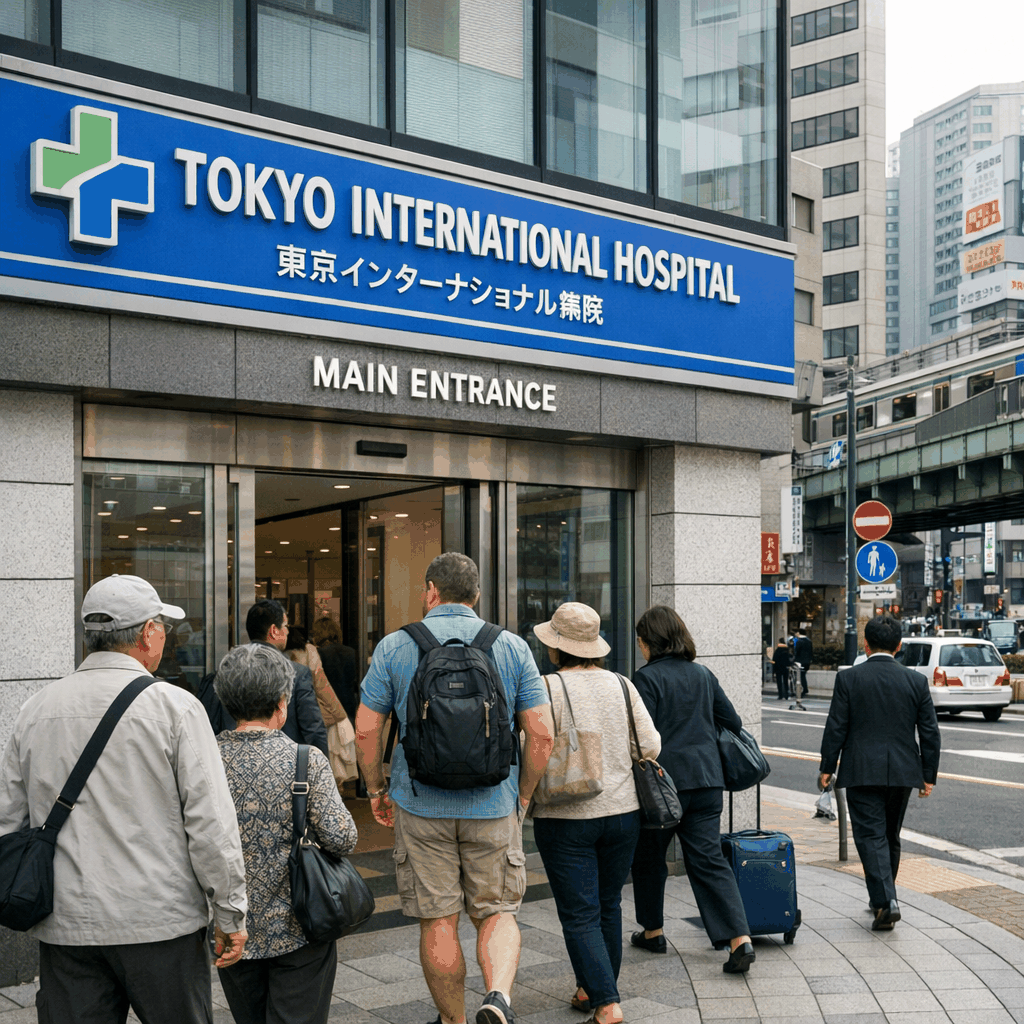
Exterior signage of an international medical facility in Tokyo, such as St. Luke's International

Recommended English-friendly clinics and referral services in Tokyo

Concierges commonly refer to these trusted options:

  • St. Luke's International Hospital — International Services page describes English-language support and how international patients are handled; concierges can request appointments here [4].
  • International Medical Center of Japan (IMCJ) — provides English information for patients and is a designated facility for foreigners in Tokyo [5].
  • TELL Medical Referral Service — an English-language NGO referral and support service in Tokyo that helps match patients with clinics and arrange bookings [3].
  • Tokyo Metropolitan Government and JNTO information pages — official guidance on obtaining medical care as a visitor or resident, including non-emergency referral pathways [1][2].

Practical checklist and final tips

Quick checklist to hand to a concierge or referral service when booking:

  1. Full name and nationality (as on passport).
  2. Brief symptom summary and urgency level.
  3. Insurance details and preferred payment method.
  4. Preferred appointment window and language requirement (English).

Final tip: for non-urgent issues, ask your hotel concierge or a service like TELL first; for life-threatening emergencies call 119 without delay. Using official resources (Tokyo Metropolitan and JNTO pages) plus established providers such as St. Luke's and IMCJ will get you the most reliable English-language care in Tokyo [1][2][3][4][5].

How CallButler Can Help

CallButler is a multilingual concierge service that handles research, coordination, and bookings so you do not have to navigate language barriers or unfamiliar systems alone. If you need help related to Can a concierge book English-speaking doctors in Tokyo? or the tasks around it, our team can step in to manage the details and keep things moving smoothly.

Sources

  1. Medical care for foreign residents and visitors - Tokyo Metropolitan Government (English)
  2. Healthcare and medical assistance - Japan National Tourism Organization (JNTO)
  3. TELL — Medical Referral Service (Tokyo)
  4. St. Luke's International Hospital — International Services (Tokyo)
  5. International Medical Center of Japan — English information (Tokyo)