Article overview: Where are the best viewpoints for Shibuya…
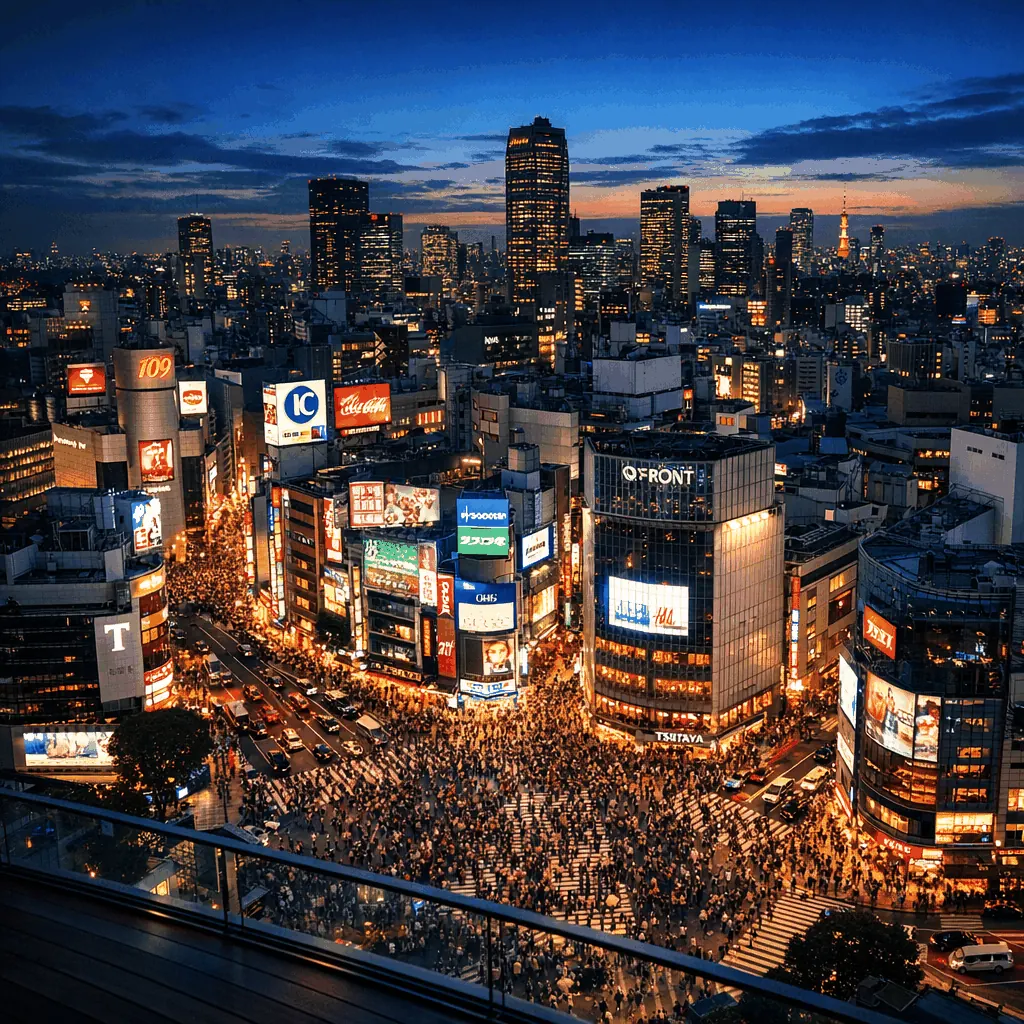
Yes — the best viewpoints for Shibuya Crossing are a mix of paid rooftop observatories and nearby commercial terraces and station concourses; for the highest, uninterrupted panorama go to Shibuya Sky on Shibuya Scramble Square, while Tsutaya/Starbucks and Shibuya Hikarie offer convenient framed views close to the scramble.[1][4]
Overview: why viewpoint choice matters
Shibuya Crossing is visually crowded: vantage point changes composition, crowd density in frame, and skyline context. Choosing between a high paid observatory (wide panorama), mid-level commercial cafés (framed, street-level context), and station overpasses (close, dynamic shots) lets you control the scale and mood of photos or viewing experience.[1][4][2]
Top paid viewpoint: Shibuya Sky (Shibuya Scramble Square)
Shibuya Sky is the rooftop observatory on Shibuya Scramble Square and offers the most comprehensive, high-elevation panorama of the scramble, nearby skyscrapers, and Mount Fuji on clear days.[1] It is a paid attraction with timed tickets and online reservations recommended; consult the official site for current hours, ticket types, and temporary closures.[1]
Why choose it: unobstructed 360° views and dedicated visitor facilities make it best for skyline and blue-hour photography.[1]
Practical: purchase timed-entry tickets in advance on the Shibuya Sky official site and arrive 15–30 minutes early for security and elevator access.[1]
Commercial/viewing cafés and terraces (QFRONT/TSUTAYA &...
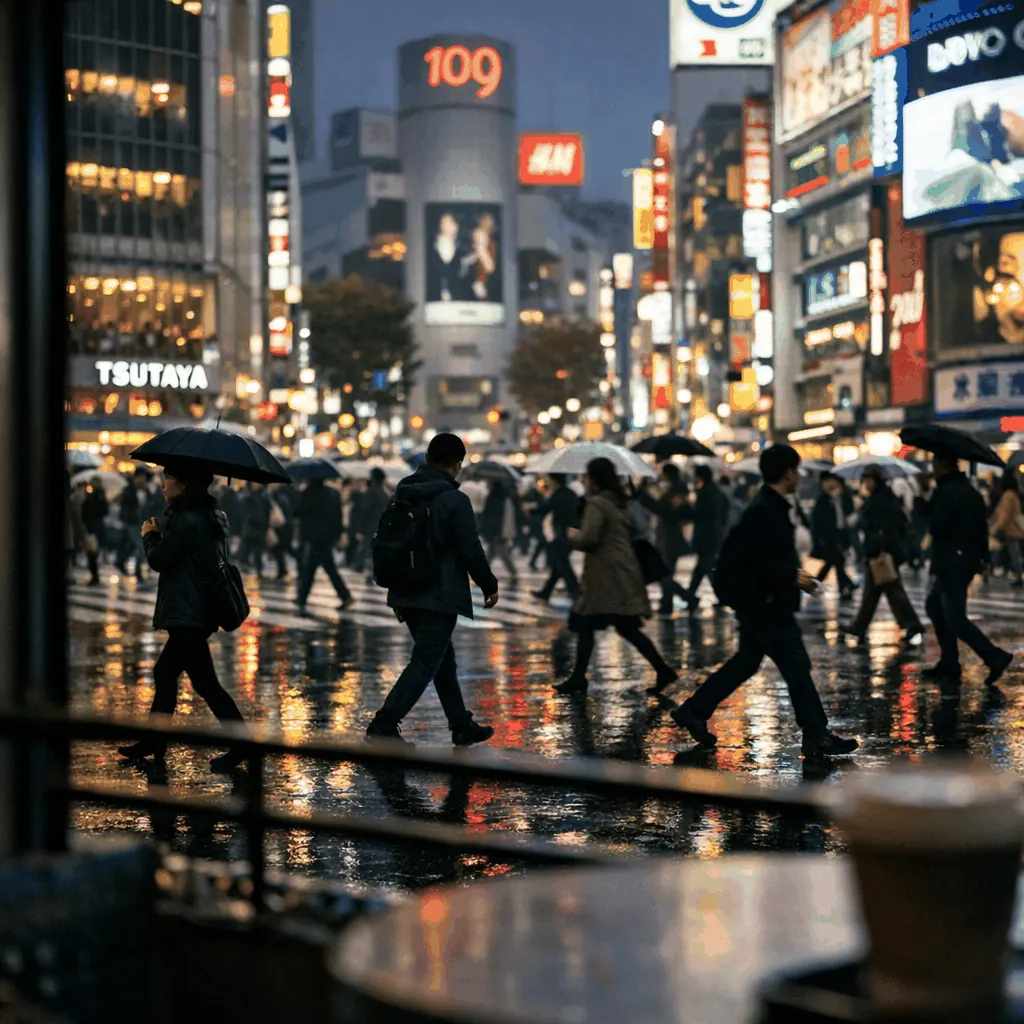
Several commercial buildings around the scramble provide usable viewpoints without rooftop admissions. The QFRONT building fronting the crossing houses the multi-storey Tsutaya and a Starbucks that directly faces the scramble — this is one of the most photographed, framed vistas in Shibuya, but seating is limited and often requires waiting during peak times [QFRONT/TSUTAYA].[4]
Tsutaya/Starbucks (QFRONT/TSUTAYA): ideal for framed, street-level composition; expect queues for window seating and consider visiting off-peak hours to secure a spot.[4]
Shibuya Hikarie: upper floors and cafés deliver an elevated, slightly diagonal view toward the station and crossing; convenient if you want a quieter café setting near the scramble.[4]
MAGNET by SHIBUYA109: rooftop terraces and some eateries offer alternate heights and compositions — rooftop access and reservations depend on season and business operations.[4]
Station-level and pedestrian overpass viewpoints (Hachiko Square...
For close, human-scale vantage points without admission, use the station concourses and pedestrian overpasses around Hachiko Square. These mid-level views put you among pedestrians and capture the crossing’s movement and scale; they are excellent for dynamic, street-level imagery.[2][5]
Hachiko Square (outside Shibuya Station): a classic casual viewing spot directly outside the station — great for capturing crowd flow and the Hachiko statue as foreground context.[2]
Second-floor station walkways: public concourses inside Shibuya Station give a raised perspective for sequences and time-lapse filming without paying entrance fees; check Tokyo Metro station guidance for access routes.[5]
Additional rooftop and nearby vantage points (Miyashita Park,...
If you want side or contextual wide-angle shots of the Shibuya neighborhood rather than a straight-on scramble image, consider Miyashita Park's rooftop areas and the Shibuya Stream complex. These spots provide diagonal or lower-elevation skyline context that helps show the crossing within the wider urban fabric.[4][2]
Best times for photography: day, blue hour, and night
Timing affects mood: early morning after sunrise gives cleaner streets and soft light with far fewer people; blue hour and evening (after sunset) emphasize neon signs and high contrast between lights and shadow. Rush-hour evenings are visually busy and work well for neon-lit, high-contrast images, while daytime offers clearer detail and faster shutter speeds for freeze-frame shots.[2][3][4]
Practical tips: tickets, arrival, crowds, and etiquette
Tickets and reservations: for Shibuya Sky buy timed tickets in advance via the official site to avoid sold-out slots and check for maintenance closures or special-event restrictions [1].
Arrive early for cafés: if you want the Tsutaya/Starbucks windows, visit well before evening rush or expect a queue; consider a weekday morning to avoid prolonged waits [4].
Respect flow and rules: do not block pedestrian traffic on bridges, sidewalks, or station concourses; follow staff instructions at commercial venues and avoid tripods where forbidden during busy periods [2][5].
Weather and lens choice: overcast days flatten neon contrast; bring a wide and a medium telephoto to capture both the full crossing from rooftops and crowd details from mid-level terraces.
How to get there and brief access notes
Shibuya Crossing is directly outside Shibuya Station (served by JR, Tokyu lines, Keio Inokashira Line, and Tokyo Metro). Use the Hachiko Exit to reach Hachiko Square and the QFRONT/Tsutaya-facing side; follow station maps for concourse routes and elevators if needed.[5] For Shibuya Sky, enter Shibuya Scramble Square and follow signage to the dedicated observatory elevators; confirm hours and entry procedures on the official site before traveling.[1]
With these options you can pick the viewpoint that matches your aim: panoramic cityscapes from Shibuya Sky, framed street portraits from QFRONT/TSUTAYA, quieter elevated café perspectives at Hikarie, or intimate street-level energy from station overpasses and Hachiko Square.[1][4][2][5]
How CallButler Can Help
CallButler is a multilingual concierge service that handles research, coordination, and bookings so you do not have to navigate language barriers or unfamiliar systems alone. If you need help related to Where are the best viewpoints for Shibuya Crossing in Tokyo? or the tasks around it, our team can step in to manage the details and keep things moving smoothly.