Article overview: Tsukiji Outer Market: what to eat, best t…
Yes. Tsukiji Outer Market (Jogai Shijo) in Tokyo is still the best place to taste fresh nigiri, kaisendon, tamagoyaki and grilled seafood while shops remain busiest mid-morning and begin closing by early afternoon. This guide explains exactly what to eat, when to go, how to get there, and practical visitor tips so you can plan a smooth visit to Tsukiji from Tokyo stations like Tsukiji Station or nearby Ginza areas [1][2][3].
Overview of Tsukiji Outer Market
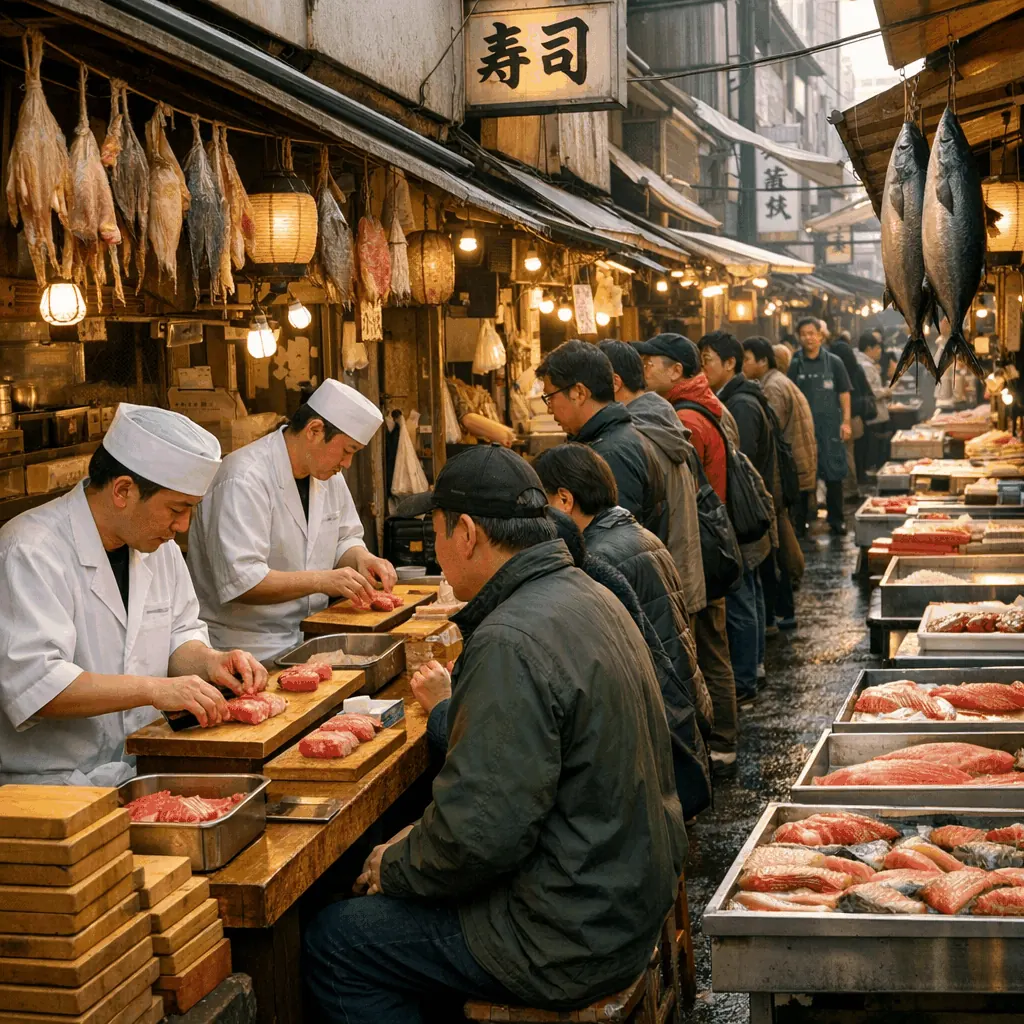
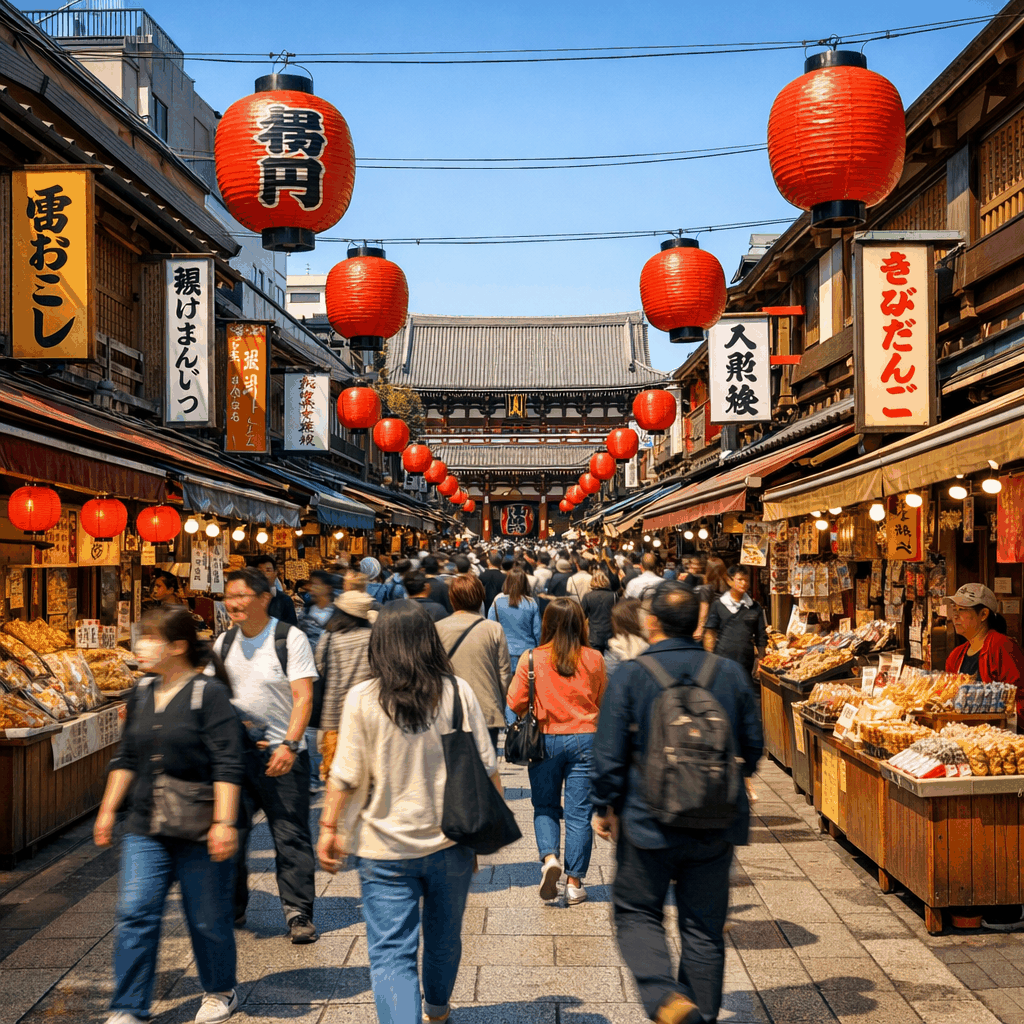
Tsukiji Outer Market is the retail and restaurant district that remains lively after the 2018 wholesale move to Toyosu Market; it focuses on retail seafood, prepared foods, kitchenware, and restaurants [1][2]. The market area stretches roughly between Tsukiji Station and the site of the old wholesale market, and operates independently of Toyosu’s new wholesale auctions [1][2][3]. Expect narrow lanes with stalls and small restaurants (many with standing counters) rather than the wholesale auction environment that moved to Toyosu [1][2].
Must-Try Foods and Where to Find Them
Prioritize these specialties, commonly available across the outer market streets and at small sushi counters and stalls [4][5]:
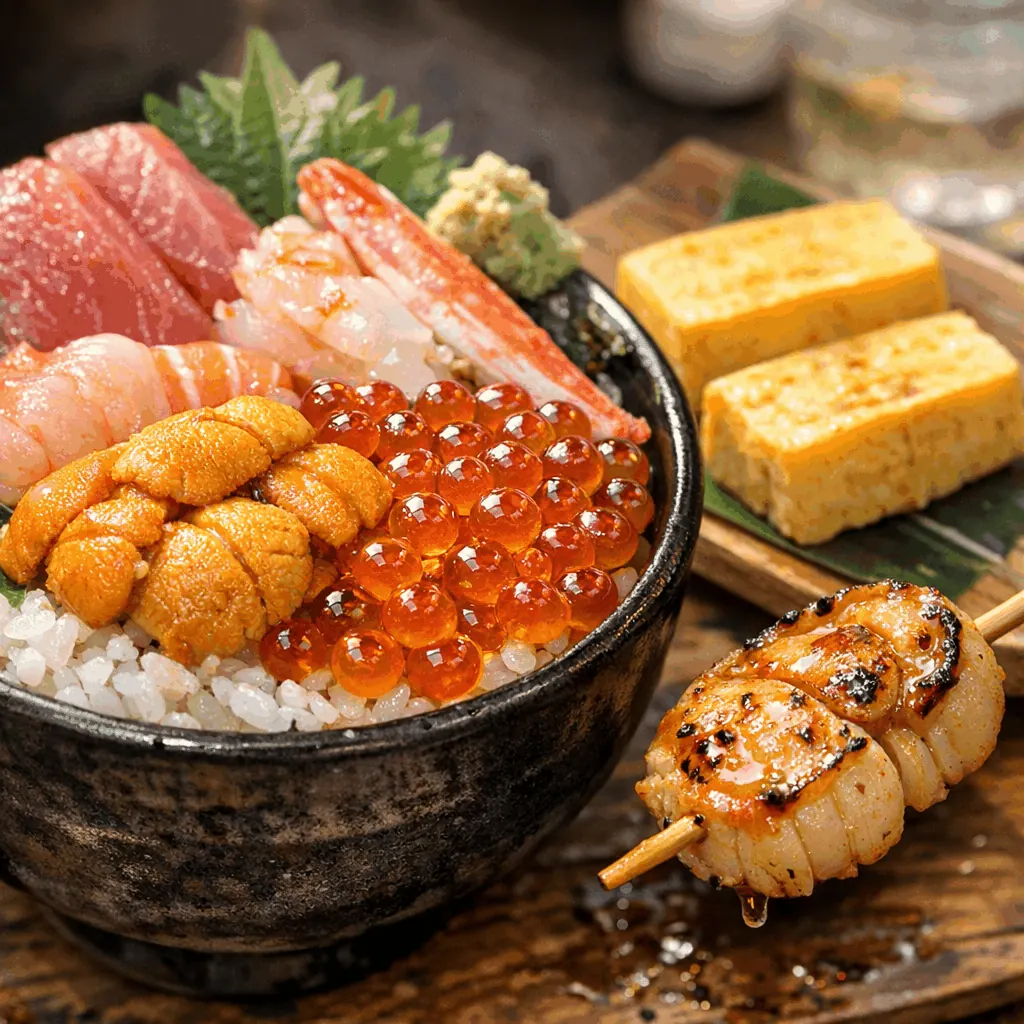
Nigiri sushi and kaisendon (seafood rice bowls) — served at sushi counters and small restaurants lining the market; many open from early morning until around 13:00–14:00 [2][4].
Tamagoyaki (rolled sweet omelette) — sold in shops and stalls as a portable snack; often cut into sample portions so you can try without a full meal [4][5].
Grilled seafood skewers and scallops — cooked-to-order on grills placed outside stalls; look for standing counters where you can eat right away [4].
Fresh oysters and uni (sea urchin) cups — seasonal availability; ask staff about freshness and sourcing before ordering (many vendors will serve in small portions) [4][5].
Dried seafood snacks and packaged ingredients — buy affordable, shelf-stable souvenirs and small bites from specialty retailers across the market [1].
Time Out and Tofugu both highlight that many vendors sell sample-sized portions, letting visitors taste several foods without committing to a full plate [4][5].
Best Times to Visit and Crowd Patterns
For the best balance of selection and smaller crowds, arrive early: around 7:00–8:30 is ideal. Many shops open as early as 5:00–6:00, but the busiest period is mid- to late-morning (9:00–11:00); by 13:00 the market quiets and many stalls close for the day [1][2][3]. Popular sushi counters can have waits of 30–90 minutes during peak times, so arriving before 8:00 reduces queue time [4].
How to Get There and Opening Hours
Access by subway is straightforward: Tsukiji Station (Tokyo Metro Hibiya Line) and nearby stations such as Higashi-Ginza are within walking distance; check Go Tokyo for local directions and maps [3]. Opening times vary stall-by-stall; general patterns are early-morning openings with many restaurants operating roughly 7:00–13:00 or 14:00, but always confirm with the stall or restaurant before planning a visit [1][2][3]. The market is typically closed on some Sundays and public holidays—verify dates on the official Tsukiji site [1].
Practical Visitor Tips and Etiquette
Bring cash and small change — many stalls are cash-preferred or cash-only, and small notes/coins make quick purchases easier [1].
Don’t block aisles — walk to one side or step aside to eat; many stalls have designated standing counters or small benches [1][3].
Follow staff instructions — if a stall asks you to queue, wait in line; staff may allocate limited servings during busy periods [1][4].
Be mindful of deliveries and bicycles in narrow lanes — keep children close and luggage compact [1][3].
If you have seafood allergies, ask vendors before ordering — many items are raw or lightly cooked [5].
Budget Expectations and Ordering Advice
Because many shops offer single-serving or sample-sized portions, you can taste multiple items for a modest total spend; ordering several small dishes across stalls is common practice [4][5]. While exact prices vary by vendor and item, expect to pay less for street-stand grilled items and snack portions and more at sit-down sushi counters during peak hours—plan for some queuing time at the better-known counters [4].
Sample Morning Visit Itinerary
Arrive at Tsukiji Station by 7:15. Start with tamagoyaki and a grilled scallop or skewer from a stall, then move to a small sushi counter for a 3–5-piece nigiri set or kaisendon (aim for before 9:00 to avoid long lines). Finish with dried seafood snacks or a packaged souvenir from a specialty shop before 11:00, when lunchtime queues increase and some stalls begin to wind down [1][2][4][5].
Safety, Accessibility, and Special Considerations
Tsukiji’s lanes are narrow and can be slippery if wet; wear comfortable shoes and watch for carts and deliveries. Accessibility varies by stall—many small restaurants have steps and limited seating—so contact a specific shop in advance if you require step-free access [1]. Note that the wholesale auction and many auction-related functions moved to Toyosu Market in 2018; Tsukiji Outer Market remains focused on retail and dining rather than wholesale trading [2][3].
For up-to-date opening hours, holiday closures, and event notices check the Tsukiji Outer Market official site and Go Tokyo before you go to avoid surprises during special holidays or market events [1][3].
How CallButler Can Help
CallButler is a multilingual concierge service that handles research, coordination, and bookings so you do not have to navigate language barriers or unfamiliar systems alone. If you need help related to Tsukiji Outer Market: what to eat, best timing, and visitor tips or the tasks around it, our team can step in to manage the details and keep things moving smoothly.